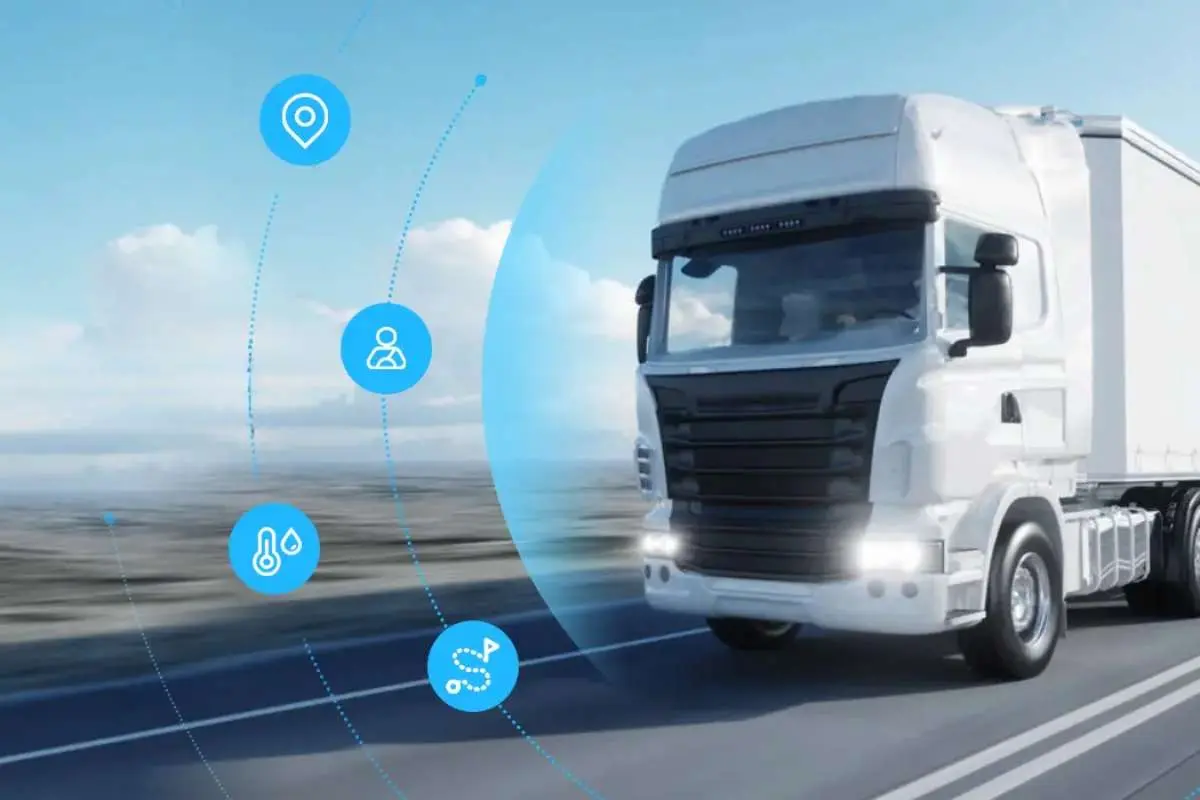
A grocery chain owner in Pune with eleven stores and a fleet of fourteen delivery vans told me he installed GPS tracking on every vehicle in January, about two years ahead of when he had originally planned to do it. He had it on a list for 2027, maybe 2028, bundled into a bigger logistics upgrade he kept pushing back. Then he lost three corporate accounts in two months, and the timeline stopped mattering. All three were offices that had ordered bulk lunch supplies and pantry restocks on weekly cycles for years. They just stopped calling. When he followed up, he found out each one had quietly moved to a quick commerce platform sometime around October or November 2024.
He did not lose them because of price or quality. A platform got the same order there in fifteen minutes with a tracking link in the customer’s hand, and their drivers were doing fifty to seventy on those routes with no way for anybody to check where they were.
I keep hearing some variation of that story from mid sized retailers in Maharashtra, Karnataka, and Tamil Nadu. The quick commerce wave that started with grocery in the major metros has moved into categories that traditional retailers thought were protected. Fresh flowers, office supplies, pharmacy refills, and even small electronics under 5000 rupees. Customers do not just want it fast anymore.
They want fast and a live dot on a map, and if you are the retailer who cannot show them that dot, you might as well not exist when the alternative is one tap away. I talked to owners running five vans and owners running forty, and the realization is the same across all of them. Route visibility is not something they can defer to next year’s budget anymore. It is the thing standing between them and losing another account to a platform that launched in their city six months ago.
I spent a week talking to fleet operators and retail owners in Bengaluru and Hyderabad earlier this year, and the pattern was remarkably consistent. Nobody had planned to invest in fleet tracking for retailers this soon. Almost all of them described it as a reaction to customer loss rather than a proactive decision. A home furnishings retailer in Whitefield who runs eight delivery vehicles across Bengaluru said he started getting complaints in mid 2024 that were different from anything he had heard before. Customers were not upset about damaged goods or wrong items. They were upset about not knowing when the delivery would arrive.
One woman who had been ordering from him for years, a regular, called to say she had started buying smaller household items through a quick commerce app because she could at least see where the driver was on a map. That conversation, he told me, bothered him more than the lost revenue. It meant something had changed permanently, and he was not going to talk her back.

The economics of retrofitting GPS onto an existing delivery fleet are not complicated, but the numbers surprised several of the retailers I spoke with. A fleet manager at a mid sized electronics distributor in Chennai walked me through his first six months after installing cellular trackers on 22 vans. His fuel bill dropped about 14 percent, which he attributed partly to route optimization but mostly to the fact that drivers stopped making personal detours when they knew the vehicle was being tracked. He had suspected this was happening for years, but never had data to confirm it. What surprised him about the labor side is that he did not end up cutting anyone. His drivers just started finishing more drops per shift.
The routes got tighter once someone could actually see them on a screen, and the dispatcher stopped wasting twenty minutes a day calling each guy individually to find out where he was. When he sat down and added it up, the fleet was saving about 180000 rupees a month. The tracking subscription and hardware came to around 45000. He said the system paid for itself before the end of the second month.
The part that vendors do not like talking about, and that I think gets underreported for that reason, is how rough the first few weeks are for most retailers making this move. A provisions supplier outside Hyderabad who runs 16 vehicles through a fleet management platform told me the first three weeks were, in his words, a disaster. Nobody on his dispatch team had ever worked with a live map. Geofencing alerts went off every few minutes because the routes the system suggested had nothing to do with how his drivers actually get around. One way loops near the markets, roads that close for construction every other week, shortcuts through residential colonies that do not show up on any map.
The software did not know about any of that. Traffic overlays confused the dispatchers more than they helped. His fix was to pull his two most senior drivers off deliveries for a full week and park them next to the dispatch team. Together, they built route templates from scratch, based on years of local knowledge, and loaded those into the system to replace the defaults. After that, the system started to work. But he was clear that if he had not made that investment in the first month, his drivers would have ignored the tracking entirely, and his dispatchers would have gone back to phone calls.
The quick commerce platforms themselves, the ones creating this pressure, run on infrastructure that a fourteen van grocery chain cannot replicate. Dark stores positioned within two or three kilometers of every delivery zone, hundreds of gig riders on two wheelers, and algorithms that pre position inventory based on demand prediction. A mid sized retailer is never going to compete on that model. But what several of the operators I talked to discovered is that once they could offer a realistic delivery window with a tracking link attached, the ten minute thing mattered less than they had expected.
It was not the speed their customers actually wanted. What they wanted was to stop guessing. A tracking link and a thirty minute window turned out to be enough, because the frustration was never really about time. It was about not knowing. A retailer in Pune put it simply. He said nobody left because my delivery took forty minutes. They left because they had no idea whether it would take forty minutes or two hours, and somebody else gave them a way to see.
The early adopters of fleet tracking for retailers are now sitting on advantages they did not expect when they made the call. Six months of route data turned out to be useful in supplier negotiations, because for the first time, they could show hard numbers for how long each delivery corridor takes and where the delays actually pile up. That is a conversation you cannot have when your delivery times are based on a driver’s best guess.
Two of the operators I interviewed had used their tracking data to renegotiate commercial vehicle insurance premiums, presenting six months of driver behaviour records to their insurer and getting a 9 to 12 percent reduction. None of that was in anybody’s head when they panicked and installed GPS in January.