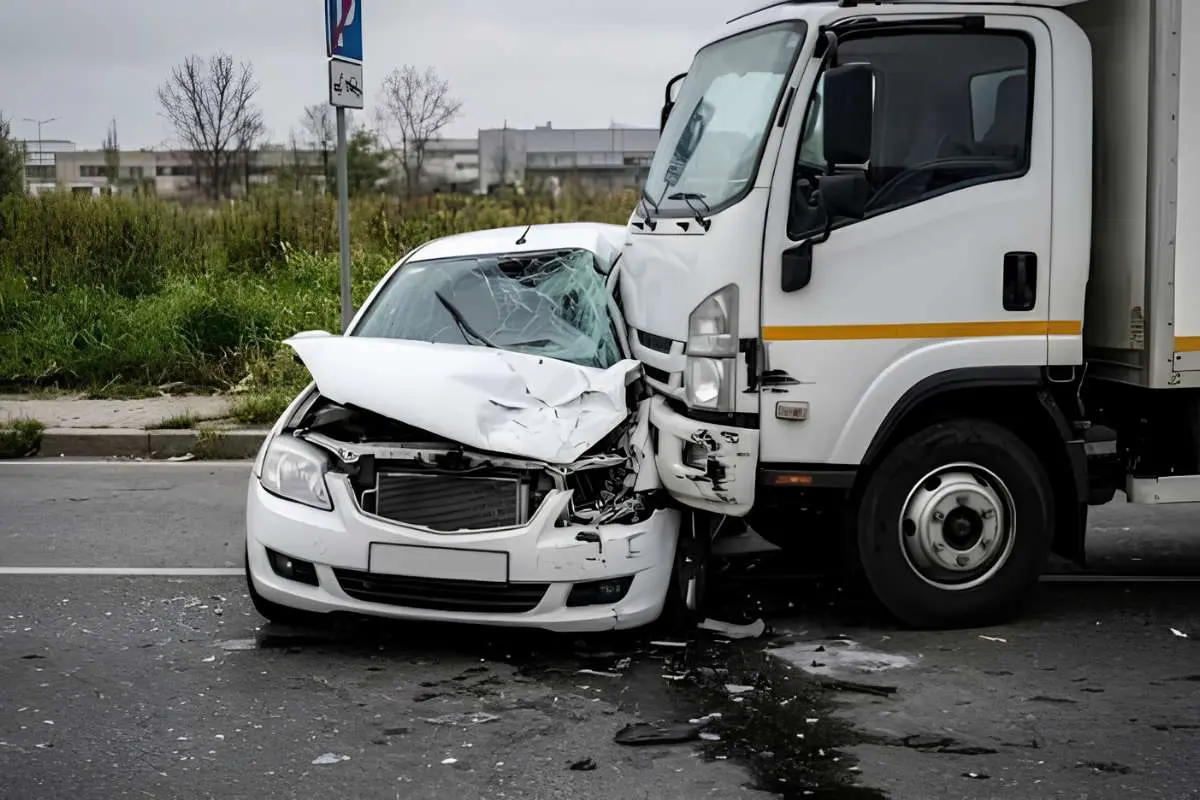


To answer the core legal question How is liability determined in a personal injury case? investigators, insurers, and courts strictly examine who caused the accident and whether negligence directly led to the victim’s injuries. These parties scrutinize accident reports, witness statements, and medical records to establish the facts. Ultimately, the final decision hinges on whether an individual or business failed to take reasonable steps to prevent foreseeable harm.
Personal injury claims can arise from car accidents, unsafe property conditions, workplace incidents, and other situations where someone suffers harm because of another party’s actions. In Missouri, understanding how liability works is especially important because state law can affect whether an injured person receives compensation and how much they may recover.
People seeking information about their options can visit mokaraminjurylawyers.com to learn more about personal injury legal services and the claims process.
Establishing Negligence
Negligence is one of the main factors used to determine liability in a personal injury case. It generally involves four elements: a duty of care, a breach of that duty, causation, and damages.
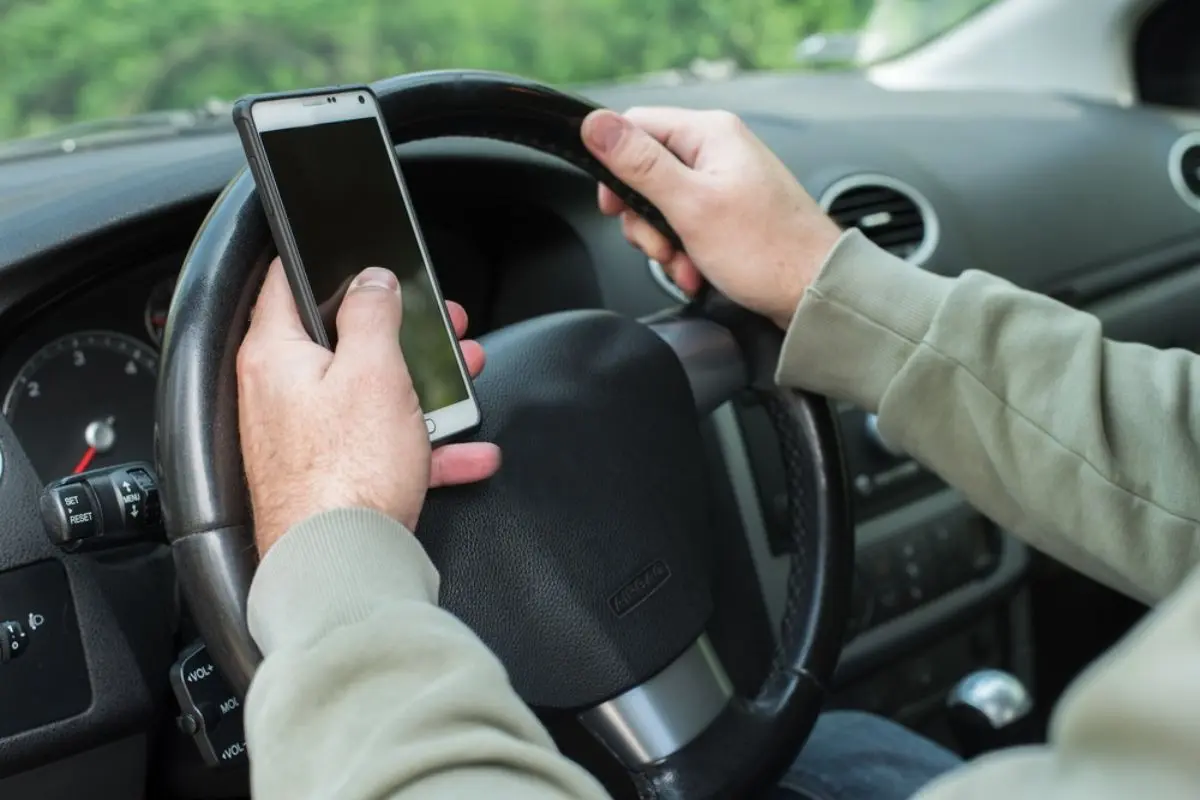
A duty of care means someone had a responsibility to act reasonably to avoid harming others. For example, drivers must follow traffic laws and pay attention to the road. A property owner may need to address dangerous conditions that could injure visitors.
A breach occurs when a person fails to meet that responsibility. Running a red light, ignoring a spill in a store aisle, or failing to repair a known hazard may support a negligence claim. However, the injured person must also show that the breach contributed to the accident and caused actual harm.
Reviewing the Available Evidence

Evidence helps establish how an accident happened and who may be responsible. Police reports, photographs, surveillance footage, witness accounts, and physical evidence can help create a clearer picture of the incident.
Medical records are also important because they document the injuries, treatment, and potential long-term effects. In some cases, expert witnesses may explain how a collision occurred or whether a particular safety measure could have prevented an injury.
The strength of a claim often depends on how well the evidence supports the connection between the other party’s conduct and the injuries. Keeping records, saving relevant photographs, and seeking medical attention promptly can help preserve important information.
Determining Whether Multiple Parties Share Fault
Liability does not always rest with one person. A collision might involve several drivers, while an injury on commercial property could raise questions about the property owner, maintenance company, or another contractor.
Missouri follows a pure comparative fault system. Under this approach, an injured person’s compensation may be reduced by their percentage of responsibility, but their own fault does not automatically prevent recovery. For example, if a person is found 20% responsible for an accident and their damages total $50,000, their recoverable amount would generally be reduced to $40,000.
Missouri courts recognize comparative fault under the principle established in Gustafson v. Benda, 661 S.W.2d 11 (Mo. banc 1983). The facts of each case determine how responsibility is allocated.
Understanding the Role of Insurance Companies

When victims ask, “How Is Liability Determined in a Personal Injury Case,” the answer begins with a rigorous insurance investigation. Before accepting fault or offering a settlement, adjusters heavily scrutinize medical bills, repair estimates, and witness statements to independently evaluate the claim.
An insurer’s decision, however, is not necessarily the final word on legal responsibility. Disagreements may arise over the cause of an accident, the severity of an injury, or each party’s share of fault. If the parties cannot reach an agreement, the dispute may proceed to court, where a judge or jury evaluates the evidence.
Key Takeaways
- Liability depends on negligence, causation, and evidence of actual harm.
- Accident reports, photographs, witness statements, and medical records can help establish responsibility.
- More than one party may share fault for an injury.
- Missouri’s comparative fault rules can reduce compensation based on an injured person’s share of responsibility.
- Insurance companies investigate claims, but disputed liability may ultimately be decided in court.