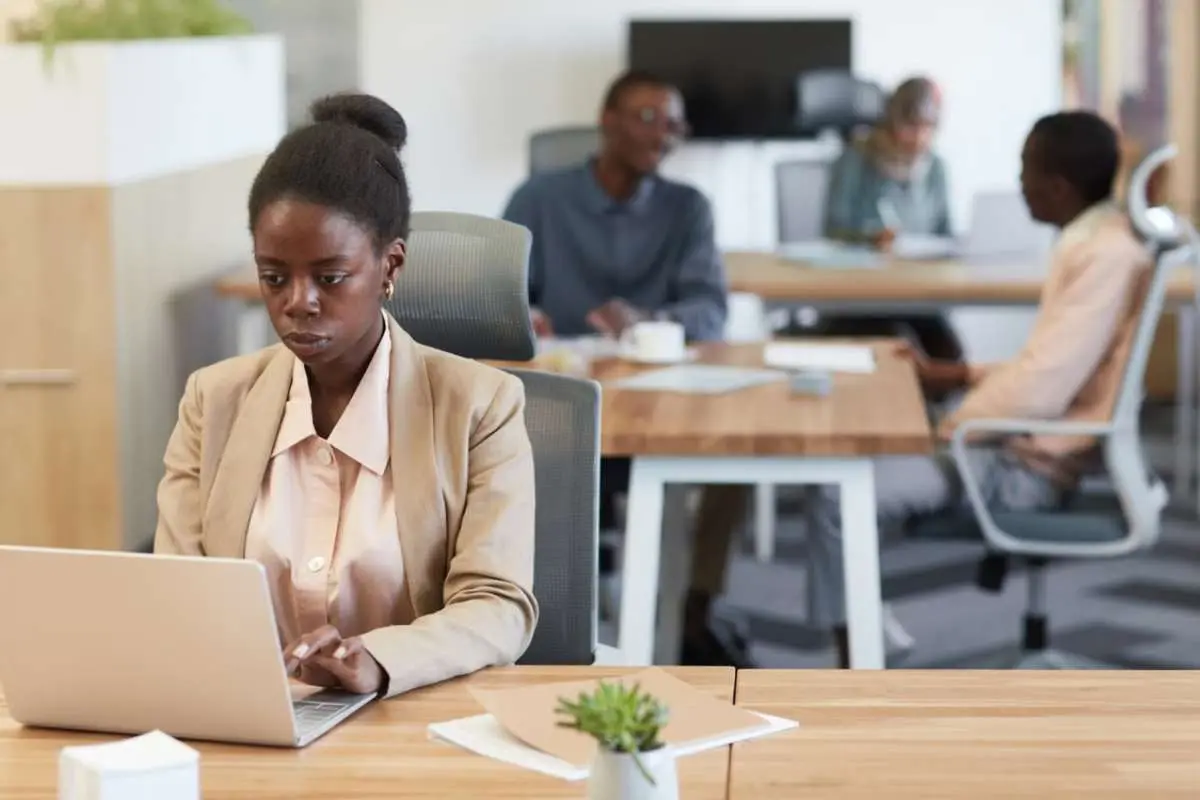
The office isn’t dead. But it’s definitely changed.
Hybrid work has turned the world upside down. Those that insist on running their offices like it’s 2019 are watching their best employees walk out the door.
The good news?
Office design trends have become one of the most strategic tools in talent retention. When designed effectively, your office transforms from being just a building… To becoming a destination that people WANT to visit.
Bad design sends your employees straight out the door… often to a competitor with good design. Great design makes your workplace one of your best retention assets.
Here’s what the new standards look like – and how to hit them.
What’s inside:
- Why Office Design Trends Matter More Than Ever
- Wellness As The New Non-Negotiable
- Flexible Spaces That Fit How Work Actually Happens
- Amenities That Actually Retain Talent
Why office design trends matter more than ever
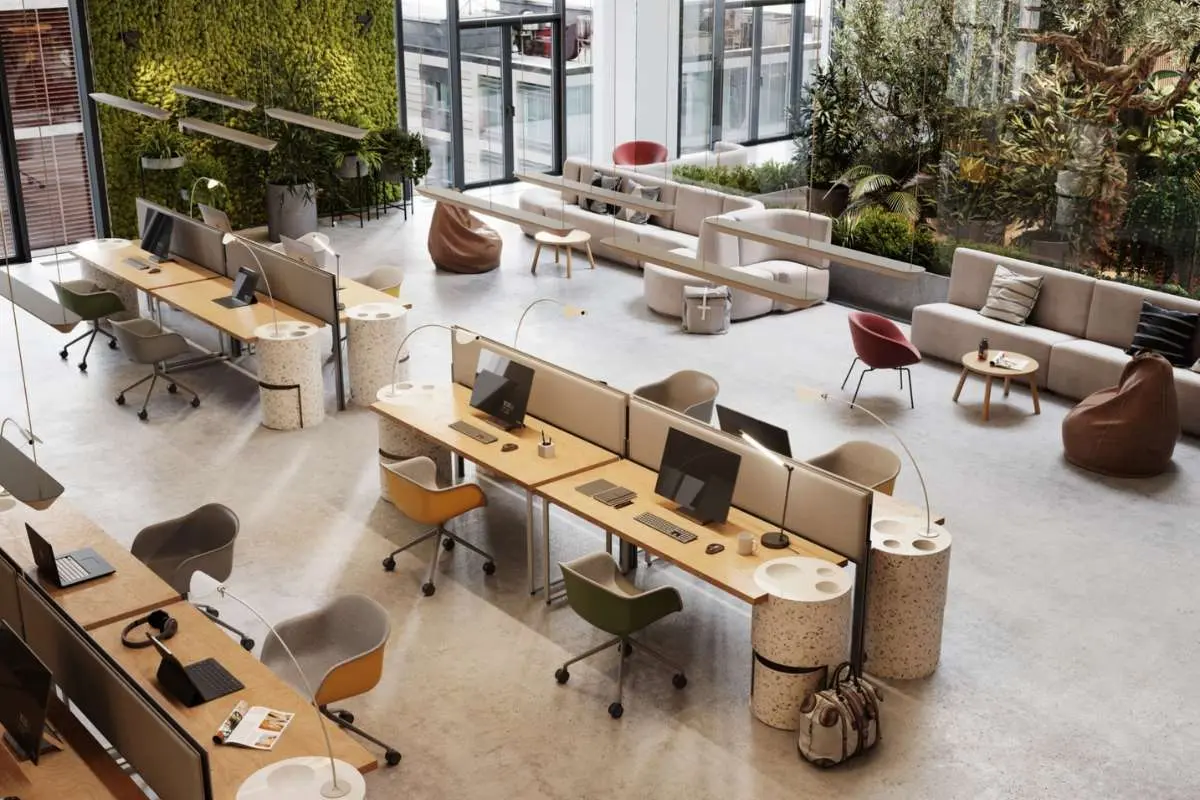
Hybrid work is not going anywhere. So now the office has a new role.
It can’t just be a destination for sitting and typing anymore. It needs to fight for its place in your week. Because if not…
Employees will just work from home.
New research from the UK revealed that 71% of office workers would go into the office more often if their workplace had a better day-to-day experience. 71% is significant. And it points directly to where the opportunity lies for business.
The offices winning the hybrid game are the ones designed around one simple question:
What actually makes someone want to be here?
When you get that right, everything else lines up. Retention improves. Engagement increases. Arguments about return-to-office policies dissolve. Recruiting even becomes easier, because your best candidates begin to think of work as a benefit—not a burden.
Businesses that fail to recognize this change are trapped in a cycle of vacant chairs, office rule neglect, and quiet quitting. Businesses leveraging design as a talent strategy are getting ahead of the game – and without having to battle their own employees over attendance expectations.
Wellness as the new non-negotiable
Wellness used to be optional. Bonus. A yoga mat tucked away. A fruit bowl by the front desk.
Not anymore.
Employees these days expect their office to care about their health. That includes great lighting, fresh air, ergonomic chairs, and yes – office water solutions that aren’t an afterthought. After all, drinking water should be convenient all day long. Little things like this affect an employee’s mindset about coming to work.
Companies such as Brita recognise how much importance clean water can bring to a contemporary office environment. Dispensers are great for keeping staff hydrated, reducing the use of plastic water bottles and creating an organised, considered ambience throughout your office. Little things like this can make all the difference.
Wellness-focused design also tends to include:
- Natural lighting and biophilic elements like plants
- Quiet zones for focused work
- Sit-stand desks as a default
- Access to fresh air and outdoor spaces
- Proper heating, cooling, and ventilation
It’s personal because there are real consequences if you get it wrong. 58% of UK professionals would switch jobs if they felt their workplace did not support wellbeing. If your office isn’t somewhere talent wants to spend time, then they’ll move on, and your leadership team won’t understand why until it’s too late.
That’s the risk wellness design solves.
Flexible spaces that fit how work actually happens
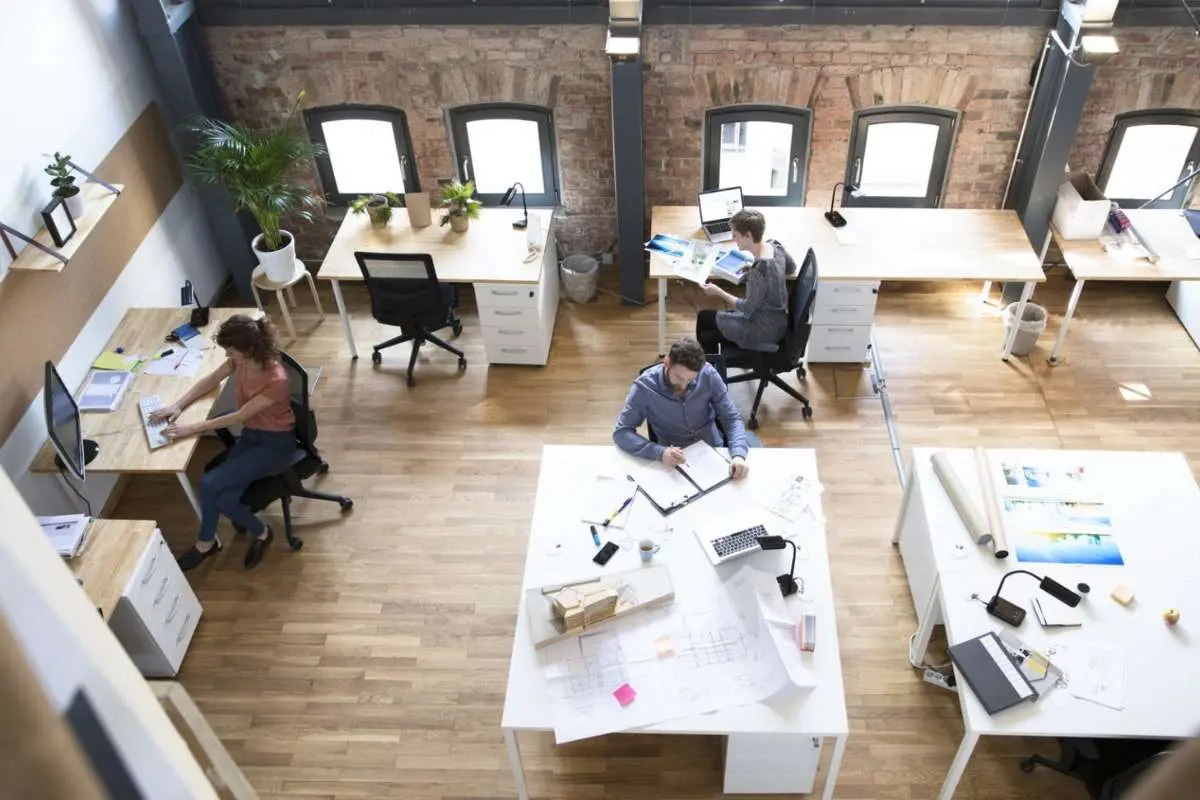
Here’s the thing about hybrid workers…
They come into the office not to do the same thing they do at home. They come in to do the things that are just better done face-to-face. Things like:
- Team collaboration
- Big brainstorming sessions
- Client meetings
- Face-to-face conversations with managers
- Onboarding and mentoring
Well, the office layout should be built around that idea. Rows and rows of cookie-cutter desks just won’t do.
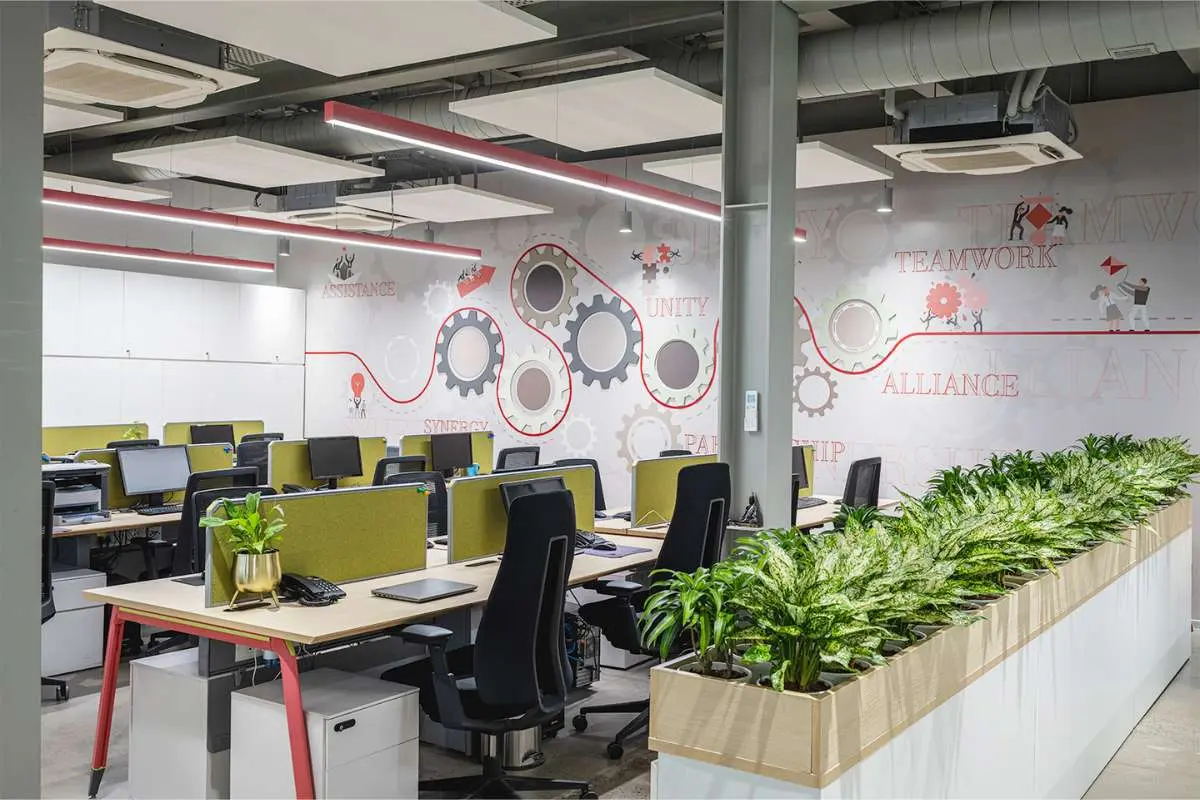
Great offices these days have variety. Spaces to accommodate many types of work that happen during the day. Usually it looks something like this:
- Focus zones for solo deep work
- Collaboration hubs with movable furniture
- Quiet phone booths for private calls
- Bookable meeting rooms in different sizes
- Casual lounge areas for informal chats
Here’s the idea behind “activity-based working.” Space is shaped around the activity, not everyone assigned to the same configuration.
The payoff? Teams get more done. And employees actually enjoy being there.
Here’s another advantage. Flexible spaces work with hybrid schedules. There will be busy days. And not-so-busy days. A thoughtfully arranged floor plan deals with both seamlessly. It doesn’t feel clumsy or deserted. The opposite of row-after-row of desks that look like half the staff quits every Wednesday.
Amenities that actually retain talent
Perks used to equal snacks and a ping pong table. Adorable… but not exactly competitive advantage retention.
Today’s talent expects more. They want amenities that enhance their entire day. Things that save them time, support their wellbeing, and make coming to the office worth traveling for.
The amenities that actually move the needle on retention include:
- On-site fitness spaces or gym partnerships
- Wellness rooms for prayer, meditation, or rest
- Great coffee and quality food options
- Bike storage and end-of-trip facilities
- Green spaces and outdoor working areas
- Dog-friendly zones (yes, really)
Think of it this way…
The office is competing with your home. Literally your home. That’s tough competition. So the workspace needs to mimic that experience.
Knight Frank research found that 46% of workspace occupiers anticipate their workplace will offer improved amenities over the next three years. That means only businesses staying ahead of the curve are investing today – instead of being forced to by the talent market.
Bonus points – perks like this also aid in recruiting. Oftentimes when comparing two job offers, the office environment is a deciding factor.
This is how workplace design becomes a true recruitment tool – silently working the job of five recruiters behind the scenes.
Bringing it all together
Office design trends principles have shifted. Hybrid work transformed the office from a place people simply went to, into a place they need a reason to go.
If you want to keep your best employees, your office needs to fight for a spot in their week. Which means:
- Designing for wellness first
- Offering flexibility in how spaces get used
- Investing in amenities that support real daily life
- Treating hydration, lighting, and air quality as basics – not extras
The winners in the hybrid era will not be the largest offices or the coolest ones. They will be the ones where employees simply enjoy working.
The little things are important. Great coffee. Filtered water. Comfortable seating. Natural sunlight. When the simple things are taken care of, life flows better.
Design it right, and the office becomes a competitive advantage for retaining top talent — no mandate required.