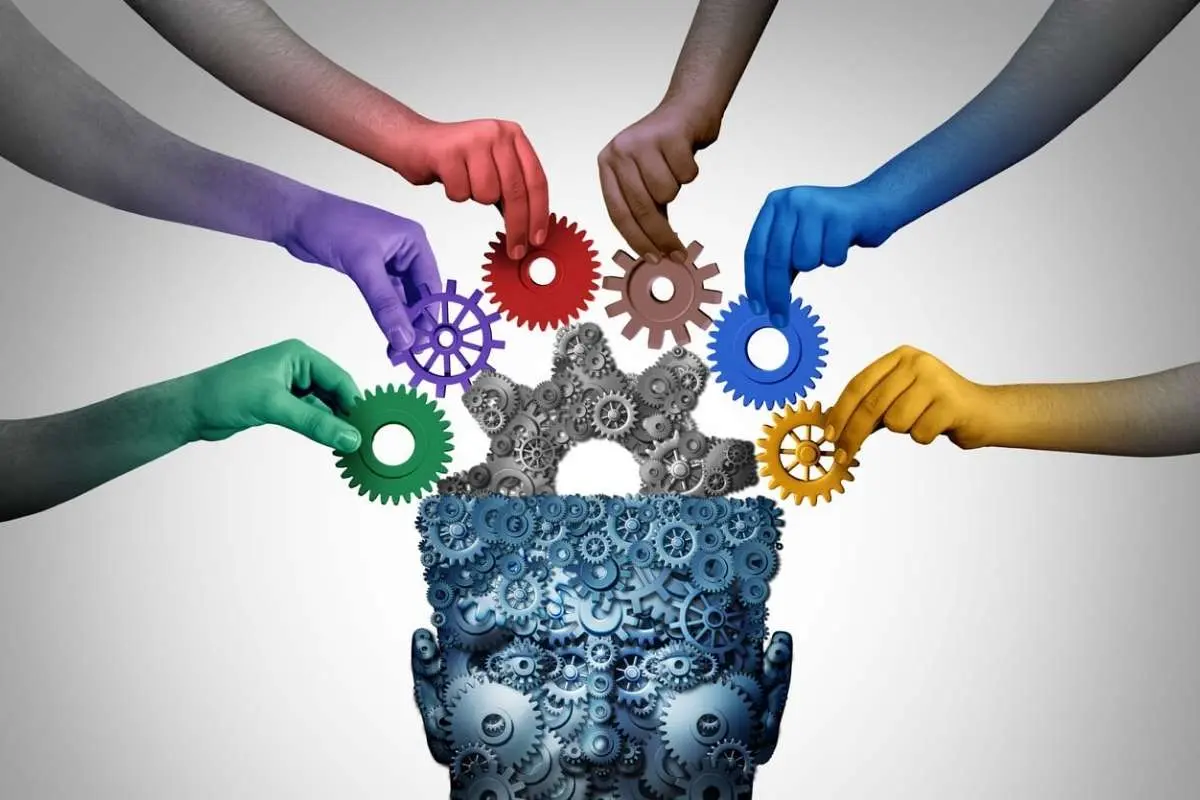
I see how we spend our days at work and want to make them better. I believe that a job should feel like a good fit for your life, not an add-on you can get rid of. And that’s what Industrial-Organizational Psychology is.
It is simply the science of people at work. It looks at how we act, think, and feel while we are on the clock. This field helps us find the best way to run a team using clear, human facts.
We need this today because a healthy workplace helps everyone succeed. In this field, experts find better ways to hire new staff and help leaders listen. They focus on building a good culture where people feel safe and strong.
When a company cares about your well-being, you stay happy, and the work stays high-quality. This keeps the business moving forward without leaving anyone behind.
What Is Industrial-Organizational Psychology?
So, let’s understand what I-O Psychology is.
Industrial-Organizational Psychology, often called I-O Psychology, is a branch of science that applies human logic to the workplace. It uses what we know about the brain and behavior to solve problems at work.
Instead of just looking at profits, it looks at the people who make the business run. By combining psychology with business habits, this field makes jobs more efficient and much more human.
Now I-O Psychology has two sides, i.e., industrial and organizational. Here’s how those two differ.
The Industrial Side
The “Industrial” part of the field focuses on the individual worker and the specific tasks they do. It deals with the technical side of managing people. This includes finding the best ways to hire new staff and training them to do their jobs well.
Experts in this area look at how to measure performance fairly so that everyone knows how they are doing. It is about getting the right person into the right seat.
The Organizational Side
The “Organizational” side looks at the big picture of the company. It focuses on how the whole workplace feels and how people interact in groups. This area covers things like how leaders talk to their teams and how the company culture affects everyone’s mood.
It aims to keep staff happy and healthy so they do not feel too much stress. When the organization is healthy, people feel motivated to show up and do their best.
How Does It Work Together?
I-O Psychology blends these two sides to help both the boss and the worker. It takes scientific facts about how we think and uses them to change how a business operates.
For example, it might use a personality test to help a team communicate better. By using these tools, a company can grow while making sure its employees feel valued and heard.
The Evolution of Industrial-Organizational Psychology Over Time
The field of I-O Psychology did not appear overnight. It grew out of a need to make sense of the changing world of work during the Industrial Revolution.
In the early 1900s, experts such as Hugo Münsterberg and Frederick Taylor began looking at how to match the right person to the right job. They wanted to see if they could make tasks more efficient while helping workers earn more and stay safe.
The Impact of War
War played a massive role in growing the field. During World War I, the military needed a way to quickly sort and train millions of recruits. Psychologists stepped in to create the Army Alpha and Beta tests to measure mental ability and skills.
This was a turning point for Industrial-Organizational Psychology because it proved that psychological tools could work on a huge scale. Later, in World War II, the focus expanded to include team morale, leadership, and how people handle high-stress environments.
The Modern Era

Today, the field has moved far beyond just factory floors and army camps. Modern I-O Psychology now focuses on the “Employee Experience.” This means making sure people feel happy, included, and valued at work.
As our world changes, I-O experts help companies manage remote work and build diverse teams where everyone feels they belong. They even look at how AI can help hire people fairly without human bias.
A Timeline of Progress
- Early 1900s: Scientific management starts, focusing on task speed and hiring the right staff.
- 1917–1918: Large-scale testing begins during World War I to place soldiers in the best roles.
- 1920s–1930s: The Hawthorne Studies show that social factors and being noticed improve worker output.
- 1960s–1970s: New laws focus on fairness in hiring and civil rights at work.
- 2000s–Present: The focus shifts to well-being, remote teamwork, and using AI for better talent decisions.
Industrial, Organizational, and Human Factors Psychology Explained
I-O Psychology is a broad field. We can break it into three main areas. Each branch looks at a different part of work life. They study the bond between a worker and their job.
Industrial Psychology
This branch is about the “person-to-job” match. It focuses on the technical side of managing staff. This includes hiring, selection, and training. Psychologists help companies hire the right people. They create fair tests and interviews for new staff. They look at what a job needs first.
Then, they find the person with the best skills. They also set up reviews to help workers grow. This ensures the company meets its goals. Industrial-Organizational Psychology makes the hiring process much clearer.
Organizational Psychology
This branch looks at the “person-to-person” side of work. It explores how motivation and leadership affect us. It also looks at workplace culture. Experts ask what makes a person work hard. They study how a bad boss hurts a team.
When work relationships are healthy, performance goes up. Strong teamwork keeps stress levels low. This part of I-O Psychology keeps staff happy. People feel valued when the culture is kind.
Human Factors and Ergonomics
This branch focuses on the “person-to-machine” link. It is the study of tools and desks. The goal is to design systems that fit the body. Experts might design a chair to stop back pain. They also make computer programs easy to use.
Simple tools help people get more done. This reduces physical stress for every worker. Good design helps people stay safe and fast. This is a vital part of I-O Psychology today.
How Industrial-Organizational Psychology Improves Workplaces?
I-O Psychology covers many tasks. Each one helps make work life better.
Here are the main goals of the field.
1. Recruitment and Selection: This means finding and hiring the right person for a job. It matters because a good fit saves time and money.
Example: Using a skills test to hire a coder instead of just reading a resume.
2. Training and Development: This is the process of teaching staff new skills. It helps workers grow and stay useful.
Example: A workshop that teaches managers how to use new software.
3. Performance Management: This is how a boss tracks and helps a worker’s progress. It keeps everyone on the same page.
Example: A monthly chat to set clear goals and give helpful feedback.
4. Leadership Development: This focuses on making better bosses. Good leaders keep a team happy and calm.
Example: A class that teaches supervisors how to listen to their team.
5. Employee Motivation: This is the drive that makes people want to work. It keeps the energy high in the office.
Example: Giving a bonus or praise when a hard project is done.
6. Workplace Culture: This is the “vibe” or the shared values of a company. A strong culture makes people feel they belong.
Example: A company that encourages taking breaks to prevent stress.
7. Conflict Resolution: This is how a company fixes fights between staff. It stops small problems from growing.
Example: Using a neutral person to help two coworkers agree on a plan.
8. Employee Engagement: This is how much a person cares about their job. Engaged staff do high-quality work.
Example: Letting workers have a say in how they do their daily tasks.
9. Diversity and Inclusion: This ensures everyone feels welcome and fair. It brings in fresh ideas from all backgrounds.
Example: Changing a hiring rule to make sure more types of people apply.
10. Mental Health and Well-being: This focuses on the mind and body of the worker. It prevents people from feeling burnt out.
Example: Offering free counseling or flexible hours for parents.
What Industrial-Organizational Psychologists Actually Do?
You might wonder what these experts actually do when they walk into an office. They do not just sit and watch people work. Instead, they act like detectives for the workplace. They look for ways to make the day go more smoothly for everyone. Their daily tasks involve a lot of listening, testing, and solving puzzles. Industrial-Organizational Psychology helps these experts understand employee behavior and improve workplace performance using scientific methods.
Common Daily Tasks
I-O psychologists spend a lot of time gathering facts. They might send out a survey to see if staff feel happy. They also design tests to find the best new hires. When a team is not getting along, they step in to help. They create new ways for people to talk and share ideas. A big part of their job is reducing turnover. This means they find ways to keep good people from quitting their jobs.
Where do They Work?
You can find these experts in many different places. Many work in large corporations to help run the business. Others work for consulting firms. These firms go into different companies to fix specific problems. You will also find them in government agencies and hospitals. They even work in schools to help teachers and staff work better together.
Making an Impact
At the end of the day, their goal is simple. They want to make work less of a chore. They use science to build a bridge between what the boss wants and what the worker needs. By doing this, they help create a place where people feel proud to work. Their job is to ensure that work is a healthy part of a person’s life.
How I-O Psychology Helps Organizations and Employees?

Applying science to the office brings wins for everyone. It creates a balance that helps the business grow, and the people thrive.
Here is how both sides benefit from this field. Here is how both sides benefit from this field. Industrial-Organizational Psychology supports better teamwork, stronger leadership, and healthier workplace environments.
Benefits for Organizations
Companies that use I-O Psychology see a real shift in their success. It helps them build a foundation that lasts.
- Better Hiring Decisions: Science helps pick the right person for the job the first time.
- Higher Productivity: When work is set up well, people get more done with less stress.
- Lower Turnover: Happy staff stay longer, which saves the company the cost of hiring new people.
- Stronger Leadership: Managers learn how to inspire their teams instead of just giving orders.
- Improved Workplace Culture: The office becomes a place where people actually want to be.
Benefits for Employees
For the worker, these changes make the daily grind much better. It focuses on the human side of the job.
- Higher Job Satisfaction: People feel better when their work matches their skills and interests.
- Better Mental Health: Less clutter and better support mean fewer people feel burnt out.
- Fairer Performance Reviews: Reviews based on facts mean hard work is seen and rewarded.
- More Career Growth: Clear training paths help workers learn and move up in the company.
Maslow, Herzberg, and McGregor: Key Workplace Theories to Know About
Now that we know the basics of Industrial-Organizational Psychology, let’s talk theories. We will discuss three theories today. Now it is important to note that these are widely used but debated. But it is good to know about them, so here we go.
1. Maslow’s Hierarchy of Needs
Abraham Maslow started his work in the 1940s. At that time, many experts focused on mental illness. Maslow wanted to look at mental health instead. He wondered what made people feel happy and whole.
He studied the lives of successful and healthy people. From this, he built a path for human growth. This path became his famous pyramid. It shows that we have layers of needs. We must solve the basic ones first. Only then can we focus on our big dreams.
Physiological Needs
The base of the pyramid is all about staying alive. These are things your body cannot live without.
- Physical Needs: This includes food, water, and enough air to breathe.
- Daily Rest: You need sleep to let your brain heal each night.
- Simple Shelter: Your body needs a place to hide from the cold.
Safety Needs
Once you are fed, you look for a sense of peace. You want to know that tomorrow will be okay.
- Personal Security: This means living in a place without fear or war.
- Steady Income: A job gives you the money to buy what you need.
- Good Health: You need to feel strong and free from constant pain.
Love and Belongingness Needs
Now that you are safe, your heart takes the lead. Humans are not meant to be alone.
- Deep Bonds: This involves close ties with family and good friends.
- Being Included: We all want to feel like we belong to a group.
- Giving Love: Sharing kindness helps us feel linked to other people.
Esteem Needs
This level is about how you feel when you look in the mirror. It is about your value.
- Inner Confidence: You need to believe in your own skills and worth.
- External Praise: It helps when others notice and respect your hard work.
- Sense of Power: Feeling capable makes you want to try new things.
Self-Actualization
The top of the pyramid is called self-actualization. This is about reaching your full potential.
- Personal Growth: You spend time learning and bettering your own mind.
- Total Focus: You work on things that give your life true meaning.
- Creative Flow: You use your unique gifts to help the world.
Funnily, all of this actually explains why we struggle at work when we are tired or hungry.
2. Herzberg’s Two-Factor Theory
Frederick Herzberg was a famous psychologist in the 1950s. He wanted to know what makes people feel good at work. He asked workers to describe times they felt very happy. He also asked about times they felt very unhappy.
His research led to a major discovery in Industrial-Organizational Psychology. He found that two different sets of factors drive us. One set stops us from being sad. The other set makes us feel truly satisfied.
Hygiene Factors
These factors are the basics of a job. They do not make you love your work. However, if they are missing, you will feel very unhappy. In Industrial-Organizational Psychology, hygiene factors are considered essential for maintaining a stable and healthy work environment.
- Pay and Benefits: You need a fair wage to pay your bills.
- Company Policy: Fair rules keep the office running in a smooth way.
- Job Security: You need to know your job is safe and steady.
- Work Conditions: A clean and safe space keeps you from feeling sour.
- Relationships: Getting along with peers keeps the peace at the office.
Motivators
Once the basics are set, you need a reason to grow. These factors come from the work itself. They lead to true joy and hard work.
- Achievement: Reaching a hard goal makes you feel a sense of pride.
- Recognition: It feels great when a boss praises your good work.
- The Work Itself: You should find your daily tasks interesting and fun.
- Responsibility: Owning your work gives you a sense of inner power.
- Advancement: You need to see a path to move up in rank.
How Do They Work Together?
Herzberg argued that these two things are separate. Fixing a low salary stops a worker from being mad. But it does not make them love the company.
To get the best results, a boss must do both. They must fix the “hygiene” to stop the grumbling. Then they must add “motivators” to spark real passion. This idea remains an important part of Industrial-Organizational Psychology because it explains how workplace conditions and motivation affect employee satisfaction.
3. McGregor’s Theory X and Theory Y
Douglas McGregor was a social psychologist at MIT in the 1950s. He noticed that the way a boss acts depends on how they view people. He created two sets of beliefs to explain this. These are known as Theory X and Theory Y. Each one leads to a very different kind of workplace.
Theory X
This view assumes that most people do not like to work. It treats work as a chore that people try to avoid.
- The Belief: Bosses think staff are lazy and lack any real ambition.
- The Method: Managers use strict rules and constant threats to get tasks done.
- The Result: Staff are watched closely and have very little freedom to choose.
Theory Y
This view assumes that work is as natural as play or rest. It treats people as self-driven and capable of great things.
- The Belief: Bosses think staff find joy in solving problems and learning.
- The Method: Managers give their team trust and the power to make decisions.
- The Result: Staff feel proud of their work and want to help the company grow.
Why It Matters?
McGregor believed that Theory Y leads to much better results. When you treat people like they are lazy, they often act that way. But when you give them trust, they rise to the challenge. Most I-O psychologists today push for Theory Y habits. This creates a culture where both the person and the business can thrive. Industrial-Organizational Psychology often uses these theories to improve leadership styles and employee motivation in modern workplaces.
Real-Life Example of These Theories
Here’s how these theories will look in a real workplace:
| Theory | Workplace Example |
| Maslow’s Hierarchy | A company offers free healthy snacks (Physiological) and a stable health plan (Safety). They host team lunches (Belonging) and give “Employee of the Month” awards (Esteem). Finally, they pay for workers to take classes to reach their full potential (Self-Actualization). |
| Herzberg’s Two-Factor | A firm fixes its old, broken AC unit and gives a fair raise (Hygiene). This stops the staff from complaining about the office. Then, the boss gives a worker a lead role on a creative new project (Motivator). This makes the worker feel truly excited and proud. |
| McGregor’s Theory X | A call center tracks every second a worker spends on a break. The manager stands behind the staff to make sure they are on the phone. They use the threat of a write-up to keep people working. This assumes workers will slack off if not watched. |
| McGregor’s Theory Y | A tech firm lets staff set their own hours and work from home. The manager gives the team a goal but lets them choose how to reach it. They trust the staff to be productive. This assumes workers are self-driven and love to solve puzzles. |
Challenges of Industrial-Organizational Psychology

Every field has its hurdles, and Industrial-Organizational Psychology is no different. While it aims to help, it sometimes runs into tricky human and ethical problems. Let’s look at the main issues experts face today.
1. Bias in Hiring Tests
We want hiring to be fair. But sometimes, the tests used can have hidden biases. A test might favor one group over another without meaning to. This can lead to unfairness in who gets the job. I-O psychologists must work hard to keep these tests neutral.
2. Privacy and Monitoring
Technology makes it easy to track work. Some companies watch every click or move a worker makes. This can feel like a breach of trust. People may feel like they are being spied on. It is hard to find a balance between data and privacy.
3. Resistance to Change
Most people like their routines. When an expert suggests a new way to work, staff may push back. They might fear the unknown or feel their old ways were better. Changing a workplace culture takes a lot of time and patience.
4. Misuse of Personality Tests
Personality tests can be fun, but they are not perfect. Sometimes, bosses use them to put people in boxes. They might use a simple quiz to make big career decisions. This is a mistake because humans are much more complex than a test result.
5. Measuring Satisfaction
It is very hard to measure how someone feels. A person might say they are happy just to please their boss. Surveys can also be vague or boring. Getting a true picture of employee mood is a constant struggle in the field.
Conclusion:
Industrial-Organizational Psychology is the bridge between human needs and business goals. It proves that we do not have to choose between a happy team and a high profit. By using science, it turns a cold office into a place of growth. It ensures that hiring is fair and that leadership is kind. This field protects the mind of the worker while helping the company stay strong.
In our modern world, the way we work is shifting fast. We have remote teams, new AI tools, and a focus on diversity.
Industrial-Organizational Psychology will be the guide for these changes. It will help us build a future where work is not just a chore. Instead, work will be a healthy and rewarding part of every human life.
People Also Asked:
1. Is I-O Psychology the same as HR?
While they share goals, I-O Psychology is a science-based study of behavior, whereas HR focuses on the day-to-day management of people and policies.
2. What degree is needed for I-O Psychology?
You typically need a master’s degree or a PhD in psychology to practice as an I-O psychologist.
3. What industries use I-O Psychology?
This field is used in many sectors, including tech, healthcare, government, manufacturing, and large consulting firms.
4. Can I-O Psychology improve employee retention?
Yes, it improves retention by creating better hiring fits and building a more supportive workplace culture.
5. Is Industrial-Organizational Psychology in demand?
The field is in high demand as companies seek expert ways to handle remote work, diversity, and staff well-being.