Key Takeaways:
- Keir Starmer resignation speculation may impact business confidence and global investment sentiment
- June 23, 2026, timeline speculation draws market and policy attention
- Energy policy focus includes North Sea oil and wind investments
Uncertainty surrounding the leadership of the United Kingdom has intensified after United States President Donald Trump stated that Prime Minister Keir Starmer “will resign,” drawing attention from global business and financial communities.
Leadership comments add to timeline speculation
On June 22, 2026, Donald Trump made a public statement indicating that Keir Starmer could step down from his position as Prime Minister. While no official confirmation has been provided by the UK government, the comment has added momentum to existing speculation that a leadership decision or timeline could emerge as early as June 23, 2026.
The two leaders last met during the G7 summit held in France earlier in the week, but there has been no indication of direct communication regarding any leadership transition since then.
Keir Starmer resignation, in his most recent public remarks on June 20, 2026, stated that he remains focused on his responsibilities, emphasizing ongoing work and commitments. No additional clarification on leadership plans has been issued.
At the same time, senior officials have indicated that internal discussions are ongoing, with attention on broader political and economic considerations.
Business impact and policy focus areas
The United Kingdom’s position as a major global economy means that any leadership uncertainty can influence investor sentiment, capital flows, and business planning. As Keir Starmer resignation speculation continues to attract attention, Companies operating across sectors such as finance, energy, and manufacturing are closely tracking developments for signals on policy continuity.
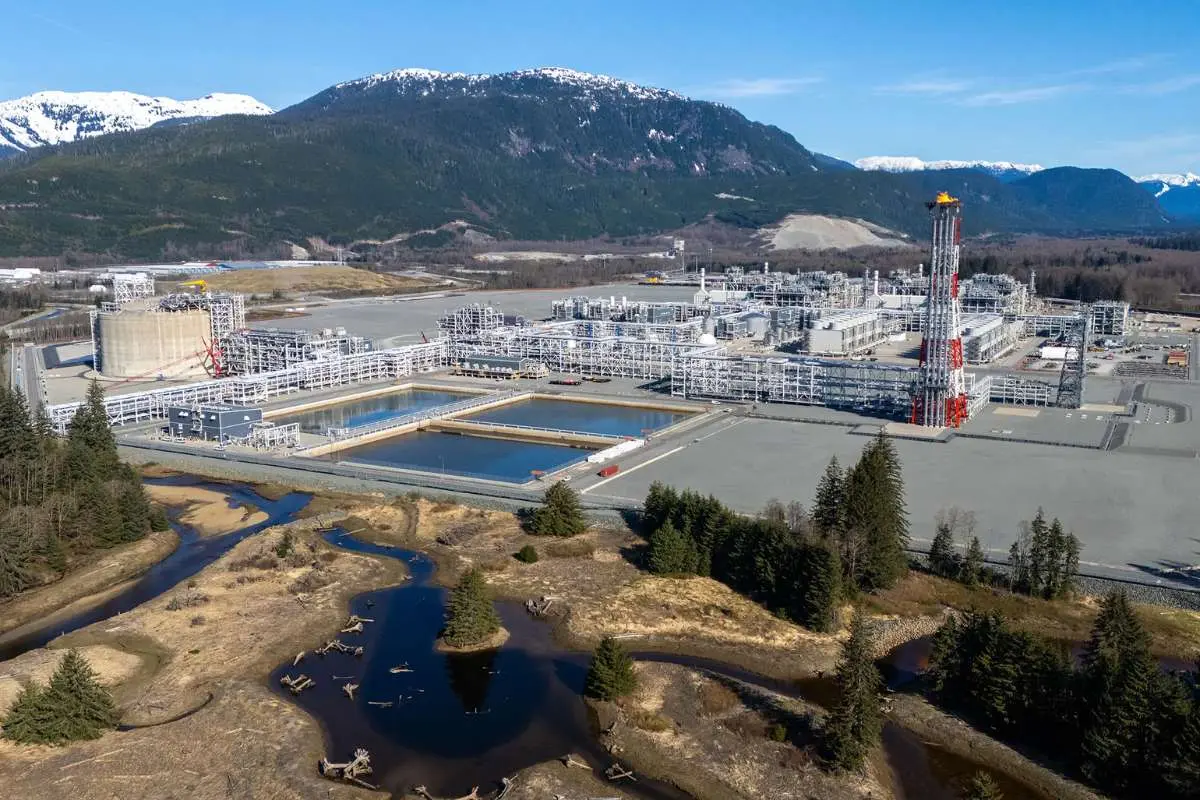
Energy policy has emerged as a key area of focus in recent discussions. References have been made to the potential reopening of North Sea oil exploration, alongside continued investment in wind energy infrastructure. These policy directions are critical for industries dependent on stable energy pricing and supply.
For businesses, shifts in energy strategy can directly affect operating costs and long-term investment decisions. Industries such as logistics, manufacturing, and heavy industry may be particularly sensitive to any changes in energy sourcing and regulatory frameworks.
Additionally, leadership transitions can impact currency stability and equity markets. Investors often reassess risk exposure during periods of uncertainty, which may influence exchange rates and capital allocation decisions.
Reports also suggest that Andy Burnham has emerged as a potential figure of interest in the event of a leadership change, though no official announcements have been made.
The near-term timeline for clarity remains a key factor. With June 23, 2026, being widely discussed as a possible date for further developments, businesses and investors are maintaining a cautious approach. while monitoring reports related to Keir Starmer resignation speculation.
Overall, the situation underscores the importance of monitoring leadership developments in major economies. Even unconfirmed transitions can shape expectations around economic policy, influencing decisions across global markets and business ecosystems.