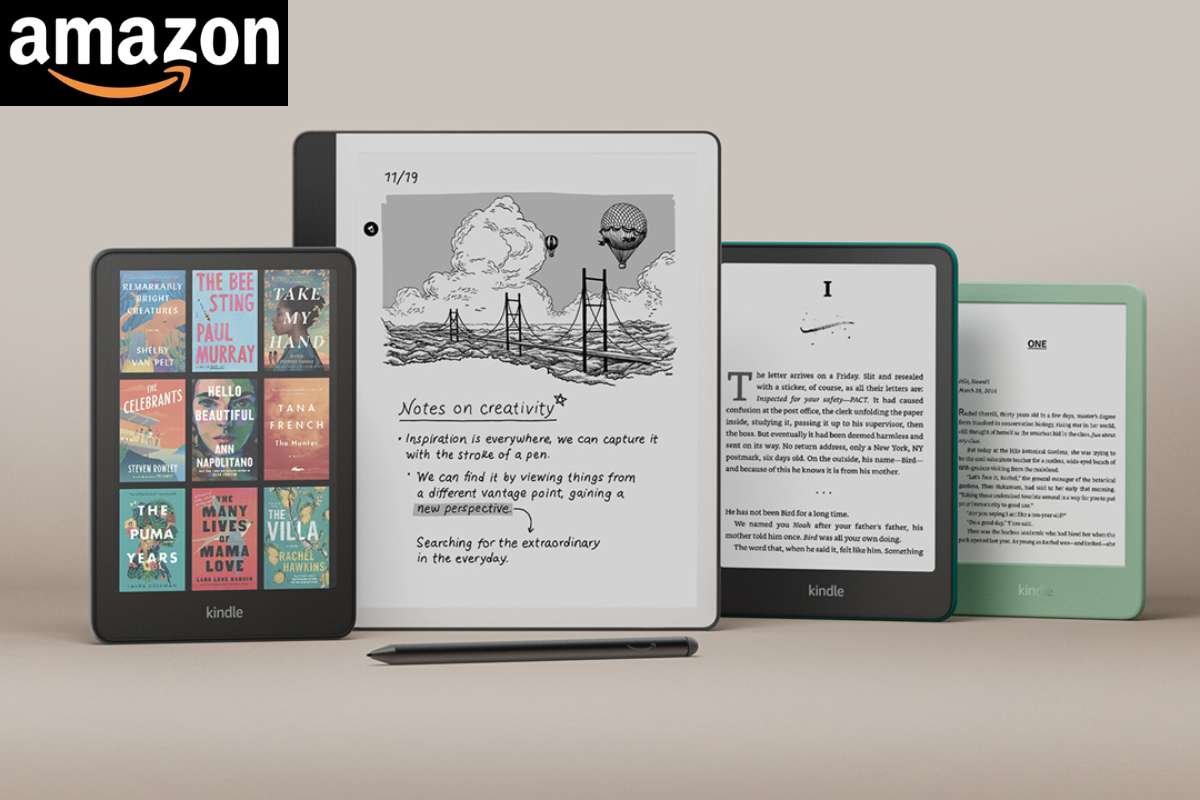
Amazon is preparing to end support for a wide range of its early Kindle e-readers and Kindle Fire tablets, signaling a major transition for long-time users of its digital reading ecosystem and Kindle devices. The change will take effect on May 20, 2026, and will apply to devices released in or before 2012.
This move impacts some of the most iconic products in Amazon’s hardware history, including the original Kindle models, Kindle DX, Kindle Keyboard, Kindle 4 and 5, Kindle Touch, and even the first-generation Kindle Paperwhite. These devices played a crucial role in revolutionizing the publishing industry by making digital books accessible, portable, and widely adopted.
While the decision may not come as a surprise given the age of these devices, it represents a significant shift for users who have relied on them for over a decade. Many of these Kindles were known for their durability and long battery life, making them popular among readers who valued simplicity and focus over frequent upgrades.
The move also aligns with a broader industry trend, where companies gradually phase out older hardware to prioritize modern technologies, improved performance, and tighter integration within evolving digital ecosystems.
Limited Functionality After the Cutoff Date
Once support ends, affected Kindle devices will no longer be able to access core features of Amazon’s ecosystem. Users will lose the ability to browse the Kindle Store, purchase new titles, or download books directly onto their devices. This effectively transforms these e-readers into static libraries rather than dynamic reading tools.
However, the devices will not become entirely unusable. Readers will still have access to books that are already downloaded, allowing them to continue using their existing collections. In some cases, users may be able to transfer content manually via USB, offering a limited workaround for adding new material.
One of the more significant restrictions is that devices which are deregistered or reset after the cutoff date will not be able to reconnect to Amazon’s services. This means that once disconnected, they cannot be reactivated within the Kindle ecosystem, making the transition largely irreversible.
For many users, this creates a fragmented experience. Instead of accessing new content directly on their device, they will need to rely on newer Kindle models, mobile applications, or web-based platforms. This shift moves the reading experience away from standalone hardware and further into Amazon’s broader digital environment.
Upgrade Incentives and Industry Implications
In conjunction with the announcement, Amazon is offering incentives to encourage users to upgrade to newer Kindle devices. These include limited-time discounts on new hardware and credits for purchasing e-books, aimed at easing the transition and retaining customer loyalty.
While such upgrade programs are common in the tech industry, they have also sparked discussions around sustainability and electronic waste. Many of the affected devices remain fully functional from a hardware standpoint, raising concerns about the growing trend of software-driven obsolescence. Devices that could potentially last for years longer are being phased out due to compatibility limitations rather than physical failure.
The situation also highlights a fundamental shift in how consumers interact with digital content. Unlike physical books, which can be used indefinitely, digital libraries are closely tied to platforms, software updates, and corporate policies. Continued access to content increasingly depends on staying within supported ecosystems.
For Amazon, the decision reflects a strategic focus on enhancing user experience through newer devices that offer faster processing, improved display technology, and deeper integration with its services. Features such as enhanced lighting, better battery optimization, and seamless syncing across devices are now standard expectations.
Ultimately, the retirement of support for pre-2012 Kindle devices represents both progress and disruption. It underscores the rapid pace of technological evolution while also reminding users of the limitations of long-term ownership in a digital-first world. For many readers, it marks the end of a trusted companion, while pointing toward a future shaped by continuous upgrades and ever-evolving platforms.