
A birth injury can change a child’s health, development, and daily care needs. Families may face hospital treatment, therapy costs, lost income, and difficult decisions about future support and legal options for birth injury. A medical injury does not automatically prove negligence, because some complications occur despite appropriate care. Legal options depend on the medical records, the timing of the injury, and whether a healthcare provider breached the required standard of care. The first step is identifying what happened and which remedy fits the family’s circumstances.
When a birth injury may support a legal claim?
A medical malpractice claim may arise when a doctor, midwife, nurse, hospital, or other provider fails to provide appropriate care. The error must generally cause an injury that results in harm, treatment needs, disability, or other measurable loss.
Families often consult New Jersey birth injury attorneys when a child has suffered harm before birth, during labor, or shortly after delivery. Relevant concerns include missed prenatal conditions, delayed treatment for fetal distress, poor monitoring, unsafe delivery decisions, and failures involving infections, hypertension, or diabetes. Medical records and expert review help determine whether the injury resulted from negligence rather than an unavoidable complication.
A claim can involve a newborn injury, cerebral palsy, hypoxic-ischemic encephalopathy, birth asphyxia, brachial plexus damage, Erb’s palsy, shoulder dystocia, or an injury linked to forceps or vacuum delivery. A diagnosis alone does not establish liability. The evidence supporting legal options for birth injury must connect the provider’s conduct to the child’s injury.
Common legal options for families
Here’s a list of common legal options for families:
1. A medical malpractice lawsuit
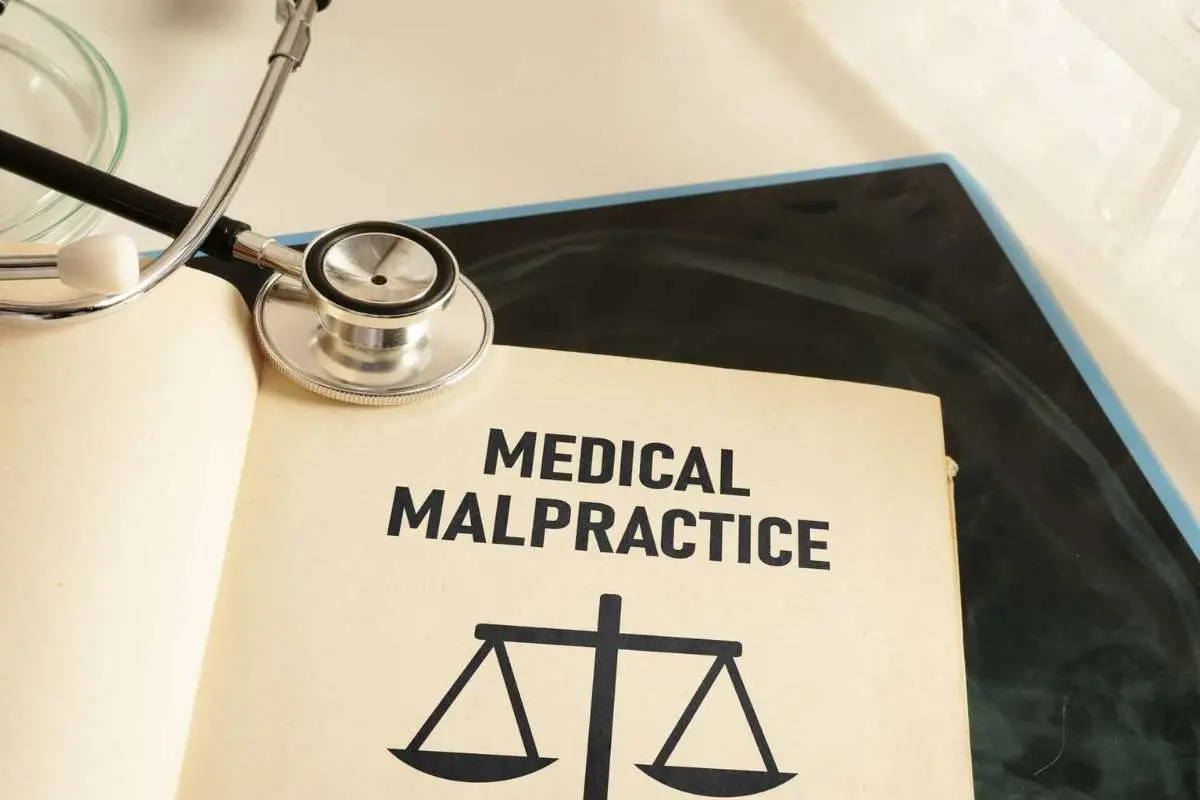
A medical malpractice lawsuit seeks compensation for losses caused by negligent medical care. Depending on the facts, damages may include past and future medical treatment, rehabilitation, therapy, equipment, personal care, education support, and other services.
Parents may also seek compensation for expenses related to caring for a child with a permanent disability. Some claims account for the child’s reduced ability to work in adulthood. The available damages depend on New Jersey law, the evidence, and the specific injury.
2. A settlement negotiation
Many birth injury disputes resolve through settlement rather than trial. A settlement is a legally binding agreement in which the responsible party or insurer pays an agreed amount.
Before accepting an offer among the legal options for birth injury, a family needs a clear estimate of future care. Children with brain injuries, paralysis, or developmental disabilities can require support for decades. A settlement assessment should consider medical opinions, life-care needs, therapy, assistive equipment, home changes, and lost earning capacity.
A settlement can provide certainty and avoid trial risks. Do not accept it before the family understands the child’s likely long-term needs and the legal effect of releasing further claims.
3. A wrongful death claim
When medical negligence causes a baby’s or mother’s death, eligible relatives may have a wrongful death claim. The available remedy depends on the relationship to the deceased person and the circumstances of the death.
A wrongful death case may involve funeral expenses, financial losses, and other damages recognized under New Jersey law. Time limits apply, so a family should obtain legal advice promptly after a death connected with pregnancy, labor, delivery, or newborn treatment.
Evidence that can support a case
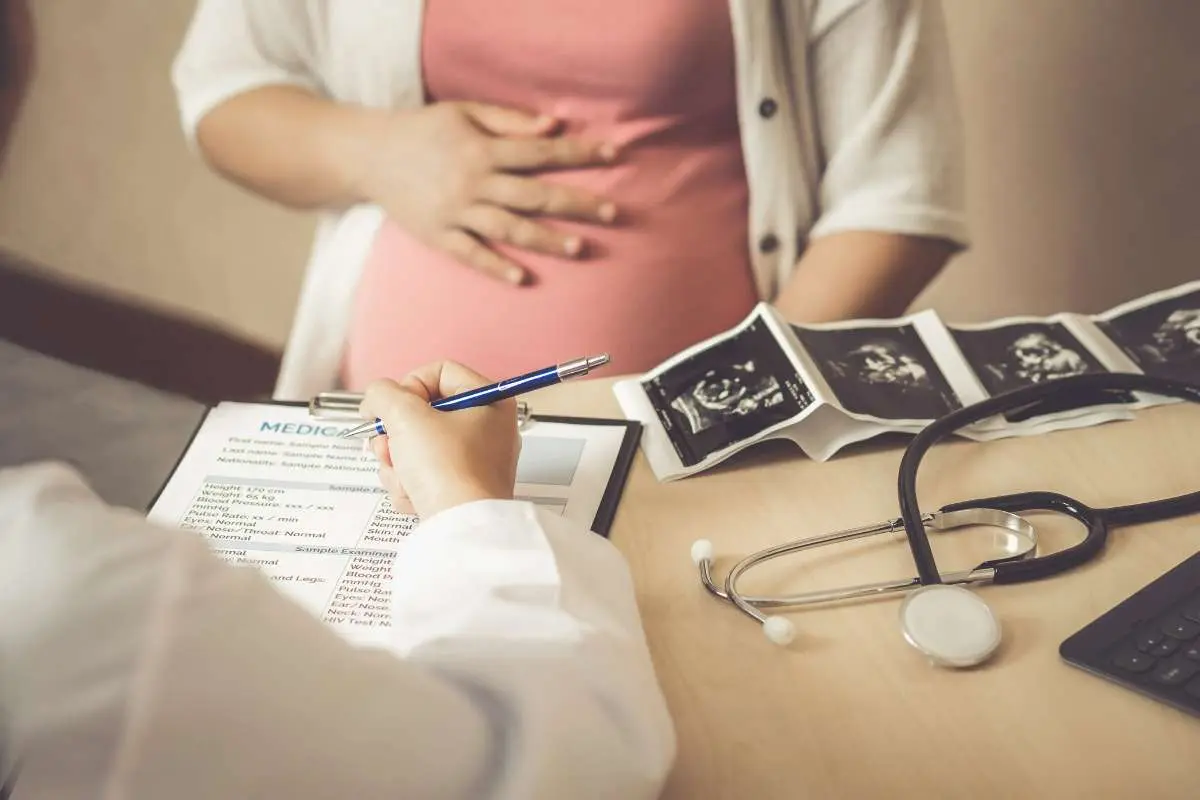
Medical records form the foundation of most birth injury investigations. Relevant material can include prenatal notes, ultrasound results, fetal monitoring strips, medication charts, nursing records, delivery notes, neonatal records, imaging, and discharge summaries.
A timeline can expose delays or missed warning signs. Families should record when symptoms appeared, what providers said, which treatments occurred, and how the child’s condition changed.
Many malpractice claims also require expert medical review. An obstetrician, pediatric specialist, neurologist, neonatologist, or other qualified professional may assess whether the care met the applicable standard. The expert must also address whether the alleged error caused the injury.
Parents should preserve bills, therapy records, care schedules, travel costs, workplace records, and correspondence with healthcare providers. They should avoid altering medical records or discarding documents that could explain the child’s treatment history.
Conclusion
A birth injury claim depends on proof, not diagnosis alone. Families should establish what care was provided, identify any departure from accepted practice, and connect that departure to the child’s harm. Medical records, expert opinions, and a realistic care-cost assessment shape the available legal options. Parents should gather treatment documents and seek advice about New Jersey deadlines and legal options for birth injury before signing a settlement or releasing a claim. Early action protects evidence and gives the family time to plan for long-term care.