Key Takeaways:
- LVMH’s 1% growth signals a shift to a more cautious luxury market.
- Fashion and leather goods decline, with uneven demand across regions.
- Future success depends on strong brands and a targeted strategy.
LVMH, the world’s leading luxury goods group, reported a subdued performance in the first quarter of 2026, reinforcing concerns around the LVMH Sales Slowdown 2026 and signaling a shift in the momentum that has long defined the high-end retail sector. The company generated approximately €19 billion in revenue, marking a modest 1% organic increase compared to the same period last year.
Although the growth reflects resilience in a volatile economic environment, it fell short of market expectations. The results point to a broader slowdown in luxury consumption, particularly after a strong rebound in previous years. The group’s most important division, fashion and leather goods, experienced a slight decline, raising concerns among analysts.
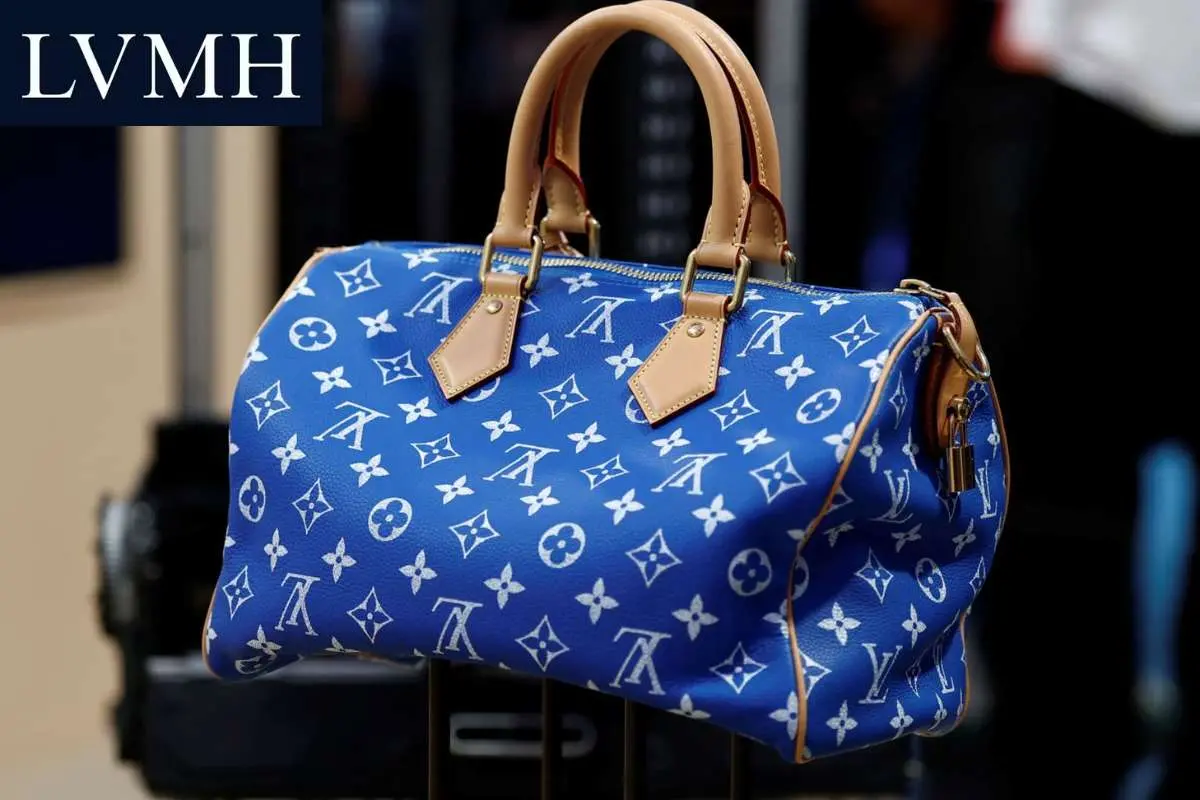
This segment includes globally recognized brands such as Louis Vuitton and Dior, which traditionally drive a significant share of the company’s profits. A dip in this category often signals deeper shifts in consumer behavior, especially among high-net-worth individuals who are becoming more selective in their spending amid the LVMH Sales Slowdown 2026.
Executives at LVMH highlighted that performance varied significantly across brands, with some continuing to thrive while others faced a slowdown. This uneven trend reflects a changing luxury landscape where growth is no longer uniform across regions or product categories.
Geopolitical Tensions Disrupt Key Luxury Markets
One of the most significant factors behind the muted performance was ongoing geopolitical instability, particularly in the Middle East. The region, known for its strong appetite for luxury goods, saw a sharp decline in demand due to escalating tensions, contributing directly to the LVMH Sales Slowdown 2026.
The disruption impacted not only local consumption but also international travel, which plays a crucial role in luxury retail. High-spending tourists from the region are a key customer base for global luxury hubs, and reduced mobility directly affected sales across multiple markets.
The impact of the conflict is estimated to have reduced LVMH’s overall growth by around one percentage point during the quarter, reflecting the broader LVMH Sales Slowdown 2026. However, the effects were not confined to the Middle East alone. The uncertainty contributed to a more cautious global consumer sentiment, influencing purchasing decisions even in relatively stable regions.
In terms of regional performance, the United States remained a steady contributor, supported by consistent domestic demand. Asia showed encouraging signs of recovery, particularly driven by seasonal spending patterns and improving consumer confidence. Meanwhile, Europe and Japan experienced softer demand, partly due to fluctuating tourist inflows and ongoing economic pressures.
The current scenario highlights how interconnected the global luxury ecosystem has become. Political instability, currency fluctuations, and economic shifts in one region can quickly ripple across markets, affecting sales worldwide.
Mixed Segment Results and a Watchful Outlook
Across its business divisions, LVMH delivered a mixed performance. The watches and jewelry segment emerged as a strong performer, driven by sustained demand for high-end craftsmanship and iconic brands such as Tiffany & Co. and Bulgari. These categories continue to benefit from their timeless appeal and investment value among affluent consumers.
The wines and spirits division also posted steady growth, supported by consistent demand and seasonal consumption trends. However, other segments faced challenges, aligning with the broader LVMH Sales Slowdown 2026. Perfumes and cosmetics remained largely flat, indicating a slowdown in discretionary purchases, while selective retailing, including travel retail, showed only moderate improvement as global travel gradually normalizes.
Despite the cautious start to the year, LVMH maintained a measured sense of optimism. The company pointed to upcoming product launches, evolving creative strategies, and continued investments in key markets as potential drivers for future growth.
At the same time, industry observers remain divided on the outlook for the luxury sector. While some anticipate a gradual recovery driven by improving macroeconomic conditions, others warn that prolonged geopolitical tensions and economic uncertainty could continue to weigh on consumer spending.
LVMH’s latest performance underscores a broader reality: even the most dominant players in the luxury industry are not immune to global volatility. As 2026 progresses, the company’s ability to navigate these challenges while sustaining brand desirability and innovation will be critical in determining its growth trajectory in an increasingly complex market, especially as the LVMH Sales Slowdown 2026 continues to shape industry sentiment.