Indoor air quality in schools is a growing concern for administrators, facility managers, and public health officials alike. Classrooms that run too dry create conditions that accelerate the spread of airborne viruses, trigger respiratory issues, and leave students and teachers uncomfortable for hours at a time. These are not minor inconveniences but measurable factors that affect attendance, performance, and long-term building health.
In this article, we examine why implementing dedicated school humidification systems is a critical and often overlooked component of educational facility management. You will learn how this modern technology works, what benefits it delivers for student health and staff attendance, and what key metrics administrators should evaluate when selecting the right setup for their buildings.
Key Takeaways
- Low humidity in classrooms accelerates the spread of airborne pathogens and increases student absenteeism
- High-pressure fog humidification systems offer energy-efficient, surface-safe moisture delivery for school environments
- Smart zoned controls allow humidity to be managed independently across gyms, libraries, labs, and classrooms
- Proper humidity levels protect school infrastructure including musical instruments, wood flooring, and computer equipment
- Selecting the right school humidifier requires evaluating water quality, HVAC compatibility, safety certifications, and scalability
The Impact of Poor Humidity Control in Educational Buildings
Most school facility plans prioritize heating, cooling, and ventilation, but humidity control is frequently treated as secondary or addressed only when visible problems emerge. This reactive approach is costly. The consequences of chronically low relative humidity in school buildings compound quietly over months and years, affecting everything from student health to the integrity of expensive infrastructure.
Understanding the specific ways humidity imbalance harms school environments is essential for making the case for proactive investment in humidification systems.
How Dry Air Affects Student Health and Attendance
When indoor relative humidity drops below 30 percent, the mucous membranes that line the nose and throat dry out, reducing their effectiveness as a first line of defense against airborne pathogens. Research consistently links low humidity environments to higher transmission rates of influenza and other respiratory viruses. In a school setting, where dozens of students share enclosed spaces for hours each day, this dynamic has a direct and measurable impact on absenteeism rates.
Dry air also aggravates existing respiratory conditions including asthma and allergies, which affect a significant portion of the school-age population. Students managing these conditions in low-humidity classrooms face more frequent symptom flare-ups, reduced concentration, and more days lost to illness. Teachers face the same challenges, and staff absenteeism carries its own administrative and continuity costs.
Damage to School Infrastructure and Equipment
Beyond health, low humidity causes significant physical damage to school buildings and their contents over time. Hardwood gymnasium floors are particularly vulnerable, as moisture loss causes wood to shrink, crack, and cup in ways that require expensive repair or replacement. Musical instruments, which many schools invest in heavily, are similarly susceptible to warping and cracking when ambient humidity drops below recommended levels.
Computer labs and technology suites represent another area of risk. Low humidity generates static electricity buildup that can damage sensitive electronic components and corrupt storage devices. Libraries face deterioration of book bindings and paper materials. Each of these damage categories represents a preventable cost that proper humidification directly addresses.
How School Humidification Systems Work
Modern school humidification systems have advanced considerably from the basic portable units many people associate with residential use. Commercial and institutional-grade systems are engineered to handle large, multi-zone environments with precision and reliability. Understanding the underlying technology helps administrators evaluate options with greater confidence.
High-Pressure Fog Technology in Educational Settings
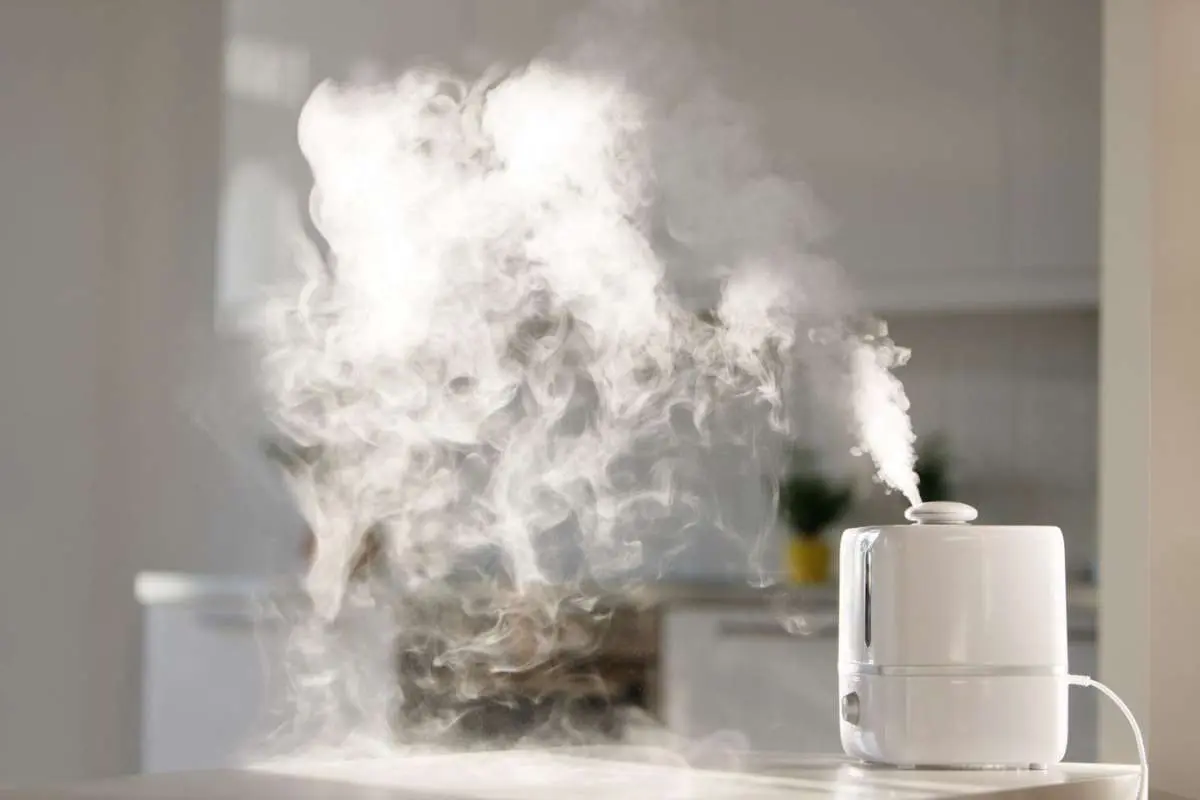
High-pressure fog systems work by pumping filtered water through precision nozzles at pressures between 1,000 and 1,500 PSI, producing droplets so fine they evaporate before reaching any surface. This flash-evaporation process adds moisture to the air without wetting walls, floors, equipment, or furnishings, making it entirely safe for use in occupied school spaces. The absence of surface wetting also means there is no risk of mold growth from the humidification system itself, which is a common concern with less sophisticated technologies.
A purpose-built humidifier for schools using this evaporative fog approach also delivers a secondary cooling effect, which can reduce the load on air conditioning systems during warmer months. This dual function makes fog-based systems particularly attractive for schools operating in climates with both dry winters and warm summers. Energy consumption is substantially lower than steam-based alternatives, which is an important consideration for school districts managing tight operational budgets.
Zoned Control and Smart Automation
School buildings contain a diverse range of spaces, each with different humidity requirements. A gymnasium has different needs than a science laboratory, a computer room, or a music rehearsal space. Zoned humidification systems use independently controlled segments connected to a central management platform, allowing precise targeting of moisture delivery based on real-time sensor readings in each area.
Smart controllers receive continuous data from humidity sensors placed throughout the building and automatically adjust output to maintain preset thresholds in each zone. Integration with existing building management systems means administrators and facility staff can monitor conditions and receive alerts from a centralized dashboard, reducing the need for manual checks and enabling faster responses to fluctuations. This level of automation is particularly valuable for large school campuses with multiple buildings.
Key Benefits of Installing a Humidifier in Schools

The benefits of school humidification span health outcomes, educational environment quality, and long-term cost efficiency. When evaluated together, they build a compelling case for investment that goes well beyond comfort considerations. Administrators who frame humidification as a health infrastructure decision rather than an amenity tend to find stronger support from school boards and budget committees.
Improved Indoor Air Quality
Maintaining relative humidity between 40 and 60 percent significantly reduces the viability of airborne viruses and bacteria in indoor environments. Studies published in environmental health literature have demonstrated that influenza virus survival drops sharply when relative humidity exceeds 40 percent. For schools, where respiratory illness spreads rapidly through dense populations of children, this is one of the highest-impact environmental interventions available.
Proper humidity also reduces the concentration of fine particulate matter in the air. In dry conditions, particles remain suspended longer, increasing inhalation exposure. Adequate moisture causes particles to aggregate and settle more quickly, contributing to cleaner breathing air for students and staff throughout the school day.
Better Learning Outcomes and Comfort
Physical discomfort is one of the most reliable disruptors of classroom attention and engagement. Students dealing with dry eyes, scratchy throats, headaches, or nasal irritation are less able to focus on instruction and more likely to disengage or request to leave the classroom. Addressing the environmental root causes of these symptoms creates a more conducive learning atmosphere without requiring any change to curriculum or teaching approach.
Research in educational facility design increasingly recognizes indoor environment quality as a key variable in academic performance. Temperature, lighting, acoustics, and air quality all factor into cognitive function and learning readiness. Humidity control is a natural complement to investments schools are already making in HVAC upgrades and energy efficiency improvements.
Energy Efficiency and Sustainability
High-pressure fog humidification consumes a fraction of the energy required by electric steam humidifiers, which must heat water to the boiling point before releasing vapor. For schools operating humidification systems across large floor areas for extended periods each day, this energy differential translates into meaningful reductions in utility costs. Many school districts are also under pressure to meet sustainability targets, and lower energy consumption from humidification systems contributes to those goals.
The evaporative cooling effect delivered by fog systems can also reduce air conditioning runtime during shoulder seasons, further compressing energy expenditure. Schools that document these savings as part of a broader sustainability reporting framework can demonstrate environmental stewardship to communities, governing bodies, and grant-funding organizations.
What to Look for When Choosing a School Humidifier
Selecting a humidification system for a school environment requires careful attention to safety, compatibility, and long-term serviceability. The presence of children and the complexity of modern school buildings add layers of consideration that do not apply to typical commercial settings. A structured evaluation process helps ensure the chosen system performs reliably and meets all applicable standards.
Safety and Water Quality Standards
Any humidification system installed in a school must meet or exceed applicable indoor air quality and safety standards. Water quality is a primary concern, as systems that disperse untreated tap water can aerosolize minerals, bacteria, and other contaminants into the breathing zone. High-quality school humidification systems incorporate reverse osmosis filtration or equivalent water treatment as a standard component, ensuring that only clean, properly conditioned water is introduced into the air.
Systems should carry relevant certifications and comply with ASHRAE Standard 55 for thermal comfort and Standard 62.1 for ventilation and indoor air quality. Vendors should be able to provide documentation confirming compliance and explain how their systems are designed to prevent Legionella and other waterborne pathogen risks, which are subject to specific regulatory scrutiny in institutional settings.
Integration with Existing HVAC Systems
Most schools already have HVAC infrastructure in place, and a new humidification system should be selected with integration in mind. Systems that communicate via standard building automation protocols such as BACnet or Modbus can be incorporated into existing facility management platforms without requiring parallel control infrastructure. This simplifies operations for facility staff and ensures humidity management is coordinated with heating and cooling rather than working at cross purposes.
Before procurement, facility managers should conduct a thorough assessment of existing ductwork, air handling unit capacity, and sensor placement to ensure the new system can be installed efficiently. Vendors with experience in school installations will typically offer a site assessment as part of the sales process and can identify potential installation challenges before they become project delays.
Real-World Results in School Environments

Schools that have invested in commercial-grade humidification systems report consistent improvements across several measurable outcomes. Reductions in student absenteeism during winter months are among the most frequently cited benefits, with some districts reporting meaningful decreases in sick day usage after system installation. These figures carry weight in budget discussions because they translate directly into per-pupil funding retention and reduced disruption to instructional continuity.
Facility teams at schools with humidification systems also report lower maintenance costs related to wood flooring, musical instruments, and technology equipment. Gymnasium floor refinishing cycles have been extended in facilities where humidity is consistently maintained, and instrument repair costs have declined in music programs that added humidification to storage and rehearsal spaces. These are tangible, documentable cost savings that strengthen the return-on-investment case for administrators seeking board approval.
Technology and science departments in schools with controlled humidity environments have also noted fewer incidents of electrostatic damage to sensitive equipment. As schools continue expanding their technology footprints with devices, interactive displays, and laboratory instrumentation, protecting that investment through environmental control becomes an increasingly important facility management priority.
Conclusion
Humidity control in schools is no longer a niche facility management concern. Implementing reliable school humidification systems has become a foundational component of a healthy, high-performing learning environment that protects students, staff, and physical assets every day. Modern fog-based technology delivers the precision, energy efficiency, and smart automation necessary to make these setups practical and cost-effective for educational institutions of all sizes.
The evidence connecting proper humidity to reduced illness transmission, better student comfort, and lower infrastructure maintenance costs is clear and growing. School administrators who treat humidification as a strategic investment rather than a maintenance afterthought will find the returns extend well beyond the immediate season.
Read More: The Growing Role of IoT Sensors in Next-Gen HVAC Optimization
FAQs
1. What Relative Humidity Level Is Recommended for School Buildings?
Most environmental health guidelines and ASHRAE standards recommend maintaining indoor relative humidity between 40 and 60 percent in occupied buildings. For schools, staying within this range helps minimize airborne pathogen survival, reduce static electricity, and protect moisture-sensitive materials and equipment throughout the facility.
2. Are High-Pressure Fog Humidifiers Safe for Use in Occupied Classrooms?
Yes, high-pressure fog systems that use properly filtered water and produce fully evaporating droplets are safe for use in occupied school spaces. Because the droplets flash-evaporate before contacting any surface, there is no wetting of walls, floors, or furnishings, and no risk of creating damp conditions that could promote mold growth when the system is correctly specified and maintained.
3. How Much Does It Cost to Install a Humidification System in a School?
Installation costs vary based on building size, the number of zones required, existing HVAC infrastructure, and water treatment needs. Smaller school buildings may be equipped for a modest capital investment, while large multi-building campuses will require more substantial systems. Most vendors offer site assessments that produce detailed cost estimates, and operational savings from energy efficiency and reduced maintenance often offset a significant portion of the upfront cost over time.
4. Can School Humidification Systems Be Controlled Remotely?
Modern school humidification systems equipped with smart controllers and cloud-connected dashboards can be monitored and adjusted remotely via web or mobile interfaces. This allows facility managers to track humidity levels across all zones, receive alerts when readings fall outside preset ranges, and make adjustments without being physically present in the building, which is particularly useful during evenings, weekends, and school breaks.
5. How Often Do School Humidification Systems Require Maintenance?
Maintenance frequency depends on system type, water quality, and usage patterns. High-pressure fog systems typically require periodic nozzle inspection and cleaning, filter replacement based on water quality and volume, and annual pump servicing. Schools using reverse osmosis filtration generally experience less frequent nozzle maintenance needs. Most commercial vendors offer preventive maintenance contracts that align service schedules with school calendar breaks to minimize disruption.