What if success begins with a question that sounds impossible?
“What if this empty land could become the center of the world?”
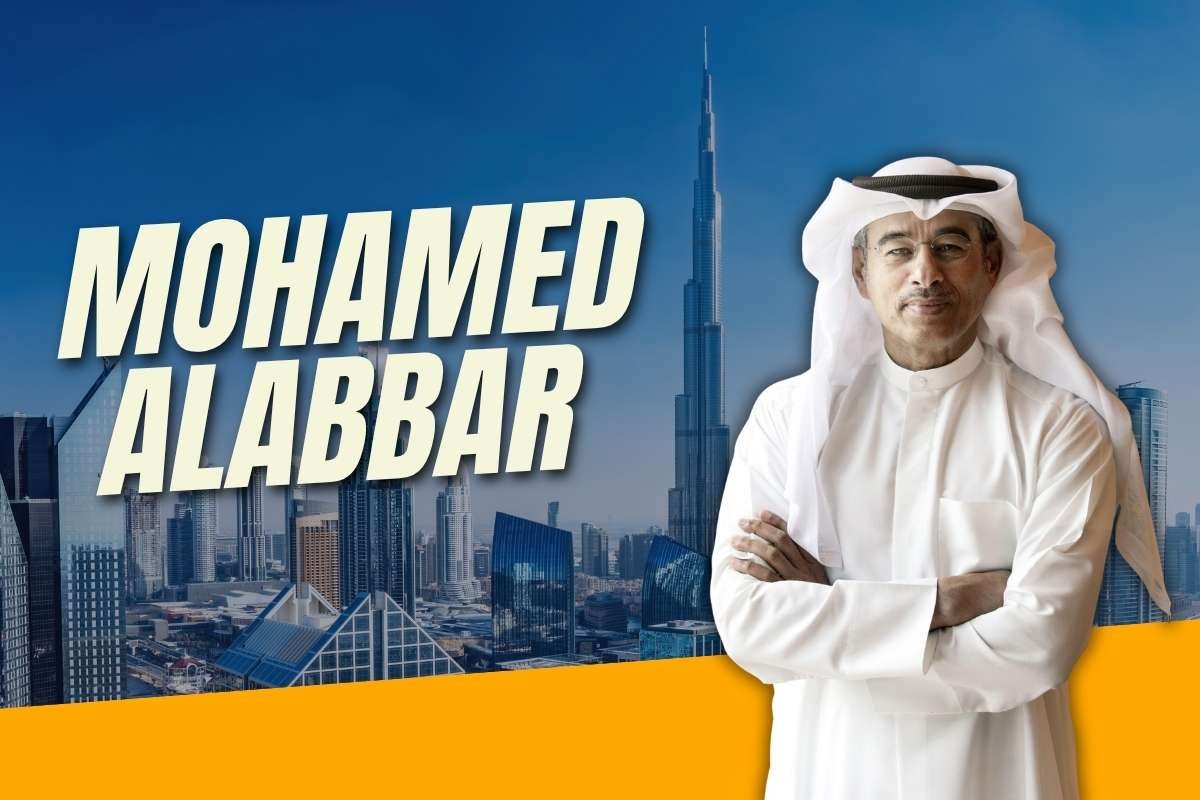
Most people see limits. Mohamed Alabbar saw an opportunity. An empty desert is silent. No noise. No movement. No promise. But here’s the twist: vision does not need proof. It needs belief.
“Why not build the tallest tower on Earth?” A question like this scares logic. It challenges comfort. It demands courage.
Sounds bold. Sounds risky. Sounds unrealistic.
Yet that’s how Mohamed Alabbar thinks. He did not wait for perfect timing. He did not ask for approval from doubt. He chose action over hesitation.
“Dreams don’t become real when they feel safe.”
From a simple background to shaping one of the most recognized skylines in the world, Mohamed Alabbar followed a different rule: think bigger than your situation.
He did not just build structures. He built statements. Every tower whispers ambition. Every project reflects belief.
That skyline people admire today? It is not just steel and glass. It is proof that one bold idea can change how the world looks at a city.
“Big visions attract big results.”
Millions stop, stare, and take photos. Few stop and ask, “Who imagined this first?”
The answer is simple: a man who refused to think small.
This is not just a business story. It is a story about mindset.
How Mohamed Alabbar built an empire. How he handled pressure. How he kept moving when things slowed down. And one important question for you, what would you build if you stopped thinking small?
Early Life and Background
Mohamed Alabbar was born at a time when Dubai looked very different from the shining city we know today. There were no tall skyscrapers, no luxury malls, and no global attention. The city was quiet, simple, and still growing. Life moved at a slower pace, and opportunities were limited compared to today.
He grew up in a modest household. His father worked as a ship captain, managing trade routes across the sea. This was not an easy job. It required long hours, responsibility, and strong decision-making. Watching his father work hard every day had a deep impact on Mohamed Alabbar. It showed him that success does not come from comfort. It comes from effort and discipline.
Money was not always abundant in his early life. The family lived carefully and valued every resource. But what they lacked in wealth, they made up for in strong values. Respect, hard work, and patience were part of daily life. These values shaped Mohamed Alabbar’s character from a young age.
As a child, Mohamed Alabbar understood something important very early: nothing comes easy. He saw how effort directly connects to survival and growth. This built a strong sense of responsibility in him. He did not grow up expecting things to be handed to him. Instead, he learned to earn everything through work.
Education became a turning point. Mohamed Alabbar moved to the United States to study at Seattle University. This experience changed his perspective completely. For the first time, he was exposed to a different way of thinking. He saw how global businesses operate, how economies grow, and how leaders make decisions.
Studying finance and business administration gave him practical knowledge. But more than that, it gave him confidence. He started thinking bigger. He realized that the world was full of possibilities, and he could be part of it.
Living abroad also taught him independence. He learned how to adapt, communicate, and compete in a global environment. These skills later became very useful in his career.
When Mohamed Alabbar returned to Dubai, he was not the same person who had left. He came back with new ideas, a broader vision, and a strong belief in growth. He did not just return with a degree in hand. He returned with ambition in his mind and determination in his heart.
This phase of his life built the foundation for everything that followed.
First Steps in Career
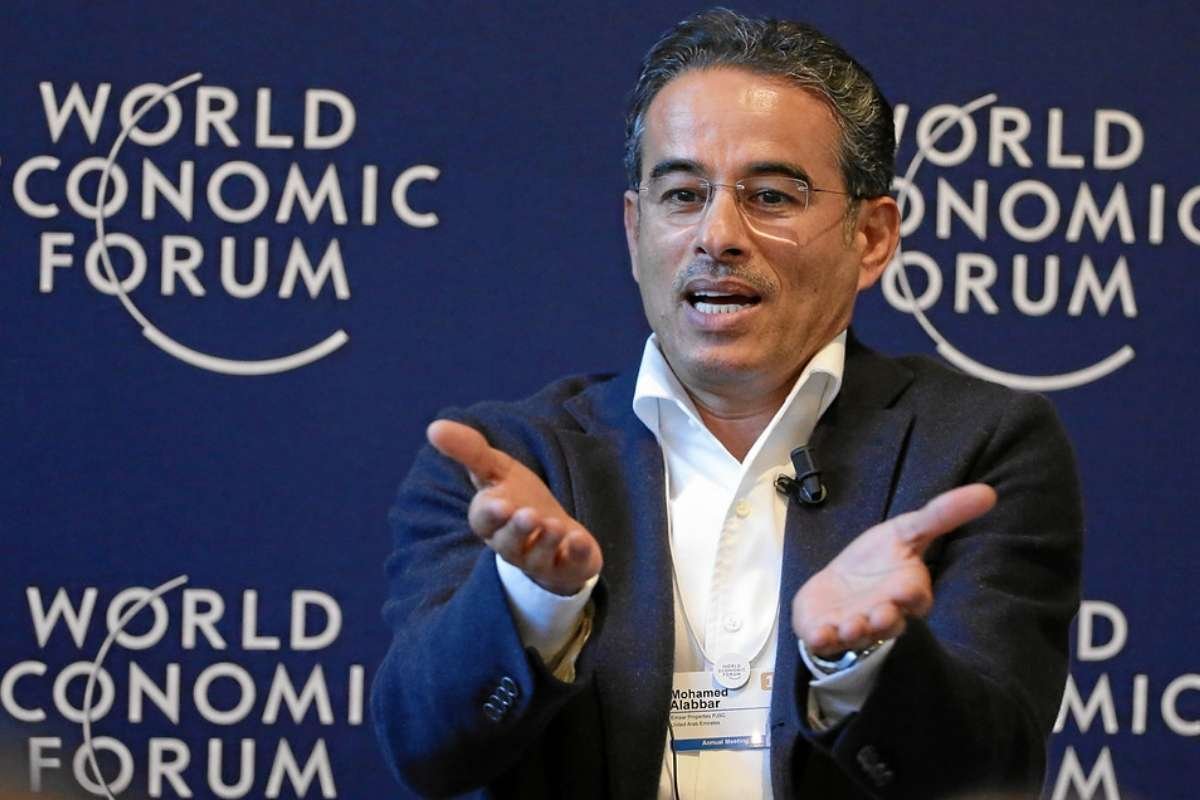
The early career of Mohamed Alabbar did not begin with business headlines or billion-dollar projects. It began quietly, inside government offices, where decisions shape the future of a country.
After completing his education, Mohamed Alabbar entered public service in Dubai. He worked in roles related to economic planning and finance. These positions may sound technical, but they gave him something far more valuable than a job title; they gave him a deep understanding of how a city actually grows.
He studied how money flows through an economy. He observed how governments attract investors. He learned how infrastructure, policy, and planning connect to create long-term development. Instead of thinking like a businessman from day one, Mohamed Alabbar first learned to think like a nation builder.
A major turning point came when he worked closely with Mohammed bin Rashid Al Maktoum. This experience shaped his mindset in a powerful way. He saw leadership at the highest level. More importantly, he saw how bold ideas turn into real-world action.
This exposure taught Mohamed Alabbar a simple but powerful lesson: vision alone is not enough. Execution is everything.
During this phase, Mohamed Alabbar also helped shape Dubai’s economic direction. The city was growing, but it needed a clear identity. Oil alone could not define its future. Dubai had to become something bigger, a global hub for tourism, business, and lifestyle.
Here is where Mohamed Alabbar began to connect the dots. He realized that growth does not happen by playing it safe. It requires bold decisions, large-scale thinking, and the courage to take risks before others believe in the idea.
These early years were not about fame or wealth. They were about learning, observing, and building a strong foundation. Mohamed Alabbar gained clarity, discipline, and confidence, the three qualities that later defined his success.
This phase quietly prepared Mohamed Alabbar for something much bigger.
The Birth of Emaar Properties
In 1997, Mohamed Alabbar took a bold step. He founded Emaar Properties.
At that time, Dubai was growing, but it was not yet the global icon we see today. There were opportunities, but also uncertainty. The real estate sector was still developing, and large-scale projects carried serious risks.
Mohamed Alabbar had a clear vision. He did not want to just build properties. He wanted to help transform Dubai into a global destination, a place where people from around the world would live, visit, invest, and dream.
This vision was ambitious. Many would have hesitated. Investors were cautious. Markets were unpredictable. Real estate projects require heavy capital and long-term commitment.
Mohamed Alabbar faced all of this.
There was no guarantee of success. There was pressure to deliver results. There were doubts from others and risks at every step. But Mohamed Alabbar did not let uncertainty stop him.
Instead, he focused on a few key principles.
First, quality. Every project had to meet high standards. Cutting corners was never an option.
Second, scale. Small projects would not change a city. Large, bold developments would.
Third, long-term value. Quick profits were not the goal. Building something that lasts was.
With this approach, Mohamed Alabbar began developing early projects. These projects were not just buildings. They were proof of concept. They showed that his vision could work.
Gradually, results started to appear. Investors gained confidence. The market responded positively. Growth followed.
Each successful project strengthened the reputation of Emaar. Each step built momentum.
Mohamed Alabbar was no longer just planning growth; he was creating it.
What started as a bold idea in 1997 began turning into one of the most powerful real estate companies in the world.
Mohamed Alabbar had not just started a company. He had started a transformation.
Major Projects That Changed Dubai
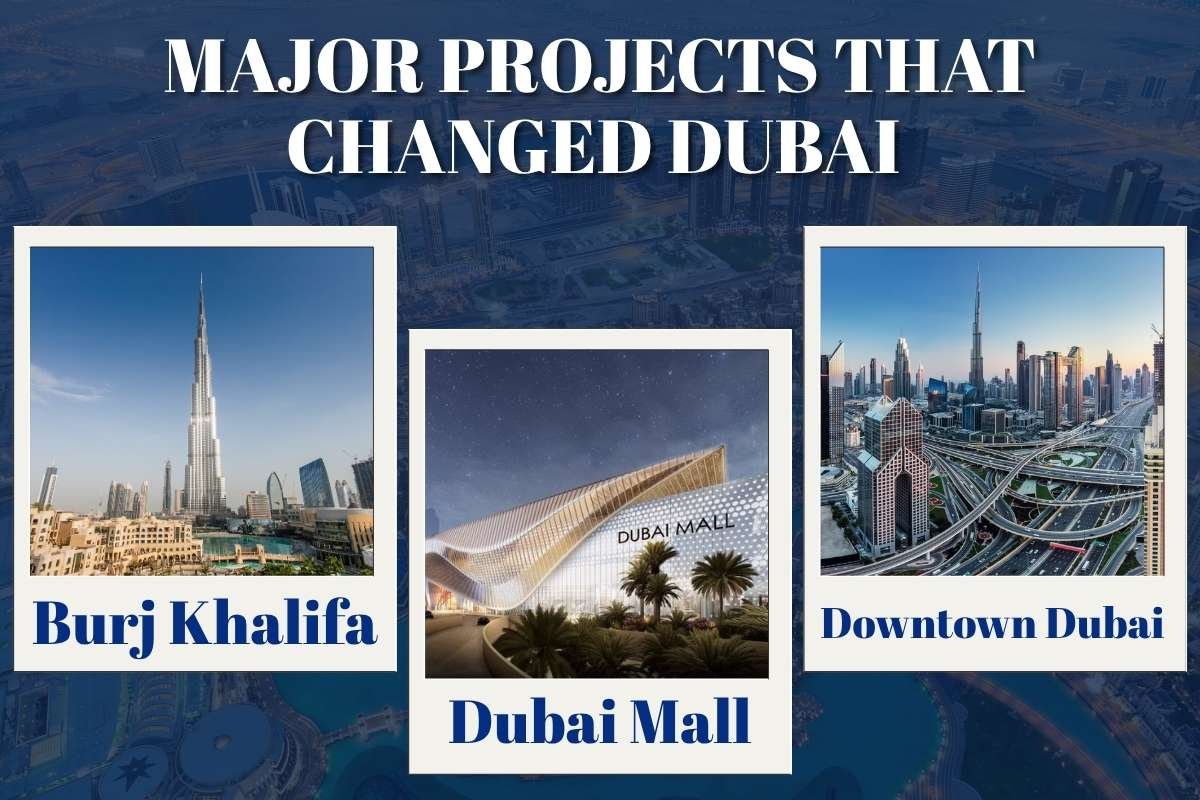
1. Burj Khalifa
The world knows Burj Khalifa.
Mohamed Alabbar led the development through Emaar. The idea sounded impossible at first. Build the tallest building on Earth? Yet Mohamed Alabbar believed scale creates attention. Attention creates value.
Today, the tower stands as a global symbol. It attracts millions. It defines Dubai.
Mohamed Alabbar turned ambition into reality.
2. Dubai Mall
Dubai Mall is not just a mall. It is an experience.
Mohamed Alabbar created a space where shopping meets entertainment. Aquariums, skating rinks, and luxury brands. Everything in one place. Tourists visit even without shopping plans. That is impact.
Mohamed Alabbar understood behavior. People seek experiences, not just products.
3. Downtown Dubai
Downtown Dubai became the heart of the city.
Mohamed Alabbar built a lifestyle destination. Homes, offices, retail, and culture blended. This project changed urban planning in the region.
Mohamed Alabbar proved cities can be designed with emotion and function.
Business Expansion and Global Ventures
Mohamed Alabbar did not limit his vision to Dubai. Once Emaar Properties became strong locally, he looked at the bigger picture, how to take the same success model to the world. He expanded into fast-growing regions across Asia, Africa, and the Middle East, where urban development was rising.
Projects in countries like India, Egypt, and Turkey helped Emaar build an international presence. These were not random expansions. Each market had strong demand for modern infrastructure, housing, and lifestyle spaces.
At the same time, Mohamed Alabbar understood that the future was not only in buildings. He entered digital business with Noon, an e-commerce platform built to compete in the online retail space.
This move showed his ability to adapt to changing consumer behavior. He also took leadership roles in the Americana Group, which operates well-known food brands across the region.
This mix of real estate, e-commerce, and food business reflects a smart diversification strategy. It reduces dependence on one industry and spreads risk. At the same time, it increases reach and influence across sectors. Instead of building just a company, Mohamed Alabbar created a wide business ecosystem that connects different industries and markets.
Mohamed Alabbar Net Worth and Achievements
- Mohamed Alabbar has an estimated net worth of $2.5-3 billion (₹20,000-₹25,000 crore).
- Founder of Emaar Properties, a global real estate giant with $7B+ annual revenue.
- Built Burj Khalifa (828m tall) and Dubai Mall (80M+ visitors/year).
- Recognized among the top Dubai real estate leaders and global business figures.
- Expanded into e-commerce (Noon) and the food business (Americana Group).
Lessons from Mohamed Alabbar’s Journey
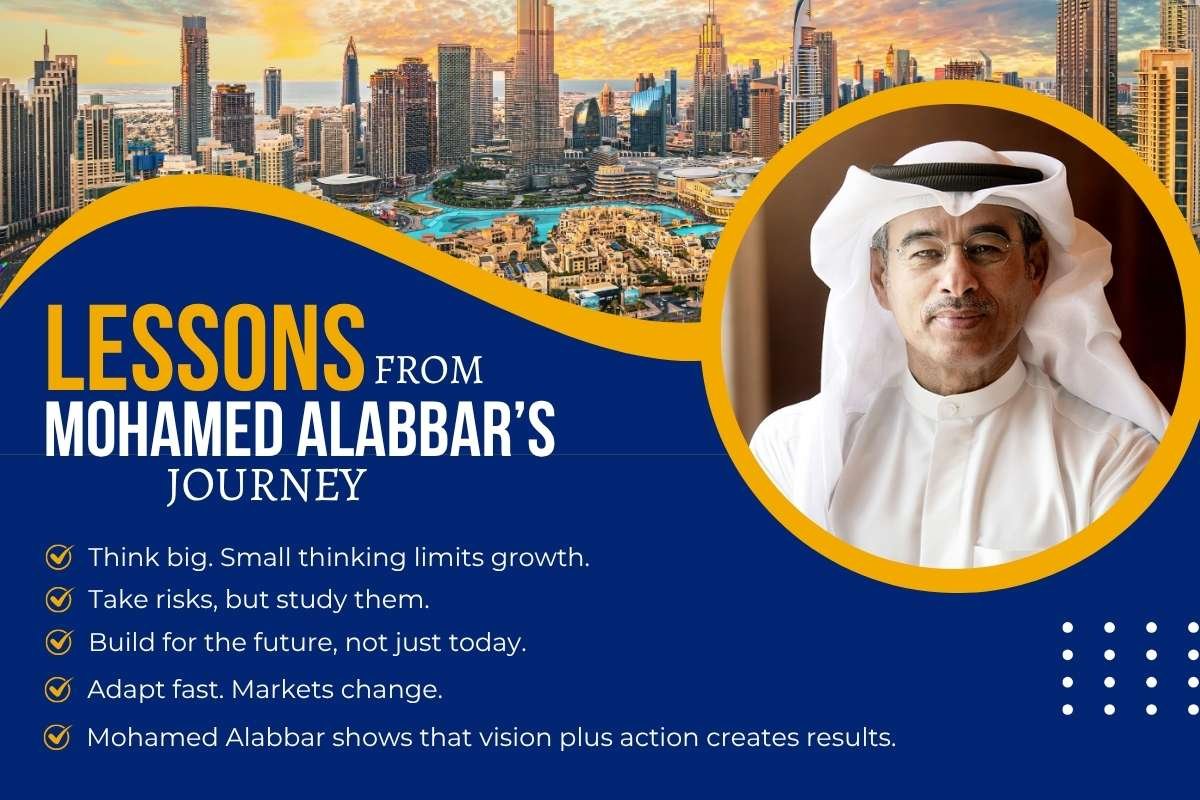
- Think big. Small thinking limits growth.
- Take risks, but study them.
- Build for the future, not just today.
- Adapt fast. Markets change.
- Mohamed Alabbar shows that vision plus action creates results.
Conclusion
Mohamed Alabbar started with limited resources but a strong belief. He saw potential where others saw limits. His journey shows that bold thinking can shape cities, industries, and global perception.
From building Emaar Properties to creating icons like Burj Khalifa, Mohamed Alabbar proved that vision needs courage. His story reminds us that success does not wait for perfect conditions.
It grows when someone decides to act, take risks, and stay consistent even when the path feels uncertain.
FAQs
Q) Who is Mohamed Alabbar?
A: Mohamed Alabbar is a UAE businessman and the founder of Emaar Properties, known for developing Burj Khalifa and Dubai Mall.
Q) What is Mohamed Alabbar’s net worth?
A: Mohamed Alabbar’s net worth is estimated in billions, built through real estate, retail, and global investments.
Q) What companies does Mohamed Alabbar own?
A: Mohamed Alabbar leads Emaar Properties and has stakes in Noon and Americana Group.
Q) Is Mohamed Alabbar the founder of Emaar?
A: Yes, Mohamed Alabbar founded Emaar Properties in 1997.
Q) What are his most famous projects?
A: His most famous projects include Burj Khalifa, Dubai Mall, and Downtown Dubai.
Thanks for reading
see next
“Hussain Sajwani’s Success Story That Inspires Every Future Entrepreneur“