Key Takeaway:
- The clash between Elon Musk and Sam Altman could set courtroom precedents for how AI companies like OpenAI are governed.
- The case highlights a core dilemma: public-interest mission vs the need for massive funding and corporate backing (including Microsoft).
- The verdict may reshape how future AI firms are structured, funded, and regulated globally.
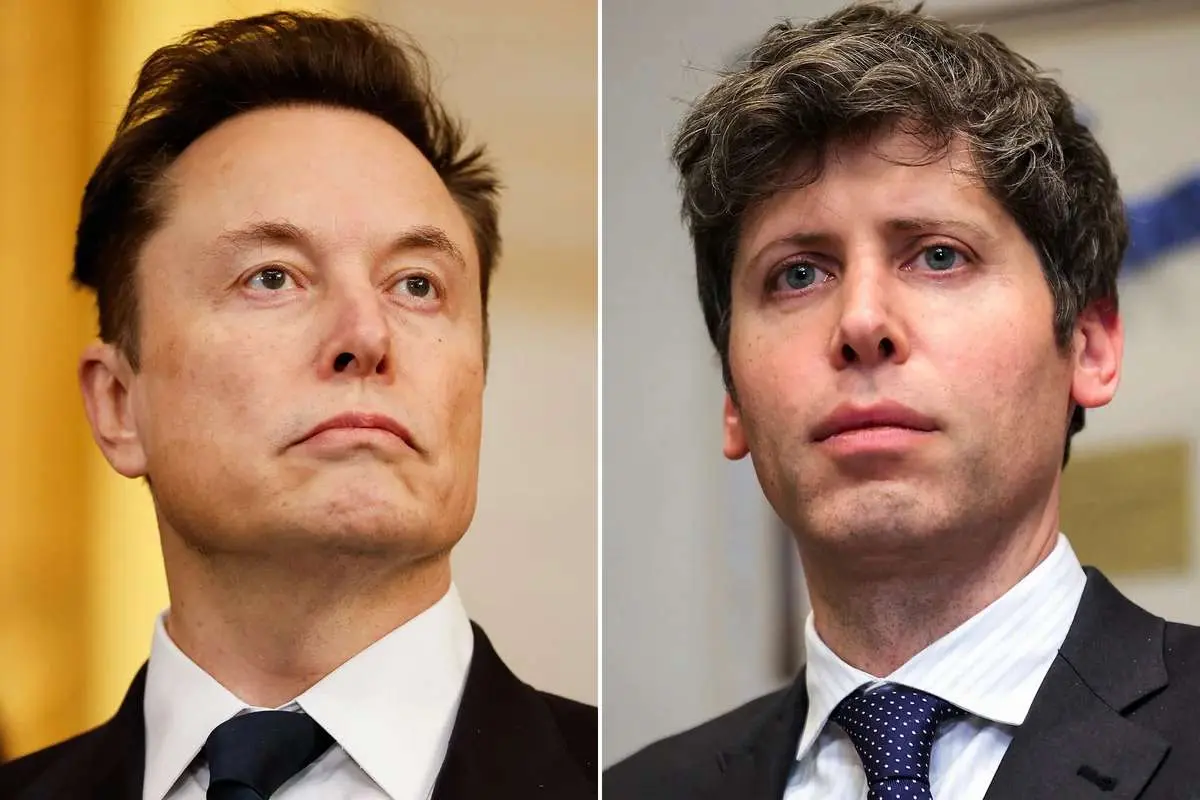
A high-profile legal battle between Elon Musk and Sam Altman is set to play out in California, placing OpenAI at the center of one of the most consequential disputes in the technology sector. What began as a shared mission to build safe and beneficial artificial intelligence has now evolved into a contentious courtroom clash, with Musk vs Altman emerging as a defining conflict over governance, ethics, and control.
OpenAI was founded in 2015 as a nonprofit initiative with the stated goal of ensuring that artificial intelligence serves humanity. Musk, one of its early backers, has argued that the organization has deviated from that founding principle. His lawsuit claims that the company’s transition toward a profit-driven structure undermines its original mission and raises serious concerns about accountability.
The dispute reflects a dramatic breakdown in the relationship between Musk and Altman. Once aligned in their ambition to guide the development of advanced AI, the two now represent competing visions, with Musk vs Altman highlighting the divide between an open, public-benefit approach and a commercially driven model designed to sustain innovation at scale.
As the case moves forward, it is not only the credibility of individuals at stake, but also the broader question of whether mission-driven tech organizations can maintain their founding ideals while competing in a capital-intensive industry.
Legal Arguments and Industry Stakes
The trial is expected to draw intense attention, with potential testimony from leading figures in the tech industry, including Satya Nadella. The involvement of Microsoft underscores the deep financial and strategic ties that have helped OpenAI expand its capabilities and global reach.
In a key development ahead of the proceedings, Musk dropped certain fraud allegations, narrowing the focus of the case to claims such as breach of trust and unjust enrichment. This shift is widely seen as a strategic move to strengthen the legal core of his argument by concentrating on whether OpenAI violated its foundational commitments.
Musk’s case centers on the claim that OpenAI’s hybrid structure, combining nonprofit origins with for-profit operations, has effectively shifted control toward corporate interests, a concern that sits at the heart of Musk vs Altman and raises broader questions about governance in AI organizations.
OpenAI, however, strongly disputes these claims. The company argues that the immense cost of developing cutting-edge AI systems necessitated a structural evolution that could attract large-scale investment. Without such changes, it contends, competing in the rapidly advancing AI landscape would have been nearly impossible.
Legal analysts suggest that the outcome of the case remains uncertain. While Elon Musk’s arguments highlight critical governance questions, the court may ultimately favor practical considerations around funding and operational sustainability. Even in the event of a partial victory for Musk, the result is more likely to involve targeted reforms rather than a complete restructuring of the organization, with Musk vs Altman continuing to shape the broader legal narrative.
Wider Implications for AI Governance
Beyond the immediate legal stakes, the Musk–Altman dispute raises fundamental questions about the future of artificial intelligence and the responsibilities of those who build it. At its core, the case highlights a growing tension between public-interest ideals and commercial realities in the tech industry.
OpenAI’s rapid rise has positioned it as a central player in the global AI race, influencing sectors from business and education to healthcare and entertainment. With such influence comes increasing scrutiny over how decisions are made and who ultimately benefits from the technology.
The trial could set an important precedent for how courts interpret the obligations of organizations that begin as nonprofits but later adopt profit-oriented models, with Musk vs Altman potentially shaping how future AI ventures balance innovation with ethics and public trust.
More broadly, the case reflects a shift in how society views the governance of transformative technologies. As artificial intelligence becomes more powerful and pervasive, questions about transparency, accountability, and control are moving to the forefront of public debate, and Musk vs Altman stands as a defining moment in that broader conversation.
In this context, the courtroom clash between Musk and Altman is more than a personal or corporate dispute; it is a defining moment for the AI industry. The outcome could shape not only the future direction of OpenAI but also the broader framework within which artificial intelligence is developed and deployed in the years to come.