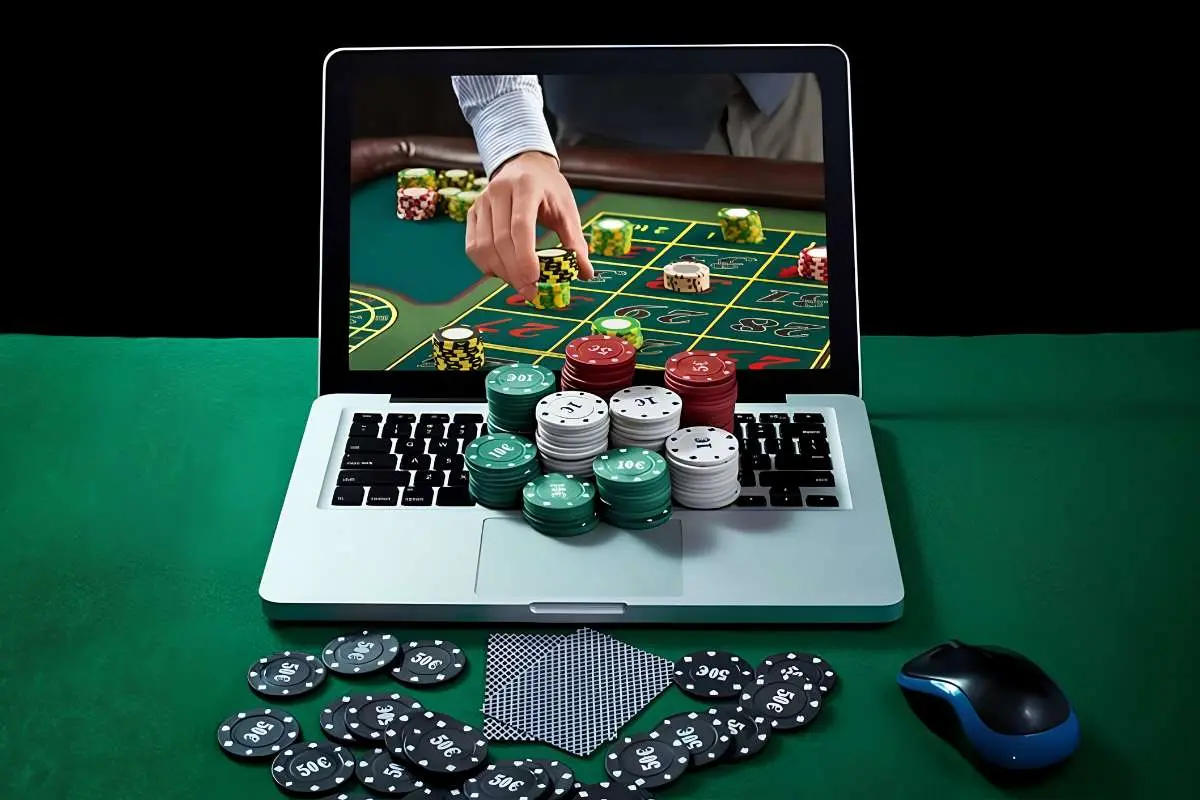
Poland’s online casino sector sits in a distinctive position within Europe, where strong state oversight meets steady consumer demand for wider digital access. The country maintains one of the strictest regulatory frameworks in the European Union, built around a monopoly model that limits legal operations to a single state-owned provider. In 2025, the regulated segment of online casinos in Poland generated well over €1.5 billion in gross gaming revenue, although industry estimates suggest that a comparable share of activity still flows through unlicensed offshore platforms.
This structure reflects a long-standing policy focus on reducing gambling-related harm, as well as maintaining clear fiscal visibility across the sector. At the same time, you can observe that digital behavior does not always follow regulatory boundaries, as users move easily across platforms in a connected market. The result is a system that appears stable on the surface, although it faces growing pressure as technology advances, as expectations shift and as access becomes harder to contain.
Taxation debates and player realities
Taxation continues to sit at the center of Poland’s gambling debate, particularly when you look at how player winnings are treated under current rules. In policy discussions, podatki od wygranych w kasynie (in Polish, meaning taxes on casino winnings) has gained renewed attention, as lawmakers revisit how tax structures influence both user behavior and overall market balance. A flat rate of around 10% on winnings remains in place, following a rejected proposal to increase that level to 15% due to concerns about unintended outcomes.
You can see how even a small adjustment creates ripple effects, as higher taxes may encourage some users to explore alternatives that fall outside the regulated framework. This dynamic highlights how taxation operates as both a revenue mechanism and a subtle behavioral influence. It also illustrates how fiscal policy connects directly to user choice, which makes every adjustment politically sensitive and economically significant.
The persistence of offshore competition

Offshore platforms continue to be meaningful in how Polish users engage with online casino content, even under strict domestic controls that aim to limit access. Many international operators hold licenses in other jurisdictions, which allows them to offer broader game libraries, more flexible promotions and a wider range of payment methods. These features often appeal to users who feel constrained by the domestic system, so you can begin to understand why cross-border activity remains persistent.
Enforcement measures such as domain blocking and payment restrictions have been introduced to regulate online casinos in Poland, although they have not fully closed access routes. This creates a situation where regulated supply stays limited within Poland, as demand flows outward toward platforms that better align with user expectations. Over time, this pattern has become a defining feature of the market, which adds pressure to consider whether current controls match real-world behavior.
Technology, payments and user experience
Technology continues to influence how the Polish online casino market develops, particularly across payments, mobile access and overall platform experience. Financial controls within Poland create friction in certain transactions, especially when users attempt to interact with operators that fall outside the licensed system. This friction has encouraged the use of alternative payment methods, including e-wallets and cryptocurrencies, which offer faster processing and greater flexibility.
From your perspective as a user or observer, convenience often becomes a deciding factor, as seamless access can outweigh formal regulatory considerations in everyday decisions. Platform design also plays a part, as intuitive interfaces and responsive mobile domains contribute to stronger engagement. As digital infrastructure improves across Europe, these technological elements continue to influence how users navigate between different types of platforms, which reinforces the idea that experience matters as much as regulation.
Reform pressure and policy direction

Pressure for reform has been building gradually across Poland’s gambling sector, as policymakers respond to both economic considerations and the limits of enforcement in a digital environment. The earlier proposal to increase taxation on winnings brought these tensions into focus, as concerns about expanding the unlicensed market led to a decision against the change. You can see how cautious the approach has become, as even modest adjustments carry the risk of shifting user behavior in unintended ways.
At the same time, broader European trends point toward more open licensing systems that aim to bring demand into regulated channels. This contrast places Poland in a position where it must weigh stability against adaptability, which is not a simple calculation. Ongoing discussions suggest that the current framework remains under review, as policymakers look for ways to align control with practical realities without undermining core policy objectives.
What the future may realistically hold?
The future of online casinos in Poland will likely depend on how policymakers respond to the gap between regulatory intent and actual market behavior. A gradual move toward a hybrid model, where selected private operators gain limited access under strict licensing rules, remains one possible direction that continues to be discussed within industry circles. At the same time, the existing monopoly structure provides predictable oversight and consistent public revenue, which makes any major transition a complex decision.
You can view the market as one defined by ongoing tension, as control and accessibility continue to pull in different directions over time. Incremental adjustments appear more likely than sweeping reform, as each step must balance economic outcomes with social considerations. Ultimately, this suggests that Poland will continue refining its approach, as it navigates a digital gambling landscape that resists simple containment within national boundaries.