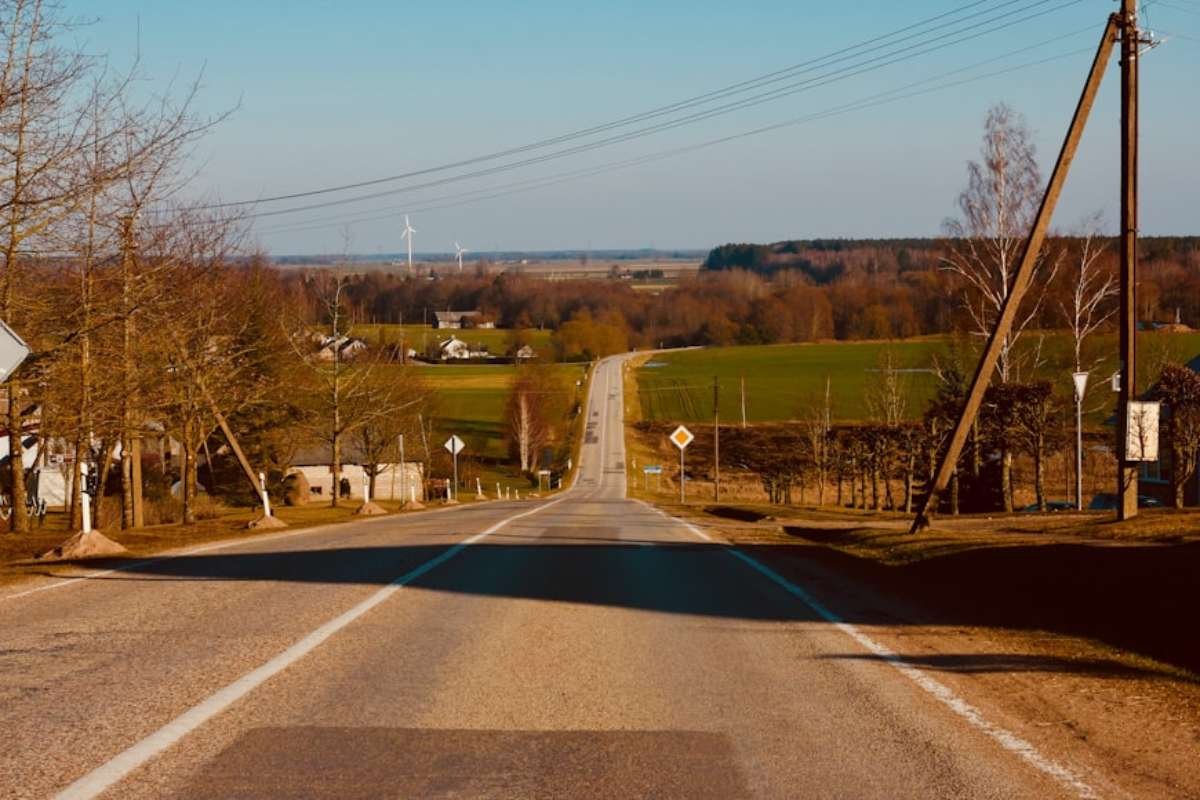
If you live in a small town or rural community, you probably already know the story: long waits to see a doctor, hours-long drives to the nearest hospital, and a constant struggle to get specialized care. Rural America has been facing a healthcare provider shortage for years, and it’s not just an inconvenience. It’s a serious public health issue.
But here’s the good news: the rise of online nurse practitioner programs in Oklahoma and other areas is beginning to shift that narrative. These flexible, accessible education options are helping more nurses in rural areas level up their training without leaving their communities behind. In turn, they’re coming back to serve those same areas, closing gaps in care, one patient at a time.
The Rural Healthcare Challenge
Let’s start with the basics. Nearly 20% of Americans live in rural areas, but only about 10% of physicians practice there. As a result, there are fewer clinics, more overworked providers, and too many people forced to go without care (especially for chronic conditions like diabetes, heart disease, or mental health issues).
It’s not that rural communities don’t need care; they often need more of it. Populations are aging, hospitals are closing, and transportation can be a major barrier. Add to that a persistent shortage of primary care providers, and the need for creative solutions becomes clear.
Enter the Nurse Practitioner

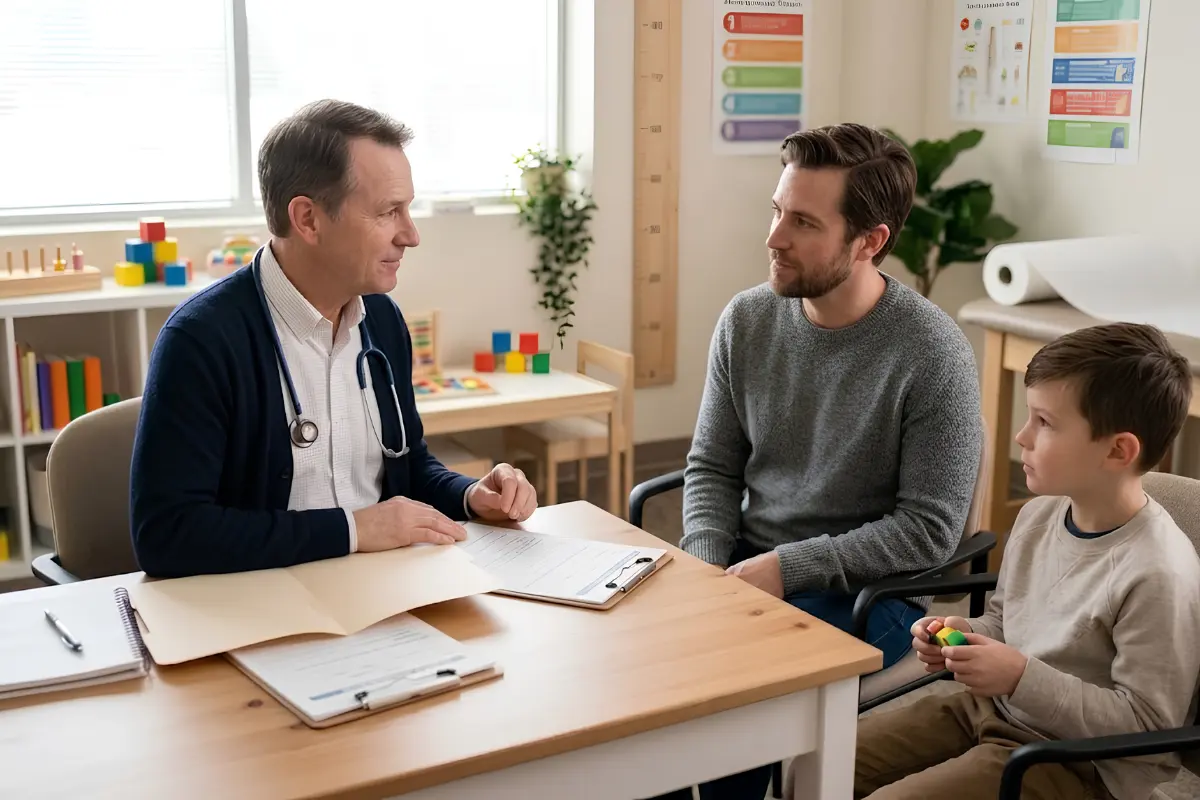
Nurse practitioners (NPs) are playing a growing role in addressing healthcare shortages across the country. With advanced clinical training, NPs can diagnose illnesses, prescribe medications, manage treatment plans, and provide patient-centered primary and specialty care.
In many states, NPs are authorized to practice independently, especially in underserved areas where physician coverage is limited. They’re not a temporary solution; they are a vital part of the healthcare workforce.
Becoming a nurse practitioner requires a master’s or doctoral degree, which traditionally meant relocating to a university, quitting a job, or disrupting family life. Fortunately, Online nurse practitioner programs now exist, helping these nurses, who are often already stretched thin, overcome those obstacles.
That’s where online NP programs come in.
Learning Without Leaving
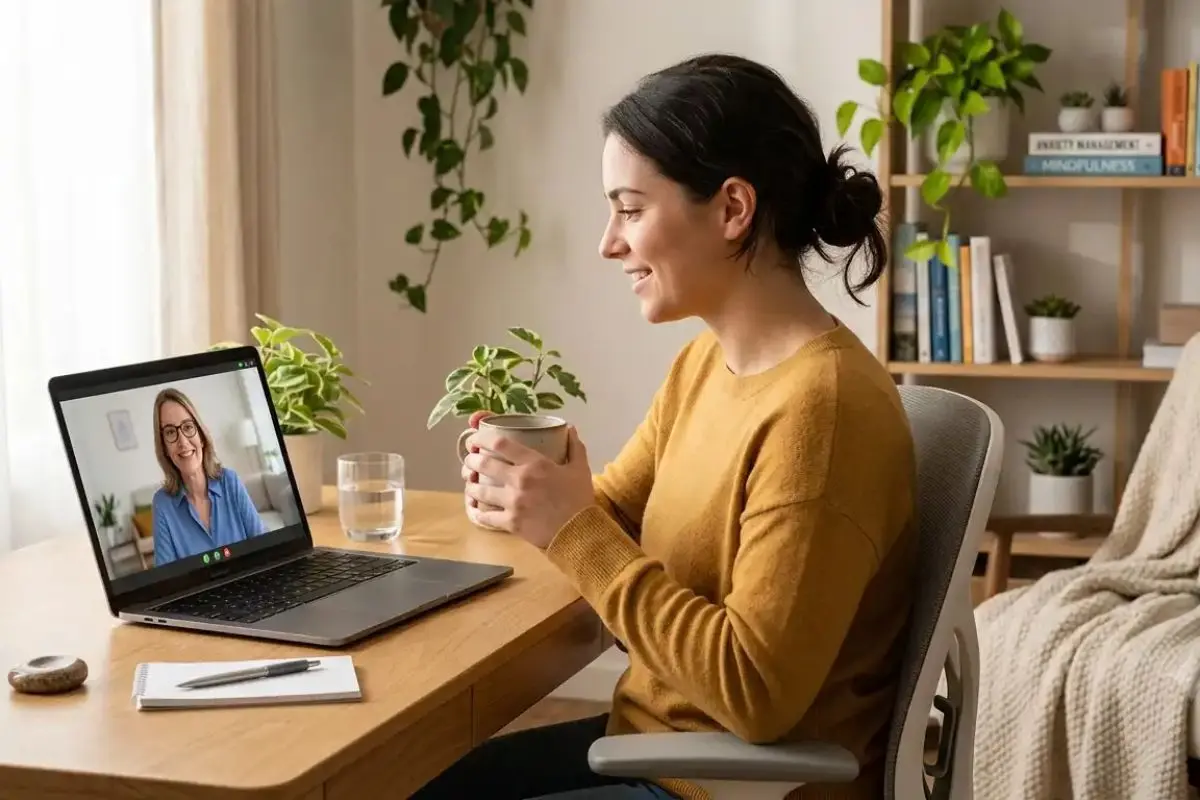
Online nurse practitioner programs are breaking down long-standing barriers in healthcare education. These programs allow registered nurses (RNs) to complete advanced coursework from home, on their schedule, while continuing to work in their local clinics or hospitals.
Students typically complete most of their lectures, assignments, and discussions online, while hands-on clinical rotations are arranged in nearby healthcare settings. That means the student in a rural area can become an NP without uprooting their life.
A Pipeline of Local Providers
One of the key benefits of online programs is that they help build a local pipeline of healthcare providers. When students are trained where they live, they’re more likely to stay and practice there after graduation. That’s a big deal, especially in rural areas where recruiting outside talent can be difficult.
Healthcare employers like rural hospitals, community health centers, and tribal clinics increasingly see online NP programs as a long-term investment. Some even offer tuition assistance or flexible schedules to support staff members pursuing advanced degrees. They understand that empowering and promoting their own providers is one of the best ways to ensure continuity of care.
Supporting Rural Health Needs
Online NP programs are also preparing students to tackle the unique challenges of rural healthcare. Many offer tracks in family practice, psychiatric-mental health, pediatrics, and adult-gerontology, aligning with the most pressing needs in rural populations.
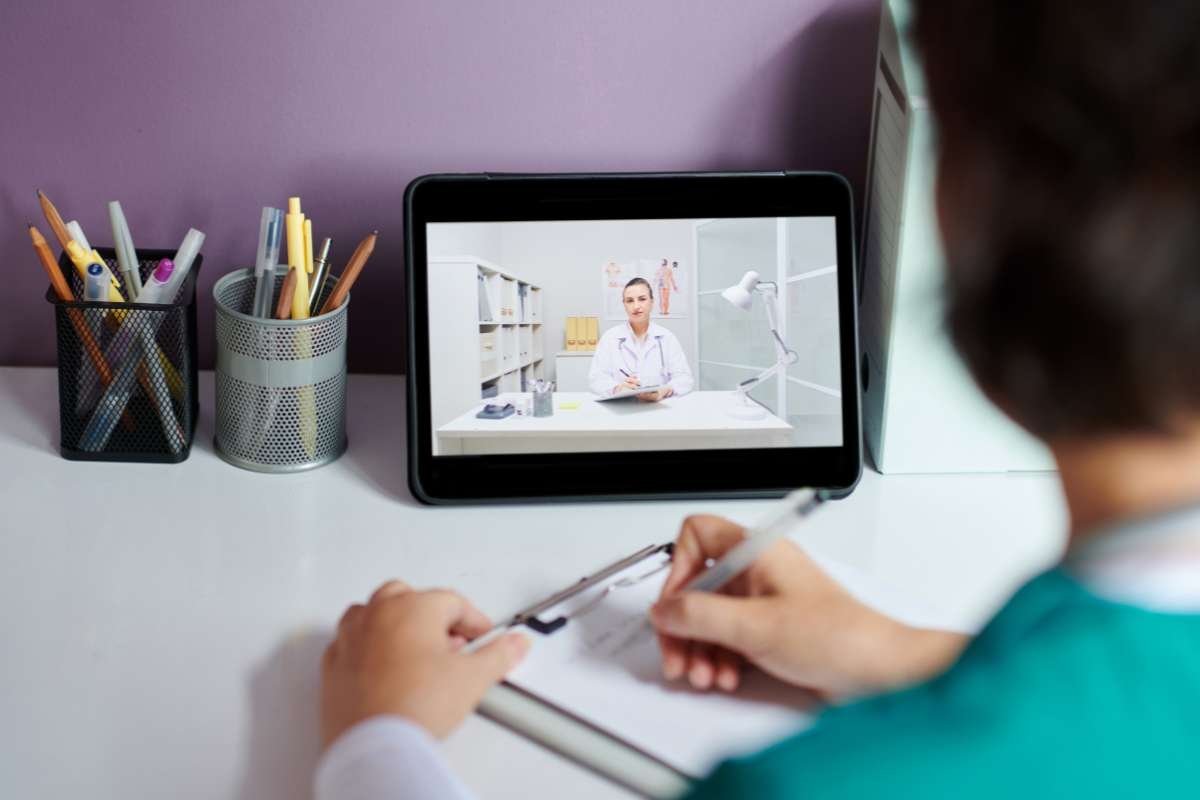
Mental health care, in particular, has become a critical focus. Rural areas often have little or no access to licensed therapists or psychiatrists, but nurse practitioners trained in mental health can help fill that gap. Telehealth is also playing a growing role, and many online programs integrate technology and remote care training into their curriculum.
This results in more adaptable, tech-savvy providers who understand the communities they serve.
Challenges Still Exist
While online NP programs are opening doors, the path isn’t always easy. Students in rural areas may still face challenges with reliable internet access, limited preceptor availability, or juggling school with full-time jobs and family obligations.
There are also regulatory hurdles to navigate. Some states have restrictive practice laws that limit what NPs can do without physician oversight. However, there’s been a slow but steady shift toward expanding NP authority, particularly in states that feel the impact of provider shortages most acutely.
The Rural Road Ahead
Closing the rural healthcare gap is a long-term effort, but online nurse practitioner programs are definitely helping to bridge the distance. By making advanced training more accessible, these programs are empowering local nurses to step into leadership roles and stay rooted in the communities that need them most.
As more rural nurses become nurse practitioners, they’re not just earning degrees. They’re becoming advocates, problem-solvers, and providers who deeply understand the people they care for. And in small towns across America, that can make all the difference.