
By radically changing how components are cataloged, priced, and sourced, Online Used Auto Parts Marketplaces have completely disrupted the automotive aftermarket.
Online used-parts marketplaces change that search. Individual sellers can expose their stock to a wider audience, while buyers can compare listings without treating geographical proximity as the only practical route to a replacement.
The resulting shift is not simply a move from counters to screens. It changes how components are described, priced, selected and returned, bringing both greater visibility and new responsibilities for everyone involved in the transaction.
For drivers, the potential benefit is access to alternatives when a repair looks expensive or a new component is difficult to obtain. For workshops, the challenge is turning a promising online listing into a dependable installed result.
Wider visibility helps stock find a buyer
A used component is usually an individual item rather than an interchangeable unit from a uniform production batch. Its donor history, condition and included accessories can differ from another listing carrying the same general description.
That makes accurate cataloguing central to the marketplace model. A useful listing connects the physical item to identifying numbers, donor details and photographs, allowing a buyer to investigate suitability before arranging delivery.
Vehicle identity provides a first layer of context. The NHTSA VIN decoder demonstrates the value of structured manufacturer information, although confirming a specific part may still require additional codes and inspection of the original assembly.
Accurate descriptions matter more than broad search terms
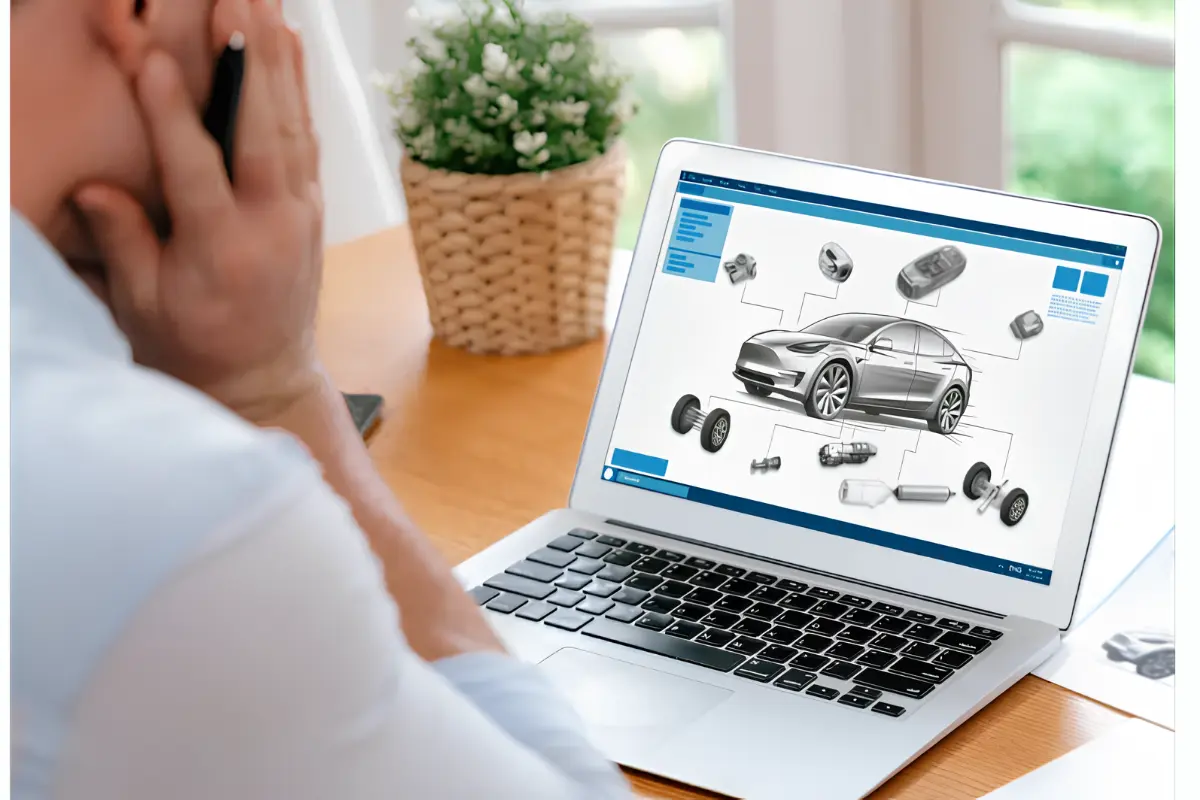
Search tools can make that information easier to navigate. Filters for model, engine or component type reduce the volume of irrelevant results, but they cannot correct a seller’s inaccurate description or supply missing evidence about condition.
The quality of the listing therefore becomes a commercial asset. A component with clear identification and useful photographs may be more attractive than a cheaper example whose suitability remains uncertain.
Price visibility also changes expectations. Buyers can see a broader range of asking prices, while sellers face comparison with stock held in other regions, making unexplained differences more noticeable.
Those comparisons still require care. One assembly may include accessories that another excludes, and delivery, tax or return costs can alter the final amount paid even when the headline prices appear similar.
Search terms can be misleading. Searching for a reconditioned car engine for sale may bring up a category of used engines, so check each listing for evidence that the engine has actually been reconditioned.
Used and reconditioned are not interchangeable promises. The buyer needs to establish what work, testing or preparation has actually been completed and whether the supplier’s description is supported by evidence.
That distinction is particularly important for complete assemblies. An engine can be offered with different levels of equipment attached, and a photograph alone may not settle which components are included in the price.
For a workshop, incomplete information can turn a convenient purchase into lost time. An item that arrives without an expected accessory may delay installation, require another order or create a dispute about what the listing meant.
Trust depends on evidence and clear responsibility
Traditional local suppliers often build trust through repeated personal transactions. To support that same confidence across greater distances, Online Used Auto Parts Marketplaces must utilize clear seller identities, accurate records, and practical dispute processes.
Ratings can help, but they need interpretation. A seller’s performance on small trim items may not fully describe its preparation of major mechanical assemblies, and a high score cannot replace evidence about the particular part being purchased.
Testing descriptions should be specific. A component described as checked may have undergone visual inspection, operational testing or something more extensive, and those are different levels of assurance.
The buyer also needs to understand the platform’s role. A marketplace may facilitate discovery, payment or communication without being the business that dismantled, inspected or guaranteed the component.
Clear responsibility becomes especially important after a problem. The owner should know whom to contact, what evidence is required and which business decides whether the supplied item qualifies for return or replacement.
Delivery and installation affect the real cost

Heavy components make logistics part of the engineering decision. Suitable packaging, handling arrangements and inspection on arrival affect whether an otherwise appropriate assembly reaches the workshop in usable condition.
Installation should not begin before obvious discrepancies are resolved. Checking identification markings and visible condition at delivery can prevent a returnable mismatch becoming a more complicated dispute after labour has already been spent.
The total repair cost remains the meaningful measure. Purchase, delivery, preparation, fluids, installation and any programming need to be considered together, along with the consequences if the replacement does not perform as expected.
Some garages prefer to source parts themselves because they can manage that chain more consistently. Others will install customer-supplied items under specific terms, making an early discussion with the workshop essential.
Cross-border buying introduces further practical questions. Language, delivery arrangements, applicable terms and the cost of returning a heavy item should be understood before an apparent price advantage becomes a commitment.
An owner may also need help interpreting a listing that uses a different naming convention. Matching identification numbers is generally more useful than relying on a translated description that groups several related components together.
Reuse can support a more circular supply chain

Reuse can provide an environmental benefit when it keeps a serviceable component working and displaces a suitable new purchase. The EPA waste guidance provides broader context for reducing waste, although it does not certify the environmental impact of an individual automotive transaction.
The actual outcome depends on condition, transport, remaining life and the work required to make the component usable. A failed or unsuitable item shipped repeatedly does not deliver the same result as a well-matched part that gives years of service.
There are benefits for sellers as well as buyers. Better stock visibility can connect an uncommon component with someone who needs it, making detailed cataloguing worthwhile where a local market alone might be too small.
Marketplaces are changing aftermarket operations
That opportunity also creates operational demands. Stock must be updated when sold, photographs must remain connected to the right item and staff need reliable procedures for recording and dispatching components.
Platforms can improve the experience by making uncertainty visible. A missing mileage figure, an untested condition or an excluded accessory should be easy to notice before payment, rather than buried where only an experienced buyer would think to look.
That transparency supports reputable sellers as well. Businesses that invest in accurate descriptions benefit when buyers can distinguish their work from listings that offer little more than a low price and a generic photograph.
Marketplaces therefore change the work of the aftermarket rather than remove it. Knowledge of compatibility, honest condition assessment and dependable fulfilment become more valuable when a business serves customers who cannot inspect the stock in person.
The strongest disruption is the reduction of information gaps between useful stock and a repair that needs it. When that visibility is supported by verification and clear responsibility, online used auto parts marketplaces can make more repairs practical without asking buyers to accept uncertainty blindly.
Read More: Used Car Auctions: Why It’s Profitable