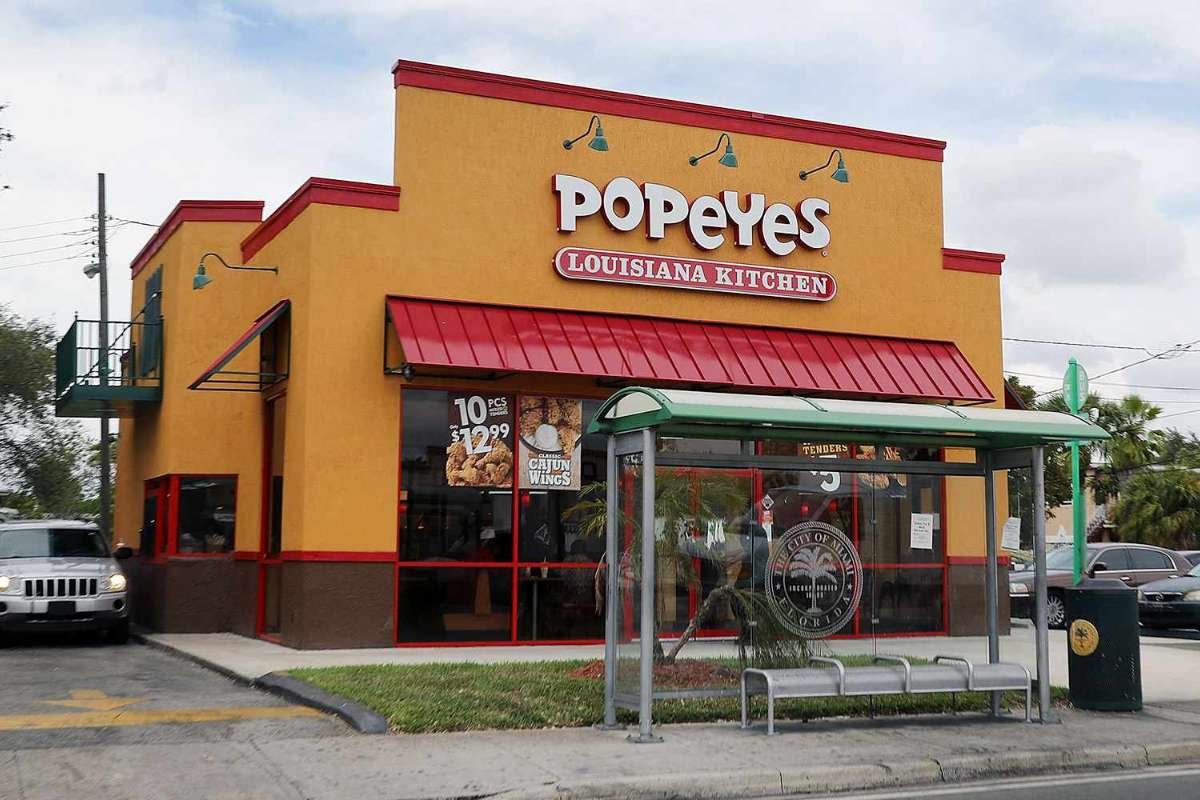
A wave of Popeyes closures has followed the bankruptcy filing of one of the largest franchise operators of Popeyes Louisiana Kitchen in the United States. The development comes after franchisee Sailormen Inc. sought Chapter 11 bankruptcy protection, citing mounting debt and rising operational costs.
Based in Miami, Sailormen had been operating more than 130 Popeyes outlets across the southeastern United States, particularly in Florida and Georgia. The bankruptcy filing has already resulted in several restaurant closures as the company begins restructuring its business and reviewing the performance of individual locations.
Court filings indicate that roughly 20 restaurants connected to the franchisee have shut down so far, with additional outlets expected to be reviewed as part of the restructuring process. Many of these closures involve underperforming locations where operating costs have exceeded revenue.
The bankruptcy process allows the company to continue running its remaining outlets while renegotiating leases, restructuring debt, and evaluating the long-term viability of its restaurant network. For now, many locations linked to the franchise operator remain open as the company works through its financial recovery plan.
Rising Costs and Industry Pressures
The financial strain faced by Sailormen reflects broader pressures affecting parts of the fast-food industry in recent years. Operators have been dealing with rising inflation, higher labor costs, and increased expenses for ingredients and logistics, all of which have tightened profit margins.
According to financial disclosures tied to the bankruptcy filing, the franchisee carries more than $130 million in liabilities. Debt obligations, combined with declining customer traffic in some markets, have made it difficult for the company to sustain certain locations.
Industry analysts note that franchise businesses often operate on thin margins, meaning economic shifts can quickly impact profitability. Higher interest rates have also increased borrowing costs, adding further strain on companies that expanded aggressively through loans or leases.
In addition to these economic pressures, Sailormen has reportedly faced legal and financial disputes that have compounded its challenges. Attempts to sell certain restaurant assets in recent years did not materialize as planned, leaving the company with fewer options to reduce its debt burden.
The Popeyes Closures highlight the difficult balancing act many restaurant operators face as they navigate changing consumer spending habits and rising operating expenses.
Brand Stability Despite Franchise Turmoil
While the bankruptcy has affected several outlets, the broader Popeyes brand remains largely stable. Restaurant Brands International, the parent company of Popeyes, oversees thousands of restaurants worldwide through a franchise model, meaning individual operators manage most locations.
As a result, the financial struggles of one franchisee do not necessarily reflect the performance of the overall brand. Many Popeyes restaurants across the United States and globally continue to operate normally.
The restructuring process could eventually lead to the sale or transfer of some Sailormen-operated restaurants to new franchise owners. Such transitions are common in franchise systems, where corporate leadership works to maintain brand presence even when individual operators encounter financial trouble.
The situation also unfolds during an intensely competitive period within the fast-food chicken market, where chains are investing heavily in menu innovation, digital ordering systems, and new restaurant openings.
For now, the fate of several Popeyes locations tied to Sailormen remains uncertain as bankruptcy proceedings continue. With Popeyes closures are drawing increased attention across affected markets. However, industry observers suggest that the long-term outlook for the brand itself remains strong, supported by global demand and ongoing expansion across multiple markets.