For fleet managers, achieving maximum vehicle uptime and operational efficiency is a constant challenge. Time spent traveling to refueling stations, administrative overhead for tracking fuel usage, and the risks associated with improper fuel handling all represent high costs.
Portable fuel tanks offer a strategic solution, transforming fuel management from a logistical burden into a streamlined, cost-saving asset. By enabling on-site refueling, these mobile storage units can enhance productivity, improve security, and provide critical flexibility for dynamic fleet operations.
Here’s why every fleet should use a portable fuel tank.
Ensuring Safety, Compliance, and Environmental Protection
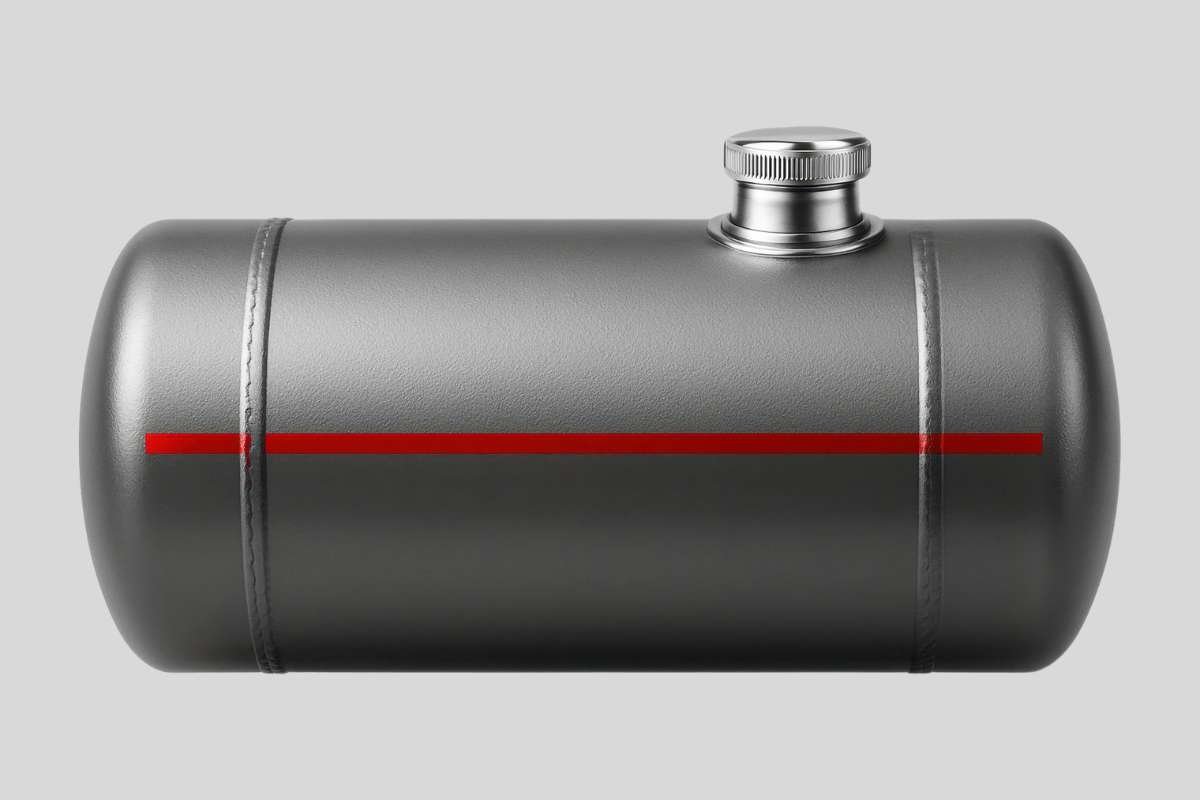
Professional portable fuel tanks are engineered to meet stringent safety and environmental regulations, providing a safer alternative to traditional jerry cans or makeshift storage solutions. Reputable manufacturers design tanks with critical safety features such as double-walled (bunded) construction to contain spills, secure locking mechanisms, pressure relief valves, and fire-resistant materials. For example, many providers design their mobile tanks with 60-minute fireproof insulation and secure locking cabinets, significantly enhancing on-site safety.
Using compliant equipment minimizes the risk of accidental spills, which can lead to severe environmental contamination, hefty regulatory fines, and increased insurance liability. By providing a dedicated, secure, and approved method for fuel handling, portable tanks can protect both employees and the business from the dangers associated with improper fuel transfer and storage.
However, for those wanting to learn more about how portable fuel tanks can ensure safety, compliance, and environmental protection, they may check out reputable online resources like thepetroltankcompany.co.uk or consult with professionals.
Eliminating Downtime and Enhancing Operational Efficiency

The primary advantage of adopting portable fuel tanks is the substantial increase in fleet productivity. When drivers are required to detour to commercial fueling stations, it introduces unavoidable delays. These trips involve the travel time, waiting in queues , and the manual refueling process, which collectively can amount to hours of lost productivity each week.
Portable tanks can solve this problem by bringing the fuel depot directly to the fleet’s home base. Vehicles can be refueled on-site, often overnight or during scheduled downtime, ensuring every vehicle departs fully fueled. This approach can effectively add hours of productive driving time to each vehicle’s schedule. For industries like construction or logistics, where strict deadlines are paramount, this continuous operational readiness can directly translate to more jobs completed and higher customer satisfaction.
Achieving Tangible Cost Control and Financial Oversight
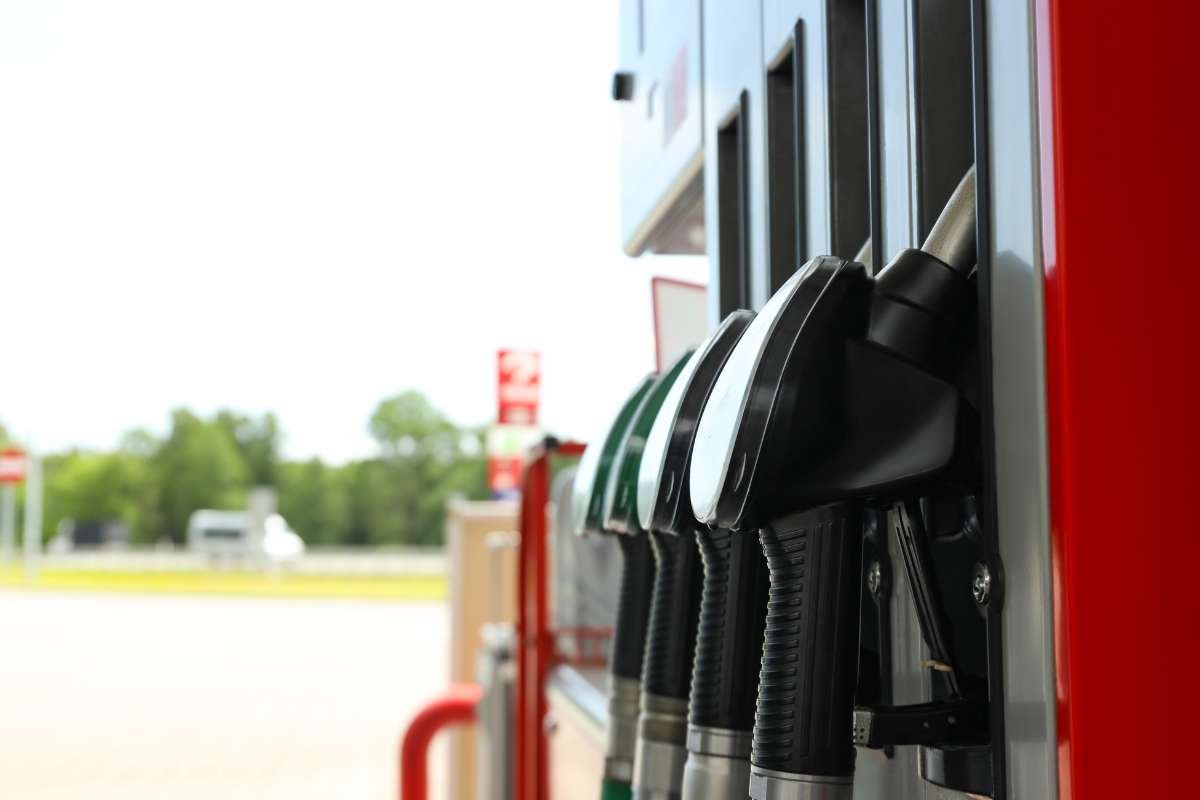
Beyond saving time, portable fuel tanks, particularly self-contained tanks designed for diesel fuel, deliver direct and measurable financial benefits. By centralizing fuel purchases into larger bulk fuel tanks, fleet managers can leverage their increased buying power to negotiate better prices with suppliers. This approach insulates the operation from the volatility of retail station pricing, leading to more predictable budgeting and significant long-term savings.
For critical operations like emergency power generation, having a dedicated on-site supply in a tank with sufficient gallon capacity ensures continuity and avoids costly downtime. The efficiency is further enhanced by using a high-quality fuel nozzle for clean, fast transfers, minimizing waste and maximizing the value of every drop purchased.
Furthermore, portable tanks can drastically reduce opportunities for fuel theft and “shrinkage”, a common and costly issue in fleet management. When fuel is stored in a secure, locked tank on a private site with controlled access, unauthorized use becomes far more difficult. Modern fuel management systems can be integrated with these tanks to provide real-time tracking of fuel levels and consumption. These systems can also capture precise data on every liter dispensed, often linking it to specific vehicles or drivers. This granular visibility allows managers to monitor anomalies, optimize fuel efficiency, and generate accurate reports for financial reconciliation and tax credit claims.
Providing Unmatched Flexibility for Dynamic Operations

The inherent mobility of portable fuel tanks can fundamentally transform operations for dynamic industries. For construction, agriculture, event management, and utilities, work is defined by shifting locations and remote sites, far from traditional fuel stations. Portable tanks can solve this by serving as deployable fuel depots, ensuring critical machinery and vehicles have immediate, on-demand access to fuel right where it is needed. This can eliminate costly downtime spent traveling to distant stations, directly keeping projects on schedule and within budget.
Furthermore, the portable fuel tank’s mobility grants exceptional logistical and financial control. Fleet managers can precisely align fuel inventory with specific project demands, transporting only the necessary volume to each site. This “right-sizing” can avoid the significant capital expenditure and permanent space allocation required for installing a fixed fuel farm.
The modular design of portable tank systems offers scalable and highly adaptable fuel transfer solutions. Tanks can be added, removed, or relocated with ease as project scopes change or seasons shift, ensuring a reliable back up supply. To maintain system integrity during these changes, integrated fuel filters protect equipment from contaminants, while careful attention to the system’s flow rate ensures efficient refueling without delays.
Lastly, all configurations and transport of these assets must strictly adhere to transport regulations for safety and compliance. This comprehensive flexibility optimizes fuel asset utilization across an entire portfolio of jobs, making operations more resilient, efficient, and responsive to changing demands.
Conclusion
Integrating portable fuel tanks into fleet operations is a forward-thinking strategy that addresses core challenges in productivity, cost management, safety, and logistics. The benefits, from reclaiming lost driver hours and controlling fuel expenditures to ensuring regulatory compliance and gaining operational flexibility, can make a compelling case for their adoption. By keeping the information mentioned above in mind, fleet operators can invest in a portable fuel tank which is a critical tool for building a more resilient, profitable, and competitive fleet operation.