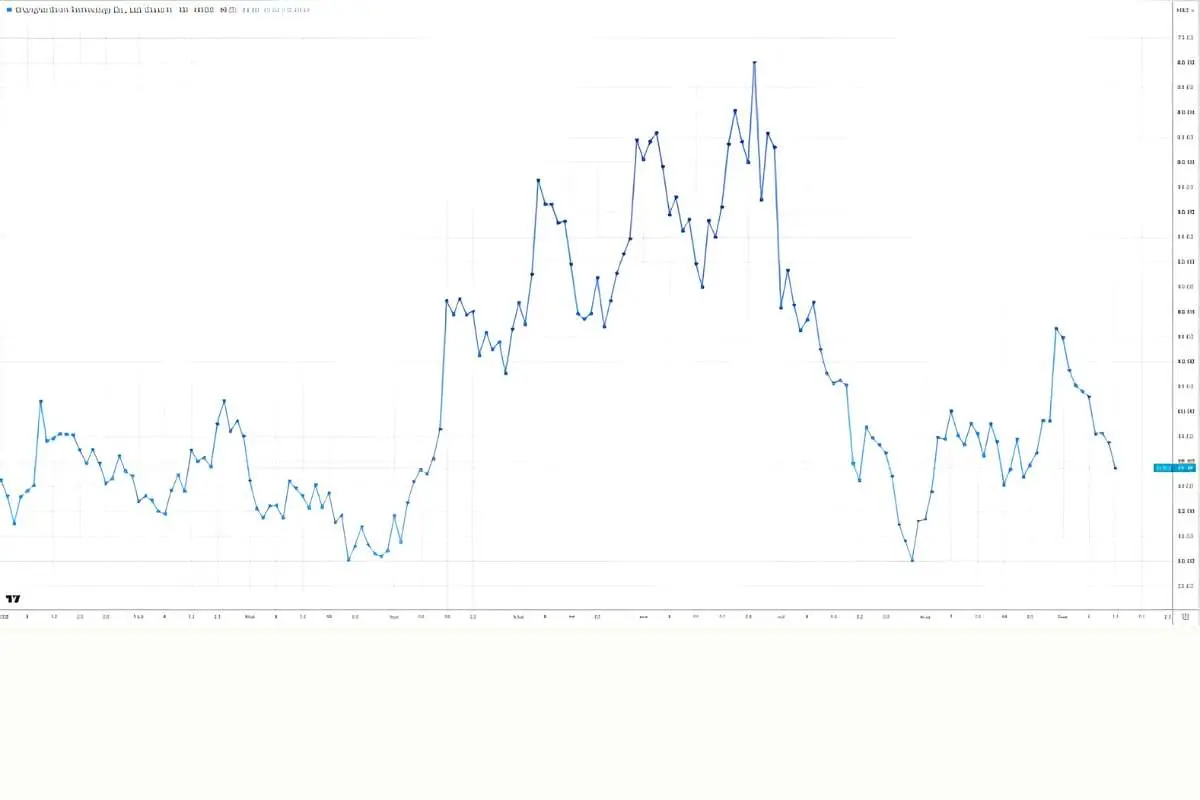
Profit vs cash flow is a vital comparison for your shop. Profit shows your long-term earnings on paper. Cash flow tracks the real money you have to pay bills today. A business needs both to survive. High sales can still leave your bank empty if cash gets trapped. Monitor your cash weekly and check your profit margins each month to keep your business safe.
Imagine a firm with huge sales that still cannot pay its staff. Now think of a small shop with low sales but plenty of cash. This happens every single day in the world of trade. Many new business owners mix up the idea of profit vs cash flow. They assume that high sales will always mean they have money. That line of thought can lead to financial strain.
Both of these metrics indicate whether your firm is doing well. Yet, each tool has a separate job to do for you. One shows what you earn on paper over a long time. The other tells you if you can pay your bills today. You need to see how they work to save your firm.
This short blog will show you how to track your funds. You will learn to use both tools and understand Profit vs Cash Flow to build your dream. Let us dive into the math right now to see more.
What is profit?
Profit is the money your business keeps after you pay all bills. You get this number by subtracting your total costs from your total sales. The basic math for this idea is sales minus costs equals profit.
Total Revenue-Total Expense = Profit
This math helps you see how well your firm wins in the market. You should know the three main types of profit to track your cash flow. Gross profit shows what you make after you pay for your direct goods. Operating profit adds in your daily costs like rent and your staff’s pay. Net profit is the final amount left after you pay your taxes.
These numbers tell a story to the people who back your work. Understanding Profit vs Cash Flow helps investors see if your firm can grow fast. Management reads the data to make smart plans for the next year.
Let us solve a quick math problem to see this in real life.
You run a shop that sells handmade shoes in your local town. This month, you sell one hundred pairs of shoes for eighty dollars each. Your total sales for the month add up to eight thousand dollars.
100 pairs ×$80=$8000
Now you must subtract the costs to find your true gain. You paid three thousand dollars for the leather and the tough thread. You also paid one thousand dollars to rent your shop this month. Your total bills for the month add up to four thousand dollars.
$3000+$1000 =$4000
To find the profit, you take the costs from your total sales. You subtract four thousand dollars from your total of eight thousand dollars.
$8000 -$4000 =$4000
You have four thousand dollars left in your bank account at the end. This math proves your shoe shop made a great profit this month.
What is cash flow?
Cash flow is the total money that moves in and out of your shop. It tracks the real cash you get and the bills you pay each day.
There is a big gap between the cash received and your logged sales. You might sell a large order to a client on this very day. Yet you will not see that cash in hand for sixty days. Your books show a sale, but your bank has no new funds.
To track this movement, you must look at three distinct parts of cash. Operating cash flow comes from the main work your team does each day. Investing cash flow tracks the money you spend on big tools or land. Financing cash flow shows the cash you get from loans and from stocks.
This flow tells you if your business can stay alive right now. Understanding Profit vs Cash Flow explains why high profit on paper does not pay your staff at the month’s end. You need real cash in the bank to buy your next batch. That is why cash flow keeps you afloat more than a book gain. Your firm can look rich on paper, but still fail with no cash.
Profit vs Cash flow: key differences explained

You must track both metrics to know if your business will win or fail. Each number answers a unique question about your firm and your funds. Profit answers the big question of whether your shop makes money over time. Cash flow tells you if your firm can pay its bills today.
We can look at this neat table to see how they stack up.
| Business Profit | Metric Feature | Business Cash Flow |
| Your total net earnings | The Core Meaning | Your actual cash movement |
| Long-term health | The Main Focus | Short-term cash needs |
| Yes, it counts them | Has Credit Sales? | No, it leaves them out |
| On your income sheet | Where to Find It | On your cash flow sheet |
| Your path to growth | What It Shows | Your power to pay bills |
This chart shows why you cannot just look at your net income. Profit includes sales made on credit where no cash has changed hands. You see a high gain on paper, but your vault stays bare. Cash flow only counts the green bills that rest in your purse.
You can use profit to judge the strength of your main plan. It shows if you price your items well against your raw costs. Yet cash flow gives you the power to act in the present. It proves you have the cash to buy stock or pay rent. You need both to judge your growth and protect your daily path, making Profit vs Cash Flow an essential concept for every business owner.
Why a profitable business can still run out of cash
A firm can show huge gains on paper but still go completely broke. This shock occurs because paper wealth is not the same as real cash. You have to watch four main traps that lock up your liquid funds.
1. Slow customer payments
Your shop can make a sale today, but stay broke for months. This issue happens when you let buyers pay for goods at a later date. Your book logs the sale, but your bank stays empty for now. This slow pace causes your accounts receivable to grow into a giant wall. You have the revenue on paper, but you cannot spend paper to live. You must wait for that cash to arrive to pay your own team.
2. Excess inventory
You can trap your liquid cash by buying too much stock at once. It is easy to think that more goods will lead to more sales. Yet boxes of shoes on shelves do not pay your monthly shop rent. Your cash is now stuck in those boxes until a buyer takes them. This slow stock movement keeps your funds locked down tight in the back. You cannot use that money for bills until the items clear out.
3. Heavy debt payments
Big bank loans can eat up your free cash before you can blink. You might run a very profitable shop with great sales every single week. Still, the bank demands its cut of your funds on the first day. These fixed loan costs do not care if your sales drop this month. They take a huge bite out of the money you have on hand. High debt can leave you with no cash to run your daily work.
4. Rapid growth
Growing your firm too fast can paradoxically drain your vault of all cash. A sudden rush of new orders forces you to expand your workspace. You must buy extra tools and hire more staff before you ship goods. This upfront cost means you spend cash long before you see a return. You can run out of funds while trying to build a bigger empire. True growth requires a large pile of cash to seed the new path.
A real case study: the fall of W. T. Grant
We can look at a true case study to prove this main point. The W.T. Grant store chain was a giant brand in the past. In the year 1973, they made a huge book profit. They logged thirty-eight million dollars in clear gains that single year.
Yet their bank accounts were draining fast during this exact peak time. They gave too much credit to buyers who did not pay back. This choice meant their accounts receivable grew into a giant stone wall. They also built up a large pile of stock on their shelves. Their cash was trapped in those boxes for a long time, too.
They expanded too fast and opened too many new stores each month. This fast growth took a lot of upfront cash from the firm. The giant chain ran completely out of cash just two years later. They went broke in 1975 with huge debts left behind. This sad story proves that paper gains will not pay your bills. This real-world example highlights why Profit vs Cash Flow is one of the most important concepts every business owner should understand. You must keep a close eye on the real cash in hand.
Why cash flow alone doesn’t tell the full story?
A positive cash flow stream can trick you into thinking your shop is completely safe. This green number looks healthy, but it frequently masks massive operational decay. You must realize that cash can pour in for bad reasons.
First, a desperate business might sell off its vital tools or buildings. This asset liquidation brings in fast cash but destroys long-term production. Second, a firm can take massive bank loans to pad its accounts. This step creates a brief cash high but adds heavy debt burdens. Third, you can hoard funds by delaying payments to your local suppliers. This choice keeps cash in your vault while ruining your trade ties.
The Critical Takeaway: You should never analyze a cash flow sheet without looking at core profitability.
A real case study: the fall of Carillion
We can look at the true case of British builder Carillion. Before their sudden crash in 2018, they showed a positive cash flow profile. They kept their cash balances high through a hidden bank mechanism.
They used an early payment scheme to stall payouts to suppliers. They took up to one hundred and twenty days to pay bills. This bad habit lets them keep massive cash reserves on their sheet. They also took on huge bank loans to mask deep project losses.
Their core work was losing millions of dollars on major hospital builds. Yet their cash flow looked strong because they delayed their supplier bills. This fake health hid the true rot until the bank line stopped. The giant firm collapsed fast with billions of dollars in debt. This disaster proves that cash flow alone will mask a lethal trap.
Profit vs Cash flow in business decision-making

You have to use both metrics to guide your shop through daily choices. Turning financial theory into active management through a clear understanding of Profit vs Cash Flow will protect your hard work from risk. Let us see how to deploy each tool for your goals.
When you set your pricing strategy, you must lean on profit calculations. You need to know if your price covers the true cost of making goods. If your margin is too low, you lose money on every unit.
Price – Cost =
Next, you need a healthy mix of both scores to fund expansion plans. Profit shows if your growth idea will yield a good return later. Cash flow proves you have the funds to pay for builders today.
Hiring new staff demands a strong and steady cash flow stream above all. You must pay your team every single week without any delay. You cannot tell your workers to wait for slow client payments.
When you seek backing, investors will evaluate your core profitability very heavily. They want to see if your trade model can scale up fast. Yet for your basic survival planning, cash flow matters most of all. It ensures your store stays open during cold and slow seasons. Track both numbers to make wise moves and lead your brand to success.
Financial ratios that connect profit and cash flow
You can connect paper gains to real cash by tracking key ratios. These vital metrics reveal if your reported profits actually turn into hard currency. Wise leaders use these tools to spot hidden traps in their balance sheets.
- Net Profit Margin: This score shows the basic percent of sales that turns into profit.
- Operating Cash Flow Ratio: This tool compares your core cash to your total current debts.
- Cash Conversion Cycle: This tracks the days it takes to turn stock back into cash.
- Free Cash Flow: This is the cash left over after you pay for big tools.
These metrics ensure your paper wealth turns into spendable cash for your shop and strengthen your understanding of Profit vs Cash Flow.. Tracking these four scores will help you see the truth behind your book gains. You can find out if your business model is yielding real bank funds. Use this data to steer your team away from bad debt choices.
Common mistakes businesses make when tracking profit and cash flow
Avoiding these accounting traps will protect your company from sudden failure and help you master Profit vs Cash Flow in real-world business operations.
- Focusing Only on Revenue: High sales volume can blind you to shrinking margins and rising costs. You must track your actual expenses to ensure your revenue yields a real return.
- Ignoring Receivables: Counting uncollected client invoices as safe cash will severely damage your operations. You cannot spend promised money until the cash rests inside your vault.
- Overestimating Available Cash: Spending your bank balance without planning for upcoming bills creates critical risk. You must reserve funds for future tax liabilities and payroll needs.
- Confusing Profit With Bank Balance: A profitable month on paper does not guarantee a flush bank statement. Your accounting gains include credit sales that have not arrived as cash.
- Neglecting Cash Flow Forecasting: Failing to project your cash movements leaves your business vulnerable to dry spells. You must predict seasonal drops to maintain your short-term liquidity.
Which is more important: profit or cash flow?

Choosing between these two metrics depends entirely on your current time frame. In the short term, cash flow wins the debate every single time. You must have hard cash to pay your team and clear bills.
In the long term, profit wins as your ultimate gauge of success. No business can survive forever if it loses money on its core work. Therefore, the best answer is that healthy businesses absolutely need both metrics.
“Profit keeps a business attractive; cash flow keeps it alive.”
You should treat these two tools as equal partners in your firm because Profit vs Cash Flow plays a vital role in long-term business success. Profit proves your business model can scale and win the free market. Meanwhile, cash flow ensures you survive the journey to reach that goal. Balance both scores to protect your brand and secure your long-term path.
Conclusion:
Navigating the financial maze requires a clear grasp of profit vs cash flow. Profit shows if your trade model can yield a good book return. Cash flow proves you have the liquid currency to clear your bills.
You should never view either metric in isolation on your financial desk. Successful companies always monitor core profitability and short-term liquidity together as a team. A strong understanding of Profit vs Cash Flow helps business owners make smarter financial decisions and avoid costly mistakes.
This combined view keeps you safe from sudden traps and bad debt surprises.
Your Practical Takeaway: Check your cash balances every single week, but analyze your margins every month.
Balancing these two scores will give you total control over your business path. You will build a firm that is both highly attractive and completely durable. Keep your short-term cash moving while you grow your long-term wealth.
People also asked:
1: Is cash flow more important than profit?
In the short term, cash flow matters more because it secures your daily survival and pays bills. However, long-term growth requires solid profit to prove your trade model can actually make money.
2: Can a business have positive profit but negative cash flow?
Yes, your shop can log high paper gains while your bank account stays empty. This gap occurs when your cash gets trapped in accounts receivable from slow buyers.
3: Why do investors look at both profit and cash flow?
Investors evaluate profit to judge the total earning performance and scale of your firm. They check cash flow to ensure you have the short-term liquidity to survive.
4: How can businesses improve cash flow without increasing sales?
You can boost your cash by tightening inventory management, so less funds sit on shelves. You can also shorten your payment terms and practice strict daily expense control.
5: What financial statement shows profit and cash flow?
Your income statement tracks your revenue and costs to show your total business profit. In contrast, the cash flow statement charts the actual movement of green bills.