Key Points:
- Quark debuts everyday AI glasses.
- Multimodal AI delivers real-time context.
- Practical wearables gain market traction.
Quark introduced its new AI glasses on Tuesday, highlighting hands-free assistance, real-time information tools, and a design built for everyday use as the company expands its wearable technology lineup.
Device Blends Lightweight Hardware With AI Functions
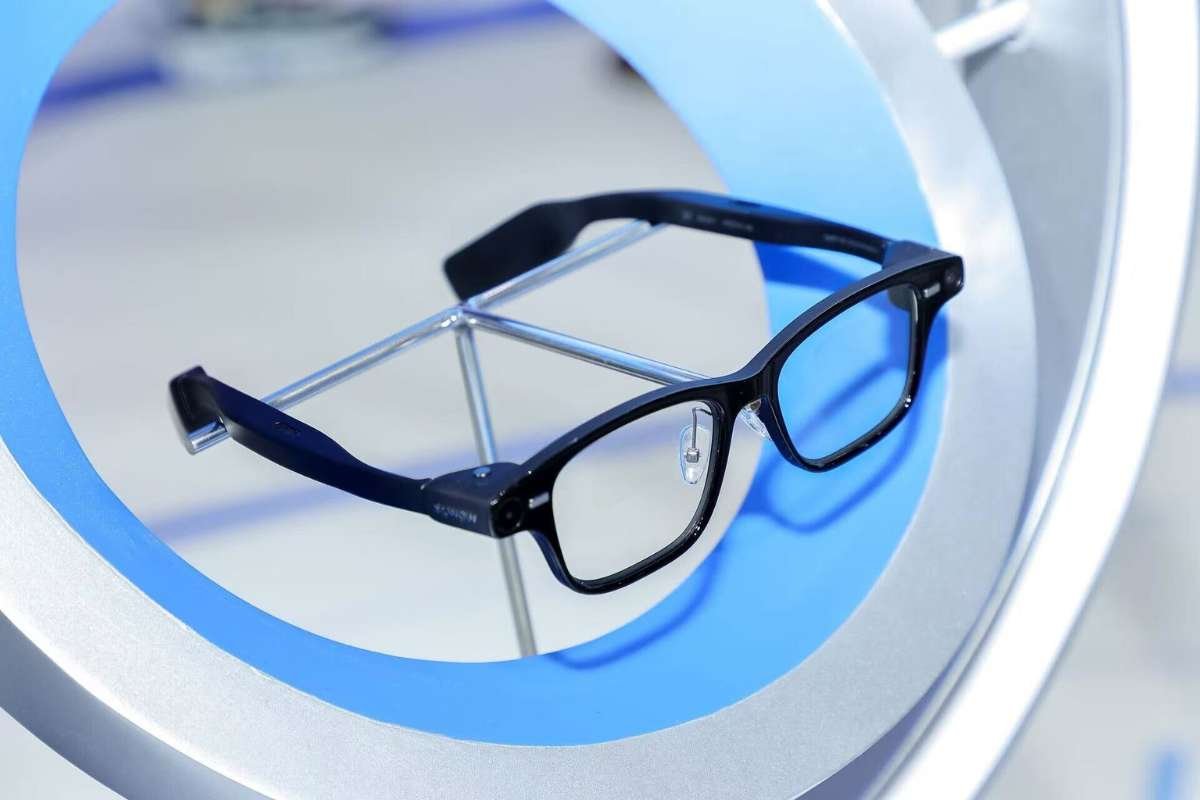
The new glasses feature a slim frame that holds sensors, microphones, and a compact processing unit. The company said it designed the frame to resemble regular eyewear so users could adopt the device without discomfort. The glasses support voice input and gesture controls, allowing people to perform basic tasks without taking out their phones.
Internal tests showed the device can display directions, read texts aloud, and identify objects. These features run on a low-power chip that supports continuous processing. Engineers said the chip adjusts performance to reduce battery drain during long use. Early reviewers noted that the hardware feels lighter than earlier Quark AI Glasses released by other brands, which often struggled to balance weight and utility.
The display sits at the edge of the user’s vision. It forms a small projection rather than a full screen. This helps reduce eye strain and avoids blocking the natural field of view. The company said the goal was to create a tool that feels supportive instead of intrusive.
AI System Offers Real-Time Understanding of Surroundings
Quark AI Glasses around a multimodal AI model. The system can listen, observe, and respond based on the user’s environment. During demonstrations, the glasses identified landmarks, translated signs, and summarised long documents. Analysts said these features show that the model uses contextual reasoning rather than simple recognition.
The Quark AI Glasses Enter Market With Focus on Daily Use Technology also performs speech summarisation for meetings and lectures. It captures audio, highlights key points and presents short summaries. Students and professionals who tested the feature said it felt natural and required little setup. The system can also answer follow-up questions, such as explaining a term or repeating an earlier part of the discussion.
Privacy questions were raised during the launch. Critics asked how the glasses store voice and visual data. The company said all information is processed on the device unless the user opts in to cloud features. Engineers added that the glasses display a small indicator light when the camera activates. This aims to reduce concern among people nearby.
Market Sees Rising Interest in Wearable AI Tools
Wearable AI technology has grown in the last two years as companies look for alternatives to traditional smartphones. Several firms have released pocket assistants and lightweight glasses. Many of these devices, however, faced issues such as short battery life and limited functions.
Analysts described Quark’s entry as a sign that the market is moving toward everyday practicality instead of novelty. The glasses position themselves as a tool rather than an experimental device. This approach may appeal to people who want quick access to information without opening multiple apps or relying on large screens.
Industry watchers said the launch could pressure competitors to improve their wearables. Some firms are already testing models that combine audio assistants with visual overlays. The market may see faster development cycles if demand grows among students, commuters, and workers who need constant information.
Company Plans Wider Rollout Later This Year
Quark AI Glasses Enter Market With Focus on Daily Use Technology said it will release the glasses in phases. Early units will go to selected testers before reaching stores. The company wants to gather feedback on comfort, accuracy, and battery performance. Engineers will use this data to adjust software before the full launch.
The firm added that long-term updates will expand the AI model’s ability to interpret surroundings. New features may include advanced safety alerts, deeper translation tools, and improved offline processing. The company said its goal is to create a device that supports daily routines without adding complexity.