Key Takeaways:
- QVC Bankruptcy and Restructuring: QVC plans a Chapter 11 filing in Texas by April 15, aiming to emerge with a cleaner balance sheet within 90 days.
- Legacy Model Collapse: Rising debt and the shift toward live-stream platforms like TikTok have eroded the traditional TV shopping audience, making the scheduled programming model less relevant.
- Consolidation Failure: Even the 2025 integration of former rival HSN could not offset structural declines, leaving the company with a heavy debt burden and significant survival risks.
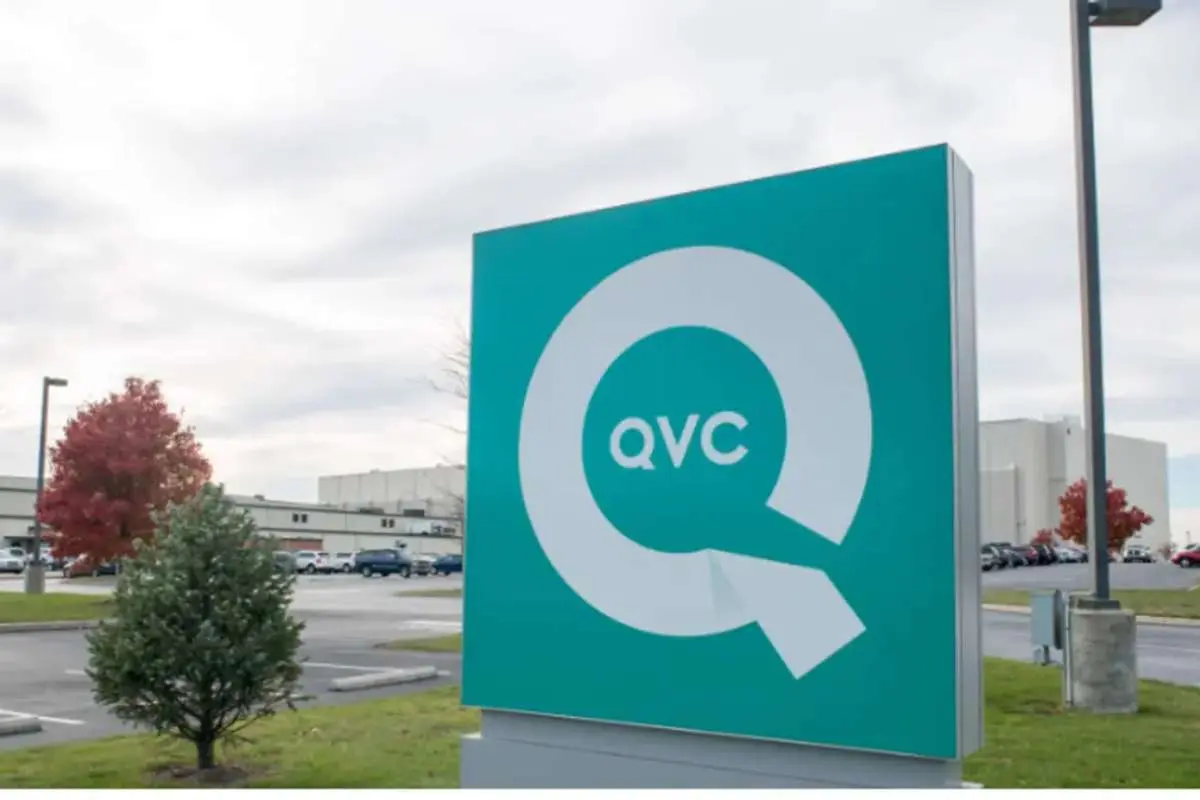
QVC Group plans to file for Chapter 11 bankruptcy in Texas as early as April 15, citing declining viewership, rising debt, and competition from online shopping platforms that have reshaped how consumers buy products.
QVC Group says it intends to seek Chapter 11 protection in the U.S. Bankruptcy Court for the Southern District of Texas, marking a significant shift for one of the pioneers of televised retail. The company expects to enter a restructuring support agreement with certain creditors as part of the process.
The move comes as the company struggles with shrinking audiences and mounting financial pressure. It aims to complete the restructuring and emerge from bankruptcy within about 90 days, according to a regulatory filing.
“We cannot assure that cash on hand, cash flow from operations will be sufficient to continue to fund our operations,” the company said, raising concerns about its ability to sustain business during the proceedings.
Digital Shift Erodes Traditional TV Shopping Model
The rise of e-commerce and live-stream shopping platforms has disrupted QVC’s traditional business model. Consumers now favor mobile-first platforms that offer instant purchasing options rather than calling in during television broadcasts.
Platforms such as TikTok and Shopee have transformed product discovery and buying behavior by combining entertainment with seamless checkout experiences. This shift has steadily reduced the relevance of TV shopping networks, deepening the QVC bankruptcy challenges.
Industry analysts say QVC’s challenges reflect broader changes in retail. “The convenience of one-click purchases and personalized recommendations has overtaken scheduled programming,” said a retail analyst familiar with the sector.
HSN Integration Marks End Of Competitive Era
QVC owns both QVC and HSN, formerly known as Home Shopping Network, which helped define the television retail format. HSN, founded in 1982, ended independent operations in 2025 and was consolidated into QVC.
The merger marked the end of a decades-long rivalry between the two networks. At their peak, both channels attracted millions of viewers and generated significant sales through live demonstrations of products ranging from kitchen appliances to fashion items.
QVC itself was founded in 1986 by Joseph Segel and quickly grew into a global retail force. At its height, the network reached about 380 million households worldwide through 15 television networks.
Debt Burden And Uncertain Recovery Outlook
Beyond declining viewership, QVC faces a heavy debt burden that has strained its financial stability. The company previously flagged concerns about its ability to continue as a going concern when it reported third-quarter results in November.
At that time, it said it was exploring financial and strategic options, including refinancing efforts tied to a credit facility set to mature in October.
The QVC Bankruptcy filing is expected to address these liabilities while allowing operations to continue. Still, analysts warn that restructuring alone may not resolve deeper structural issues tied to shifting consumer habits.
“Even after restructuring, the challenge will be relevance,” another industry expert said. “The audience has moved, and QVC must adapt quickly to survive.”
QVC’s filing underscores how legacy retail formats are being reshaped by digital transformation, leaving even established brands struggling to keep pace.