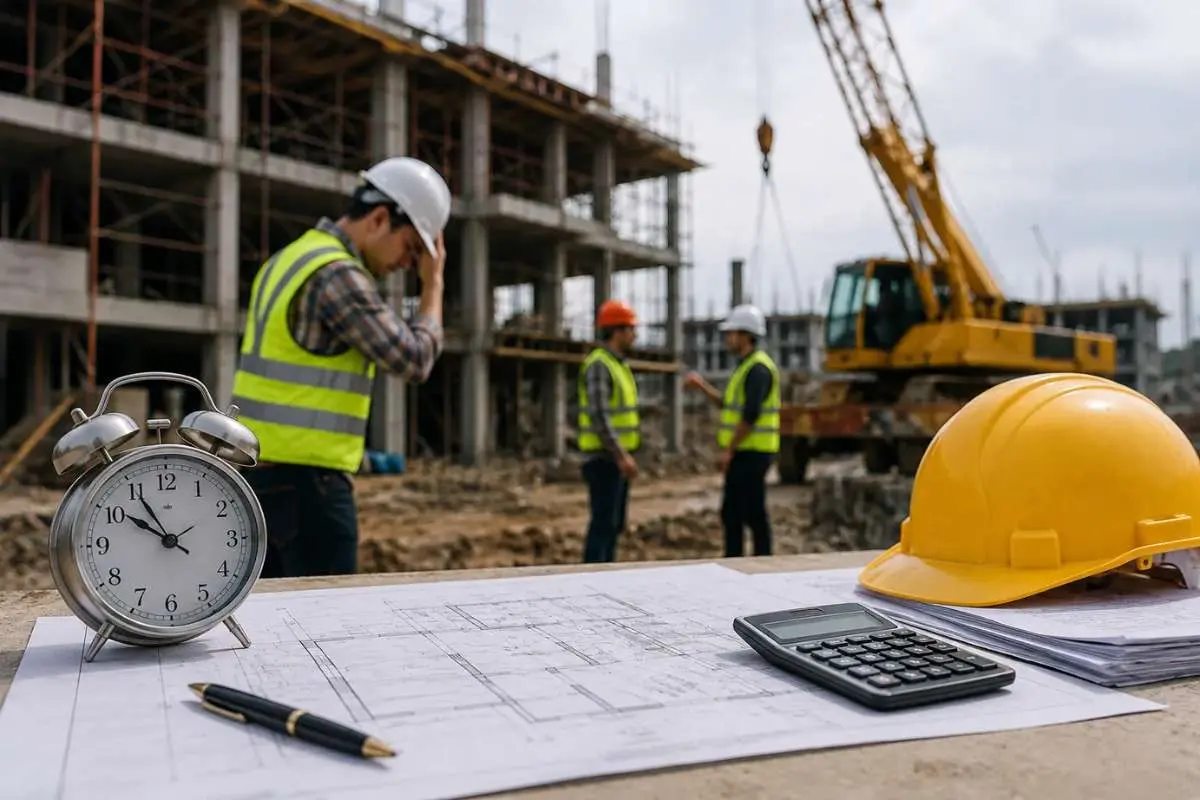
Construction rework is one of the industry’s most expensive hidden problems. A wall rebuilt, a system reinstalled, or a design corrected after completion can quietly drain budgets and extend timelines. What makes rework particularly frustrating is that its root causes often begin long before mistakes become visible on-site.
Many rework issues stem from poor communication, incomplete designs, inaccurate documentation, and coordination gaps between project teams. Small misunderstandings during planning can evolve into costly corrections during execution. In complex projects, maintaining clear information flow becomes essential to ensuring that everyone works from the same set of expectations.
As projects become more demanding, companies are looking for better ways to improve visibility and accountability. In order to track changes and monitor progress, teams often automate construction project management workflows. This helps identify potential issues before they turn into expensive rework.
The good news is that most rework is avoidable. Contractors that focus on quality control, proactive planning, and stronger collaboration can significantly reduce unnecessary corrections. By addressing the hidden causes early, construction firms can improve productivity, protect profit margins, and deliver projects more efficiently from start to finish.
The True Impact of Rework in Construction
Construction rework is often viewed as a minor setback, but its impact can be far more significant than many project teams realize. Rework occurs when completed work must be corrected, modified, or redone due to errors, omissions, design changes, or quality issues.
While individual mistakes may seem manageable, repeated rework can create substantial financial and operational challenges. One of the most immediate consequences is increased project costs. Labor, materials, equipment usage, and subcontractor expenses can quickly rise when teams are forced to revisit completed tasks.
Common consequences of construction rework:
- Higher project costs. Additional labor, materials, equipment usage, and administrative expenses increase the overall project budget.
- Schedule delays. Corrective work can disrupt planned activities, causing delays that affect subsequent project phases.
- Reduced productivity. Project teams spend valuable time fixing errors instead of progressing with new work.
- Increased safety risks. Reworking completed areas may expose workers to additional hazards and site congestion.
- Lower client satisfaction. Budget overruns and missed milestones can weaken trust and negatively impact long-term relationships.
- Pressure on profit margins. Unexpected rework expenses often reduce the financial performance of a project.
4 Causes of Construction Rework & Ways to Fix Them
Construction rework is one of the leading causes of project delays, budget overruns, productivity losses, and reduced profitability. Rework occurs when completed work must be corrected, modified, or redone due to errors, omissions, or quality issues. Understanding the root causes of rework allows contractors to implement preventive measures that improve project outcomes and reduce unnecessary costs.
The most common causes of construction rework include:
- Design-related errors and omissions
- Poor communication and coordination
- Workmanship and quality failures
- Planning and scheduling deficiencies
- Inadequate supervision and inspections
- Lack of documentation and change management
1. Design-Related Causes of Rework
Design issues are among the most common sources of construction rework. Incomplete drawings, design conflicts, specification errors, and late design changes can result in work being installed incorrectly or requiring modifications after construction has already begun.
When project teams work with outdated or inaccurate design information, mistakes often go unnoticed until later stages of the project, resulting in costly corrections and delays.
How to fix it:
- Conduct thorough design reviews before construction starts
- Use Building Information Modeling (BIM) to identify clashes early
- Improve collaboration between architects, engineers, and contractors
- Implement formal design change management procedures
- Ensure all teams have access to the latest project documents
- Perform constructability reviews during project planning
2. Communication and Coordination Gaps
Poor communication between project stakeholders can create misunderstandings that lead to errors and rework. Misaligned expectations, unclear instructions, and delayed information sharing often result in work being completed incorrectly.
Coordination issues are especially common on large projects involving multiple contractors, consultants, and suppliers.

How to resolve this issues:
- Establish clear communication protocols across project teams
- Hold regular coordination and progress meetings
- Use centralized project management platforms
- Document decisions and distribute updates promptly
- Define roles and responsibilities clearly
- Encourage collaboration between field and office teams
3. Wormanship and Quality Failures
Inadequat workmanship and poor quality control can result in construction defects that require repair or replacement. Factors such as insufficient training, lack of supervision, rushed wor, and failure to follow specifications often contribute to quality-related rework.
These issues not only increase project costs but can also damage client relationships and company reptation.
How to prevent it:
- Implement comprehensive quality assurance and quality control programs
- Provide ongoing workforce training and certification
- Conduct regular site inspections and quality audits
- Ensure compliance with project specifications and standards
- Strengthen supervision and accountability on site
- Address quality issues immediately before they escalate
4. Planning and Scheduling Issues
Poor project planning can create sequencing conflicts, resource shortages, and scheduling inefficiencies that lead to rework. When activities are not properly coordinated, crews may be forced to revisit completed work or make adjustments to accommodate later tasks.
Inadequate planning can also increase the likelihood of errors caused by rushed deadlines and resource constraints.

How to fix it:
- Develop detailed project schedules and work plans
- Identify critical path activities early
- Allocate labor, equipment, and materials effectively
- Conduct regular schedule reviews and updates
- Use project management software for real-time monitoring
- Create contingency plans for potential disruptions
By addressing design issues, improving communication, strengthening quality control, and enhancing project planning, contractors can significantly reduce rework, improve productivity, and increase project profitability. Preventing rework not only saves time and money but also contributes to higher-quality project delivery and stronger client satisfaction.
Conclusion
Construction rework remains one of the most persistent and costly challenges in project delivery. Research consistently shows that rework is driven by multiple underlying causes including design errors, communication breakdowns, poor planning and inadequate supervision.
Rather than treating rework as an inevitable cost of doing business, leading firms focus on root‑cause management and process improvement. Actions such as strengthening design coordination, enhancing quality control, training workers and improving documentation can significantly reduce rework’s frequency and impact.
By using proactive planning methods, engaging all stakeholders early, enabling better communication and leveraging technology where appropriate, contractors can minimise unnecessary work and protect margins. Adopting these strategies turns rework from a recurring expense into a manageable risk, improving both project outcomes and client satisfaction over time.