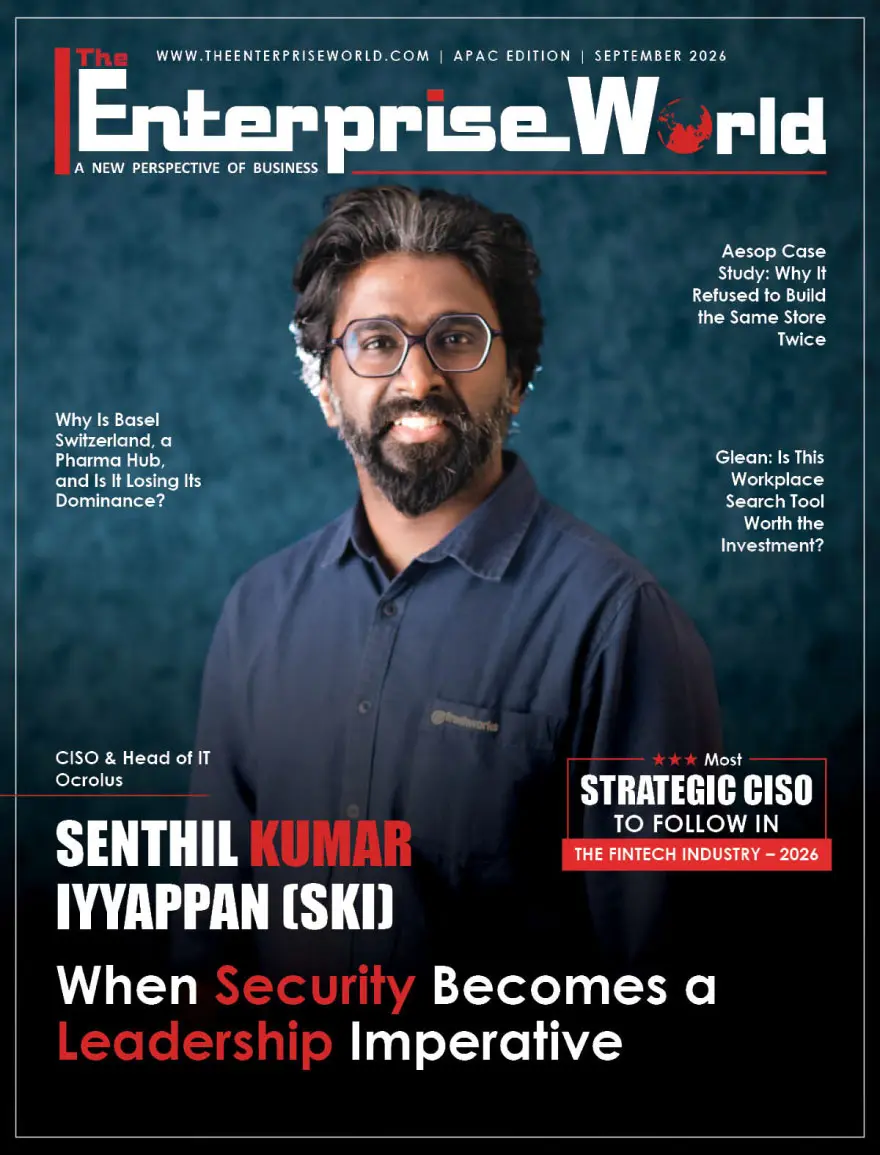
A security leader can protect a system. A true security leader helps an organization understand what is worth protecting, why it matters, and how to move forward with confidence.
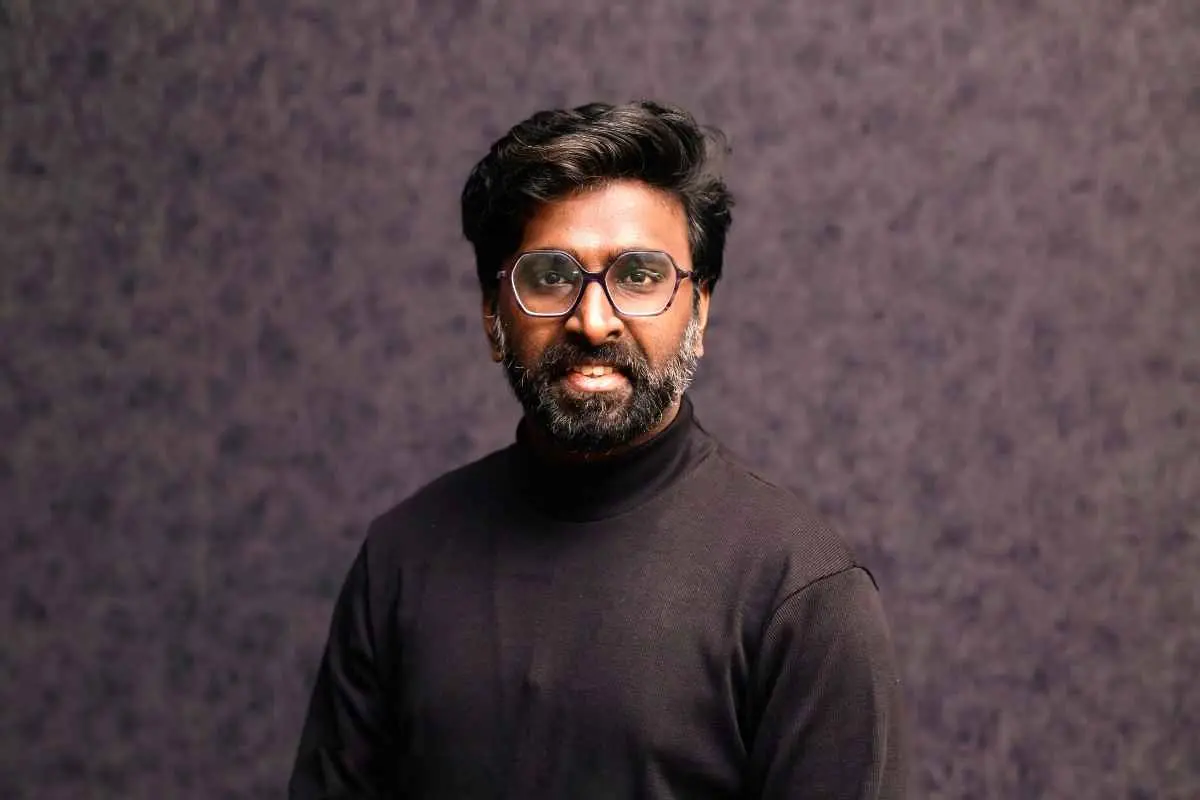
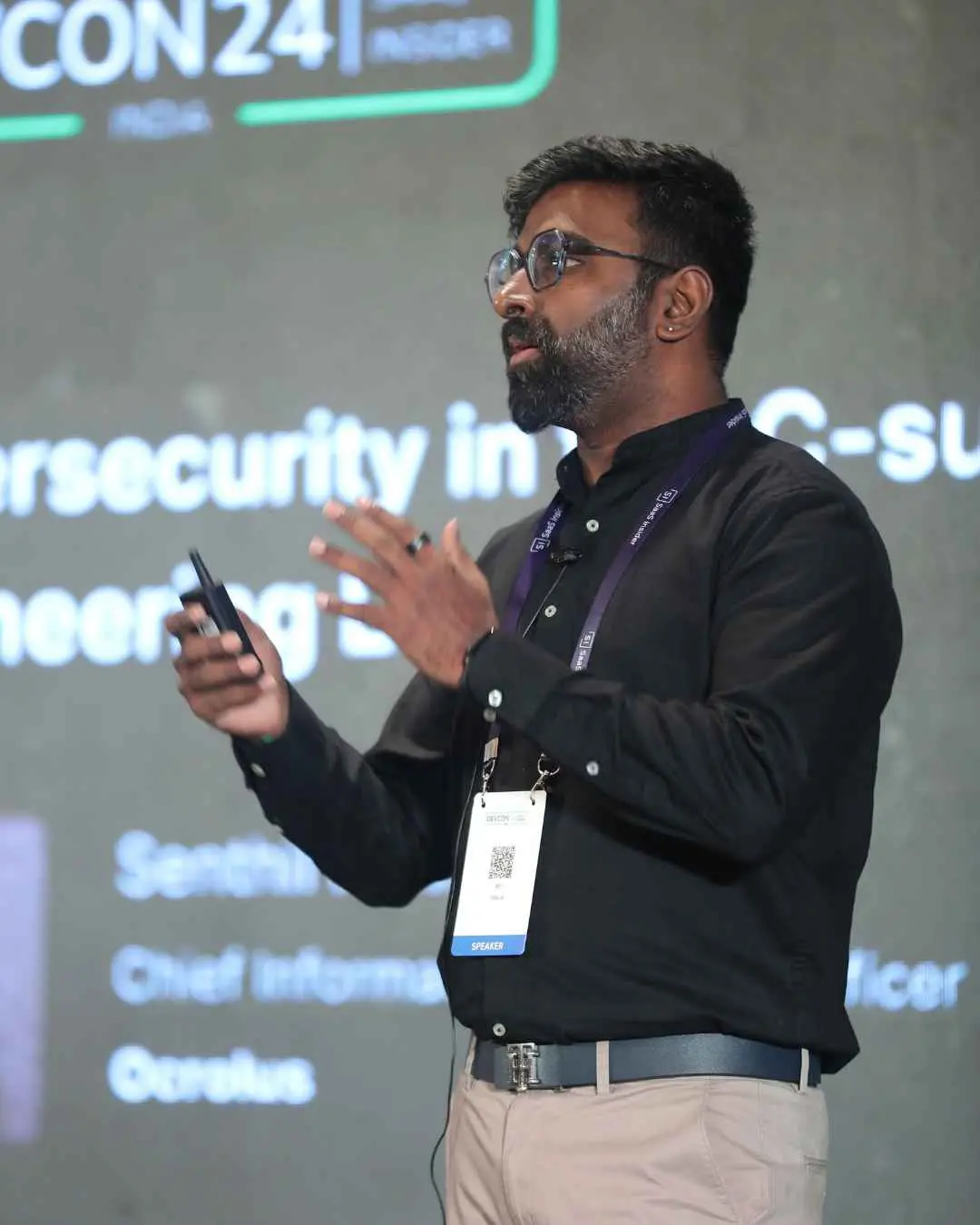
Senthil Kumar Iyyappan (SKI), CISO & Head of IT at Ocrolus, has built his career around that distinction. His journey from technology and execution to strategic cybersecurity leadership has changed the questions he asks: what is the business trying to achieve, what could stand in its way, and how can risk be managed without slowing progress?
That perspective shapes his approach to cybersecurity, AI governance, customer trust, compliance, and people. Leadership, for SKI, means enabling better decisions, developing people, and creating the confidence to act when the answer is not obvious.
At the heart of that philosophy is a simple belief: “Master technology, but understand people even more.”
Where Cybersecurity Meets the Business
A career in cybersecurity does not always begin with a plan to become a CISO. Sometimes, it begins with curiosity about technology and what could go wrong.
When SKI started his career at Tata Consultancy Services in 2010, he worked in software development and mainframe technologies. Exposure to large global organizations, particularly in financial services and banking, showed him how security, resilience, and regulatory expectations shape technology decisions.
His curiosity gradually shifted from how systems worked to what could go wrong, what the business impact might be, and how technology decisions could affect customers and organizational risk.
A major turning point came at Freshworks, where he helped build and mature security capabilities as the company scaled, eventually becoming Deputy CISO and experiencing its journey through its NASDAQ listing. The experience reinforced a principle that continues to guide him: “a security program that works for yesterday’s company can become tomorrow’s bottleneck.” Security has to evolve at the speed of the business.
As his responsibilities grew, SKI learned that cybersecurity leadership required more than finding the right technical answer. A vulnerability had to be understood through its implications for customers, revenue, operations, regulatory obligations, and reputation. That ability to translate technical risk into business context became central to his transition from practitioner to CISO.
Today, his responsibilities at Ocrolus extend across cybersecurity, product security, privacy, enterprise IT, customer trust, and AI governance. The underlying question is no longer simply how to secure a system, but how security can help the organization make better decisions.
Security That Enables the Business
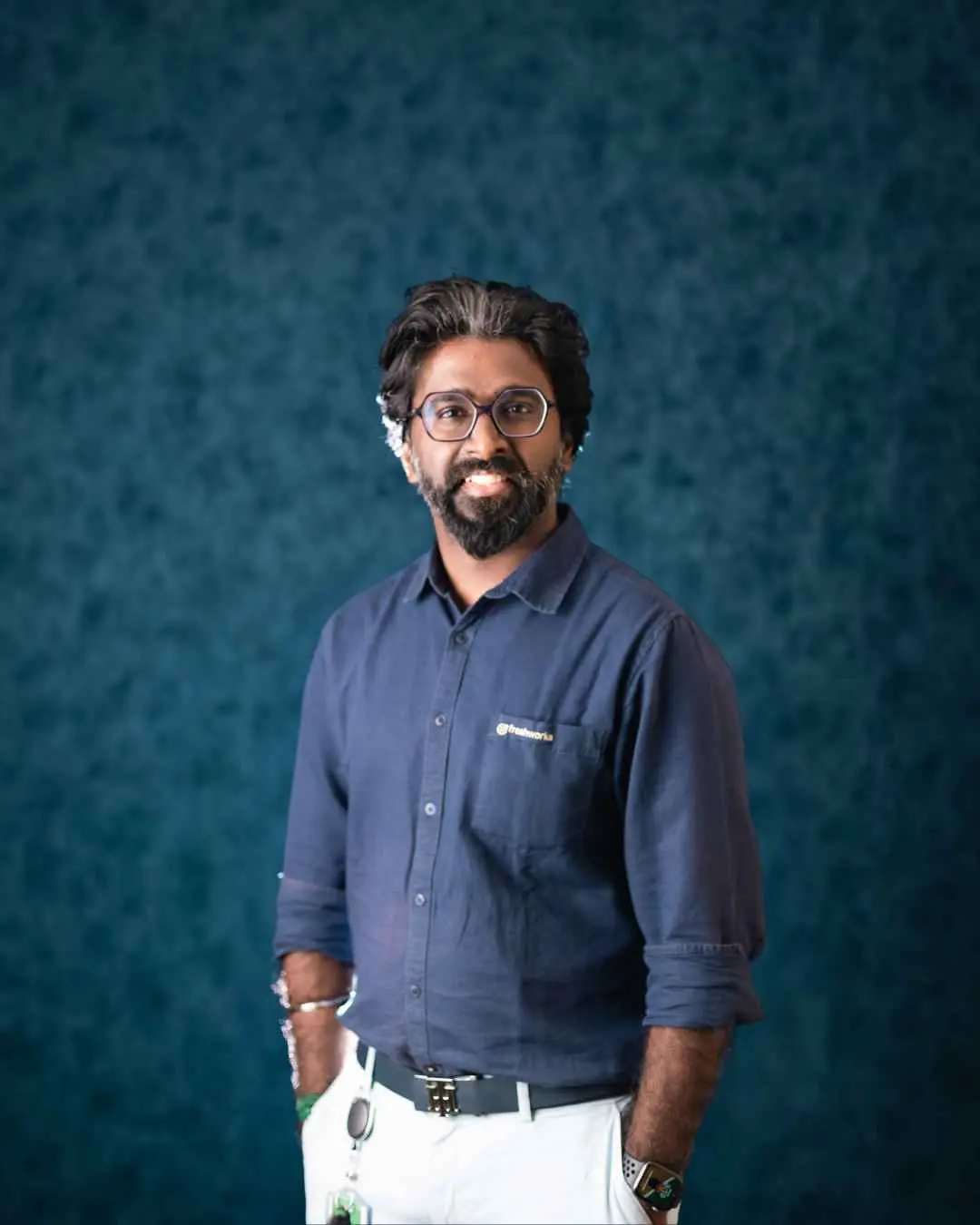
SKI sees strategic cybersecurity leadership through one principle: security should enable the business, not operate around it. Strong controls lose value when they create unnecessary friction or fail to fit how the organization works.
At Ocrolus, his starting question is straightforward: “What is the business trying to achieve?” From there, the team considers what could stand in the way, the commitments made to customers and partners, and the level of risk the organization is willing to accept.
His division of responsibility is equally clear: “Security owns controls. Leadership owns risk.” Security makes risk visible, recommends safeguards, and gives leaders the context to make informed decisions; it does not make every decision itself. In fintech, that responsibility extends directly into the customer relationship. Cybersecurity, product security, privacy, resilience, and customer assurance influence adoption, expansion, and continued trust. SKI believes security and speed can coexist through clear guardrails, reusable controls, automation, continuous assurance, and early collaboration with product and engineering. Strategic cybersecurity leadership also means understanding the product, customers, technology, contracts, operations, and how the company creates value.
He measures success by whether the organization can make security decisions independently: “If the business can move faster with a clearer understanding of risk and greater confidence from its customers, security is doing its job.”
Protecting Data Beyond the Breach
Fintech brings sensitive financial information, interconnected ecosystems, automation, changing regulations, and AI into one security environment. For SKI, protecting data therefore goes beyond preventing unauthorized access. It means understanding where information moves, who or what can access it, how it is used, and what commitments govern that use.
AI makes that distinction even more important. Legitimate access to customer data does not make every use appropriate: “Access to customer data is not permission to use it for every purpose.” The leadership challenge is therefore not simply controlling access, but establishing the context, boundaries, accountability, and purpose around that access.
At Ocrolus, SKI connects security, privacy, product security, resilience, third-party risk, customer commitments, and responsible AI rather than treating them as separate functions. His approach is to establish foundational controls and map them across obligations: “Build controls once. Map them across every framework.”
That philosophy also reflects his broader view of governance: controls should reduce repeated effort while giving leaders clearer visibility into the decisions they remain accountable for.
He applies the same principle to compliance through continuous assurance, using automated evidence collection, control monitoring, and security due diligence while preserving human oversight: “Automation should replace repetition, not judgment.”
Securing the Machine Age
The next challenge for security leadership may be less about how many systems an organization has and more about how many identities can act within those systems. SKI sees the rapid growth of non-human identities and autonomous actions as a defining shift. Cloud platforms, APIs, service accounts, and automation already create thousands of machine-to-machine interactions; generative AI and agentic systems will expand them further, allowing AI agents to access information, invoke APIs, interact with applications, and potentially execute business processes on people’s behalf.
That changes the security question from “Who is this user and what can they access?” to “Who or what is acting, on whose authority, for what purpose, and how do we contain that authority?”
For SKI, that is ultimately a leadership question. As machines gain the ability to act at increasing speed and scale, organizations must decide where authority begins, where it ends, and who remains accountable for the outcome.
The stakes are particularly high in fintech. A compromised identity, API token, workflow, or over-privileged AI agent could act on sensitive financial information at machine speed. SKI also sees data usage, not just data access, as an underestimated risk. Legitimate access can become dangerous when information is used for an unintended purpose, exposed to an inappropriate model or third party, or fed into an automated decision without sufficient governance.
Over the next three to five years, he expects identity to become increasingly important across employees, workloads, APIs, service accounts, and AI agents, with machine identity, least privilege, short-lived credentials, behavioral monitoring, and clearer data-flow visibility becoming increasingly important. AI-assisted security can improve detection, investigation, and control management, but it should not replace human judgment. As AI systems interact with other AI systems, governance and accountability become more important, not less.
His defining question is: “When machines begin making decisions at machine speed, have we designed governance that can keep up?”
Building Trust Every Day
SKI sees trust as the currency of Information Security. Customers expect their sensitive and personal information to be secured, used responsibly, and protected by the commitments made around it. That is why he views privacy, security, compliance, and governance as different ways of protecting the same thing: trust.
His principle is direct: “Don’t build an ISO program. Build a security program.” Controls should not exist simply to satisfy an annual audit; they should be part of everyday operations, from access and product development to vendor assessments, data handling, incident management, and AI adoption. Frameworks such as SOC 2 and ISO 27001 then provide independent evidence that those practices work.
Ocrolus is moving toward continuous assurance through automation and AI-assisted capabilities that reduce repetitive evidence collection, identify changes requiring attention, and accelerate security due diligence. Yet technology supports governance; it does not replace accountability.
Culture is equally important. Engineering, IT, Legal and Privacy, Procurement, and business leaders all carry responsibilities across secure development, data obligations, third-party risk, and operational decisions. SKI’s role is not to absorb those responsibilities, but to connect them, clarify accountability, and make risk understandable.
He sees external audits as opportunities to test assumptions and uncover blind spots, not simply obtain certification. He applies the same principle to ethical technology use. Something being technically possible or even contractually accessible does not automatically make every use appropriate, particularly when AI and customer data intersect.
That philosophy captures the kind of leader SKI aims to be: someone who makes accountability clearer rather than centralizing it around himself. “Trust isn’t built during an audit; it’s demonstrated every day.”
The Shift from Expert to Enabler
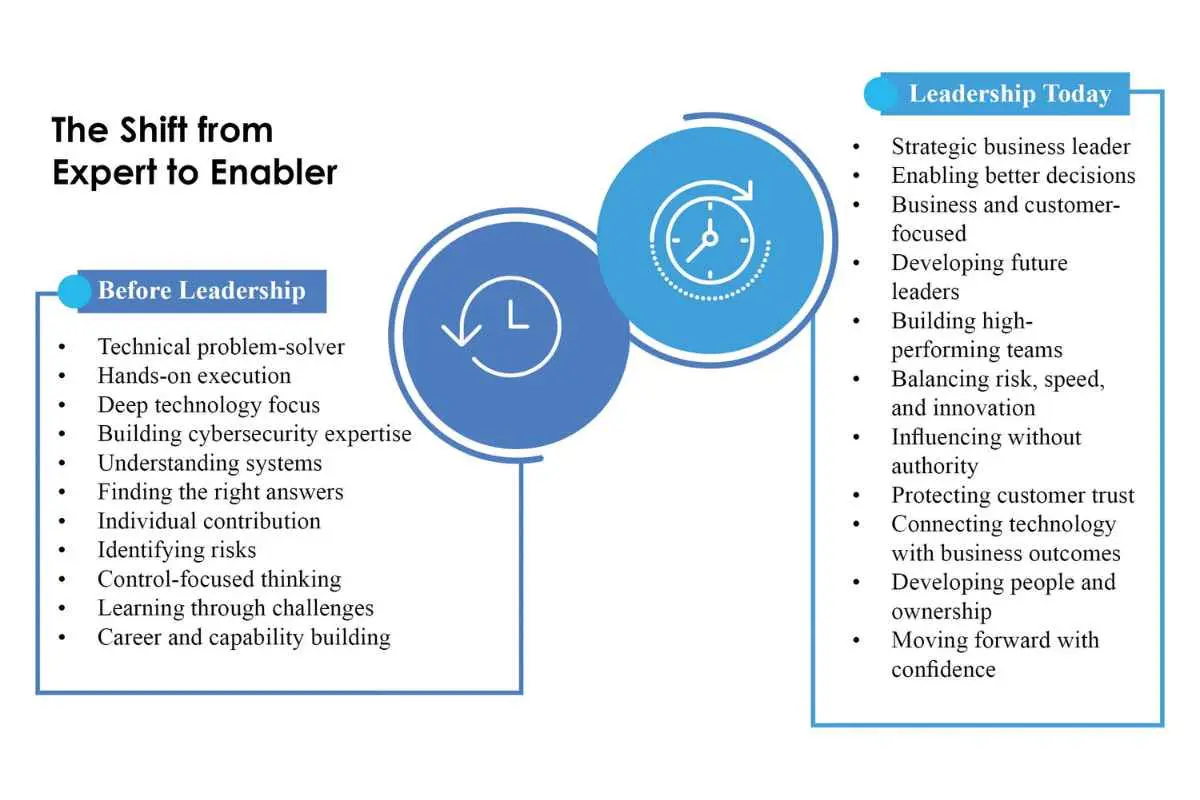
| Before Leadership | Leadership Today |
|---|---|
| Technical problem-solver | Strategic business leader |
| Hands-on execution | Enabling better decisions |
| Deep technology focus | Business and customer-focused |
| Building cybersecurity expertise | Developing future leaders |
| Understanding systems | Building high-performing teams |
| Finding the right answers | Balancing risk, speed, and innovation |
| Individual contribution | Influencing without authority |
| Identifying risks | Protecting customer trust |
| Control-focused thinking | Connecting technology with business outcomes |
| Learning through challenges | Developing people and ownership |
| Career and capability building | Moving forward with confidence |
The Leadership Shift: Solving Problems → Enabling Decisions → Developing Leaders → Building Trust
Then: “How do we secure this?”
Now: “What is the business trying to achieve, what could prevent it, and how can we move forward with confidence?”
Success Today: People Developed + Decisions Enabled + Organizational Independence = Leadership Impact
Building People Who Can Lead
SKI builds high-performing security teams around context, ownership, and trust. Earlier in his career, he focused more on having the right answers himself. Leadership taught him that this does not scale. A CISO who becomes the answer to every question may solve problems quickly, but can also create dependence. The larger leadership responsibility is to build people who can make sound decisions without waiting for the CISO. Continuous learning is equally important in cybersecurity because technology will never stop changing
Today, he gives teams context, encourages them to challenge assumptions, and connects technical decisions to business consequences. Success means the organization can move forward confidently without every decision passing through him.
He also encourages professionals to understand how the company makes money, how the product works, what customers need, and how engineering, contracts, privacy, AI, and operations influence decisions. “Technical depth gives you credibility; business understanding gives you influence.”
Through SKISquad, he has identified what he calls a “perspective gap”: technically strong professionals can still struggle to explain why a vulnerability matters to a CFO, product leader, or customer. Closing that gap requires more than communication skills. It requires understanding how different people see the same risk and learning to connect those perspectives.
He also believes security cannot be something the security team simply “does” to Engineering, IT, or the wider business. Security must establish guardrails, provide expertise, and make risk understandable, while teams take ownership of the controls and decisions within their work.
Turning Risk into Better Decisions
The same security issue means different things to an engineer, CFO, product leader, board, or customer. An engineer may need to understand the technical cause and remediation, while a CFO may focus on financial exposure and investment. A product leader may consider roadmap and customer impact; a board may look at material business risk, resilience, and accountability; and a customer may want confidence that information and commitments are protected.
He frames executive discussions around practical questions: “What could happen? How likely is it? What would be the impact on customers or the business? What are we doing about it? What residual risk remains, and who needs to make the decision?”
Influence also comes from relationships built before a crisis. SKI works across engineering, product, IT, legal, finance, sales, and other business functions to understand the pressures and objectives they manage.
That approach shaped Ocrolus’s move toward continuous security and compliance assurance, which required shared accountability across Security, IT, Engineering, Legal, Finance, Procurement, other control owners, and automation because controls, evidence, and customer commitments sit across the organization.
The result shifted the conversation from “Security needs this for an audit” to “This is a business commitment we collectively own.” For SKI, that is the difference between enforcing security and creating security ownership across the organization.
SKI believes sustainable security comes from ownership, not enforcement. Executive influence is not about being the loudest security voice; it comes from understanding the business well enough that people trust your judgment when difficult trade-offs arise.
“Security brings the risk perspective, business leaders bring their operational context, and together we make a better decision than either function could make independently.”
Creating Leaders Beyond the Security Function
SKI’s leadership influence extends beyond the boundaries of his CISO role. Drawing on experience in large enterprises, scaling SaaS environments, and fintech, he aims to help other professionals avoid mistakes, see challenges differently, and grow into stronger leaders. Through SKISquad, he has mentored more than 100 professionals globally and contributed through speaking engagements, industry discussions, webinars, and thought leadership.
SKI’s Community Contribution
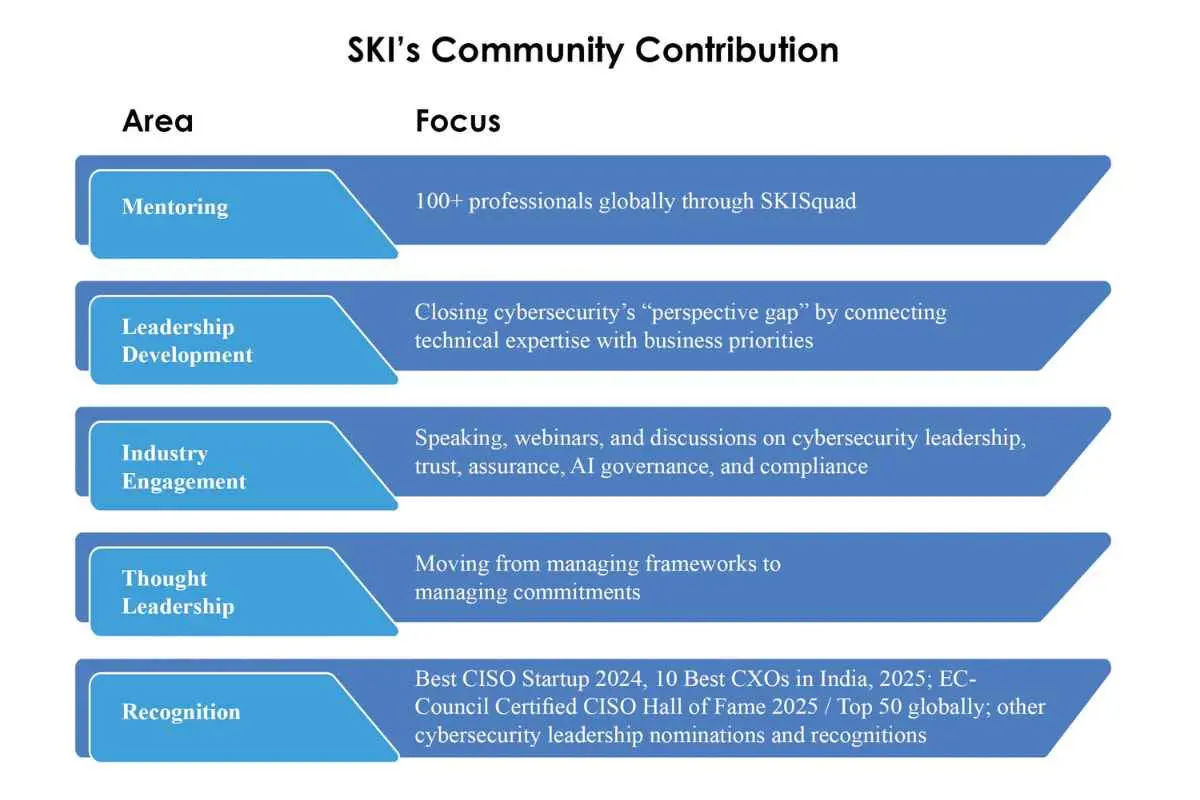
| Area | Focus |
| Mentoring | 100+ professionals globally through SKISquad |
| Leadership Development | Closing cybersecurity’s “perspective gap” by connecting technical expertise with business priorities |
| Industry Engagement | Speaking, webinars, and discussions on cybersecurity leadership, trust, assurance, AI governance, and compliance |
| Thought Leadership | Moving from managing frameworks to managing commitments |
| Recognition | Best CISO Startup 2024, 10 Best CXOs in India, 2025; EC-Council Certified CISO Hall of Fame 2025 / Top 50 globally; other cybersecurity leadership nominations and recognitions |
The “perspective gap” remains central to SKI’s mentoring philosophy. He encourages professionals to look beyond which control should be implemented and understand why the business should care, how risk should be communicated, and how decisions can be influenced without relying on authority.
His broader goal is to pass knowledge forward and help create professionals who can become effective business leaders. “The real multiplier of leadership is not how much knowledge you accumulate, but how many capable people you help create.”
An Open Letter to the Next Generation of Security Leaders
To my fellow CISOs, cybersecurity professionals, fintech leaders, and those aspiring to lead,
Cybersecurity will always be a field of change. Technologies will shift, attackers will evolve, regulations will grow, and AI will challenge assumptions we have built over the last decade. Yet one thing will remain constant: our responsibility to earn and protect trust.
If my journey has taught me one thing, it is that being a great security professional and a great security leader requires different skills.
Build your technical depth. Understand architecture, cloud, applications, data, AI, threats, and controls. But don’t stop there. Learn how your company makes money, understand your customers, and work with engineering, product, sales, finance, and legal to understand the decisions they make.
Master technology, but understand people even more.
As you grow into leadership, resist becoming the person with every answer. Your responsibility is to ask better questions, provide context, and develop people who can make good decisions without waiting for you.
Embrace innovation rather than fearing it. AI, automation, and emerging technologies will introduce risks, but saying “no” to change is not a sustainable security strategy. Understand the opportunity, make the risk visible, establish sensible guardrails, and help the business move forward confidently.
Don’t be afraid of failure. Some of my most valuable lessons came from things that did not work as expected. Leadership is not about never making the wrong decision; it is about recognizing it quickly, learning without ego, correcting course, and helping the organization become stronger through the experience.
Aspiring CISOs should not measure progress only through certifications, titles, or the size of a security program. Measure it by your ability to influence decisions, develop people, and earn trust when the answer is not obvious.
The future needs security leaders who can speak both the language of technology and business, leaders who understand that innovation and security are not opposing forces.
Build strong systems. Build capable teams. Keep learning. Stay curious. Share what you learn.
Above all, remember that the objective is not to make the business afraid of risk.
It is to help the business understand risk well enough to move forward with confidence.
– Senthil Kumar Iyyappan (SKI)
Quick Takes
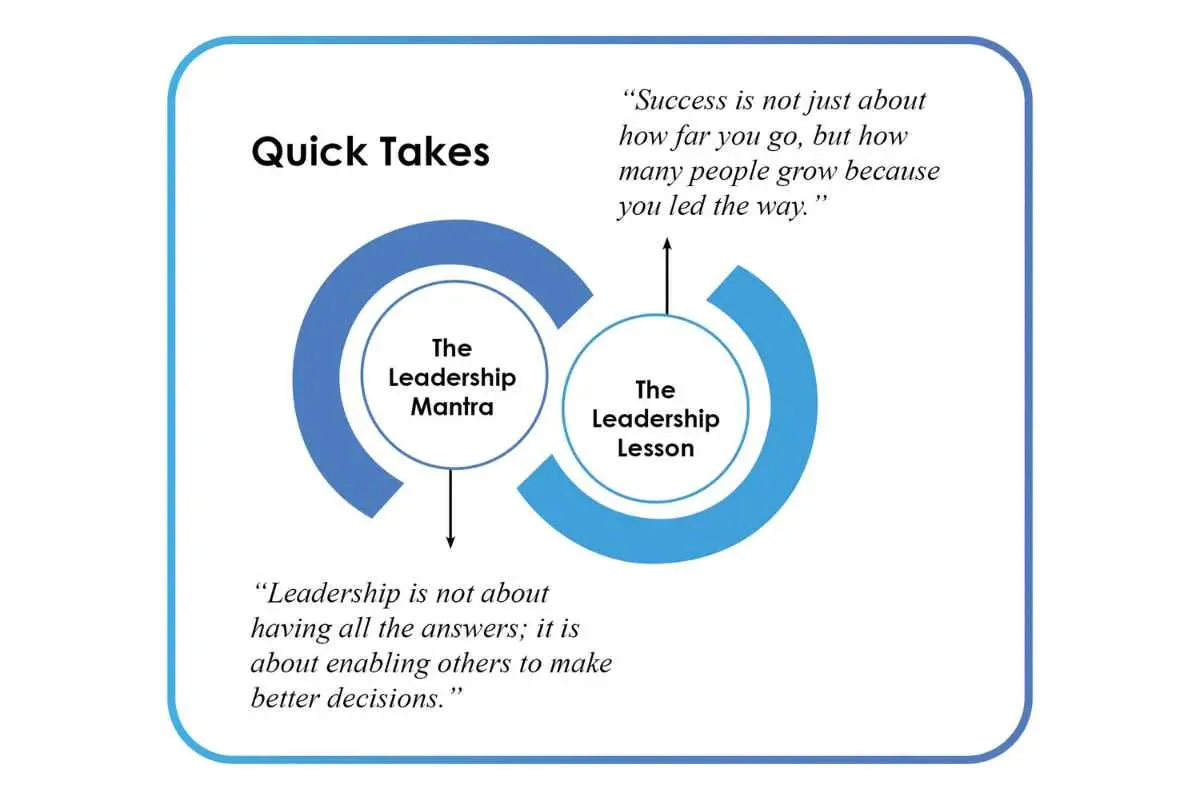
01 | The Leadership Mantra
“Leadership is not about having all the answers; it is about enabling others to make better decisions.”
02 | The Leadership Lesson
“Success is not just about how far you go, but how many people grow because you led the way.”
Key Takeaways
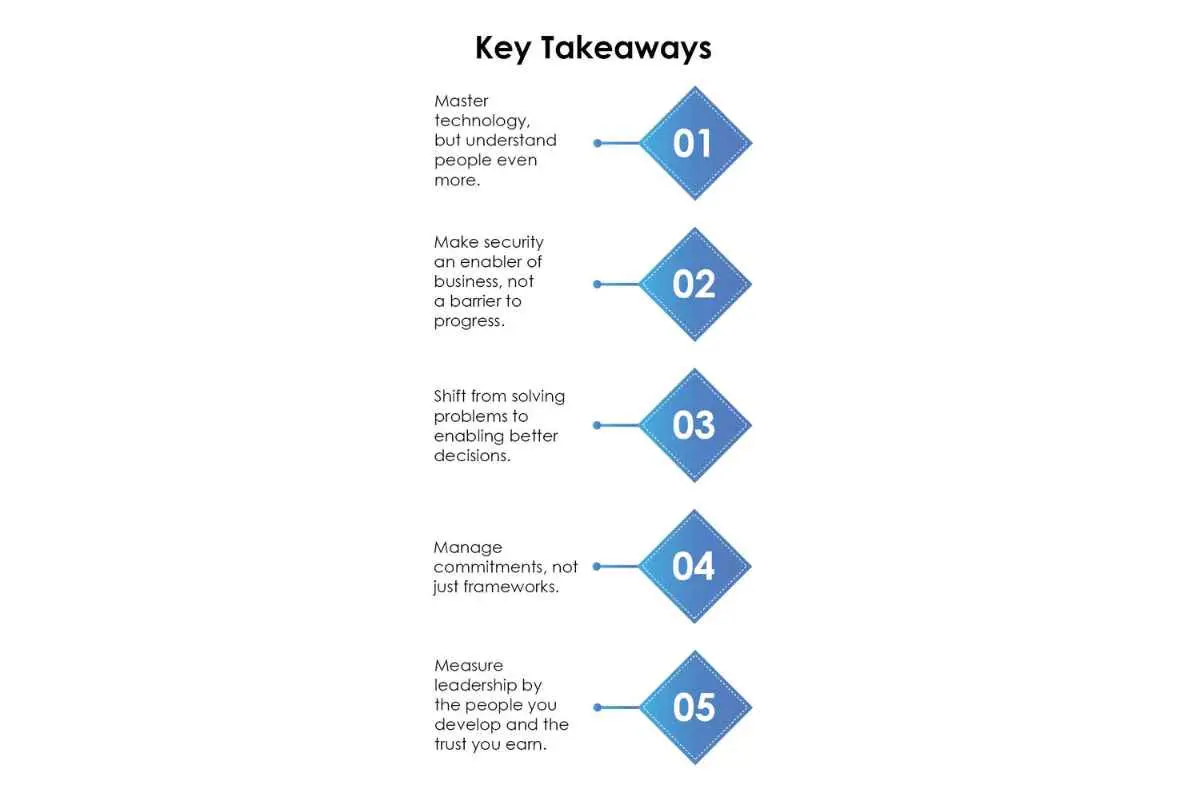
- Master technology, but understand people even more.
- Make security an enabler of business, not a barrier to progress.
- Shift from solving problems to enabling better decisions.
- Manage commitments, not just frameworks.
- Measure leadership by the people you develop and the trust you earn.