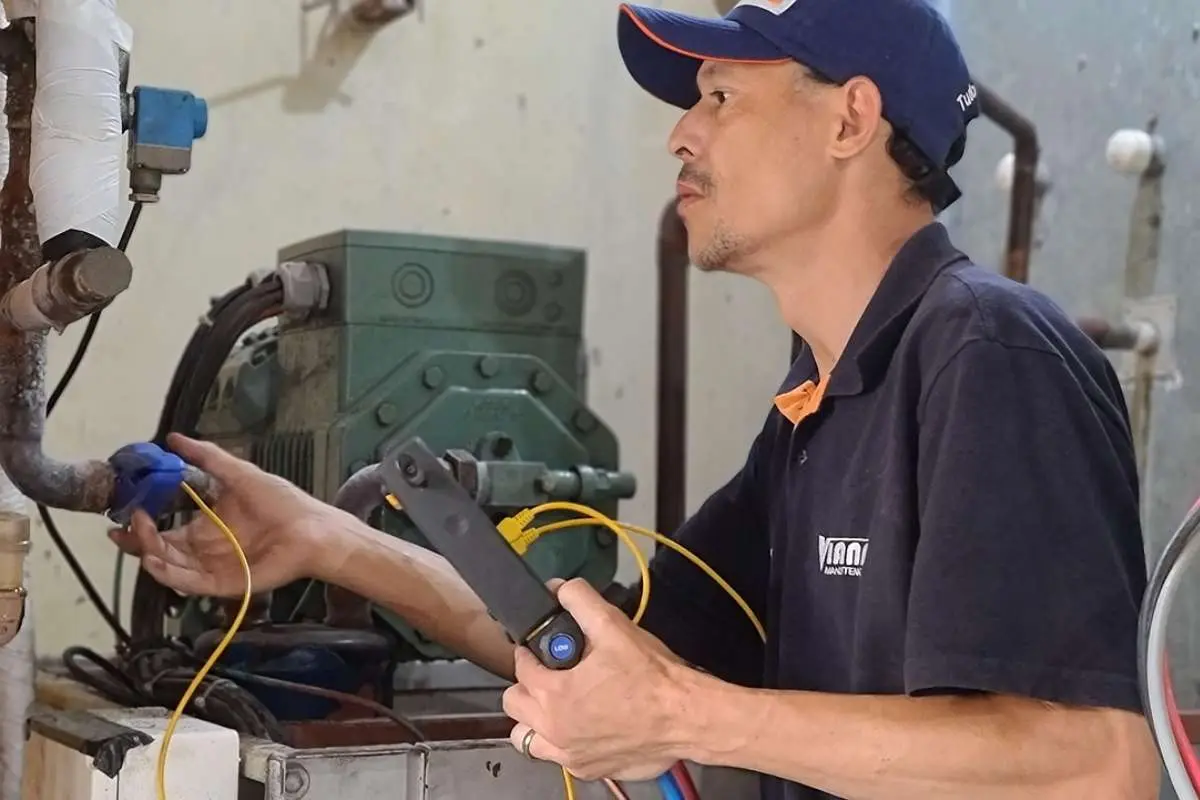
The skilled trades world is changing fast.
If you’ve been in the field for a few years, you know this. New refrigerants, new tools, new codes, new certifications — they keep stacking up. The technicians who treat learning as a one-time event are getting left behind.
And here is the kicker…
Sharpshooters: Professionals who keep their edge make more, get jobs quicker, and have longer careers.
Skilled trades continuing education isn’t a “nice to have” anymore.
Why The Trades Are Changing So Fast?
The skilled trades have always evolved — but never this quickly.
Just look at what’s going on in the HVAC world. Effective January 1, 2025, the EPA bans the manufacture or import of any products in certain sectors that use a regulated substance with a global warming potential (GWP) of 700 or higher. One rule did an overhaul for techs working with R-410A and related refrigerants.
If you got certified five years ago and haven’t touched a study guide since…
You are already behind.
The good news is that with quality EPA certification prep courses and continuing HVAC training available, it’s easy to stay on top of things. These cover the new refrigerants, the changing safety standards, and the annually revised environmental regulations. Reinforcing the value of Skilled Trades Continuing Education.
Here’s the thing:
Certifications don’t expire. Knowledge, however, most certainly does. A 608 card from 2015 is good forever — but the world it was obtained in hardly exists anymore.
That’s why ongoing training matters so much.
The Real Cost Of Falling Behind

Many talented employees believe they can “wing it” and learn as they go. It works … until it doesn’t.
The trades are staring down a huge workforce gap, and there is tremendous pressure on the technicians who are left. In fact, by 2030, there may be 2.1 million open skilled trades jobs in the U.S., and as much as $1 trillion per year in lost economic potential. It’s a massive opportunity if you have the skills… and a huge problem if you don’t.
Here is why falling behind is so dangerous:
- You lose jobs to better-trained workers — employers want techs who can hit the ground running on the newest systems
- You earn less — specialized skills get specialized pay
- You risk fines and legal issues — without up-to-date EPA knowledge, refrigerant work can cost you and your employer dearly
- You get stuck doing the same work for years — no new skills means no new opportunities
And the need for skilled workers just keeps going up. The employment for electricians is expected to rise 9.5% from now through 2034 (nearly four times the 3.1% average for all occupations), and the demand for HVAC technicians is expected to increase 8.1% over that time.
That’s a huge open lane for technicians who continue to educate themselves. It’s a closed door for all others.
Why EPA Certification Prep Matters Right Now?
EPA 608 is, perhaps, the most critical certification a trained professional can possess today.
Here’s why:
It’s the law. The EPA requires that anyone working with refrigerants be currently carded under Section 608. No card. No work. Period.
But merely possessing the card is no longer enough. The exam was changed to include new low-GWP refrigerants and new handling requirements. Technicians using outdated study guides are failing the exam the first time. which is why Skilled Trades Continuing Education plays such an important role
That’s where solid EPA certification prep comes in.
A good prep program will:
- Walk you through current regulations (not the ones from 2018)
- Cover the four certification types (Type I, II, III, and Universal)
- Include practice questions that match the real exam format
- Teach you the safety procedures employers expect on day one
Honestly, you don’t want to walk into that test cold.
Many qualified technicians fail the proctored test, thinking that their field knowledge will carry them through. It seldom does. Questions are very detailed and can trip you up on just a few rules.
(Which is why the majority of professionals take a course in EPA certification prep before taking the exam.)
4x Ways To Keep Your Skills Current

Ok, but how do you STAY cutting edge in a profession that is constantly evolving? Read below for 4x easy ways to stay on top of your game…
Take Structured Online Courses
Online training has improved significantly. Most working technicians don’t have time to go to a classroom every week, and they don’t have to.
Structured online programs are a key part of Skilled Trades Continuing Education and let you:
- Study on your own schedule
- Move at your own pace
- Replay sections you don’t fully understand
- Take practice exams before the real test
Great for studying for EPA certification or any high-volume test prep where you need to know material cold.
Attend Manufacturer Training Sessions
Equipment manufacturers have free or cheap training on their latest equipment. Most techs never take the time to attend.
Big mistake.
These sessions show you exactly how the new systems operate, what doesn’t work, and how to quickly correct problems. The information is directly from the people who designed and built the equipment — you can’t get any closer to the source.
Pursue Higher-Level Certifications
The 608 card is the floor, not the ceiling.
Advanced certifications such as NATE, HVAC Excellence, and state-specific licenses can lead to higher-paying positions. They also show employers that you are serious about the work and committed to the long haul. making Skilled Trades Continuing Education a valuable long-term investment.
Many, if not most, successful tradespeople have multiple certifications under their belt. They’ll usually begin with a core one and keep piling them on a few every couple of years.
Stay Active In Trade Communities
This one is free, and most people skip it.
Online forums, trade associations, and local meetups are treasure troves of information. You will hear about changes in codes, new tools, and shifts in the industry before they make the news. You will also build a network of professionals who can assist you when you get stumped on a difficult project.
Final Thoughts
Skilled trades continuing education used to be optional in the skilled trades.
It isn’t anymore.
Amidst fast-moving technology changes, new EPA standards and a worker shortage that is driving up pay for trained technicians, continuing education will pay off for those who keep up.
To quickly recap:
The trades are evolving faster than ever
New EPA rules are reshaping HVAC work in particular
EPA certification prep is critical for passing the updated 608 exam
Online courses, manufacturer training, advanced certifications and trade communities keep you up-to-date
The amateurs treat learning like a one-time event. The professionals make it a habit. The pros who do build careers that span decades. The ones who don’t… generally get replaced by someone who did.
The choice is pretty simple.