Key Takeaways
- Post-IPO Euphoria Has Given Way to Reality
- Heavy Spending and New Debt Are Raising Investor Questions
- Long-Term Growth Narrative Remains Intact
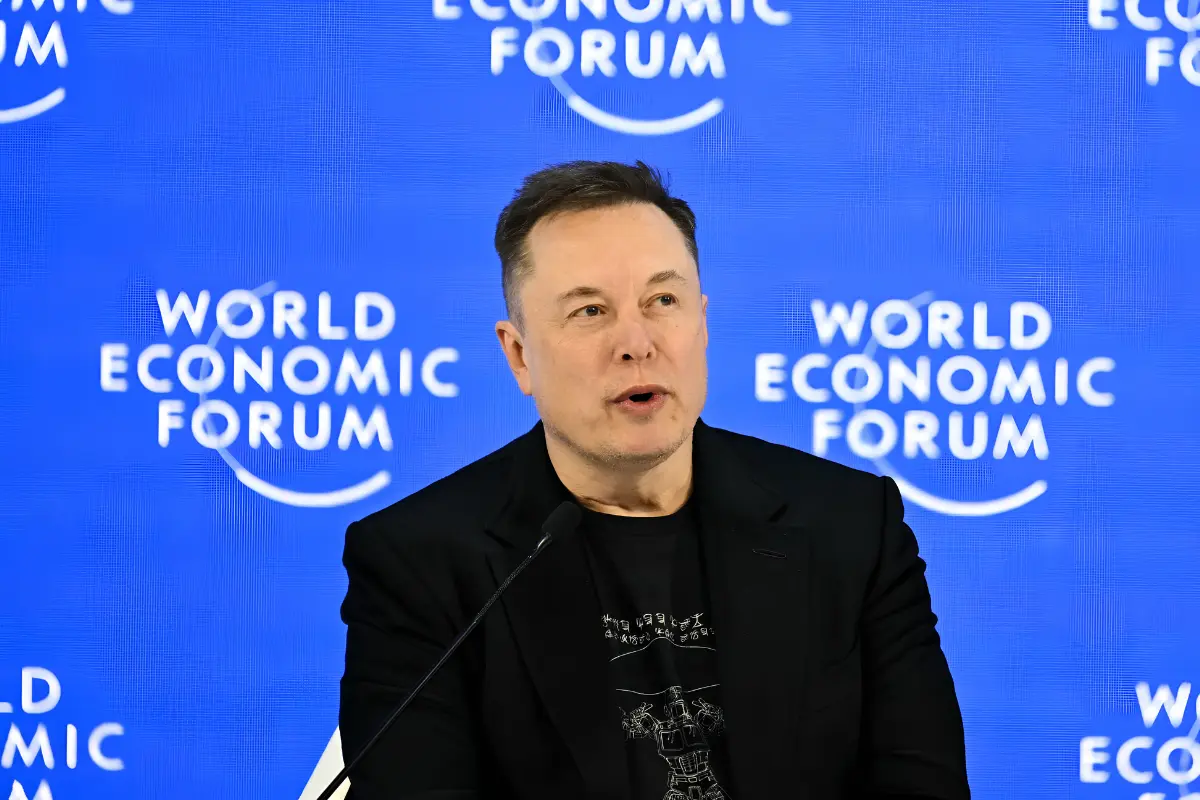
SpaceX suffered its sharpest decline since becoming a publicly traded company, with shares tumbling 16.4% and extending losses for a third consecutive session. The steep selloff marked by a significant SpaceX stock price drop erased much of the enthusiasm that surrounded the aerospace giant’s blockbuster market debut earlier this month and highlighted the growing volatility surrounding one of Wall Street’s most closely watched stocks.
The company’s shares closed at $154.60 after surging above $225 during the first week following the June 12 listing. The decline wiped out roughly $400 billion in market value, reducing SpaceX’s valuation to about $2.04 trillion. Although the company remains among the world’s most valuable publicly traded firms, the correction has pushed it below Taiwan Semiconductor Manufacturing in global market capitalization rankings.
Investors had initially rushed into the stock after its historic IPO, driven by confidence in Elon Musk’s long-term vision and SpaceX’s dominant position in commercial launch services. Strong demand propelled the stock nearly 20% higher on its first trading day, creating expectations that SpaceX could become one of the defining technology companies of the next decade.
However, the recent SpaceX stock price drop has left shares more than 30% below their post-listing highs. Despite the sharp decline, the stock remains above its IPO price of $135, meaning early investors still retain gains, albeit significantly smaller than those recorded during the first few days of trading.
Debt offering and heavy spending raise investor concerns
Investor sentiment weakened further after SpaceX revealed plans to raise more than $20 billion through an investment-grade bond offering. The proceeds are expected to refinance bridge loans associated with the company’s merger with artificial intelligence venture xAI and support broader corporate operations.
Although credit agencies assigned investment-grade ratings to the debt issue, some investors questioned the need for additional borrowing so soon after the company secured approximately $85 billion from its public offering. Concerns have also intensified over the rising costs associated with artificial intelligence infrastructure and the uncertain timeline for generating returns from those investments.
The broader technology sector has been grappling with similar worries, as companies race to expand their AI capabilities while facing mounting expenses. Analysts noted that SpaceX’s aggressive spending plans have added another layer of uncertainty to a stock that already commands an exceptionally high valuation. further fueling the SpaceX stock price drop.
Financial data released earlier indicated that SpaceX held more than $100 billion in cash and equivalents. Nevertheless, the company reportedly recorded a loss of nearly $4.9 billion in 2025 despite generating revenue of approximately $18.7 billion. The figures underscore the gap between SpaceX’s current profitability and the lofty expectations embedded in its valuation.
Market experts also pointed to the company’s relatively limited public float as a factor behind the dramatic price swings. Additional volatility could emerge later this year when lock-up restrictions expire, allowing insiders to sell shares and potentially increasing supply in the market.
Long-term optimism persists despite market volatility
Despite the recent decline, many investors continue to view SpaceX as a long-term growth story rather than a company that should be judged solely on near-term earnings. Supporters argue that its value lies in its leadership in reusable rocket technology, the expansion of Starlink’s satellite internet network, and Elon Musk’s broader ambitions in artificial intelligence and deep-space exploration.
Starlink is believed to be the company’s strongest profit generator, while SpaceX continues investing heavily in technologies aimed at supporting future lunar missions and eventual journeys to Mars. Analysts say much of the market’s optimism stems from confidence in Musk’s ability to transform ambitious ideas into commercially viable businesses despite the recent SpaceX stock price drop.
Potential inclusion in major stock indexes could provide another catalyst for the shares by attracting institutional investors and passive funds. However, analysts expect volatility to remain elevated as the market evaluates whether the company’s massive capital requirements can be justified by future growth.
For now, SpaceX remains one of the most closely watched names on Wall Street. Its dramatic rise following the IPO and the equally swift reversal underline both the enormous opportunities and the considerable risks associated with one of the world’s most ambitious technology companies.