Key Takeaway:
- Direct Federal Intervention: The administration is negotiating a $500 million loan that could grant the government a significant ownership stake through warrants.
- Economic Defense of Jobs: Officials aim to protect approximately 15,000 jobs, including 6,000 positions in Florida, as Spirit faces potential liquidation.
- Consumer Pricing Protection: Data shows that without budget carriers, fares on shared routes have historically jumped by 15% to 50%, acting as a weight on inflation.
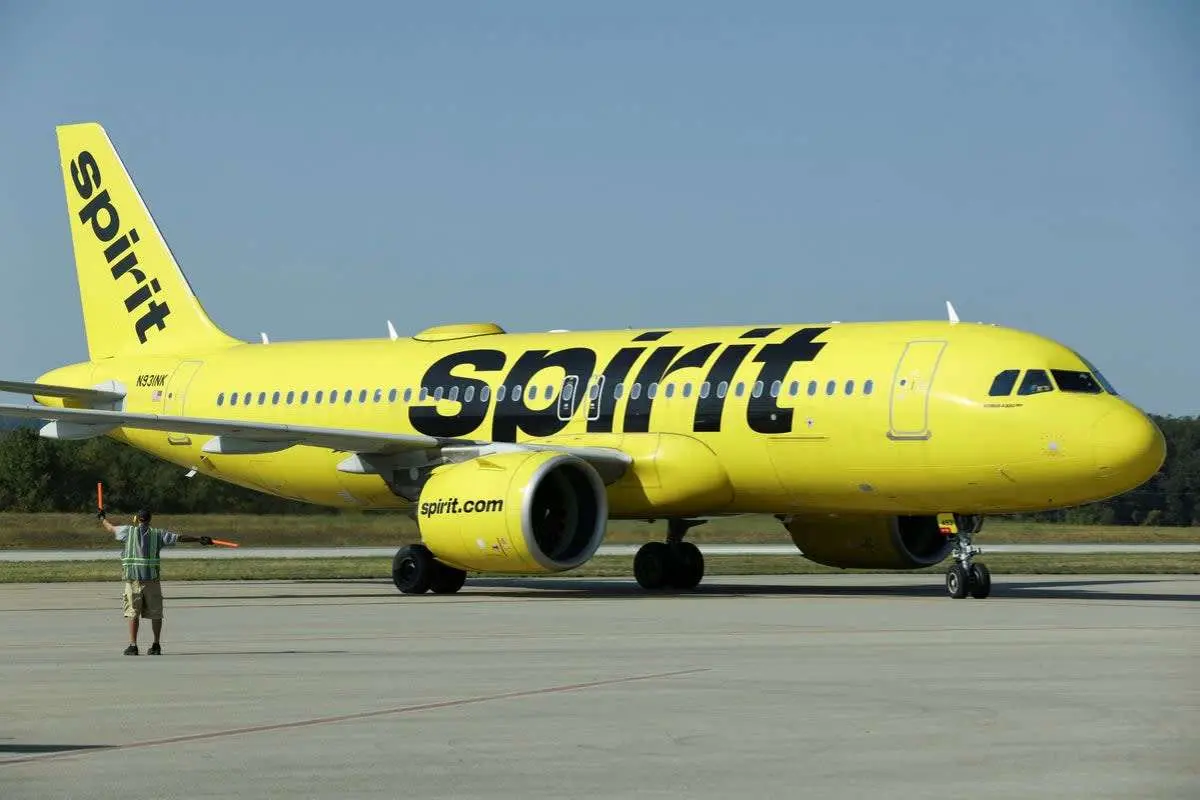
Spirit Airlines is at the center of advanced talks as the Donald Trump administration considers up to $500 million in aid, potentially taking an ownership stake to stabilize the struggling carrier and protect jobs—an effort widely described as a Spirit Airlines bailout.
Officials Push Bailout Plan Amid Uncertainty
The Trump administration is negotiating a potential bailout package for Spirit Airlines, according to sources familiar with the discussions. The proposed deal includes a loan of up to $500 million in exchange for warrants that could give the federal government a significant ownership stake, forming the basis of a possible Spirit Airlines bailout.
The agreement is not finalized and could change, but sources say it may be completed soon. Howard Lutnick is among the key officials advocating for government equity in the airline.
Donald Trump said Tuesday he would prefer a private-sector acquisition of the airline but directed his administration to explore a rescue option, keeping the possibility of a Spirit Airlines bailout on the table. A spokesperson for Spirit Airlines declined to comment, saying operations continue as normal.
The U.S. Department of Transportation also declined to comment. Transportation Secretary Sean Duffy said no final decision has been made, but emphasized urgency. “The clock is ticking,” he said on Tuesday.
Rare Move Raises Questions on Government Role
Federal intervention in a single airline would be unusual. While the government has supported the aviation industry broadly after crises such as the September 11 attacks and during the COVID-19 pandemic, direct aid to one carrier is rare. This context makes a potential Spirit Airlines bailout a significant policy consideration.
Duffy said the administration is weighing whether a bailout would ensure Spirit’s long-term viability. “The question will be, can we do anything to save Spirit and make it viable, or would we be putting good money into a company that inevitably is going to be liquidated?” he said.
Spirit, based in Fort Lauderdale, Florida, employs about 15,000 workers, including roughly 6,000 in Florida. Officials have pointed to those jobs as a key consideration in the decision.
Data Shows Fares Rise Without Budget Airlines
Analysts warn that the collapse of ultra-low-cost carriers like Spirit could lead to higher ticket prices. When Spirit exited routes at Minneapolis-St. Paul International Airport in December 2025, fares rose within days, in some cases by as much as 50% after competitors adjusted prices.
Data from aviation analytics firm Cirium shows similar trends. In 149 markets where Frontier Airlines stopped flying between 2023 and 2025, average fares rose 15.5%, or about $18 per ticket. By comparison, fares increased just 2.5% in markets where Frontier remained.
In some routes, increases were sharper. Flights between Fort Myers, Florida, and San Juan, Puerto Rico, rose by $127 within a year after Frontier exited, while Cincinnati to Philadelphia fares climbed by $83.
“Budget airlines are like weights when it comes to airfares,” said Henry Harteveldt of Atmosphere Research Group. “They help keep fares down. When there are no budget airlines on a route, airfares take off faster than the planes themselves.”
The outcome of the talks—and whether a Spirit Airlines bailout moves forward—could shape competition and pricing across the U.S. airline industry, as policymakers weigh market forces against job protection and consumer costs.