
Even during periods of geopolitical tension and economic uncertainty, stable professions in Israel highlight how the labour market behaves differently from many other countries. While some sectors slow down or temporarily freeze hiring, these stable professions in Israel continue functioning almost without interruption. The nation’s technological foundation, its layered system of public institutions, and the constant need for essential services create a unique resilience that sustains them.
Many foreign jobseekers, before taking the next step, look at platforms such as Layboard.in to analyse trends and understand what types of work stay secure regardless of the situation. For those monitoring an Israel job vacancy, it becomes clear that the demand structure in the country often follows long-term patterns rather than short-lived events.
Understanding the nature of stability in Israel’s labour market
In Israel, stability rarely means “no change.” Instead, it means the ability of an industry to function even when external conditions are unpredictable. Each of the key sectors operates within a framework that requires continuity. Health institutions must provide care; infrastructure must be supported; research laboratories must continue scheduled work; public systems must remain operational. This creates a situation in which demand for specialists persists consistently, and in some professions even increases when other sectors slow down.
A second important element of stability is the role of innovation. Israel is known for rapid adaptability, and companies often re-organise their activities instead of stopping them. When analysing vacancies through professional platforms, this flexibility becomes noticeable: some roles temporarily shift to remote format, others integrate additional safety procedures, but the demand itself does not disappear.
Stable and in-demand sectors in Israel
While many fields experience fluctuations, stable professions in Israel demonstrate constant hiring needs, regardless of political or economic conditions.
Medical and healthcare professionals
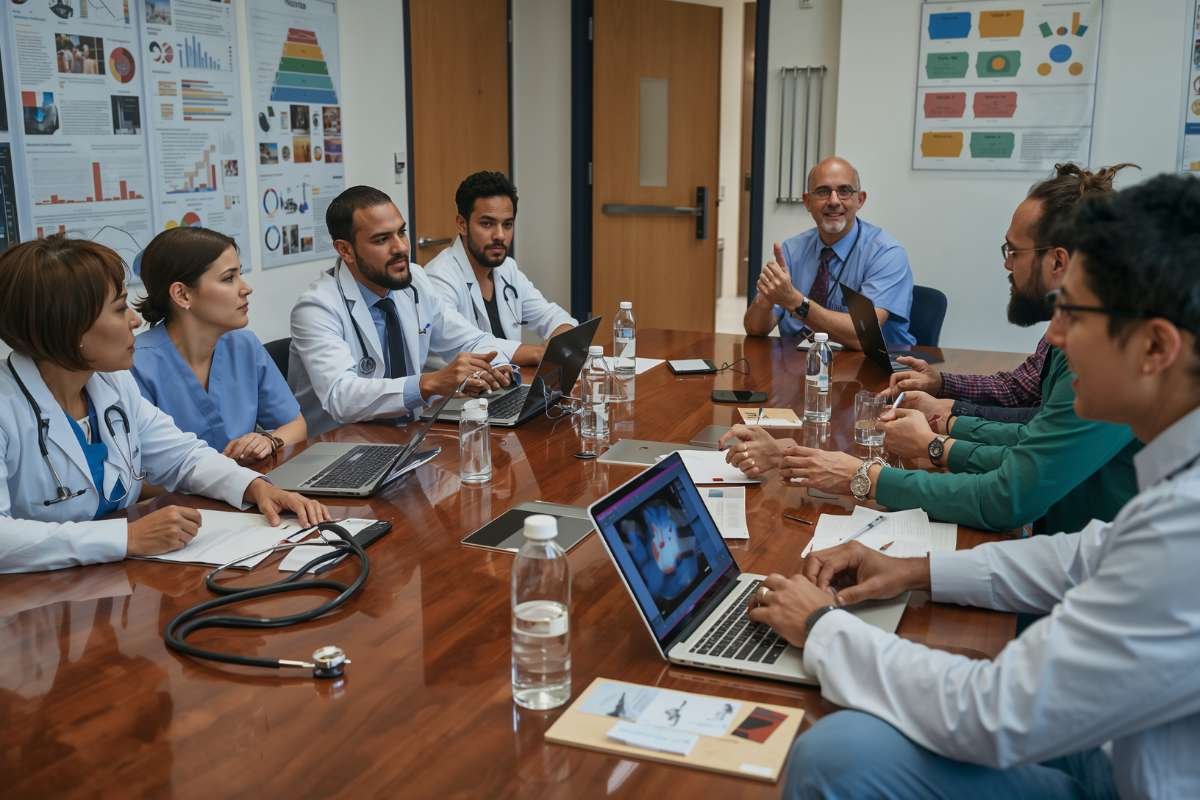
Healthcare is one of the most stable pillars of the Israeli labour market. Hospitals, clinics and emergency services require doctors, nurses, laboratory technicians and rehabilitation specialists in any circumstances. Even during periods of crisis, the system expands its capacity and hires additional personnel. Some institutions look for foreign professionals with strong qualifications, especially in specialised areas where shortages appear regularly.
IT and cybersecurity
Israel’s reputation as a global technology centre is well-established. Companies working in software development, data engineering, cybersecurity and AI research continue functioning even when offline sectors face interruptions. The technological ecosystem relies on remote-friendly processes, and many teams are distributed, which helps them remain stable during external disruptions. Vacancies in programming, quality assurance, infrastructure engineering and cyber defence appear consistently throughout the year.
Security and public-support roles

Due to the country’s specific environment, security remains a permanent employment area. This includes not only military-related positions but also civilian security staff, monitoring specialists, emergency-response teams and logistics workers supporting essential services. These roles may adjust their internal procedures during heightened alerts, but the demand stays constant.
How foreign professionals can navigate Israel’s resilient sectors?

Those who consider relocation or cross-border employment often focus on roles that remain needed during any scenario. The key strategy is to align personal qualifications with structural demand. Medical workers must confirm credentials; IT specialists should present strong portfolios; engineers benefit from internationally recognised certifications. Clear documentation, experience summaries and verified references help candidates position themselves more confidently.
Foreign jobseekers also benefit from tracking market changes regularly.Platforms and specialised job portals simplify this process by showing which sectors remain active and what standards employers currently expect. Since the labour market reacts quickly to external conditions, consistency in monitoring helps applicants respond at the right moment.
Israel continues to demonstrate that even in complex conditions, stable professions in Israel remain structurally strong. For professionals with relevant expertise, the country offers opportunities that are not tied to short‑term fluctuations. Many jobseekers rely on analytical resources when planning their next steps, and platforms like Layboard.in often serve as helpful points of orientation while examining trends. This makes it easier to understand where long‑term stability can realistically be expected and how individual skills align with Israel’s evolving labour landscape.
FAQs:
1. Which professions stay the most stable in Israel?
Healthcare, IT, engineering and security-related roles remain consistently in demand.
2. Are foreign specialists hired during crises?
Yes. Employers continue recruiting if the profession requires ongoing operation, though verification of qualifications may take longer.
3. Do companies switch to remote work during unstable periods?
Many IT and administrative teams temporarily relocate to remote formats, allowing work to continue.
4. Is Hebrew required for stable professions?
Not always. In IT and some scientific fields, English is widely used, while healthcare and public roles often require at least basic Hebrew.