Key Takeaways:
- Earnings Beat: Revenue reached $22.39 billion with a strong 21.7% gross margin.
- Massive AI Investment: Tesla will spend over $25 billion in 2026 on chips and infrastructure.
- Robotaxi Expansion: Operations grew in Texas with “unsupervised” rides and a move toward the Cybercab.
Tesla reported first-quarter results above forecasts, with strong revenue growth and improved margins highlighting resilience despite rising capital expenditures and delivery concerns. The latest Tesla Q1 earnings underscore the company’s continued push into artificial intelligence, chips, and robotaxis.
Tesla on Wednesday posted better-than-expected first-quarter results, signaling momentum in its core auto and emerging AI businesses even as heavy spending plans weigh on investor sentiment.
Tesla Tops Forecasts on Revenue and Profit Growth
In its latest Tesla Q1 earnings, the company posted revenue of $22.39 billion, beating analyst expectations of $22.08 billion and marking a 16% year-over-year increase. Adjusted earnings per share came in at $0.41, ahead of the projected $0.35.
Gross margin reached 21.7%, significantly exceeding the expected 17.7%, driven by operational efficiency and improved pricing strategies. These Tesla Q1 earnings reflect stronger-than-anticipated performance in both automotive and emerging technology segments.
Chief Financial Officer Vaibhav Taneja said capital expenditures for 2026 will exceed $25 billion, driven by investments in artificial intelligence, battery production and manufacturing expansion.
“We commenced ramp of additional AI compute, new factories across battery and battery materials,” the company said in its earnings release, citing preparations for new product lines.
Despite strong Tesla Q1 earnings, the company expects negative free cash flow for the remainder of the year due to elevated spending. Shares initially rose in after-hours trading before retreating following the capex outlook.
Robotaxi Expansion Drives Growth Narrative
Tesla continues to position its robotaxi service as a key growth driver. The company expanded operations to Dallas and Houston, building on existing services in Austin and the San Francisco Bay Area.
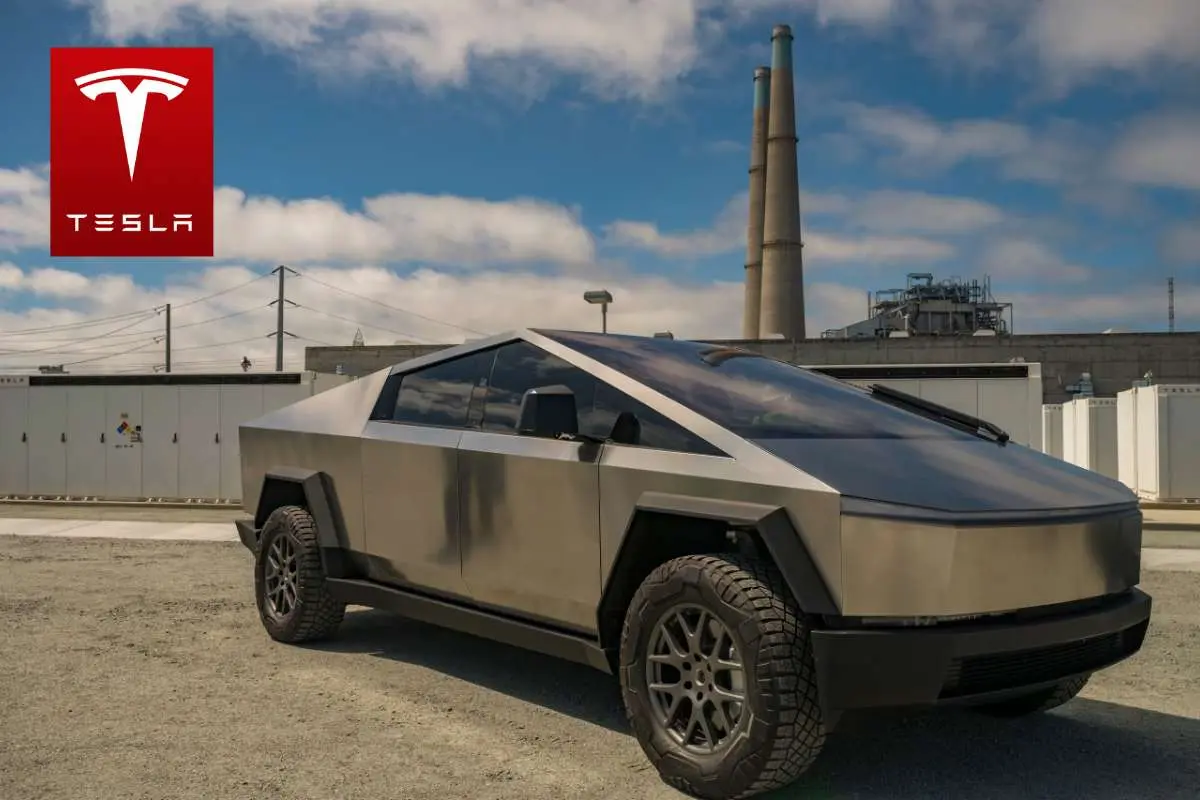
Robotaxi miles nearly doubled sequentially, reinforcing momentum seen in recent Tesla Q1 earnings. The company also revealed that upcoming Cybercab vehicles are expected to eventually replace Model Y SUVs currently used in the service.
The company also introduced “unsupervised” rides in select markets, meaning no safety driver is present, though the rollout remains limited. Tesla has not disclosed fleet size or operational scale in these regions.
Analysts say the lack of transparency around deployment metrics remains a concern, even as the expansion signals technological progress.
AI, Chip Ambitions Raise Stakes and Costs
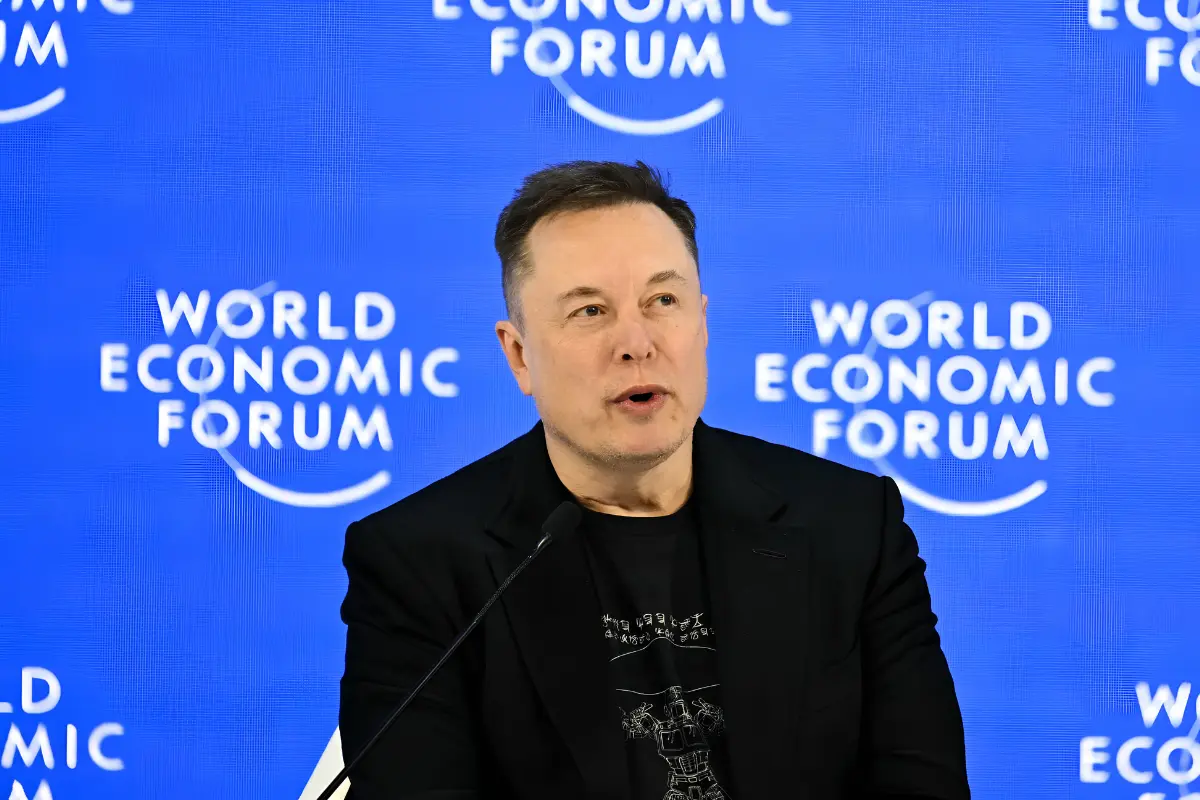
Chief Executive Officer Elon Musk emphasized the company’s push into AI and chip development as central to its long-term strategy in the latest Tesla Q1 earnings. Tesla recently completed the design phase of its AI5 chip, intended for future vehicles and AI training systems.
A significant portion of the company’s capital spending will go toward building its own chip manufacturing facility, known as a “Terafab,” planned in Texas. Industry analysts caution that developing an in-house semiconductor fabrication plant is both costly and technically complex.
Musk said Tesla could deploy its Optimus humanoid robot beyond internal use as early as next year, with a new version expected to be unveiled around midyear.
While Tesla’s innovation pipeline remains robust, its vehicle deliveries totaled 358,023 units in the quarter, below expectations of 364,645. The company attributed the shortfall in part to production transitions for updated models.
Still, the company signaled plans to introduce more affordable vehicles to refresh its lineup and support long-term growth. While delivery concerns persist, the broader narrative from Tesla Q1 earnings points to a company doubling down on innovation, even at the cost of near-term profitability.