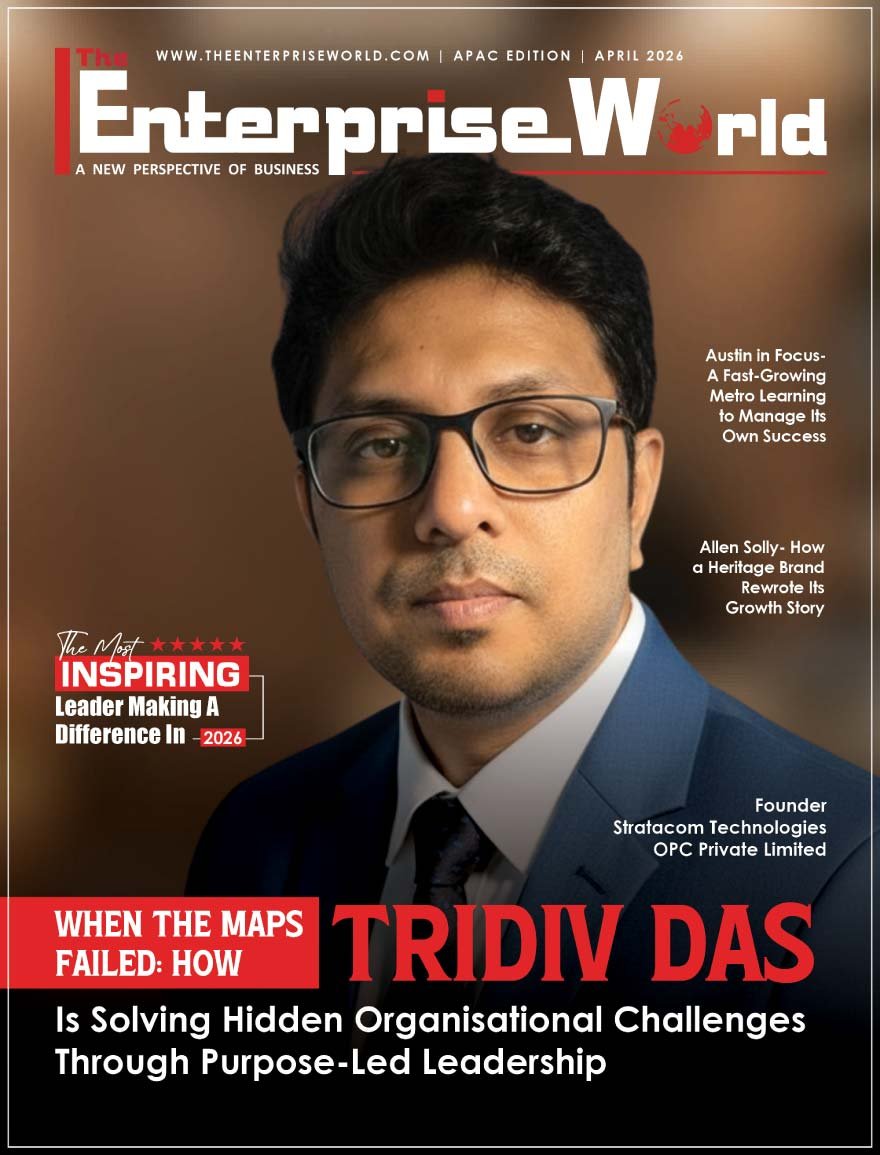
Tridiv Das (TD)
Founder, Stratacom Technologies OPC Private Limited
Somewhere along the way, those who work closely with him refer to him simply as TD, a shorthand that has followed him across teams and clients. He is the Founder of Stratacom Technologies OPC Private Limited. His work centres on purpose-led change, leadership alignment, and building healthier organisational communities.
By the age of 27, Tridiv Das had arrived at what many would call early success. He was Vice President for creative and strategy, working on high-visibility projects that demanded constant thinking, planning, and decision-making. From the outside, it looked like momentum. Inside, it was definitely more layered than that.
The work was demanding, yet it was not the hours alone that weighed on him. Alongside strategy and creative thinking ran a steady current of organisational politics, and decisions rarely stayed contained within meeting rooms. The pressure to deliver did not end at the end of the workday…it followed him home, shaping how he spent his time and how carefully he managed his energy.
As responsibilities increased, personal connections began to thin, not out of choice, but out of tiredness. Friendships became harder to stay present in, and trust within teams felt less steady than before. Over time, that absence of “pause” began to matter. Without moments of pause, it became harder to sense what the work was costing, not just professionally, but personally.
“The silence you fear is often the space where the next version of you is waiting to speak.”
According to TD, he was overworked, overstretched, and constantly on the move.
“But what disturbed me more was the realisation that despite doing everything right, something essential was being lost.”
That early success did not break him in one dramatic moment. It wore him down gradually. And in hindsight, that slow burnout became the first signal that the system itself was flawed.
People rarely fall apart overnight. They drift.
The Moment the World Changed
By 2020, the unease Tridiv Das had been carrying found a wider context. The pandemic did more than disrupt businesses; it revealed how organisations responded when people were most vulnerable.
Across industries, layoffs became strategic decisions taken during a period of collective uncertainty. It exposed something deeper about how organisations saw the people within them.
“Beyond paychecks, organisations give people identity, belonging, and dignity,” he says. “When those structures break under pressure, the impact does not stop at work.”
What became clearer during that period was the quiet contradiction many had learned to live with. Organisations were often criticised as impersonal or transactional, yet they shaped daily life in ways few other institutions did. When work became stressful, its effects showed up in health, relationships, and emotional well-being.
For TD, this period was not just a business response to a crisis. He began to see organisations less as systems to be optimised and more as communities that needed care. Treating stress, disengagement, or resistance as isolated issues no longer feels sufficient. Something more foundational had to change.
From Fixing to Rebuilding
Before founding Stratacom Technologies, Tridiv Das had built another firm, Creative Factor, which worked with global brands on marketing strategy and execution. The work was visible, fast-paced, and, by most measures, successful.
Yet much of it was reactive. His team was often brought in to fix problems that had already taken shape inside client organisations. Campaigns stalled not because of a lack of effort, but because priorities shifted without clarity. Decisions moved slowly through layers of hierarchy. Simple work became complicated by internal dynamics over which no one seemed fully in control.
“Campaigns would drag, projects would stall, and teams would burn out,” Tridiv Das recalls. “Over time, it became clear that we were responding to symptoms rather than addressing the cause.”
Managing multiple clients under constant urgency came at a cost. Despite his attempts to protect his team, exhaustion began to surface, quietly at first. The pressure was not only about delivery, but about operating within systems where confusion had become routine. This was when he realised that execution stress was not the only real issue. Leadership misalignment, cultural friction, and decision-making structures… these no longer served the people working within them.
“You can’t rebuild until you release. And sometimes, release isn’t loss. It’s space being made for what’s next.”
Stratacom Technologies emerged from that understanding. The intent was no longer to fix individual problems as they appeared, but to step back and address the conditions that kept creating them.
A Different Kind of Firm
Stratacom Technologies positions itself as a purpose-led change management firm, and more importantly, as a strategic partner helping organisations navigate human and systemic change.
This distinction was intentional. Stratacom does not partner with organisations seeking short-term execution or quick interventions. It partners with leadership teams willing to confront deeper organisational challenges: disengagement, cultural resistance, misaligned decision-making, and declining trust.
The outcome is not just philosophical alignment, but also clearer decisions, healthier teams, and more sustainable performance.
At the heart of its work is a single flagship idea: purpose activation.
“Purpose is not a branding exercise,” TD explains. “It is a compass. When organisations lose it, leaders resort to force. Pressure moves downward, resistance moves upward, and everyone suffers.”
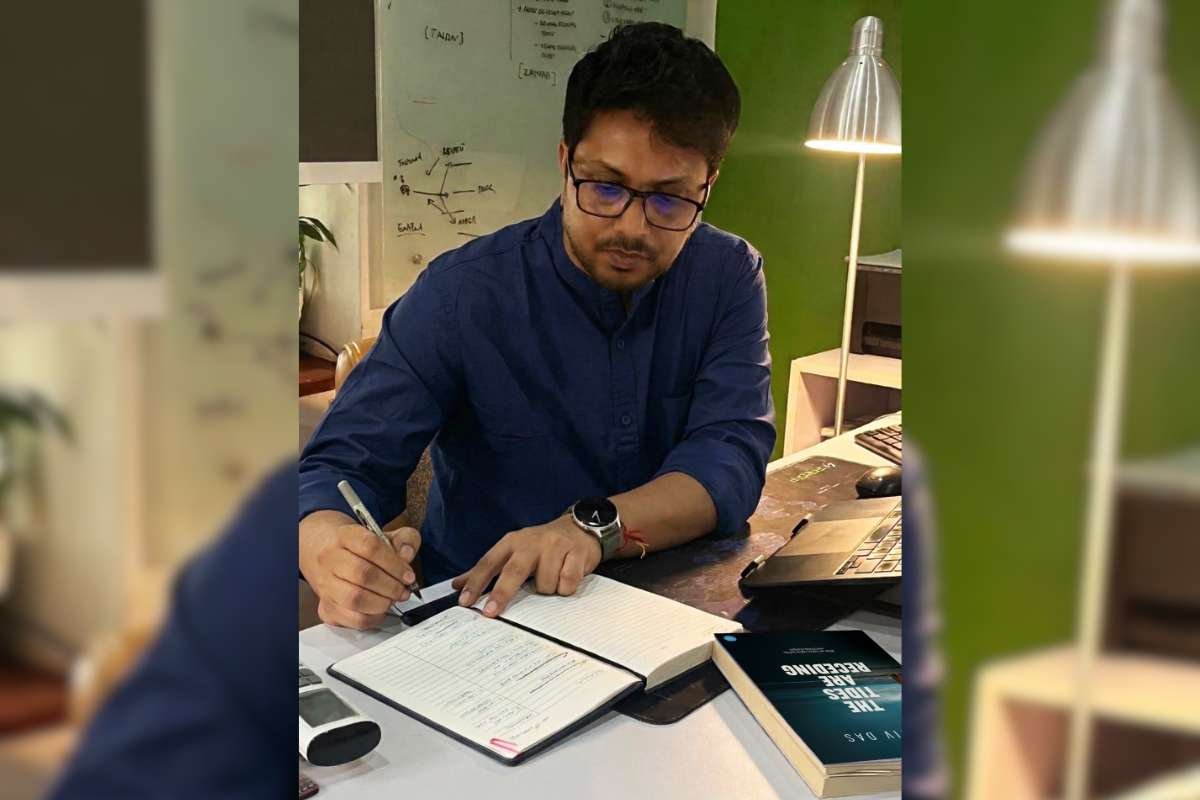
“We love new things, and then we use them in the old way.”
In many organisations, leadership models borrowed from an earlier era still shape how work is managed. Hierarchies built for control continue to influence environments that now demand collaboration and judgment. Over time, this gap creates friction, not just between teams, but within the organisation itself.
“We often see organisations working hard,” TD says, “but no longer working together.”
When Maps No Longer Work
Tridiv Das often returns to a metaphor that has become central to his thinking: the world has moved beyond maps. Maps work in stable terrain. They assume the path ahead will resemble the path behind. For a long time, organisations relied on this logic. Past experience guided future decisions, and repetition created confidence.
But the terrain leaders now face is constantly shifting. What worked yesterday no longer works today. Growth looks possible on paper, but culture struggles to keep pace.
“The problem is not that leaders lack intelligence or intent,” he notes. “They are operating from old maps in a world that demands a compass.”
In this context, purpose becomes less of an aspiration and more of an anchor. It offers orientation when outcomes are uncertain, and decisions cannot rely on precedent alone.
You cannot control the sea. You can choose what you anchor to.
Lacking a clear anchor, organisations overcompensate with control, leading to top-down pressure, resistance, and eroding trust as effort increases.
You cannot control the sea. You can choose what you anchor to.
Without that anchor, organisations tend to compensate through control. Pressure builds at the top and moves downward, creating resistance where alignment is missing. Over time, effort increases while trust erodes.
TD believes future progress requires organisations to first rediscover direction, not focus on speed through better instructions or tighter oversight.
A Category Still Being Built
“We are still a work in progress,” he says candidly.
“Purpose activation is a relatively new category. Many leaders are not familiar with it. They don’t yet know what they are missing.”
“Belief fades long before performance.”
Stratacom is a young firm, just over two years old, and TD is careful not to overstate its victories. What stands out in his approach is a refusal to package transformation as certainty.
The firm has led purpose activation engagements and supported early-stage organisations with brand positioning and strategic clarity. But he sees the current phase less as a victory lap and more as an invitation. This article is not about claiming success, according to him. It is about letting leaders know that we are here, and that this kind of change is possible.
Extending the Conversation Through Writing
Education plays a central role in that invitation. Stratacom actively publishes thought leadership across platforms to help leaders step back from constant firefighting.
Alongside his consulting work, TD began writing, not to offer answers but to make sense of what he was observing. Writing became a way to slow the conversation down, especially in environments where speed had become the default response to uncertainty.
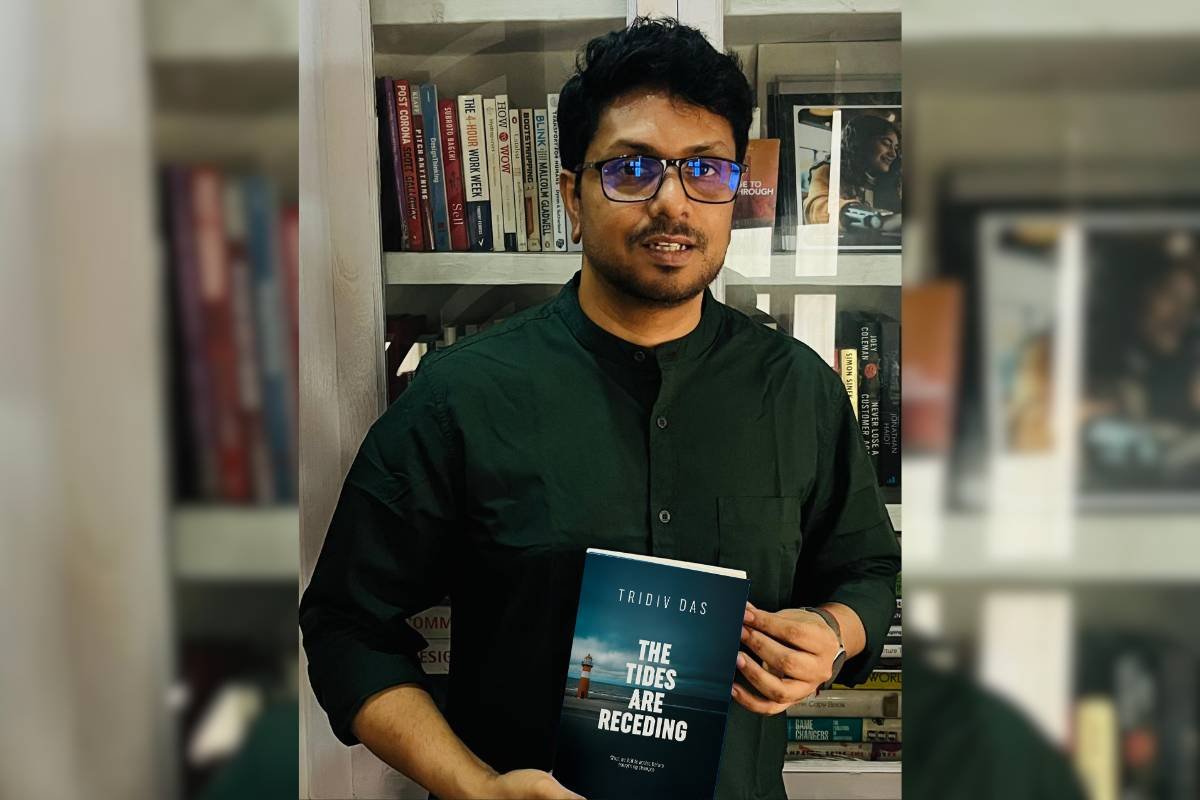
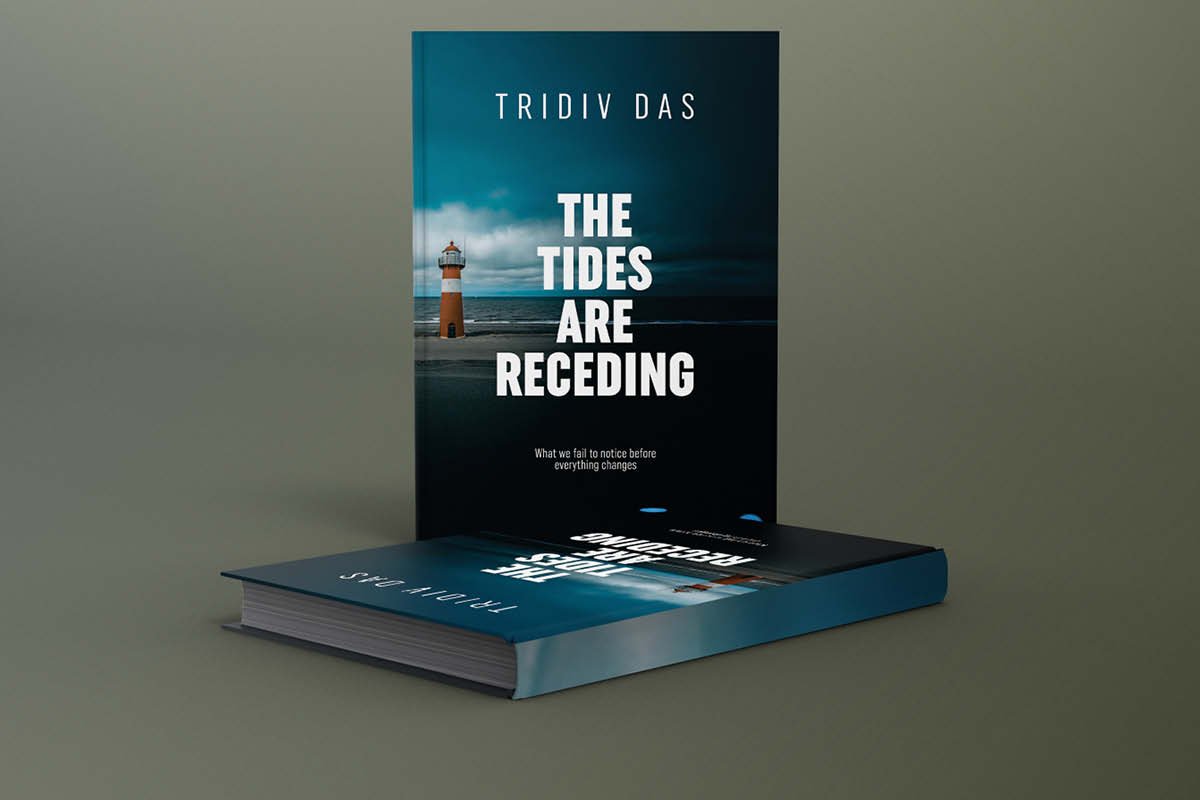
His book, The Tides Are Receding, emerged from this need. Rather than focusing on tactics or frameworks, it invites leaders to notice patterns that often go unexamined. The book encourages deliberation on how organisations change, how people respond to that change, and what gets overlooked when attention is fixed only on outcomes.
“Nothing slows change more than the comfort of familiar mistakes.”
For him, the book is less a destination and more a pause. A chance for leaders to step out of constant firefighting and reconnect with direction, clarity, and judgment before deciding what needs to happen next. “Leaders are overwhelmed not because they lack capability,” TD explains, “but because they are trapped inside systems that no longer make sense.”
Leadership as a Human Act
TD’s leadership philosophy rests on a simple belief: people want to matter.
Over time, he has seen that most people are not resisting work itself. They are responding to environments where effort and recognition no longer align. Expectations rise, pressure increases, yet the reasons for doing the work become less clear.
“Everyone is trying to prove themselves to someone,” he says. “But in most organisations, actions and rewards are misaligned.”
For TD, leadership is not about driving harder or holding tighter. It is about restoring coherence. When people understand why their work exists and how it connects to something larger, motivation does not need to be forced.
Work, in this sense, becomes more than a role or a task. It becomes a source of identity and contribution. When that connection weakens, no amount of incentive can compensate. His own definition of success has shifted with time. Early in his career, he achieved what society often celebrates: position, visibility, and momentum. Yet those markers felt incomplete.
“If my life and work do not matter to the people they touch, then none of it counts. If I leave the world better than I found it for the next generation, I will know I’ve done enough.”
A Final Thought
Over the years, TD has come to see that many of the challenges organisations face are not caused by a lack of effort or intelligence. They stem from operating in ways that no longer fit the world they are part of. The paths that once guided decisions and growth still exist, but they do not always lead where leaders expect. In moments like these, moving faster rarely helps. What matters more is knowing what to hold on to.
“Our life’s journey has exceeded the map world,” TD reflects. “Without a compass, we will be lost.”
Stratacom exists to help leaders find that compass again!
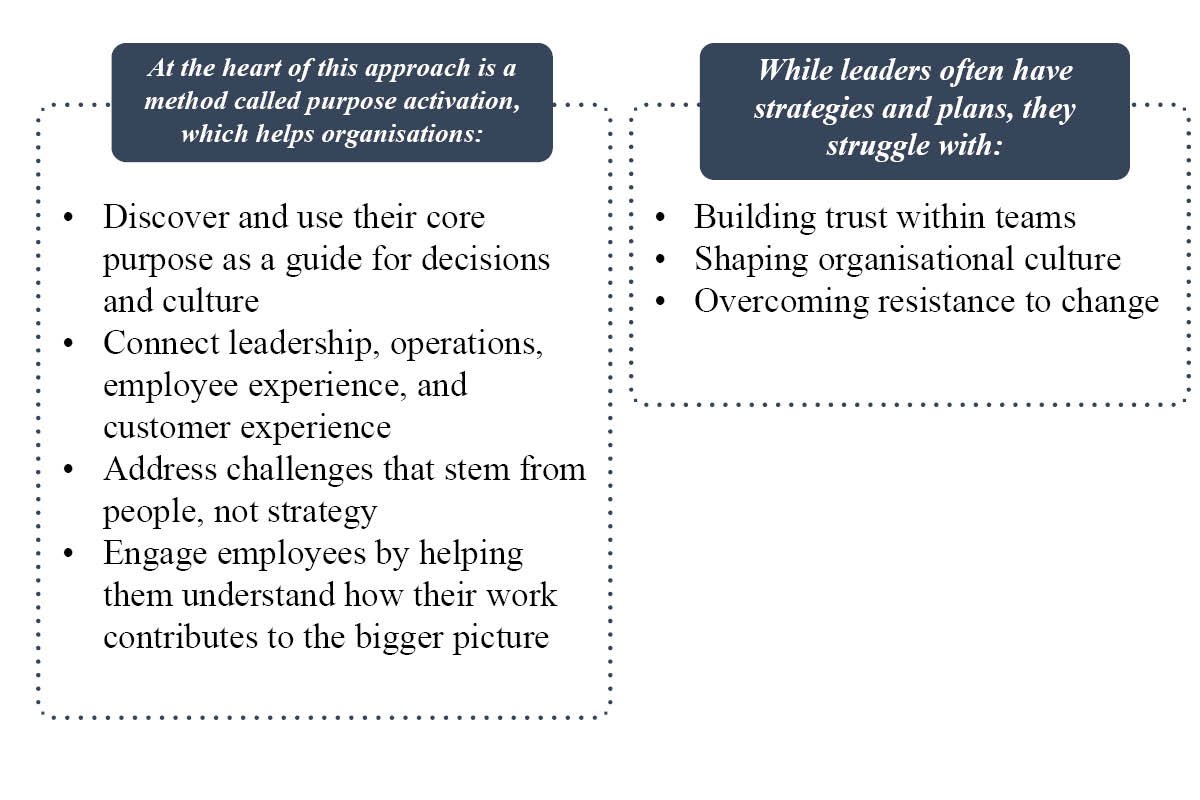
While leaders often have strategies and plans, they struggle with:
- Building trust within teams
- Shaping organisational culture
- Overcoming resistance to change
At the heart of this approach is a method called purpose activation, which helps organisations:
- Discover and use their core purpose as a guide for decisions and culture
- Connect leadership, operations, employee experience, and customer experience
- Address challenges that stem from people, not strategy
- Engage employees by helping them understand how their work contributes to the bigger picture
The result is greater engagement, smoother change, and teams that perform with focus, confidence, and a shared sense of purpose.
Current Projects in 2026
In 2026, Tridiv Das and his team are involved in:
- Global merger projects
- Supporting a family-run business through a generational transition
These projects require careful alignment of leadership, culture, and purpose, making them ideal opportunities to apply their expertise and create lasting, meaningful impact.
Ensuring Privacy, Compliance, and Ethical Responsibility
Tridiv Das and his team handle all organisational information, leadership discussions, and cultural assessments with the utmost care. They follow strict ethical standards and ensure that all data is managed responsibly and kept confidential. They also focus on creating a safe environment during change processes, so participants can share their ideas and concerns openly without fear of any negative consequences.
It’s About Care, Not Control
For Tridiv, the biggest learning in leadership has been that it is about care, not control. He has seen that people want to do their best, but their efforts and rewards are often misaligned. His focus is on connecting individuals to meaningful work and creating an environment where they feel recognised and valued. When people understand their purpose and feel truly engaged, strong performance comes naturally.
The stories of Tridiv Das and Stratacom have been featured in several media outlets, highlighting their impact, leadership, and purpose-driven work.
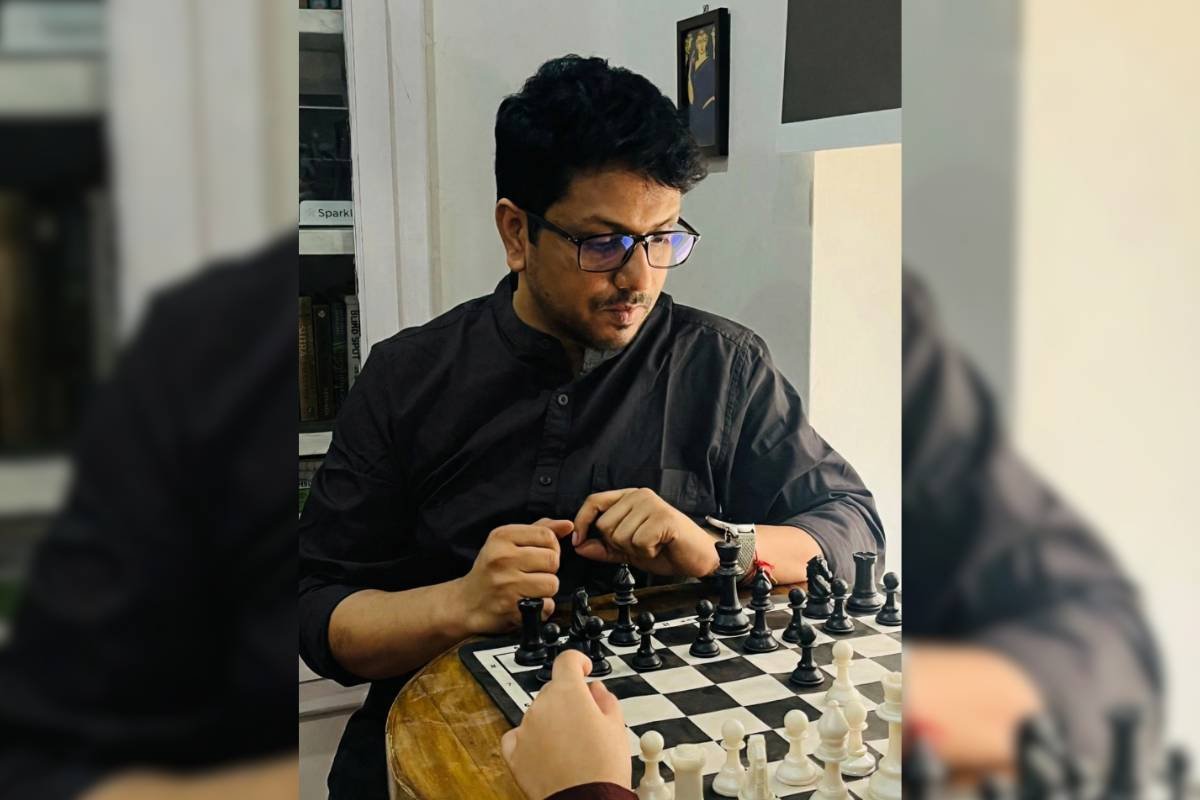
For Tridiv Das
- PrimeInsights Tridiv Daas: This feature highlights Tridiv Das as a leader who helps organisations become clear, resilient, and purpose-driven.
- Businessconnectindia Global Entrepreneurship Honor & Award 2024: This recognition highlights Tridiv Das’s entrepreneurial journey and Stratacom’s contribution to purpose-led organisational transformation.
For Stratacom
- Global Entrepreneurship Honor and Award 2024: This award celebrates Stratacom as a company making a real impact through innovation, leadership, and transformative work in organisations.
Quick Takes
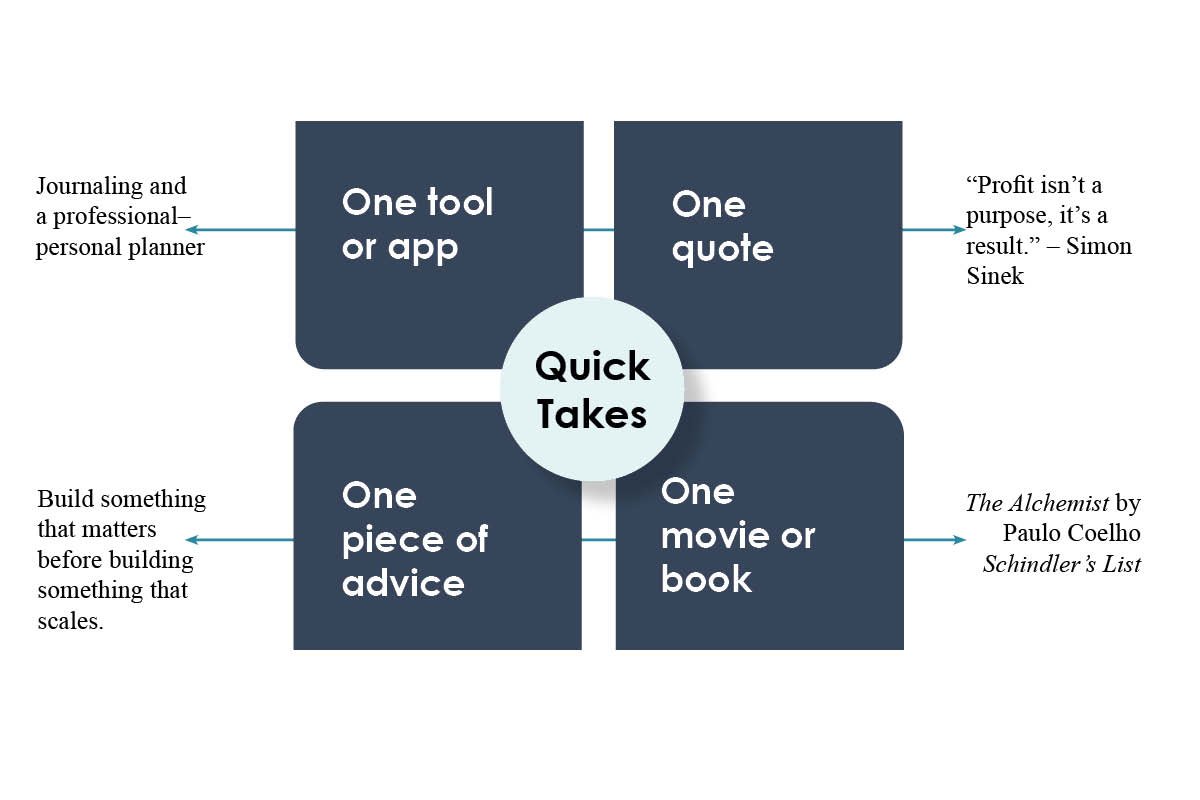
1. One tool or app you recommend:
Journaling and a professional–personal planner
2. One quote that motivates you:
“Profit isn’t a purpose, it’s a result.”
Simon Sinek
3. One piece of advice to upcoming entrepreneurs:
Build something that matters before building something that scales.
4. One book or movie recommendation:
The Alchemist by Paulo Coelho
Schindler’s List
Tridiv Das’s 5 Impactful Business Mantras
- Solve root problems, not surface issues: Burnout and delays often come from deeper misalignment, not lack of effort.
- Purpose drives performance: When people know why their work matters, results improve naturally.
- Lead with care, not control: Trust and safety create stronger teams than pressure or authority.
- Build organisations as communities: Workplaces shape people’s dignity, identity, and well-being.
- Pause before pushing forward: Reflection and alignment lead to lasting growth, not constant urgency.