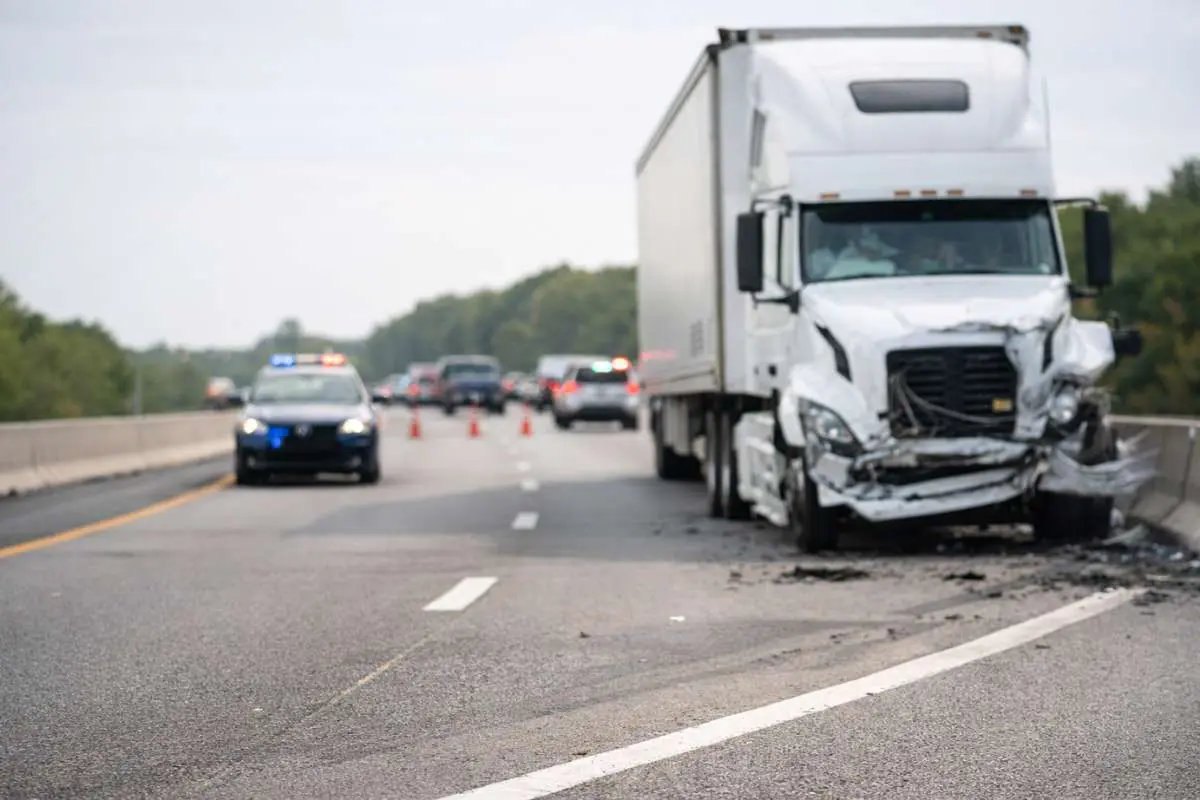
Brooklyn is one of New York City’s busiest boroughs, where commercial trucks share crowded streets with commuters, cyclists, pedestrians, and public transportation every day. Its active neighborhoods, growing businesses, and constant flow of deliveries make large trucks an essential part of the local economy, but they also increase the risk of serious collisions. When a crash involving a commercial truck occurs, the consequences can be far more severe than those of a typical traffic accident, leaving victims with significant injuries, financial burdens, and uncertainty about their legal options.
Understanding how truck accident injury lawsuits work is an important step toward protecting your rights and holding those responsible accountable. Taking informed action early can help preserve valuable evidence and strengthen a claim while allowing injured individuals to focus on their recovery. Seeking guidance from a Shulman & Hill truck accident attorney can provide the support needed to navigate the legal process and pursue fair compensation with greater confidence.
Early legal help matters
In the days after a collision, medical treatment, repair estimates, and insurer requests can compete for attention. An attorney can review crash records, identify liable parties, and explain filing deadlines. Prompt help may preserve truck data, driver logs, cargo papers, camera footage, maintenance files, and witness accounts before evidence becomes harder to secure.
Truck cases differ
Truck accident injury lawsuits carry issues that ordinary car claims rarely involve. Commercial drivers must follow hour limits, inspection rules, and training standards. Employers may be held responsible for unsafe schedules, poor hiring, or missed repairs. Other parties can also be at issue, including cargo crews, maintenance vendors, parts makers, or brokers whose conduct contributed to the impact.
Fault can be shared

New York applies comparative fault in injury cases. An injured person may still recover payment even if partly responsible for the crash. Any award is reduced by that person’s share of blame. If a victim is found 20 percent at fault, that portion is deducted from the total recovery, while the remaining balance may still be pursued.
Evidence drives value
A strong lawsuit rests on proof, not memory alone. Useful materials include police reports, medical charts, photos, videos, black box data, dispatch records, and inspection files. Witness statements can clarify speed, lane position, braking, or driver behavior. Fast investigation matters because trucks get repaired, electronic data may be overwritten, and recollections fade with time.
Medical records matter

Medical records connect the crash to the body’s response. Delayed care may allow insurers to argue that pain came from another event. Victims should keep appointments, follow treatment plans, and save bills. Notes from physicians, therapists, hospitals, imaging centers, and pharmacies can document swelling, restricted range of motion, nerve symptoms, surgical needs, work limitations, and future care.
Damages may vary
Damages can include financial losses and human harm. Economic losses may cover ambulance transport, emergency care, surgery, therapy, medication, lost income, and reduced earning capacity. Non-economic losses may involve pain, anxiety, sleep disruption, scarring, mobility limits, and loss of daily routines. In fatal crashes, eligible relatives may seek certain losses tied to death, funeral costs, and support.
Insurers protect budgets

Insurance companies evaluate claims with cost control in mind. Adjusters may request recorded statements, dispute treatment, question fault, or offer quick settlements. Early payment may ignore surgery, rehabilitation, wage loss, or permanent impairment. Victims should know the full medical picture before accepting money, since most settlements close the claim for good.
Deadlines are strict
New York generally gives injured people 3 years from the date of the crash to file a personal injury lawsuit. Wrongful death claims usually have a two-year deadline from the date of death. Claims involving public entities may require much faster notice. Missing a deadline, often known as a statute of limitations, can end the right to seek compensation, even when injuries are severe.
Truck accident injury lawsuits often settle
Many truck injury cases resolve before trial. Settlement talks may begin after investigation, medical review, and damage analysis. If insurers refuse fair payment, litigation can include discovery, depositions, expert reports, and court hearings. Trial remains possible, but careful preparation often improves settlement value because both sides can better assess risk.
Conclusion
Truck accident injury lawsuits require attention to both medical recovery and legal timing. Injured people should get care, preserve proof, avoid rushed statements, and track every deadline. Liability may extend beyond the driver when company policies, cargo loading, repairs, or defective parts contributed to the crash. With organized records and timely legal guidance, victims can pursue compensation through a clearer, better-supported claim.