The Jaguar E-Type continues to captivate enthusiasts long after its production ended, but its timeless design comes with a challenge: vintage Jaguar E-Type parts sourcing. Owners often struggle to find components that meet the car’s original standards, as reproductions and inconsistent listings can compromise quality. Knowing where and how to source dependable, authentic parts is crucial for anyone committed to restoring this classic icon.
Research Before You Buy
Every E-Type generation differs in subtle but important ways. Among vintage sports coupes, the E-Type stands out for its evolving engineering across Series 1, Series 2, and Series 3 models. A slight mismatch can cause major problems during reassembly. The Series 2 Coupe needs careful trim alignment, while late Series 3 cars share Series III V12 components.
A balanced gear ratio of 3.54:1 suits most E-Type Jaguars used for regular driving. However, sourcing accurate drivetrain components is critical for high-performance tuning or specialised builds. Suppliers like ntgear.co.uk provide crown wheel and pinion sets that align with specific E-Type series requirements. Vehicles powered by the Jaguar XK engine may also benefit from tailored ratios that enhance torque and throttle response.
Accurate part identification matters before any purchase. The Jaguar Heritage lists, manuals, and supplier catalogs offer reliable references. Manual transmission ratios should align with the Jaguar V12 engine used in late Series 3 models.
Before making any purchase, review the conditions carefully. Ask about return policies, delivery times, and authenticity guarantees to protect your investment. Save all maintenance records for warranty purposes and long-term restoration tracking.
Verifying Authenticity
Many parts now sold online for the E-Type are reproductions that look correct but fail under stress. Compare new components with verified OEM parts to confirm they match original factory specifications.
For verification, sellers should provide clear photos showing casting marks, serial numbers, and surface finishes. Reliable listings share these details openly, while vague ones often hide poor reproductions. Professional metal testing ensures material strength and helps prevent costly failures in critical parts.
Professional verification is also possible. Some specialists authenticate parts for collectors and supply documentation for insurance or resale. Rust inspection is vital before fitting any refurbished body panels or structural parts. Keep maintenance records updated to document replacements and protect value during live auctions.
Build Relationships with Specialist Suppliers
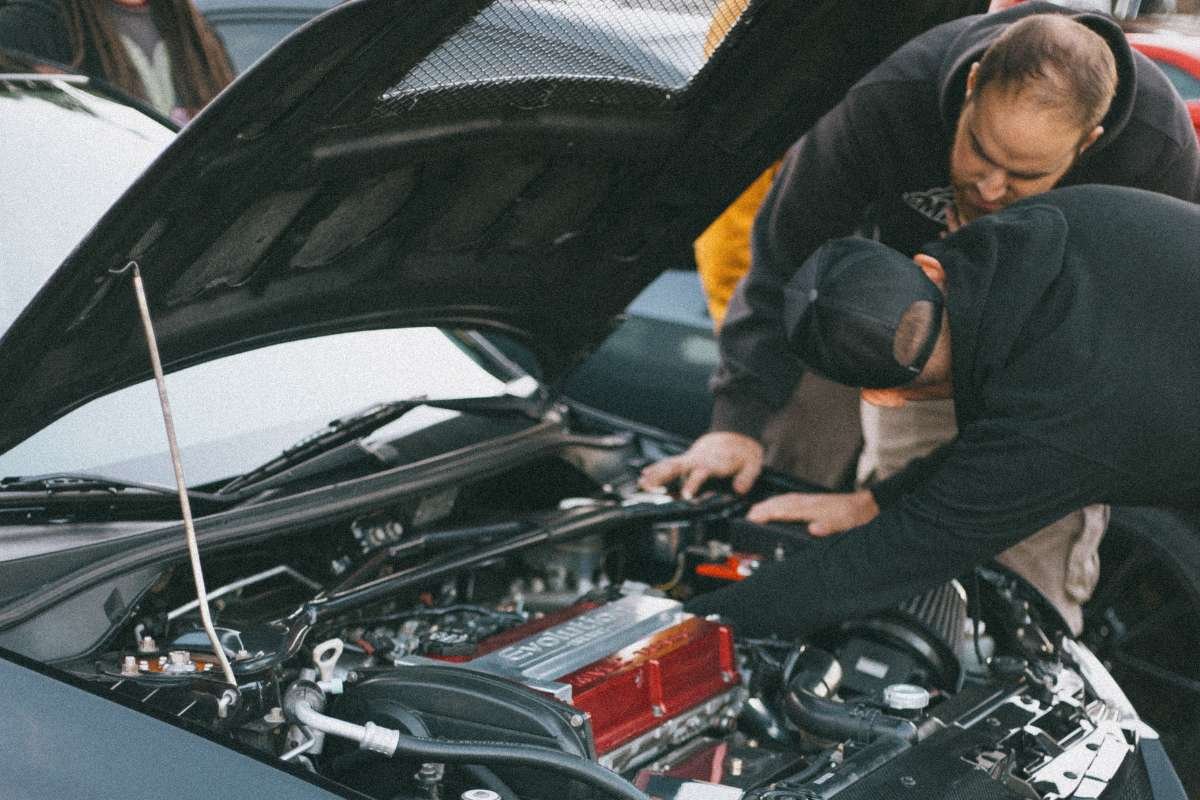
When it comes to vintage Jaguar E-Type parts sourcing, small businesses often prove more reliable than large distributors. These niche suppliers frequently maintain direct ties with former Jaguar engineers or heritage workshops, ensuring access to authentic components and expert craftsmanship.
Communicate directly. A short, respectful conversation often reveals hidden stock or upcoming production runs. Many specialists hold small batches of discontinued components not listed online.
Suppliers appreciate informed buyers. Understanding model variations and part details builds supplier trust and ensures better cooperation. Check provenance when buying from auction houses to avoid inflated prices on imitation parts. Reputable used car auction houses often need verified maintenance records before listing vintage cars for sale.
Join Restoration Clubs
Community networking plays a vital role in vintage Jaguar E-Type parts sourcing, especially when authentic components are hard to find through mainstream channels. Many private sellers prefer to trade within trusted circles, often limiting access to club members or personal referrals. Joining a Jaguar club or participating in popular car forums can unlock these exclusive opportunities.
Members often share reliable supplier names and warn others about counterfeit issues. Some retired mechanics even fabricate small runs of accurate components using period-correct materials.
Contributing verified sources or restoration notes strengthens those networks. Sharing information builds goodwill and helps preserve the vintage Jaguar E-Type community. Upcoming auctions in club networks often reveal rare components or partial restoration kits. Fans of the E-Type Lightweight and other lightweight competition cars often exchange restoration tips.
Evaluate Reproduction and Reconditioned Parts
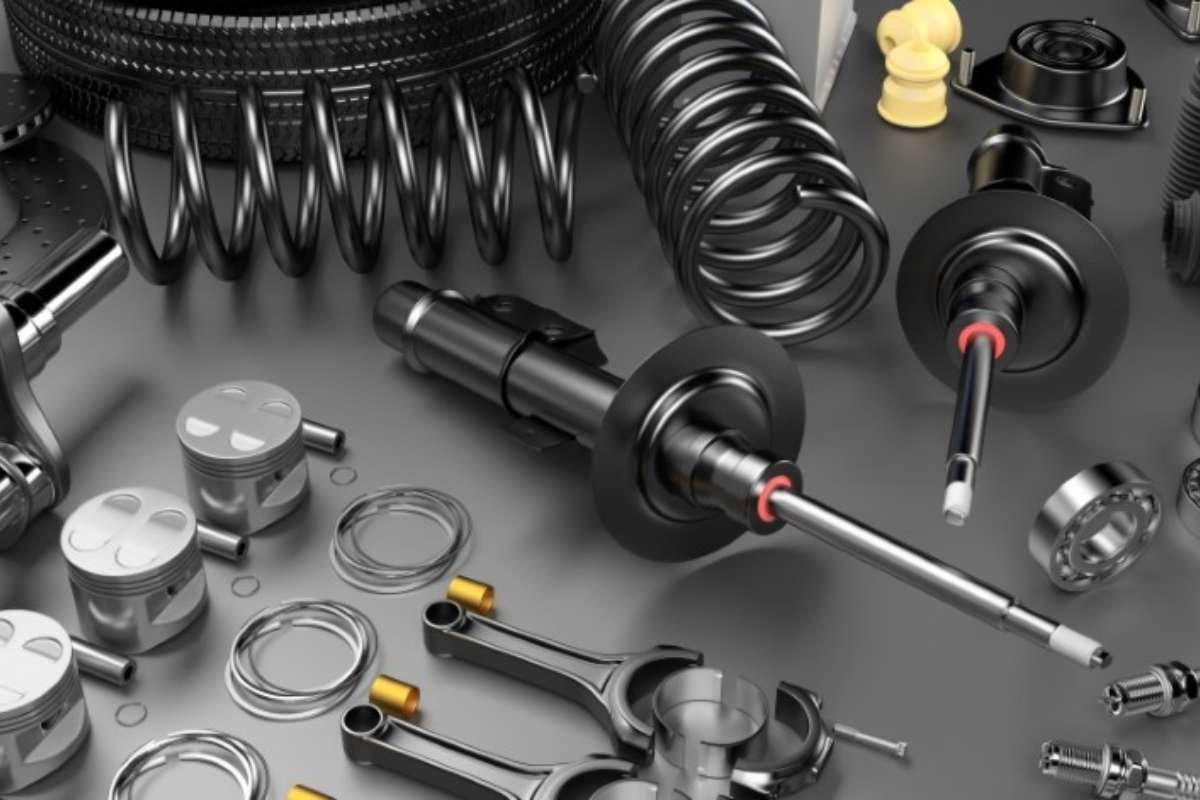
Reproduction parts fill important gaps but vary in quality. Reconditioned parts, rebuilt from genuine components, often offer better results.
A refurbished Lucas alternator or Smiths gauge keeps authentic construction and dependable performance. Before buying, request images of the restoration process and testing results.
Modern restorers often take a hybrid approach to vintage Jaguar E-Type parts sourcing. Non-critical components like knobs are sometimes 3D printed to save costs, while essential systems remain true to the original design. Using shop-by-category filters makes it easier to find the right parts for each vehicle’s condition at the best possible price.
Use Technology to Track and Verify Parts
Modern tools simplify part sourcing for the vintage Jaguar E-Type. For example, you can set alerts on auction platforms for specific part numbers.
Reverse image searches help confirm whether a seller’s photos appear elsewhere under different names. Inconsistent listings often signal copied or counterfeit stock. Keep a digital log of every purchase. Record supplier details, batch numbers, and any correspondence. Those records help trace quality issues and maintain a restoration history.
3D scanning also supports long-term preservation. Scanning parts before replacement preserves accurate digital records for future fabrication or comparison. This approach helps track price trends and estimate the average price of rare parts before bidding. Data from live auctions shows how a vehicle’s condition and maintenance records affect the highest sale price.
When to Commission Custom Fabrication?

Some original E-Type components are no longer available in factory form, making vintage Jaguar E-Type parts sourcing a more complex task. In such cases, commissioning custom fabrication is often the safer route compared to relying on low-quality replicas. Skilled engineers can reproduce parts like subframes or brake rotors with the correct materials and tolerances, ensuring both safety and authenticity.
Custom work makes sense for safety-critical items or pieces that repeatedly fail. Choose machinists familiar with Jaguar metallurgy rather than general metalworkers. Insist on documentation describing the process and materials used. That transparency benefits both current and future restorers.
A precise reproduction built to original specs matches the strength and reliability of genuine parts. Quality fabrication maintains the E-Type’s monocoque design and stable handling like modern Jaguar cars. A well-built replica enhances the safety rating of older vintage vehicles while preserving original character.
Conclusion
Sourcing dependable parts for a vintage Jaguar E-Type requires a mix of knowledge, caution, and persistence. Careful research prevents expensive mistakes. Trusted relationships and restoration networks open doors that public listings never reveal. Modern verification tools and thoughtful documentation ensure long-term reliability.
Restoring a classic Jaguar is a tribute to engineering excellence, requiring both patience and precision. Vintage Jaguar E-Type parts sourcing plays a vital role in maintaining the car’s performance and preserving its timeless appeal. Iconic models like the Series 2 Coupe, E-Type Lightweight, and Series III V12 retain their value when restorers prioritize authentic components and maintain detailed service records.