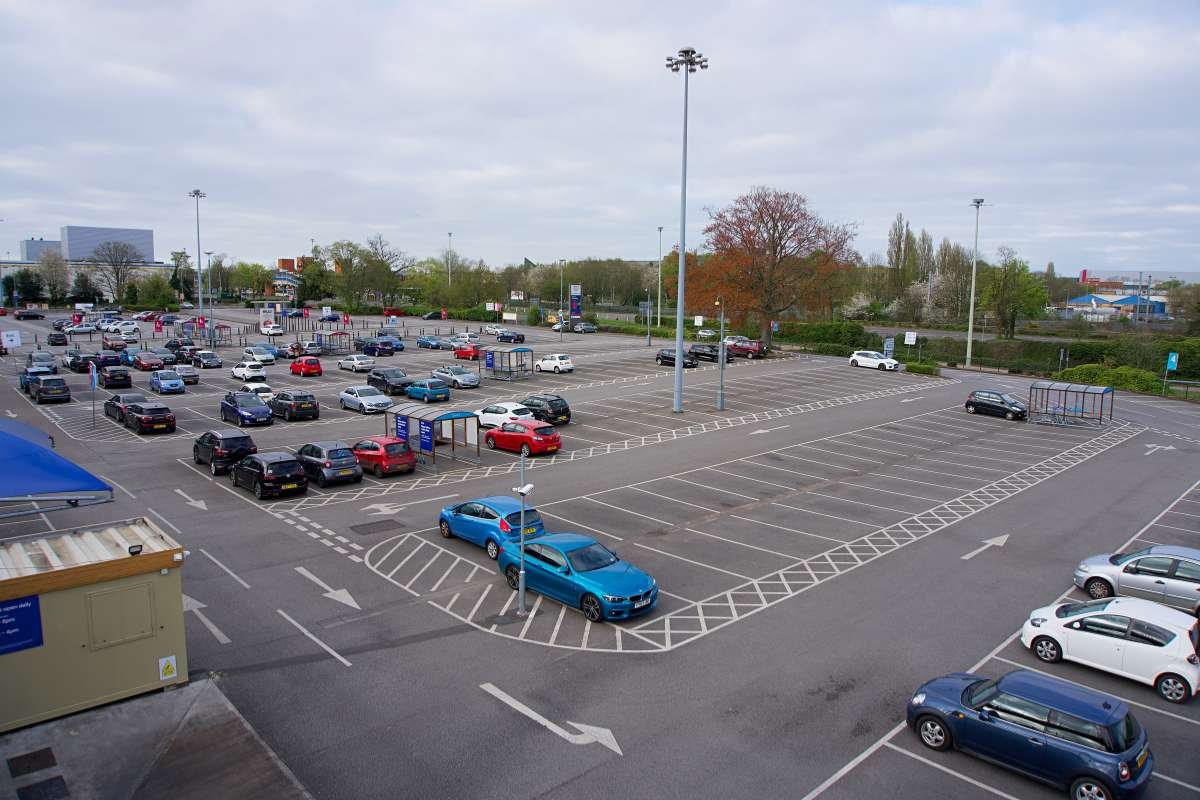
Consider a customer spending eight minutes circling your lot. Both open spaces and signage are absent. Before they even enter your home, their level of annoyance peaks. Is this the “welcome” you had in mind for them?
Most businesses underinvest in parking, despite it being the first and last touchpoint of the physical customer experience. A disorganized lot is a silent profit killer as urban traffic increases and retail competition intensifies. However, what if the pavement could communicate? Smart facility trends like automated flow and real-time sensors are changing the game. Can more intelligent parking lot management truly change consumers’ perceptions overnight? A smooth arrival is now a business requirement rather than merely a benefit.
Parking is the First and Last Customer Interaction
Before customers experience your product, service, or staff, they experience your parking lot. That first interaction shapes their mood, patience level, and expectations.
A confusing or congested lot signals disorganization. Poor lighting or surface damage creates anxiety. Conversely, a clean, clearly marked, and well-managed parking area communicates professionalism, safety, and respect for the customer’s time.
In 2026, customer journeys are evaluated holistically. Businesses that ignore external touchpoints. Especially parking, risk undermining otherwise excellent in-store experiences.
The Hidden Business Costs of Poor Parking Lot Management:

Inefficient parking doesn’t just annoy customers. It actively costs businesses money and credibility.
1. Lost Revenue Opportunities
Customers who struggle to find parking are more likely to abandon visits altogether. Even brief delays can reduce dwell time and impulse purchases, especially in retail, dining, and healthcare settings.
2. Operational Inefficiencies
Manual enforcement, unclear traffic flow, and unmanaged peak hours lead to congestion, disputes, and staff distraction. Without data, businesses are forced to guess rather than optimize.
3. Safety and Liability Risks
Poor lighting, faded markings, potholes, and blind spots increase the risk of accidents. In 2026, safety expectations are higher, and liability exposure is more visible than ever.
4. Brand Reputation Damage
Online reviews frequently mention parking frustrations. One negative experience in the lot can overshadow an otherwise positive visit.
What Smarter Parking Lot Management Looks Like in 2026
Modern parking lot management is no longer just about space. It’s about systems, data, and experience design.
Key elements include:
- Real-time occupancy monitoring using sensors or cameras
- License plate recognition (LPR) for seamless entry and exit
- Digital payment and validation systems
- Dynamic signage that guides drivers to available spaces
- AI-powered analytics to predict peak demand and adjust layouts
- EV charging integration and priority parking zones
- Contactless, mobile-first experiences
Importantly, technology alone isn’t the solution. The most effective parking strategies combine smart tools with thoughtful layout design, proactive maintenance, and clear communication.
How Better Parking Directly Improves Customer Experience?

When parking is managed intelligently, customers feel the difference immediately. Even if they can’t articulate why.
| Improvement | Customer Impact |
| Clear signage & layout | Faster decisions, less stress |
| Guided parking systems | Reduced search time |
| Well-lit, maintained surfaces. | Increased sense of safety |
| Digital payments | Shorter exit times |
| Predictable availability | Higher trust and satisfaction |
These small improvements create emotional benefits: confidence, comfort, and a sense that the business values the customer’s time.
Industries Where Parking Lot Management Is Now Mission-Critical:
By 2026, parking optimization will no longer be optional in several sectors:
- Healthcare facilities – delays directly affect patient care and stress levels
- Retail & malls – parking convenience influences conversion rates
- Airports & transit hubs – volume efficiency is non-negotiable
- Universities & campuses – daily traffic complexity demands data-driven planning
- Commercial real estate – tenant satisfaction increasingly depends on the access experience
Organizations in these sectors treat parking as operational infrastructure, not leftover space.
Compliance, Accessibility, and Trust in 2026:
Modern parking lot management must also meet developing regulatory and social expectations.
Accessible parking, clear pedestrian pathways, ADA-compliant design, and inclusive layouts are no longer just legal requirements. They are trust signals. Businesses that prioritize accessibility demonstrate social responsibility and earn goodwill from increasingly aware consumers.
Sustainability also plays a role. Efficient parking layouts, EV readiness, and traffic flow optimization reduce emissions and support environmental goals.
How to Evaluate Your Current Parking Strategy?

Ask yourself:
- Do customers struggle to find parking during peak hours?
- Is congestion predictable, or chaotic?
- Are safety measures visible and well-maintained?
- Do you collect data on usage and demand?
- Can first-time visitors understand the layout instantly?
If friction is noticeable, optimization is overdue.
The Future of Parking: Part of the Smart Customer Journey
Looking ahead, parking will continue to integrate with broader smart-city and mobility ecosystems. Predictive analytics, shared mobility coordination, and real-time communication between vehicles and facilities will redefine expectations.
Businesses that adapt early will benefit from smoother operations, stronger brand perception, and measurable customer loyalty gains.
Conclusion:
Your parking lot is more than just a place to leave a car. It is the front door to your business. In 2026, a messy lot sends customers to your rivals. But a smart, clean, and safe lot builds trust before a guest even steps inside. By using clear signs and new tech, you respect your customers’ time and safety. Smart parking lot management turns a stressful drive into a warm welcome. Don’t let a bad first impression cost you money. Start making your lot work for your brand today.
FAQ:
1. What is parking lot management?
Parking lot management refers to the strategic planning, operation, and optimization of parking facilities to improve traffic flow, safety, accessibility, and user experience. Modern parking lot management often combines smart technology, data analytics, clear design, and proactive maintenance to reduce congestion and enhance customer satisfaction.
2. How can businesses improve their parking lot management?
Organizations can start by auditing their current layout, monitoring peak traffic patterns, improving signage, enhancing lighting, and addressing surface maintenance. Implementing smart parking technology and collecting usage data can further support informed decision-making and long-term optimization.
3. Is investing in parking lot management cost-effective?
Although upgrades require upfront investment, the long-term returns often outweigh the costs. Improved traffic flow, higher customer satisfaction, reduced liability exposure, and better space utilization can all contribute to stronger financial performance.
Sources and Further Reading: