By 2026, recycling has shifted from a simple “feel-good” gesture into a massive global industry. Worldwide, the waste recycling market is worth about $235 billion, while in India, it has reached $965 million and is climbing steadily. For anyone looking to start a business, this shift is a game-changer: there’s more raw material available, more legal pressure to recycle, and a huge wave of customers looking for eco-friendly solutions.
Sustainability is no longer just a buzzword; it’s now a core part of how successful companies operate. As we’ve explored in our own deep dive into business sustainability, embedding green practices isn’t just about “doing the right thing” – it’s a smart move that builds resilience, cuts costs, and opens up new revenue streams. Even global outlets like Forbes have noted that companies focusing on their environmental impact are better at managing risks and staying ahead of new regulations. Essentially, the best recycling business ideas today allow you to help the planet and turn a profit at the same time.
This guide explores five recycling business ideas perfectly suited for the 2026 landscape. These opportunities are driven by three big trends: tougher rules that force brands to take responsibility for their waste, new AI technology that makes sorting trash easier, and the massive amount of waste being produced by our growing cities. For entrepreneurs, this is a rare chance to turn a waste crisis into a successful, circular-economy business.
The Circular Economy in 2026: Market Trends & India’s $100B Opportunity
Recycling has grown from simple sorting into a high-tech, high-value industry. Globally, advanced chemical recycling is growing at over 25% annually, turning “unrecyclable” plastics back into raw materials. Simultaneously, the EV boom is driving a 20% annual surge in demand for recovered minerals like lithium and cobalt. For anyone weighing recycling business ideas, this shift means more customers, higher profits, and massive support from global brands.
The Opportunity in India
In India, the potential is massive but under-tapped. The country generates up to 500 million
tonnes of construction waste annually, yet only 1% is formally recycled. As the government tightens Extended Producer Responsibility (EPR) rules and cities run out of landfill space, the demand for professional recycling business ideas, from construction debris to electronics, is skyrocketing.
Tech is Changing the Game
Innovation is redefining the industry’s efficiency:
- AI & Robotics: Sorting systems are now 60% more efficient than manual labor.
- New Chemistry: Enzymatic processes can now break down complex, multi-layer plastics.
- Waste-to-Energy: Urban biogas plants are turning organic waste into clean energy, solving both waste and power needs.
Whether it’s a neighborhood biogas plant or a high-tech battery recovery facility, the future of recycling is tech-driven, profitable, and more necessary than ever.
Top 5 Recycling Business Ideas to Watch in 2026
With market trends pointing toward a tech-heavy, high-value future, the big question for entrepreneurs is: where do I start? While the industry is vast, certain sectors have become “sweet spots” where government support, consumer demand, and technological ease meet.
The following recycling business ideas are specifically chosen for their scalability and their ability to solve the world’s most pressing waste problems while turning a healthy profit.
1. Plastic Recycling
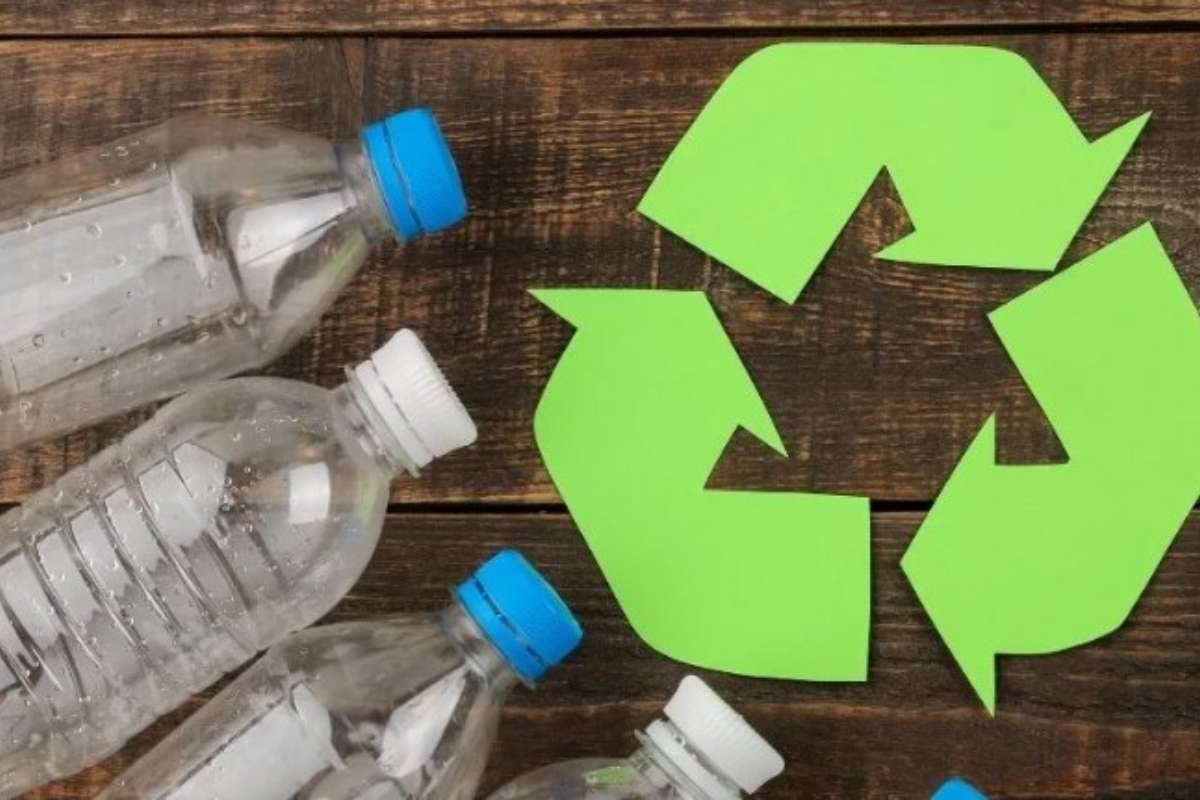
Plastic recycling remains a cornerstone of the circular economy, especially as India’s “Extended Producer Responsibility” (EPR) rules hit full stride in 2026. These laws require brands to account for every ton of plastic they put into the market, creating a massive, built-in customer base for recycling plants. To get started, you’ll need to register with the central EPR portal and set up a processing line capable of washing, shredding, and turning waste into high-quality pellets.
By 2026, the real money is in high-purity PET and chemical recycling. As EU laws targeting fast fashion push global apparel giants to replace virgin polyester with recycled fibers, your facility can become a critical link in the global supply chain. This is no longer just about “scrap”; it’s about providing high-tech, food-grade materials that brands will pay a premium to secure.
2. E-Waste Processing
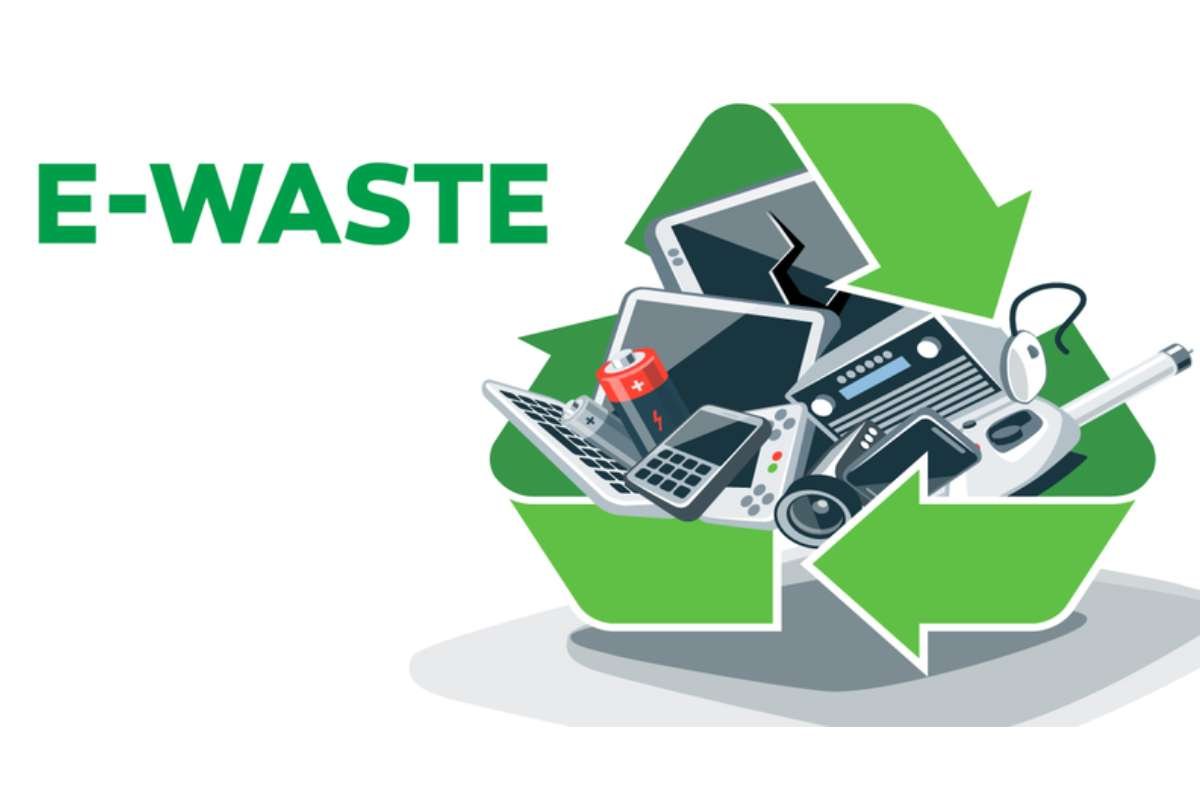
Old electronics are effectively “urban mines.” In 2026, a ton of discarded smartphones can yield up to 100 times more gold than a ton of traditional gold ore. Modern e-waste facilities have moved beyond manual dismantling, now using AI-powered robotic arms that can sort circuit boards and metal frames in milliseconds. This precision allows you to recover precious metals like gold, silver, and copper at much higher purity levels.
A high-growth niche within this sector is battery repurposing. As we’ve explored in our guide on why sustainability is good for business, circular models help businesses hedge against rising raw material costs. Instead of immediately shredding old EV or laptop batteries, smart startups are testing and repackaging them into stationary power storage for homes and solar farms, giving the lithium and cobalt a “second life” before final chemical recovery.
3. Metal Scrap Operations
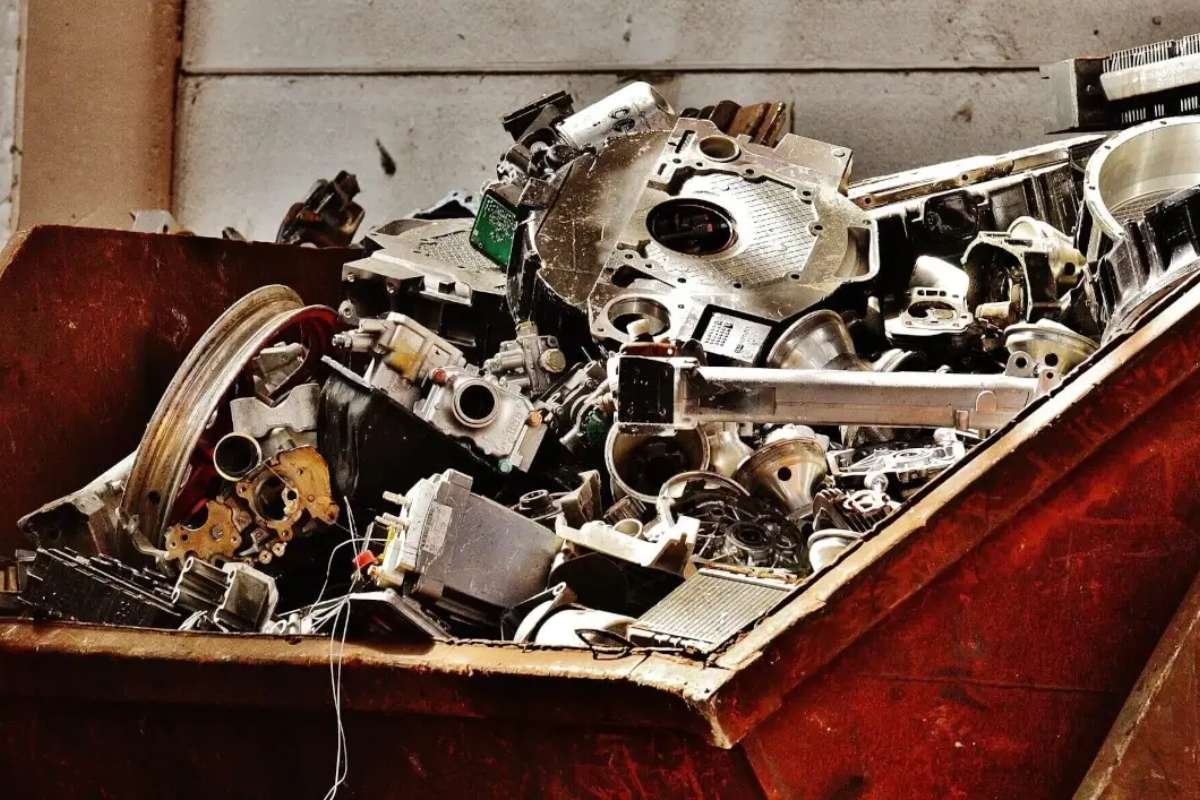
Metal scrap is a powerhouse of the recycling world because of its high resale value and endless recyclability. In 2026, the focus has shifted heavily toward the “green metal” market. With the surge in electric vehicle (EV) adoption, there is a desperate need for facilities that can process old EV motors and battery packs to recover lithium, cobalt, and nickel.
In the scrap business, logistics are your biggest expense. Metal is bulky and costly to move. This is where modern compaction technology, like the systems from Mil-tek in Auckland, changes the game. By compressing bulky metal and packaging waste by up to 90% at the source, you can dramatically slash your transport costs and make your material far more attractive to the large-scale refineries that buy your output.
4. Textile Upcycling
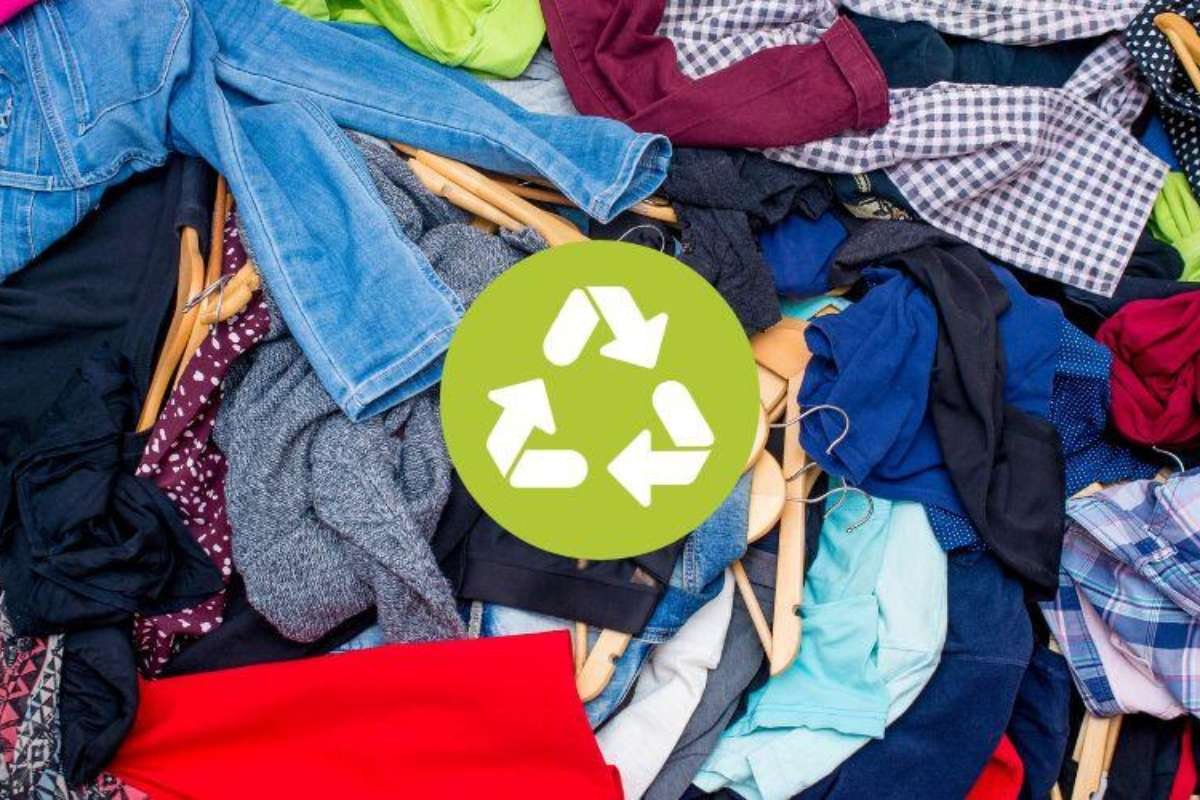
The world is finally moving away from the “disposable” fast fashion model. Textile upcycling is no longer a small-scale hobby; it is a professional industry turning old clothes and “fast furniture” into new yarns. As the New York Times has reported, low-cost sofas and mattresses are currently clogging landfills at a record pace. Processing these bulky items into new insulation or upholstery materials is a massive urban opportunity.
In India, you can tap into the vast saree-scrap ecosystem. By collecting silk and cotton off-cuts from traditional tailoring hubs, you can transform them into premium, design-led products for both local and export markets. This model turns local heritage into a sustainable, scalable business that meets the global demand for “slow fashion” and ethical manufacturing.
5. Organic Waste Ventures
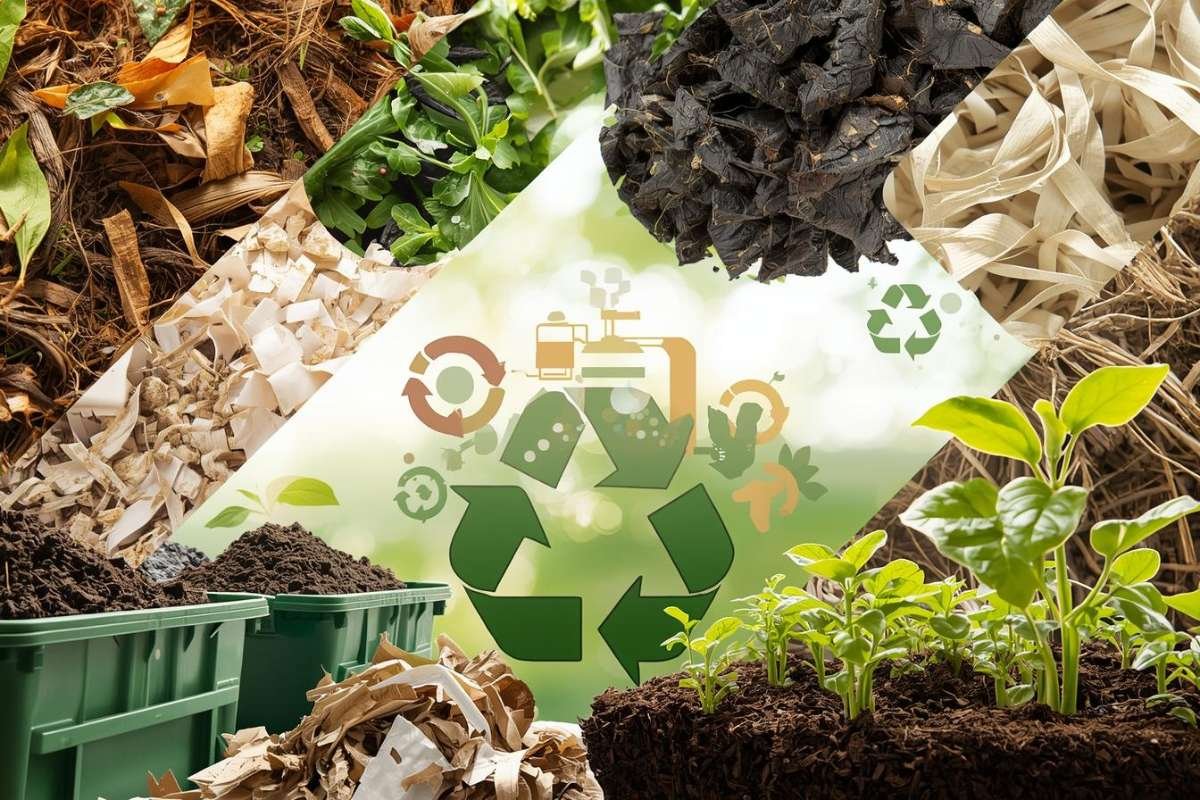
Organic waste is perhaps the most practical entry point for local entrepreneurs. Every day, tons of food scraps and market waste are discarded, releasing harmful methane in landfills. Instead, decentralized plants are now turning this biomass into two high-value products: nutrient-rich compost for agriculture and clean biogas for energy.
This sector is particularly promising in 2026 because of new mandatory waste segregation rules. As Forbes notes, businesses that address environmental impacts are more resilient and better at managing long-term risks. By partnering with hotels, hospitals, or large housing societies—who are often legally required to process their waste—you can secure long-term contracts that provide both a steady supply of “raw material” and a reliable revenue stream.
The Big Picture
Together, these five recycling business ideas prove that helping the planet and making a profit are no longer at odds. Well-planned ventures in plastics, e-waste, metals, textiles, and organic waste can see profit margins as high as 20% to 40%, especially when you secure a steady supply of waste and use the right technology to process it.
The cost of doing nothing is also becoming too high to ignore. Recent global reports suggest that failing to scale up these circular solutions could lead to over $640 billion in economic and environmental damage in the coming years. For entrepreneurs, the real risk isn’t starting too early; it’s waiting so long that you miss out on a market that is rapidly becoming professional and organized.
The good news? The momentum is already here. Global media coverage of furniture waste crises and new international laws cracking down on fast fashion shows that the “disposable” way of doing business is on its way out.
As we have explored in our own articles, and as other major business outlets agree, putting the environment at the center of your strategy is simply smart business. It builds resilience and opens up new ways to grow. By using these recycling business ideas as your starting point, you can build a future-proof company that creates real value for your community, your investors, and the earth.