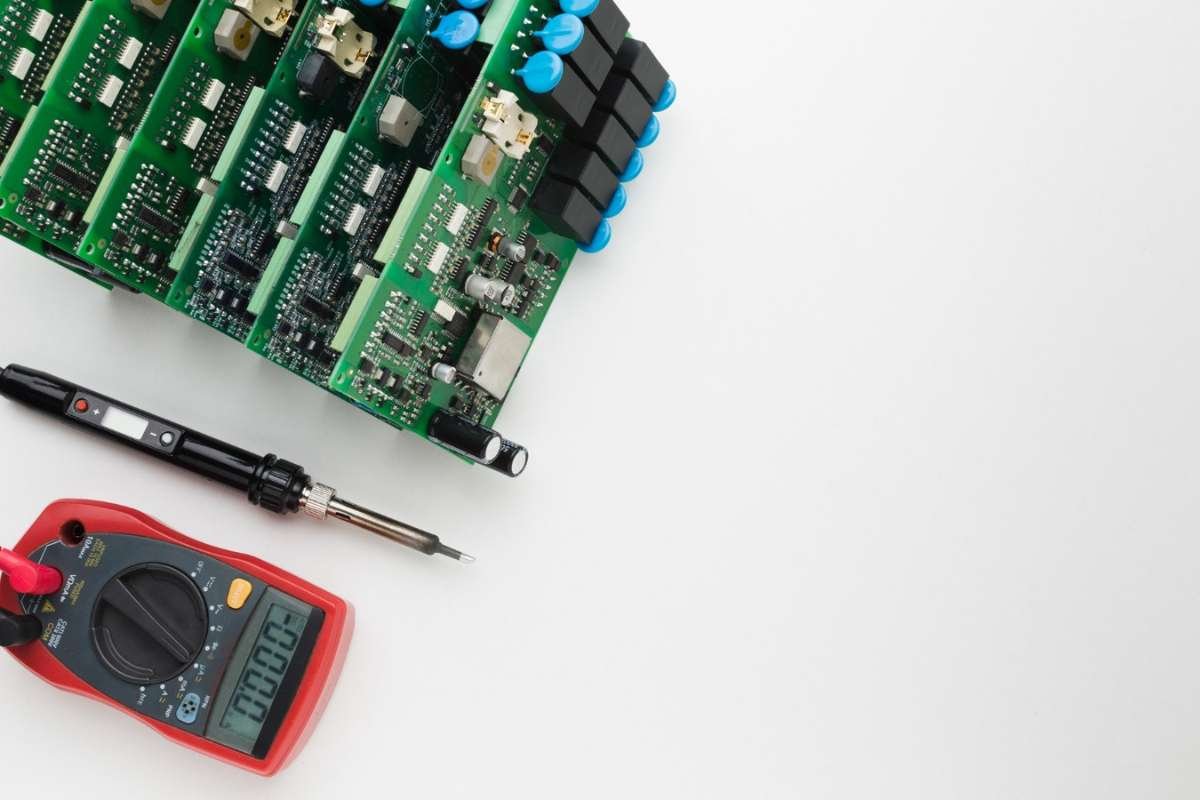
The right hitch is an important part of hauling operations. For businesses that depend on heavy towing, a failed connection means lost time, damaged cargo, and frustrated customers. That’s why smart fleet managers build relationships with manufacturers who understand the full weight of what’s riding on every hookup.
Fifth (5th) wheel hitch makers have figured out something that many industrial suppliers miss: strong partnerships matter more than one-time sales. They treat their business-to-business (B2B) customers as partners, instead of buyers. They also share knowledge and stick around when problems pop up on the road. The result? Businesses spend less time fixing problems and more time moving freight.
Let’s look at the specific ways 5th wheel hitch manufacturers turn basic supplier relationships into competitive advantages for their business customers:
Here are 7 ways for 5th Wheel Hitch Manufacturers:
1. Offering Flexible Production Options
Different industries need varying towing solutions. Some fleets prefer a standard weight distribution hitch setup, while others require a gooseneck adapter for specialized trailers.
To find the best 5th wheel hitch, look for manufacturers that design flexible setups to suit different towing requirements. They may build models with adjustable hitch heads, interchangeable bed rails, and compatibility for gooseneck and 5th wheel trailers. Some offer systems that pair with a factory puck system or integrate easily with air bags for smoother handling and better stability.
This level of versatility can make it easier to match the right hitch to the right truck bed and gross trailer weight (GTW). It can also support fleets that handle varied loads, giving businesses reliable towing performance while keeping the vertical load limit and safety standards in check.
2. Investing in Quality Materials and Testing
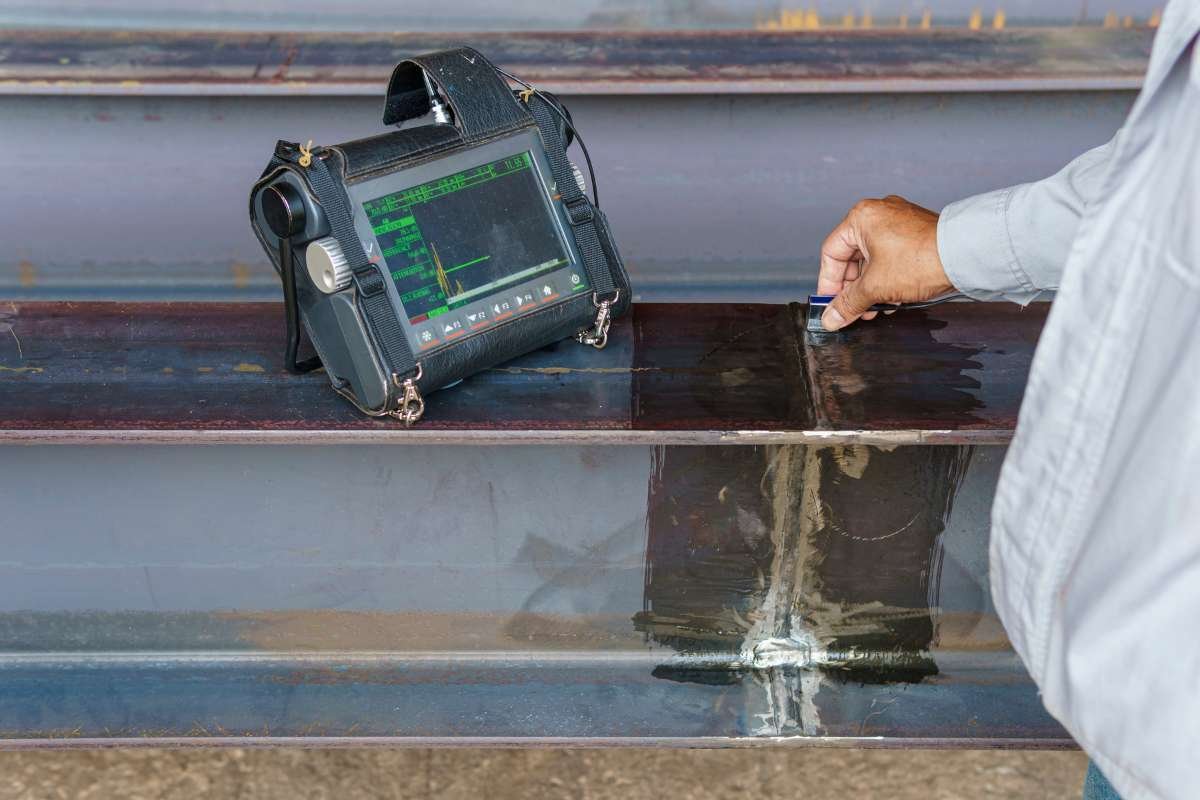
5th wheel hitch manufacturers that focus on quality products can keep supply chains running smoothly. Strong steel, precision welds, and reliable hitch heads can reduce failures in the field. Each 5th wheel hitch must handle high GTW without bending or breaking.
Many leading brands invest heavily in rigorous testing. These tests check the vertical load limit and tongue weight under extreme conditions. Passing these standards ensures the hitch can perform well for years.
Quality testing may also extend to accessories like grease fittings that prevent wear or bed rails that secure the hitch in the truck bed. The better the materials, the fewer the breakdowns. It saves time and resources for businesses that rely on consistent performance.
3. Utilizing Technology for Better Tracking
Modern 5th wheel hitch manufacturers use technology to streamline logistics and improve visibility. Digital tracking tools can show where shipments are, when materials are due, and how production schedules are progressing. This transparency can help distributors plan inventory around lead times and avoid overstocking.
Some even use digital modeling to monitor hitch performance under trailer sway conditions. When manufacturers collect and share data like this, it may help business partners make smarter decisions about equipment use and maintenance schedules.
4. Supporting Sustainable Practices
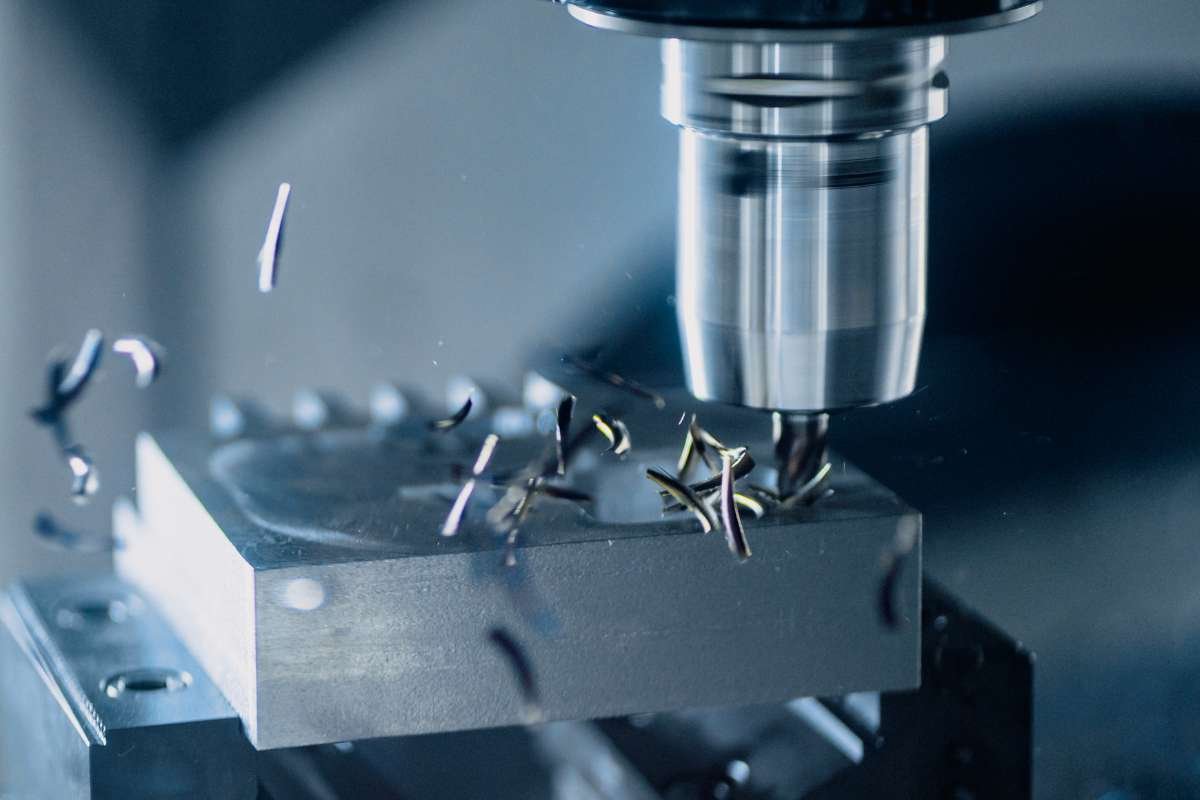
Sustainability is becoming a shared priority across industries. Many 5th wheel hitch manufacturers are finding ways to cut waste, reuse materials, and optimize transportation routes. For example, reusing scrap metal from a gooseneck trailer or a 5th wheel hitch can lower production waste.
Reducing energy use in fabrication plants or switching to recyclable packaging can also improve efficiency across the supply chain. These small but steady improvements may appeal to eco-conscious partners and help companies meet environmental standards without sacrificing reliability.
5. Strengthening Distribution Networks
A strong distribution system can make the difference between a smooth operation and a stalled delivery. Manufacturers that partner with multiple logistics providers or maintain regional warehouses can get products to clients faster.
For instance, being able to quickly ship a gooseneck trailer hitch replacement or a weight distribution hitch system could prevent unnecessary downtime for commercial fleets. This wide network also supports B2B customers who need quick access to replacement parts, helping everyone keep deliveries on track and projects moving forward.
6. Implementing Lean Manufacturing Processes
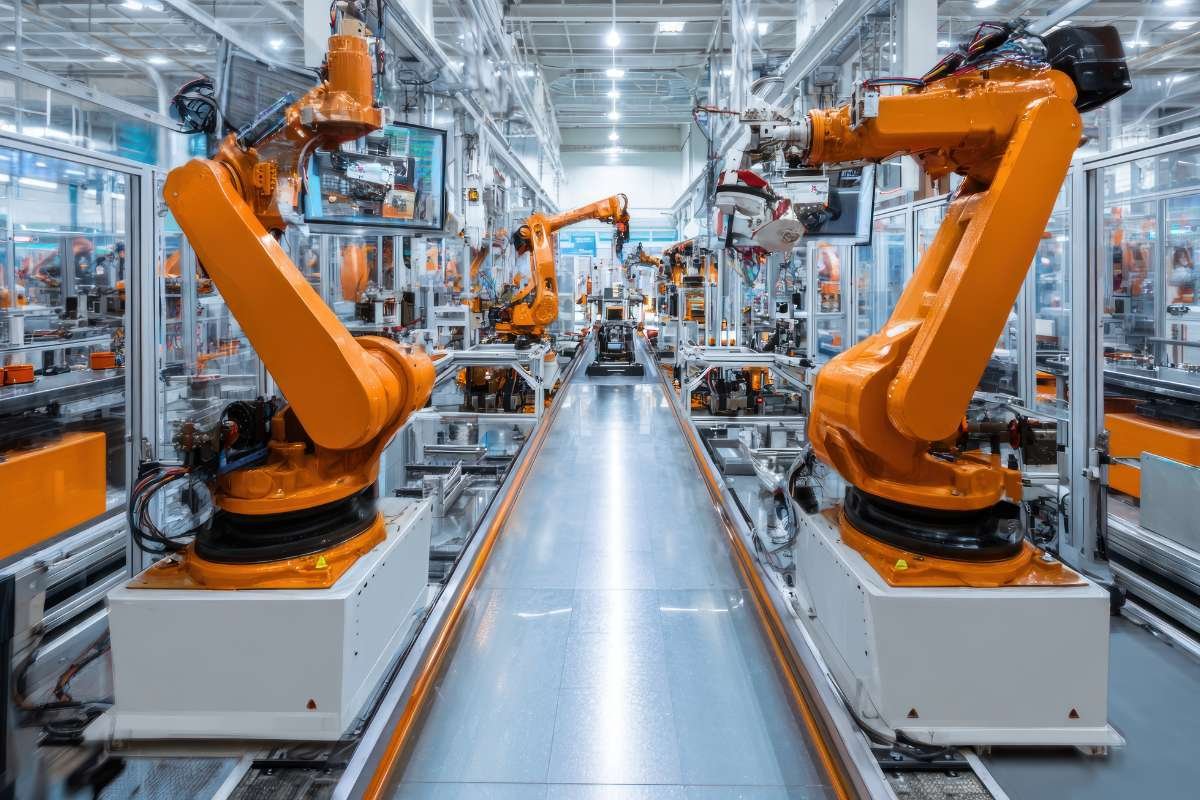
Efficiency in production can lead to smoother operations across the board. 5th wheel hitch manufacturers that follow lean principles, streamlining processes, reducing scrap, and improving assembly accuracy, can shorten delivery times.
Every component, from bed rails to hitch heads, can benefit from careful inspection and better workflow management. These improvements don’t just speed things up—they may also cut costs for everyone involved.
7. Providing After-Sales Support
The relationship doesn’t end after the sale. Manufacturers that offer after-sales customer support, such as adjusting airbags or replacing worn-out components, can strengthen long-term business connections. They can also keep fleets safer and maintain the quality of the towing experience.
This approach also gives manufacturers helpful feedback about what works best on the road. When issues arise, they can use that insight to improve future 5th wheel hitches and make the next production cycle even better.
Conclusion
Strong supply chains start with manufacturers who see beyond the sale. The best 5th wheel hitch makers invest in quality, adapt to customer needs, and stay available when problems arise. The lowest price might look good initially, but what matters is performance and fast solutions when issues appear. The right partner doesn’t just supply equipment; they supply confidence.