Fibre optic technology has revolutionised communication by transmitting data at remarkable speeds. Its ability to handle large volumes of data with minimal interference makes it a preferred choice for many industries. Understanding the types of fibre optic cables and their applications can help businesses and individuals make informed choices.
Types of Fibre Optic Cables
There are multiple varieties of fibre optic cables designed for different purposes. Optical cables, on the other hand, transmit information via light, with respective benefits over copper’s capabilities.
Single-Mode Fibre
Single-mode fibre cables are designed for long-distance communication. Their small core diameter allows only one light mode to pass, which reduces signal loss and maintains signal strength over greater distances. This makes them ideal for telecommunications, where high bandwidth is essential across extended runs. Using single-mode fibre ensures efficient data transmission with minimal interference, making it the preferred choice for networks that require reliable, long-range connectivity. Find high-tech fibres at Ausoptic.
Multi-Mode Fibre
Multi-mode fibre cables are designed for shorter distances due to their larger core size, which allows multiple light modes to travel simultaneously. This causes significant dispersion and attenuation, limiting their effective range. Despite these limitations, multi-mode fibres are widely used in local area networks and data centres, where short-distance, high-speed data transfer is essential. Their ability to handle high bandwidth over limited distances makes them a practical choice for these environments.
Plastic Optical Fibre
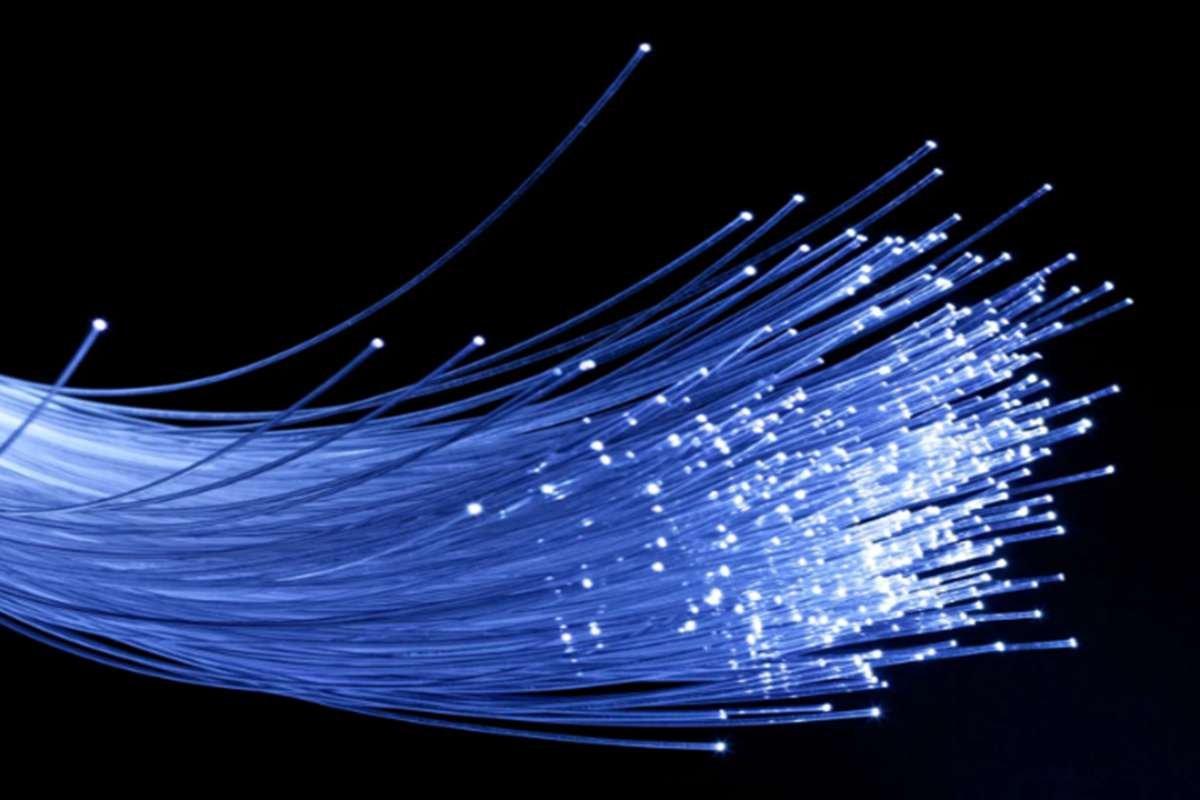
For short-distance use, plastic optical fibre offers a flexible and more affordable alternative to glass fibre. It is easier to install and handle, making it popular in consumer electronics and automotive networks. Its lightweight, cost-effective, and durable nature makes plastic optical fibre a preferred choice for applications requiring simple, reliable data transmission over short distances.
Applications of Fibre Optic Cables
Fibre optic cables are used by multiple sectors with the benefits that suit the sectors for performing their best with reciprocal connection.
Telecommunications
Fibre optic cables are the backbone of modern telecommunications networks. This allows for high-speed internet, voice, and video transmission over long distances. They are critical components of any reliable communication infrastructure since they can carry large amounts of data with little loss.
Medical Industry
Fibre optics play an important role in the medical field because they offer accurate imaging and diagnostics. Doctors have been able to see inside the human body without doing major surgeries by using fibre optics in an endoscope. The technology helps diagnose and treat accurately, which benefits the patients.
Broadcasting
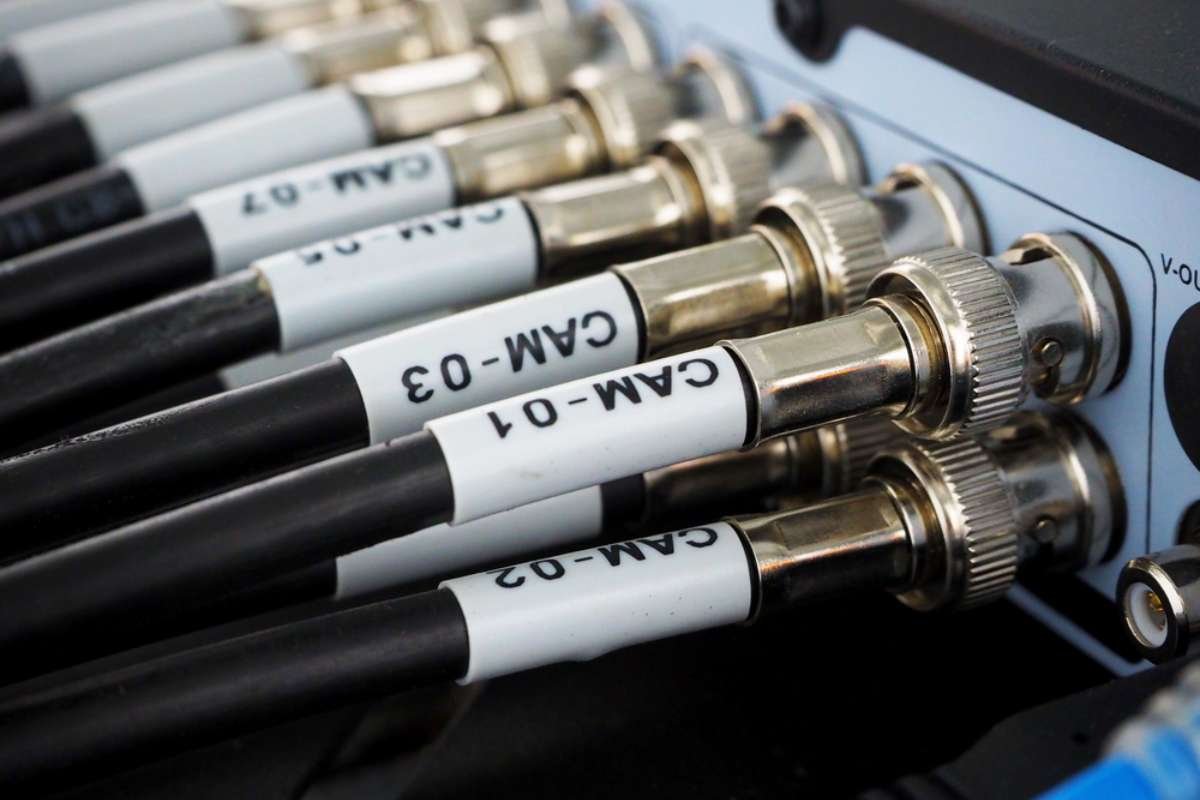
Fibre optics is important for broadcasting because it allows the transmission of HD video and audio without interruptions. It also caters to DTH television services, allowing television broadcasters to transmit media without any loss of quality. Our Solution: We have a high bandwidth, so we can stream it without hampering broadcasting.
Networking and Data Centers
Data centres use fibre optic cables to connect servers, switches, and storage systems in situations where high bandwidth is required. The security, speed, and strength with which they are accustomed to dealing with big, bulk data are an absolute need for data. This helps businesses stay on an uninterrupted and reliable network that is needed for day-to-day operations.
Military and Aerospace
The military and aerospace sectors use fibre optics for secure, reliable communication. They resist electromagnetic interference, ensuring clear signals in tough environments. Their lightweight nature makes them ideal for aircraft and spacecraft, where minimizing weight is crucial for performance and efficiency.
Advantages of Fibre Optic Cables
Why do people prefer Fibre optic cables due to their multiple advantages?
High Bandwidth
With fibre optics, since it has a high bandwidth capacity, you can send huge volumes of data. This makes them ideal for applications that demand highly defined data flow, such as video conferencing and cloud computing.
Low Signal Loss
Fibre optic cables experience minimal signal loss, even over thousands of miles. This preserves data integrity and reduces the need for repeaters or signal boosters, making fibre optics a cost-effective solution by lowering maintenance and infrastructure expenses.
Immunity to Interference
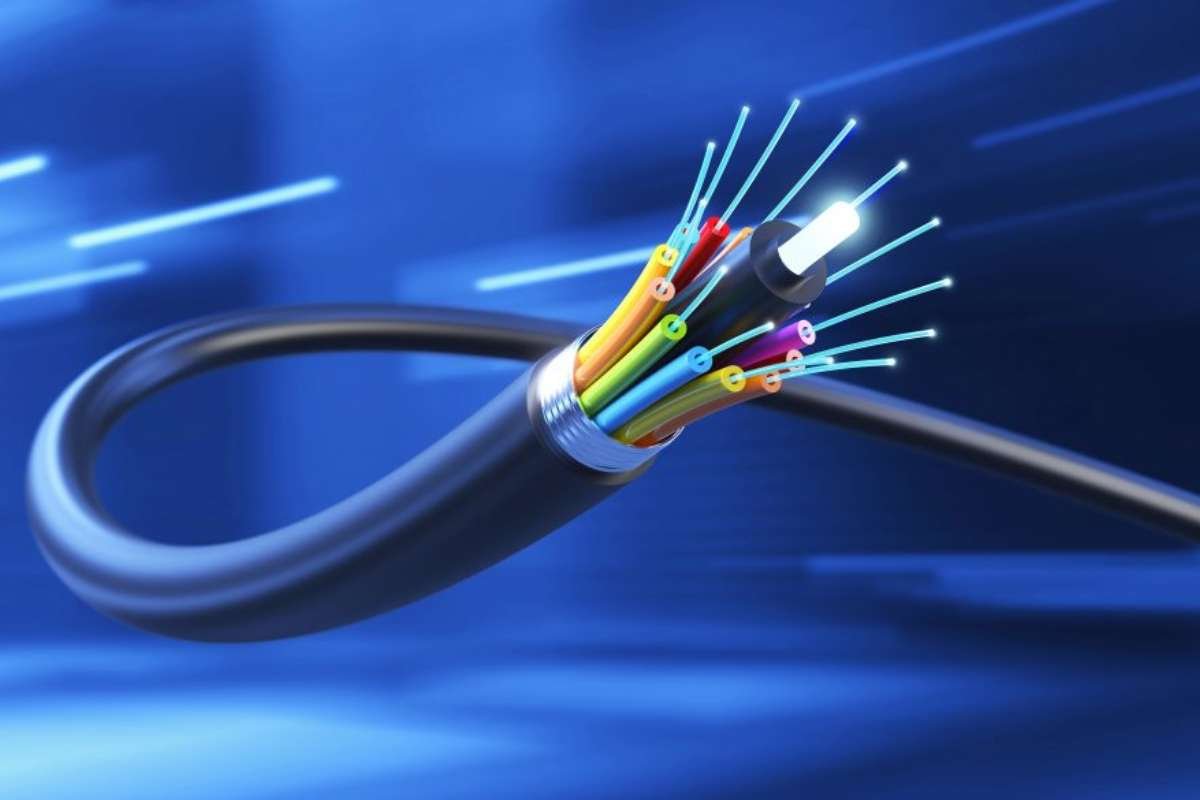
Fibre optics do not suffer electromagnetic interference, which is a common phenomenon with copper cables. As a result, they are well suited for use in electrically noisy environments, providing stable and reliable data transmission.
Durability and Longevity
Fibre optic cables offer a longer lifespan than normal cables. They are also more durable and resistant to varying environmental stimuli (moisture, temperature, etc.). Such longevity minimises the need for frequent replacements, which adds to long-term cost savings.
Conclusion
The introduction of advanced fibre optic cables has transformed communication across nearly every sector. Understanding the different types and their applications allows individuals and businesses to harness this technology for improved connectivity and performance. From telecommunications and healthcare to data centres, fibre optics offers a reliable, efficient solution to today’s communication demands, enabling faster data transfer and greater network stability. This technology continues to drive progress and innovation in how we connect and share information.