Hurricane season isn’t easy for any of us, and tenants are no exception. Homeowners have plenty of choices when it comes to protecting their homes, but those who rent will need to take another approach. This article offers practical advice on keeping your stuff and yourself safe in the event of a hurricane.
Hurricane 101: The Ins and Outs of Hurricane Safety
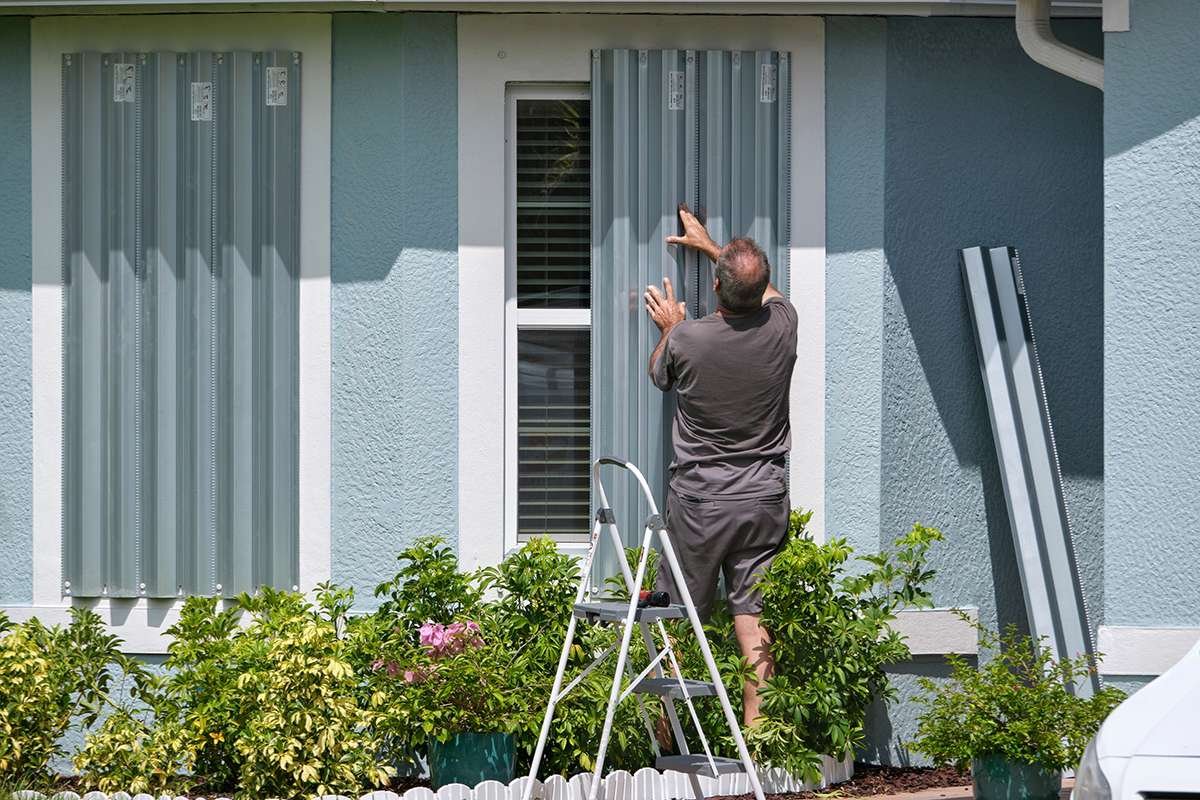
So, how do you prepare your house for a hurricane? Of course, renters’ struggles can differ from homeowners’ struggles. Structural change might be beyond their control, but they could take measures to protect their property and their lives. Being proactive can make a huge difference.
9 hurricane safety tips for renters
1. Creating an emergency plan to cover all your bases
An emergency plan is essential. The plan should include evacuation routes, emergency contacts, and a strategy for communicating with one another. By sharing this plan with your family, friends, or roommates, you can ensure that everyone knows what their roles and responsibilities are within the home.
2. Establishing communication channels
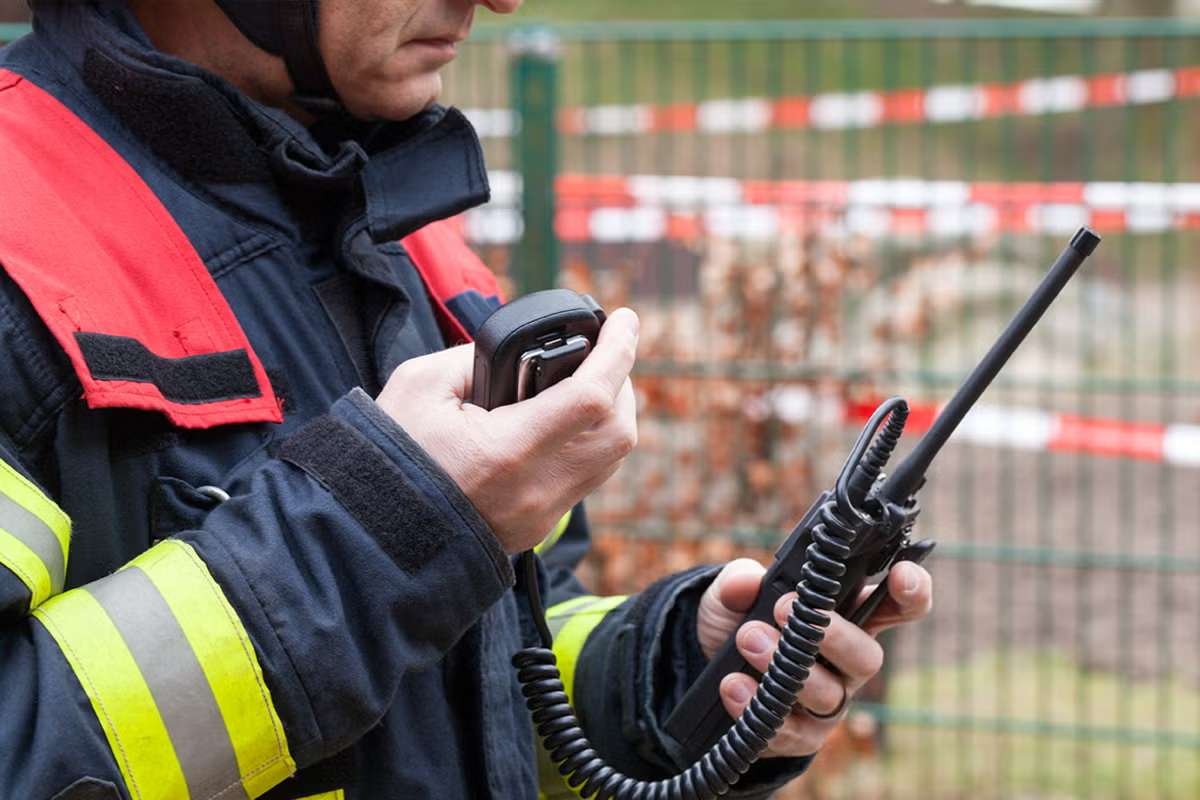
Communication is vital during emergencies. Renters must find trustworthy channels to receive weather news as it comes out. Consider downloading reliable weather apps and signing up for local alerts. If power goes out, having a battery-powered or hand-crank radio as backup can help you access important information.
3. Identifying safe spaces
Pick a room in the house to go to if there is a storm. The ideal location is in the lowest part of a house, such as a basement, or an interior, windowless room like a closet on the ground floor. This area should be stocked with water, canned food, and first-aid supplies.
4. Preparing an emergency kit
Putting together an emergency kit is a key component of hurricane safety. This should include a kit for surviving at least 72 hours. Pack up water, canned and non-perishable food products, torches, batteries, and a first-aid kit. Prescriptions, toiletries, and other essentials should also be included. Securing these in waterproof containers can safeguard against any flooding that may occur.
5. Protecting valuables
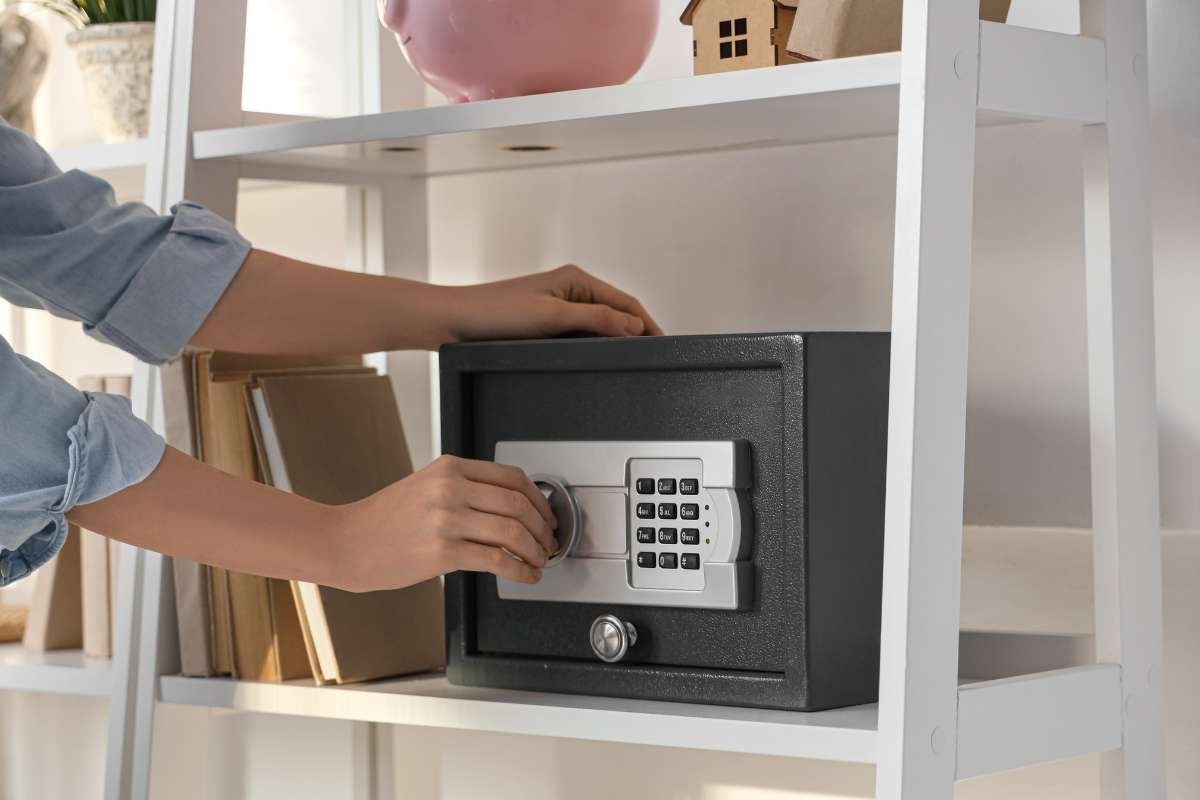
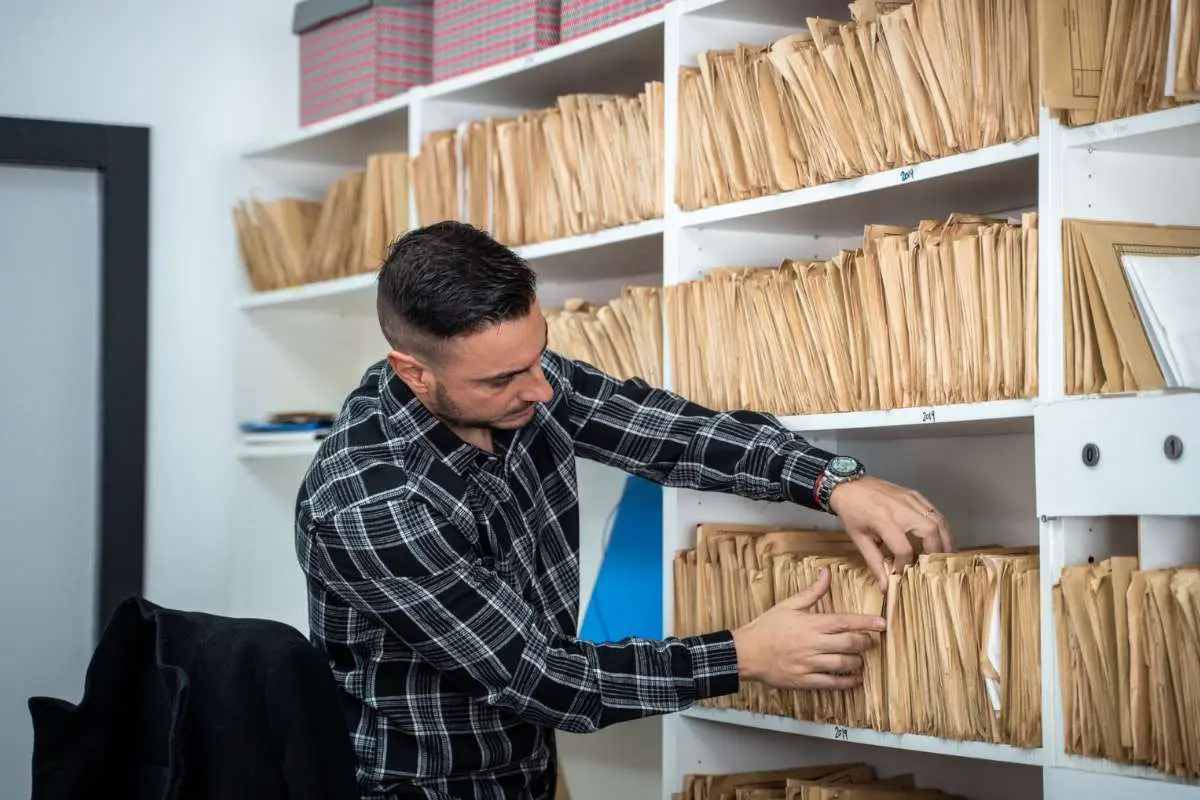
Even though renters cannot alter the structure of the house, they can protect their possessions. Renters will also want to put valuable items, like electronics, higher on the shelves. Storing them in waterproof storage boxes can offer some extra protection. Identification papers and insurance documents will also need to be stored safely. Make sure you have a designated, secure, and accessible place for them.
6. Understanding renters insurance
Renters insurance covers personal property. Knowing how this insurance works can help renters navigate the recovery process more easily. First, you need to take stock of what the policy provides. Some may cover natural disasters as a part of the policy, while others may not. This knowledge can help you ensure you have adequate protection.
7. Keeping an exit strategy in mind
Having an evacuation plan is essential. Make sure you have several exit strategies and that those paths are clear of debris. If you live in an apartment, knowing the location of the emergency escape doors is crucial for quick and incident-free evacuation.
8. Staying informed and aware

Keeping up with alerts can allow renters to act before a hurricane affects them. Updates and alerts are often available on local government websites, at weather stations, or from emergency services. Renters should use these channels to remain informed and prepare for changes in the situation.
9. Post-hurricane actions
After the hurricane blows through, renters need to take stock of their apartment or home and their things. Quick action is also helpful for your recovery and insurance claims. Renters should take photos and notes of any damage. This can be crucial documentation when filing a claim, especially with insurance companies. Promptly contacting a property manager or landlord will ensure necessary repairs begin right away.
Conclusion
As a renter, you need to be mindful and plan well for hurricane safety. As a tenant, you likely cannot make changes to the structure of the property. However, you can take some steps to protect yourself and your belongings. By understanding your insurance coverage, preparing an emergency kit, and maintaining open lines of communication, renters will be in a better position during a hurricane.