When Bitcoin first emerged in 2009, shortly after the financial crash that shook economies worldwide, its creator, Satoshi Nakamoto, envisioned a decentralized future where financial power shifted from big banks to individuals. Early discussions around Bitcoin uses reflected this radical idea, sparking curiosity in niche circles but receiving little attention from mainstream media—leaving Bitcoin to remain in obscurity.
However, by the time the currency hit $20,000 eight years later, it was clear that Bitcoin had a place in the future of finance, with people across the world eager to get their slice of the pie. This year, projections estimate that over one in three Kiwis are set to use crypto, highlighting the increasing scale of their integration.
Interestingly, though, the most common use by far remains as an investment asset, with many banking on the continued rise of the currency’s market value. Considering the initial revolutionary vision of Bitcoin’s creator, how else can the currency be used today?
Doing your shopping
That’s right, Bitcoin uses now extend to purchasing items from a wide range of major retailers, both online and on the high street. Modern payment providers such as BitPay and Bitrefill make it possible for customers to buy gift cards with cryptocurrencies, which can then be redeemed in-store. Well-known names that accept these gift cards include Ikea, Burger King, Amazon, Google, and hundreds more.
Recent years have also seen the emergence of a new wave of online platforms tailored to crypto at the heart of their operations. This includes travel booking site Travala, purpose-built not only to accept cryptos, but to actively encourage the use of these digital currencies. Slowly but surely, the validity of cryptos like Bitcoin as a genuine method of payment is becoming more widely accepted in business. It won’t be long until even more of your favourite stores accept it.
Donating to charity
For many readers, the idea of Bitcoin uses in charitable donations may seem far-fetched; however, this is actually one of the most common applications of the currency today. The blockchain technology that underpins Bitcoin provides several powerful capabilities. While its most famous feature is the decentralized nature of crypto, another aspect that makes it effective in the charity sector is the anonymity of payments.
By using Bitcoin, donors can contribute to causes they care about while maintaining their privacy and avoiding any unwanted conflict. Furthermore, the ability to make rapid international payments makes donating to charity easier, no matter where you are. With leading charities like Save the Children and The Water Project already introducing Bitcoin payments, expect others to soon follow suit.
Playing your favourite games
From being early adopters of the internet, bringing a global community of gamers together, to pushing modern innovations like virtual reality tech into the mainstream, the gaming industry has consistently been at the forefront of the latest technological breakthroughs. The industry’s response to the crypto boom is no different, with developers and service providers from across the gaming spectrum quickly moving to incorporate Bitcoin and other cryptocurrencies.
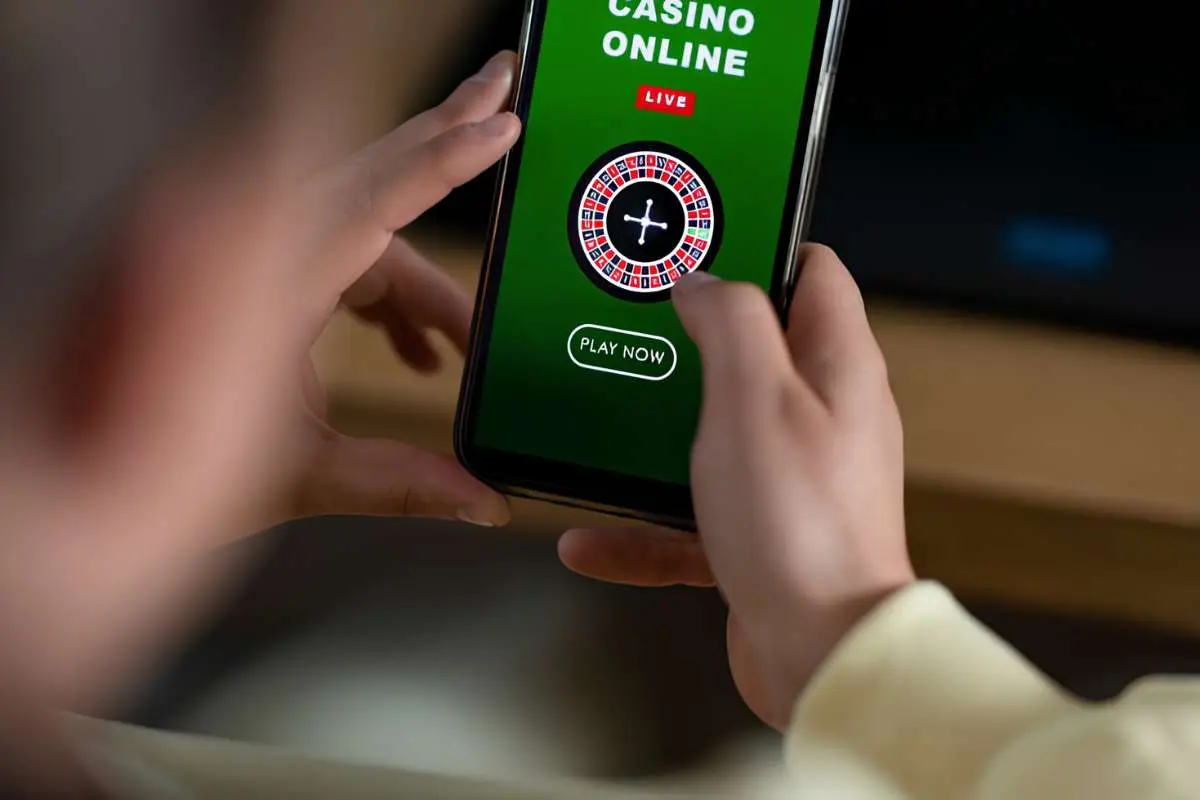
Video games can now be purchased using crypto at Enjin, a novel blockchain-based gaming platform, while battle royale-style game Lightnite has gone one step further, integrating Bitcoin payments into its in-game transactions. Elsewhere, New Zealand’s swathes of online casinos have also begun to accept crypto payments, further showing just how widespread the adoption of crypto has become in the gaming scene. Next time you’re playing online, see what your payment options are.
Optimized international payments

Another feature that highlights Bitcoin uses compared to traditional currencies is their effectiveness in enabling fast and efficient payments across borders. While established international services such as MoneyGram and Western Union have long been relied upon for sending money worldwide, they often charge fees of up to 10% and can take as long as a week to process.
Alternatively, cryptocurrencies like Bitcoin can be used to send international payments in minutes, for next to nothing. Furthermore, with no need for bank accounts or any other financial intermediaries to process the transaction, all that is required to make a payment is a connection to the internet and a Bitcoin wallet. This provides a perfect option for the reported 1.4 billion unbanked individuals across the world. Whether you have access to high-quality banking systems or not, however, using crypto could be the best option when you need to send money elsewhere.
The world of digital assets

Perhaps the most curious use of Bitcoin these days is within the exciting world of digital assets. The explosion of NFTs (non-fungible tokens) in 2021 presents the most high-profile example of these novel blockchain-backed digital items, whereby a combination of public excitement, celebrity endorsement and market speculation caused a major stir in the arts and digital media world, culminating in the sale of “The Merge” by Pak for a staggering $91 million.
While the NFT market has fallen significantly since its hype-driven heyday, it remains an important part of the ever-evolving digital landscape, and Bitcoin is increasingly being used to buy and sell these digital assets. New technologies like Ordinals, as well as emerging Bitcoin-based NFT marketplaces such as Gamma.io, are helping to bring Bitcoin to the forefront, challenging Ethereum, the current leader of the NFT market.
Considering the diverse Bitcoin uses that have emerged, it is clear the currency is far more than just a commodity to be traded on the market. Not only does Bitcoin hold value, but it also offers purpose and utility that many of the meme coins that followed simply lack. While the revolutionary vision its creator predicted has yet to fully materialize, it is evident that, slowly but surely, this groundbreaking currency is growing in importance.