In today’s global context, changes in payment technology are happening at lightning speed. From instant bank transfers to biometric payments to digital currencies, the future of payment systems is transforming how people and companies manage money. Payments are no longer an ancillary back-office function; they are core to how industries function, how services are rendered, and how trust is formed between companies and consumers.
Instant Payments Build Player Confidence
The gambling and gaming industry has always depended on smooth financial transactions. Players want fast deposits, quick withdrawals, and absolute certainty that their money is secure. In 2026, that expectation is being met through a mix of blockchain technology, digital wallets, and real-time verification tools.
Australia provides a strong example of these advancements. Its gambling sector has grown under regulations that encourage safe digital play while promoting transparency. Modern players there often look for trusted platforms that use the latest payment systems. Review sites such as an Australian online casinos list is one way to find sites that meet those standards, offering fast crypto deposits, PayID transfers, and secure e-wallet withdrawals. In this domain, fast and reliable transactions have become a basic expectation rather than a special feature, showcasing the future of payment systems. Players want seamless financial control, and platforms that deliver it are earning lasting loyalty.
Retail and E-Commerce: Convenience as a Competitive Standard

Retailers were the first to feel the impact of the increasing demand for frictionless purchasing. Customers expect seamless checkouts, whether online or in-person. In 2026, this demand has led retailers to streamline processes across all channels. Today, some of the largest retailers online have incorporated one-click purchases, digital wallets, and instantaneous fraud detection. Customers no longer have to enter long card numbers to complete a purchase, as they can authorize a payment with a fingerprint or facial recognition.
The same goes for physical locations. Biometric payment terminals have been widely adopted across supermarket self-checkouts, coffee shops, and clothing retailers. Frequent customers are able to make secure payments without using a physical card, and they are emailed a digital receipt that reduces paper waste and simplifies the return of an unwanted purchase.
The fintech for flexible payment solutions improved as well. The modern ‘buy now, pay later’ (BNPL) systems assess and authorize credit in real-time, opening the door for consumer approval while also protecting the selling merchant. Small businesses also benefit as they gain access to all-in-one payment processing solutions that are integrated for sales, inventory, and accounting.
Healthcare: Quicker Billing and Less Friction for Patients
The healthcare field has had issues related to slow billing cycles and complicated insurance billing for decades. However, thanks to the future of payment systems becoming a reality in 2026, enhanced systems now enable customers and providers to control costs more efficiently.
Real-time billing systems that link patients and insurers to hospitals and clinics of choice. Patients can see the costs and their insurance coverage, as well as their payment options for on-the-go payments. Payments are made, and coverage adjustments and refunds are dealt with automatically.
Telehealth services have also straightened out their billing. Many now have subscription models, and payments can be made via digital wallets. Patients can book, and payment and receipts are then all in one spot. These services are faster and meet healthcare privacy requirements that protect sensitive personal and payment data.
Automated claim processing has also reduced the administrative burden for hospitals, thereby increasing efficiency with billing and allowing staff to direct more of their attention to patients. As a result, the efficiency and transparency of healthcare are increasing with systems that streamline payments.
Logistics and Supply Chain: Timely Payments in International Trade
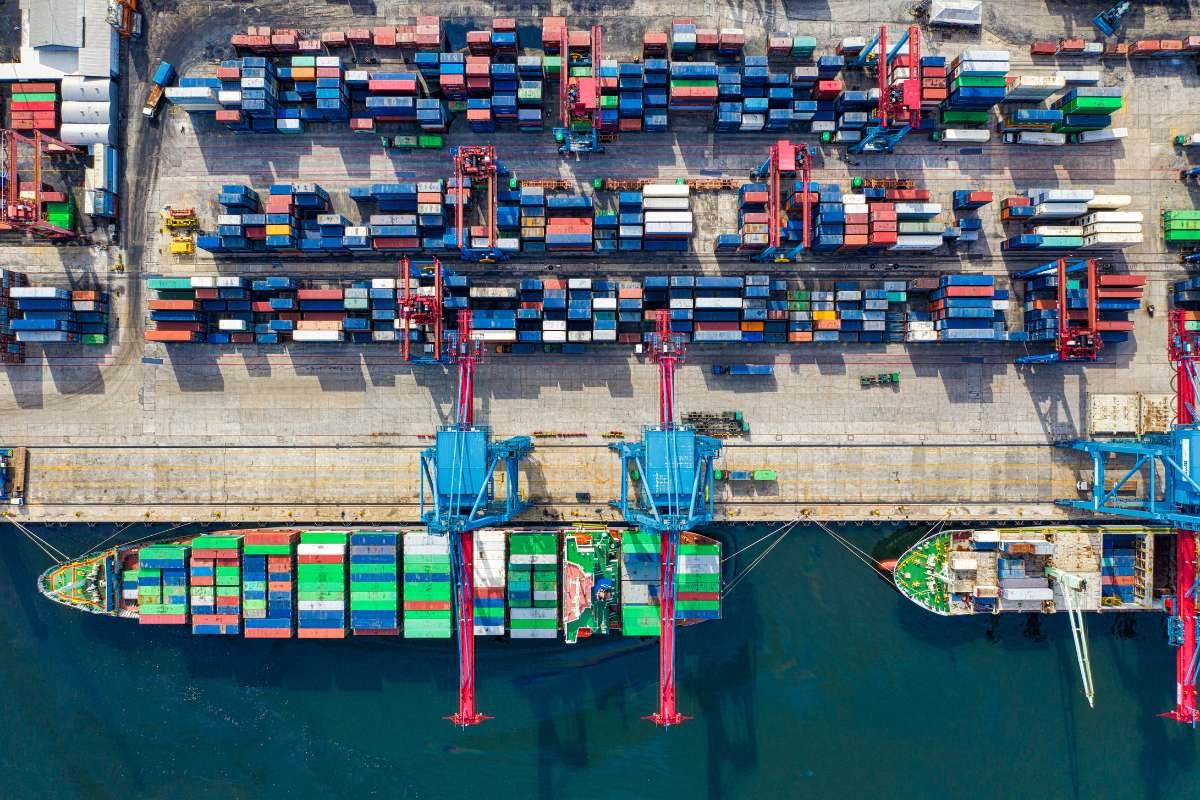
Payment innovations are needed to manage the risk of losing money due to delays in payments in the logistics and international trade sectors. Payments are automated and processed as shipments are moved through various checkpoints. Payments are then triggered through smart contracts and are processed in real time once goods reach a port or delivery milestone.
This process of automation eliminates the need to settle disputes among suppliers, carriers, and retailers. All parties are able to track shipments and their payments through a secure digital ledger. The automation service is quicker and cheaper, and more advanced in terms of error avoidance compared to more traditional ways of invoicing.
For smaller logistics firms, the ease and speed of automated invoice settlement is a major advantage of working with larger logistics firm partners. They do not have to wait weeks until payment is processed from their large partners.
Hospitality and Travel: Docless Everything
The hospitality and travel sectors are the most common adopters of digital payment technologies. Customers now demand a fully docless experience throughout their journey.
Now, when checking into hotels, customers can use their mobile phones. They now have the option to check in, unlock their hotel room, and pay their bills from their phones. The use of tokenized systems protects customers’ financial information while allowing transactions to go through. Other service providers and airlines use the same systems to eliminate the need for physical documentation.
These advancements are also supported by several other improvements that enhance the overall customer experience:
- Digital kiosks and mobile wallets reduce wait times during check-in and boarding.
- Contactless payments speed up transactions at hotels, airports, and restaurants.
- Integrated travel apps combine booking, payments, and loyalty programs into a single interface.
- Real-time notifications help travelers track spending and rewards instantly.
The improvement of loyalty programs also allows customers to use interoperable digital tokens. They can exchange airline miles for hotel credits, and rewards can be transferred to multiple brands. These updates increase flexibility and offer more value to loyalty points. Thanks to the use of blockchain technology, the system accurately records transactions. Payment applications have improved, too. They also tend to offer competitive exchange rates for automatic currency conversions when users spend their money in a different country, allowing users to spend their money without any hidden fees or long processing times.
Financial Services: Real-Time Banking for Everyone

Last but not least, innovative payments are at the forefront of banks and fintech companies. In the U.S. and several other markets, real-time payment systems are the norm. Quick payment systems that allow consumers to receive their paycheck, refund, or business payment instantly are now the standard. Gone are the days of having to wait several days for the payment to clear.
Deep integrations enabled by open banking have also made it possible for both consumer and business payments to be processed in real time. Payments from businesses to suppliers, along with automated invoicing tools, are increasingly designed to match this same level of speed and efficiency.
- Businesses can reduce cash-flow gaps through instant settlement.
- Automated payment reconciliation minimizes manual administrative work.
Cross-border payments have similarly advanced. Cost- and time-saving trials of central bank digital currencies (CBDCs) in places like the U.S. and Singapore have shown meaningful improvements in the efficiency of international transactions. These innovations benefit small exporters by reducing excessive banking fees and cutting delays tied to currency exchanges, defining the next era in the future of payment systems.
- Faster settlement reduces the risk of fluctuating exchange rates.
- Lower transaction fees make international trade more accessible for smaller players.
Conclusion
Digital transactions have become faster and safer than ever. Advances in security, especially in identity verification and encryption, have made it increasingly difficult to commit payment fraud. Stronger consumer education, more AI monitoring, and fraud mitigation techniques have made digital transactions safer.
You might be wondering about the future of payment systems in 2026. After years of steady improvements, transactions that used to take days can now be completed in seconds. Instant transfers, advanced security protection, and biometric verification are keeping data transfers safe. From Australian casinos to American retailers, entire industries are being transformed.