
For businesses and facility leaders, wildlife issues aren’t just an inconvenience. They can create safety hazards, operational downtime, brand-reputation risks, and even regulatory liabilities.
As facilities age and urban development expands, commercial properties are experiencing increasing pressure from nuisance wildlife such as raccoons, squirrels, birds, bats, and skunks. Choosing the right wildlife control partner in 2026 is no longer a reactive decision; it’s a strategic one that protects your people, assets, and workflow.
With dozens of service providers offering different levels of expertise, response times, reporting capabilities, and pricing models, the selection process can feel overwhelming. The right partner should serve as an extension of your operations team: fast, reliable, transparent, and compliant. Below is a structured approach to help you evaluate a Wildlife control partner with confidence.
Key steps to choosing a wildlife control partner in 2026
1. Look for Transparency in Process and Service Scope
Before reviewing contracts or pricing, your first priority should be assessing how clearly a provider explains their methods. A strong vendor will openly outline each stage of the wildlife control lifecycle, including inspection, humane removal, exclusion, follow-up monitoring, and reporting. Providers who avoid specifics or speak in vague generalities may leave room for unexpected costs or incomplete work later.
To get a feel for what a transparent, end-to-end workflow looks like, consider reviewing established regional examples such as Alpha Wildlife in Nashville. Their service descriptions help illustrate how a reputable wildlife control partner breaks down the steps for inspections, humane trapping, and long-term exclusion in a way business owners can clearly evaluate.
When comparing vendors, look for:
- A documented inspection methodology
- Humane treatment and removal policies
- Clearly defined exclusion and sealing processes
- Post-service monitoring or re-inspection options
If a provider cannot walk you through these elements, they may not have the operational maturity required for commercial environments.
2. Verify Compliance: Licensing, Insurance, and Safety Protocols
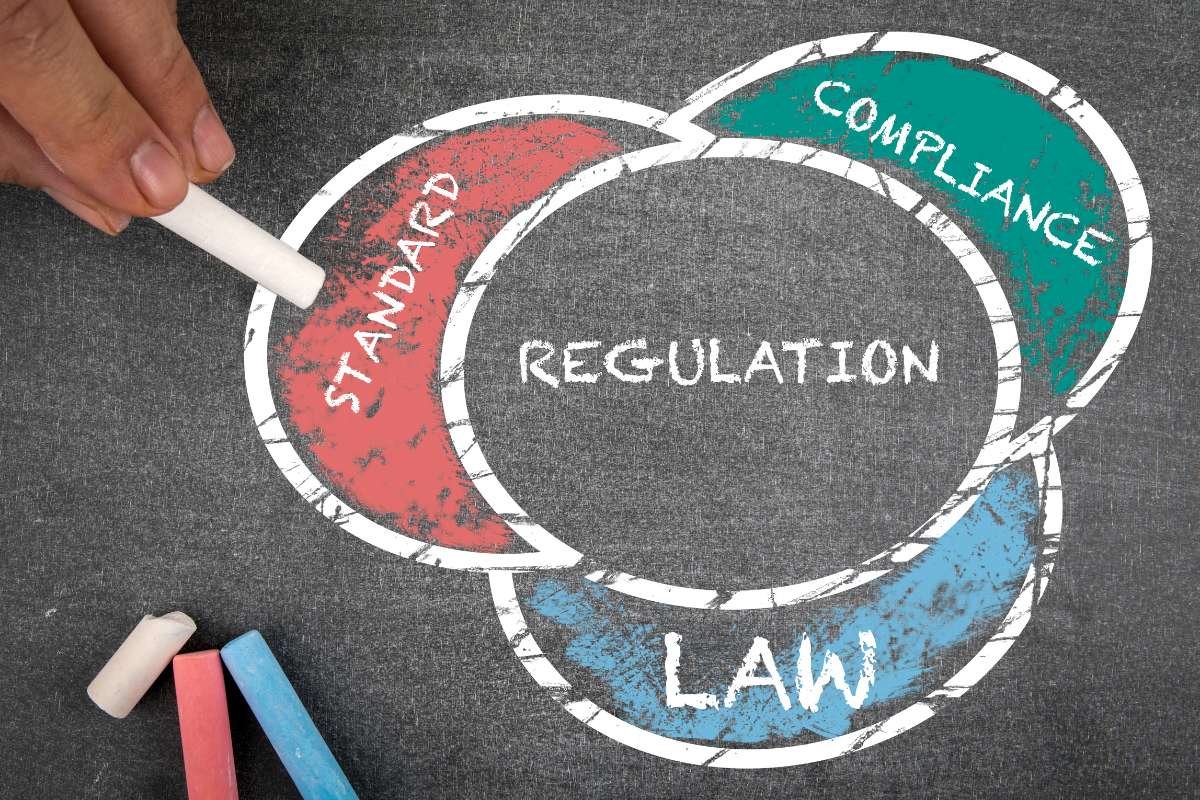
In 2026, compliance is more than a checkbox. It’s a risk-mitigation strategy.
Wildlife control involves ladders, attics, crawlspaces, structural modifications, and animal handling. Any failure in safety protocol or compliance can expose your business to liability.
Be sure to verify that your vendor holds:
- All state-required wildlife control licenses
- Commercial general liability insurance
- Workers’ compensation coverage
- OSHA-aligned safety practices
- Background-checked and trained technicians
Ask vendors to provide documentation before they set foot on your property. A legitimate provider will never hesitate to share proof.
3. Evaluate Response Times and Service-Level Agreements (SLAs)
For commercial properties, the value of quick response cannot be overstated. A bird infestation in a warehouse, a raccoon in a restaurant ceiling, or a bat inside a patient-care area cannot sit for days. SLAs should include:
- Guaranteed response windows (e.g., 24 to 48 hours)
- Emergency response options
- Time expectations for exclusion repairs
- Communication standards for updates and technician arrival
If downtime impacts your operations, prioritize wildlife Control partners with robust dispatching systems and multi-technician coverage.
4. Assess Reporting Tools and Digital Documentation

Documentation matters, especially for companies with industry audits, multiple sites, or regulatory oversight. Choose a provider with digital tools that make tracking easier, such as:
- Photo and video documentation
- Digital inspection reports
- Repair and exclusion summaries
- Online service portals
- Multi-site dashboard consolidation
These tools provide transparency, support insurance claims, and help ensure consistency across properties.
5. Compare Pricing Models for Multi-Site Operations
Pricing in 2026 varies widely depending on scope, contract structure, and regional labor markets. Multi-site businesses often benefit from tiered or bundled pricing. When evaluating proposals, ask providers to clarify:
- Service call fees vs. full project pricing
- Hourly vs. flat-rate exclusion work
- Seasonal or annual maintenance plans
- Multi-location discount structures
- Warranty terms and what they cover
Avoid vendors that refuse to provide written pricing outlines or rely heavily on “starting at…” language with no formal scope.
6. Red Flags to Watch For

As with any specialty service, there are warning signs that indicate a vendor may not meet commercial standards:
- No written warranties on exclusion work
- Pressure tactics or “today only” pricing
- Limited documentation or reluctance to provide references
- No digital reporting options
- Vague descriptions of their trapping or removal methods
- Poor communication or unreliable scheduling
If you encounter these, proceed with caution.
Helpful RFP Questions
When creating an RFP or vendor comparison checklist, consider including:
- What is your average response time for commercial calls?
- What licenses and insurance coverage do you carry?
- What humane methods and policies do you follow?
- Can you provide a sample digital report?
- What warranties do you offer on exclusion work?
- Do you offer multi-site pricing and centralized billing?
- What is your technician training program?
These questions help highlight operational maturity and service consistency, two essential factors for reducing downtime.
Final Thoughts
Choosing a wildlife control partner in 2026 means prioritizing transparency, safety, responsiveness, and accountability. By following these steps and knowing what to look for, facility leaders can reduce risks, protect their buildings, and ensure smoother operations across every site.