Beijing unfolds like a timeless theatre, where dynasties, revolutions, and modern visions share the same stage. The Forbidden City rises as the stern monarch, while glass-clad skyscrapers glitter as restless new actors eager to claim the spotlight. Every hutong whispers like a chorus of memory, and every bustling avenue roars with the tempo of progress.
In 2025, the city performs a drama that shifts seamlessly from dawn dumplings sizzling on street corners to avant-garde galleries glowing at dusk. By moonlight, the ancient city walls still hold their lines. Here, past and present do not compete; they improvise together, creating a story impossible to forget.
Geography, Setting & Living Legacy: The Stage and Its Story
Beijing’s stage is set upon a dramatic landscape: perched at the northern apex of the North China Plain, the city lies about 100 miles (160 km) from Bohai’s coast, hemmed in by mountains to the west, north, and northeast that form a natural amphitheatre around its capital grandeur. The municipality spans some 16,410 square kilometres, over 60% mountainous terrain, yet within its vast frame are palace walls, lakes, tree-lined hutongs and imperial gardens, silent echoes amid its sprawling bustle.
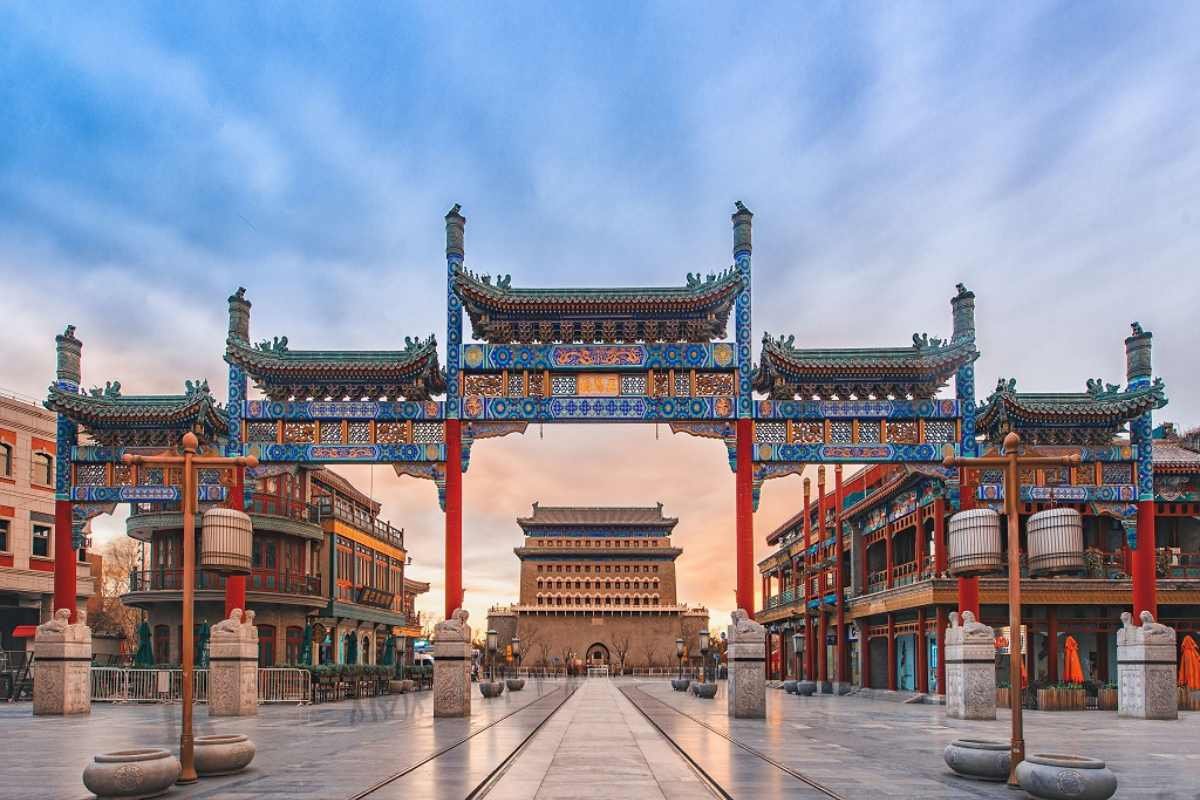
Centuries ago, this stage began with a settlement more than 3,000 years old. Under the Yuan, the city, then called Dadu, was cast as the dynastic center; the Ming and Qing dynasties refined its architecture, layout, and political drama. Today, Beijing’s legacy is visceral: walk the Beijing Central Axis, just honoured in 2024 as a UNESCO World Heritage Site, for along its 7.8-km spine run the Forbidden City, temples, gates, plazas, all arranged in symmetrical splendor.
The modern additions, Olympic stadiums, research hubs, and creative zones, are newer actors joining the same cast, ensuring the play of past and present goes on.
Climate, Seasons & Best Time to Visit: Changing Scenes of the Stage
Beijing’s theatre has four distinct acts, each with its own backdrop and mood. Winters dress the city in pale silence, while summers roar with thunderous applause of storms. Spring and autumn, however, are the audience favourites, moments when the city feels perfectly lit, perfectly staged.
| Section (Act) | Months | Mood on Stage | Highlight |
| Act I: Spring Blossoms | Mid-Mar to Mid-May | Gentle overture, cool and fresh | Peach blossoms, gardens, easy strolls (beware the rare dust-storm twist). |
| Act II: Summer Thunder | Jun to Aug | Fiery climax, hot & humid | Afternoon storms, festivals, long days, carry shade & water. |
| Act III: Autumn Gold | Sep to Mid-Nov | The perfect spotlight | Clear skies, colourful foliage, hiking the Great Wall. |
| Act IV: Winter Silence | Mid-Nov to Mid-Mar | Stark, minimal stage set | Crisp air, quiet temples, indoor museums, and light snow are possible. |
The curtain rises brightest in late April–May and September–October, when comfort, colour, and calm crowds align.
Beijing’s Financial Role: The Capital’s Economic Performance
Beijing stands as China’s financial powerhouse, blending historic prestige with modern economic dynamism. Its thriving industries, strategic policies, and global influence make the city a central stage for the nation’s growth story.
- Financial Stage: Beijing’s financial sector is a leading actor in China’s economic drama, contributing significantly to the nation’s growth.
- Economic Performance: In 2023, Beijing’s regional GDP reached approximately CNY 4.4 trillion (about USD 618.26 billion), marking a 5.2% year-on-year increase.
- Financial Street: Home to over 1,900 financial institutions, including 16 Fortune Global 500 companies, Financial Street is a national financial management center, contributing nearly 40% to the city’s value-added output and 65% to its tax revenue.
- Global Ranking: Beijing ranks 7th among 45 international financial centers, reflecting its significant role in global finance.
- Industrial Growth: The city’s digital economy and high-tech industries saw substantial growth, with high-tech industry investment increasing by 37.2% in 2024.
- Policy Influence: As the national capital, Beijing plays a pivotal role in shaping China’s financial policies, influencing currency regulation, and overseeing state-owned enterprises.
- Economic Challenges: Despite its robust performance, Beijing faces challenges such as a slowing economy, with industrial output and retail sales growth falling short of expectations in August 2025.
- Strategic Initiatives: The city continues to implement measures to boost service consumption and stimulate economic growth, including opening up sectors like internet, culture, and healthcare to more foreign and private investment.
“Beijing’s streets hum with life, where every festival and celebration becomes a scene in the city’s ongoing performance. The capital’s spirit takes center stage, blending tradition and modernity in a living, ever-changing spectacle.”
Key Events & Festivals in Modern Beijing
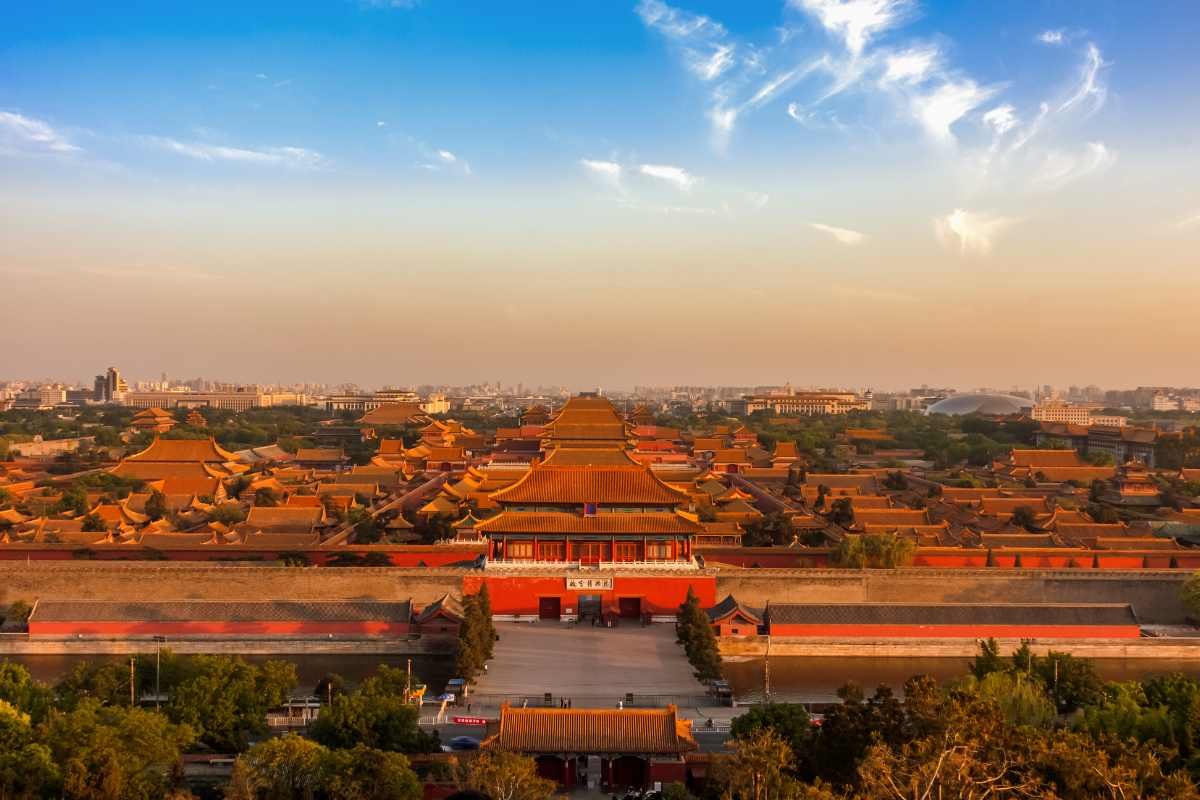
Beijing’s calendar unfolds like a carefully choreographed play, each festival and event a new act that brings the city’s streets, squares, and halls to life. Tradition and modernity perform side by side, creating a spectacle that engages locals and visitors alike. In 2024, over 16,000 cultural events and 57,000 commercial performances transformed the city into a living stage.
| Festival | When | Scene on Stage | Highlights |
| Spring Festival | Jan–Feb | Streets ablaze | Fireworks, parades, temple fairs |
| Mid-Autumn Festival | Sep | Moonlit family act | Lanterns, mooncakes, gatherings |
| Golden Week | Early Oct | Bustling spectacle | Travel, tourism, crowded landmarks |
| Beijing Int’l Film Festival | Apr | Red carpet drama | International films, premieres |
| Beijing Music Festival | Autumn | Harmonious overture | Classical, contemporary, experimental music |
| Beijing Marathon | Sep | Running performance | Thousands of local & international runners are threading the city |
“Each festival adds color, rhythm, and narrative to Beijing’s ongoing story, turning the capital into a stage where heritage, creativity, and public life intertwine seamlessly.”
Taste the Story: Iconic Flavours That Bring Beijing to Life
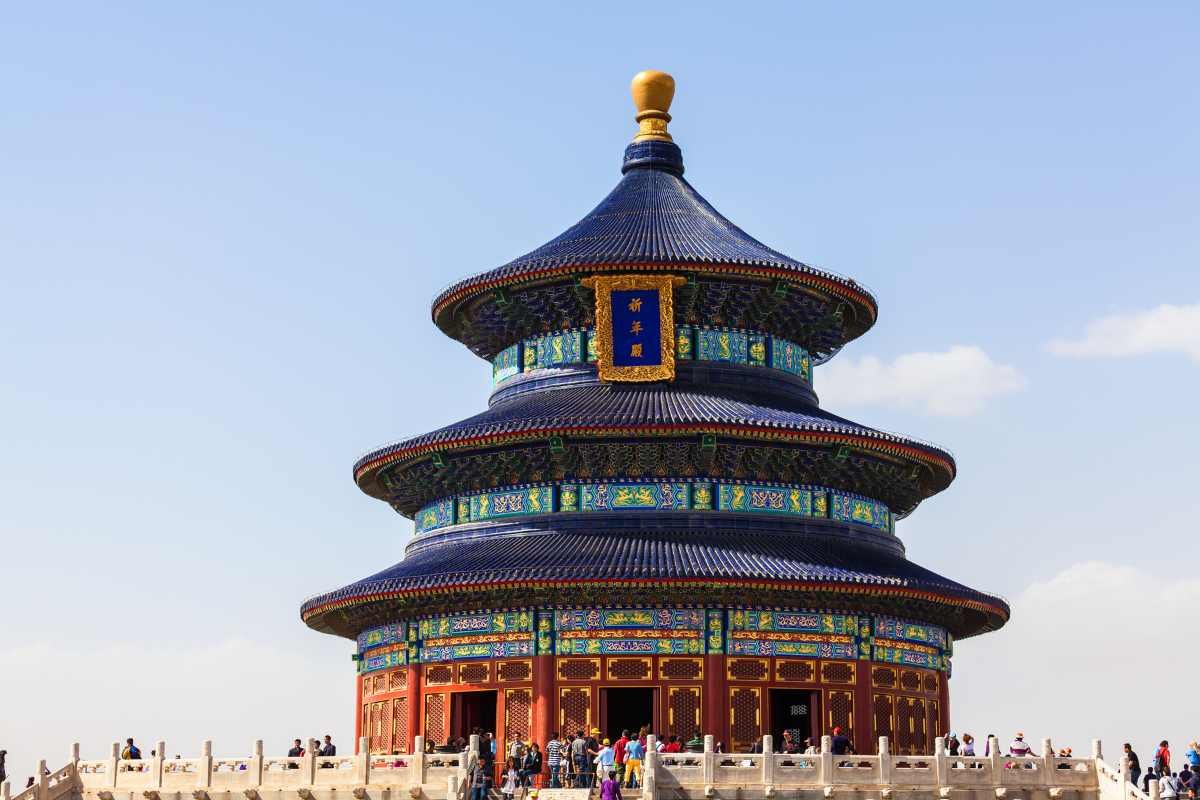
Beijing’s kitchen is a repertoire of taste, each dish a scene that reveals character, history, and surprise. The imperial art of Peking Duck still draws admiration, crispy skin and succulent meat once reserved for emperors, now shared across tables in restaurants like Quanjude and Bianyifang. Jianbing provides street theatre at dawn: batter spread thin, egg cracked, sauces layered, crispy bits crackling under hand, all in a few minutes.
Baozi and Zha Jiang Mian bring comfort: steamed buns bursting with choice fillings; noodles bathed in rich soybean and meat sauce, a warm act in the city’s daily rhythm. Fermented mung bean drink Douzhi’er challenges the palate, often paired with salty snacks, old-Beijing style. Seasonal treats like mooncakes during Mid-Autumn add sweetness and ritual.

Conclusion: The Final Act
Beijing’s story is never a single scene; it is a theatre where emperors and entrepreneurs, ancient walls and neon skylines, timeless rituals and bold innovations all share the same spotlight. The city invites you not only to watch but to step onto its stage, tasting, walking, and feeling its living drama.
Whether through the echo of drums on the Central Axis, the aroma of Peking Duck, or the laughter of crowds at a lantern fair, Beijing proves that the play of past and present will always go on, endlessly captivating its audience.