In a modern employment setting, Risk Awareness in Corporate Culture ensures that keeping people safe is prioritised over performance targets. By embedding these strategies into everyday activities, organisations can strengthen employee confidence, prevent accidents, and create a solid foundation for sustainable growth. This guide explores how Risk Awareness in Corporate Culture enables businesses to respond effectively to hazards and build a workplace where everyone can thrive.
Making Risk Awareness a Cultural Safety Standard
Risk awareness can bear fruit when it is translated into clear, visible and meaningful reminders that shape workplace behaviours. This forced many companies to strengthen their safety culture through the employment of tools like caution signs to prevent risk of accidents, which ensure everyone in a workplace can recognise hazards almost instantly. Visual signs are used to support risk management campaigns by strengthening training with clear, reliable messaging in the facility, reducing complacency and ensuring employees stay alert to possible risks.
Beyond the use of physical signage, a well-structured risk awareness system considers planning, communication and employee engagement. This means that any organisation that prioritises workplace safety must invest in pattern analysis to minimise future incidents, promote open reporting of near-miss accidents and training programs and tools.
This will make employees feel valued and protected and as a result, organisations often benefit from improved productivity, stronger teamwork, increased loyalty and trust in the company‘s vision. Therefore, making safety part of the culture instead of a checkbox helps organisations create a resilient workplace and workforce, aiming for an environment where wellbeing and success can co-exist.
The Role of Signage in Workplace Risk Awareness Campaign
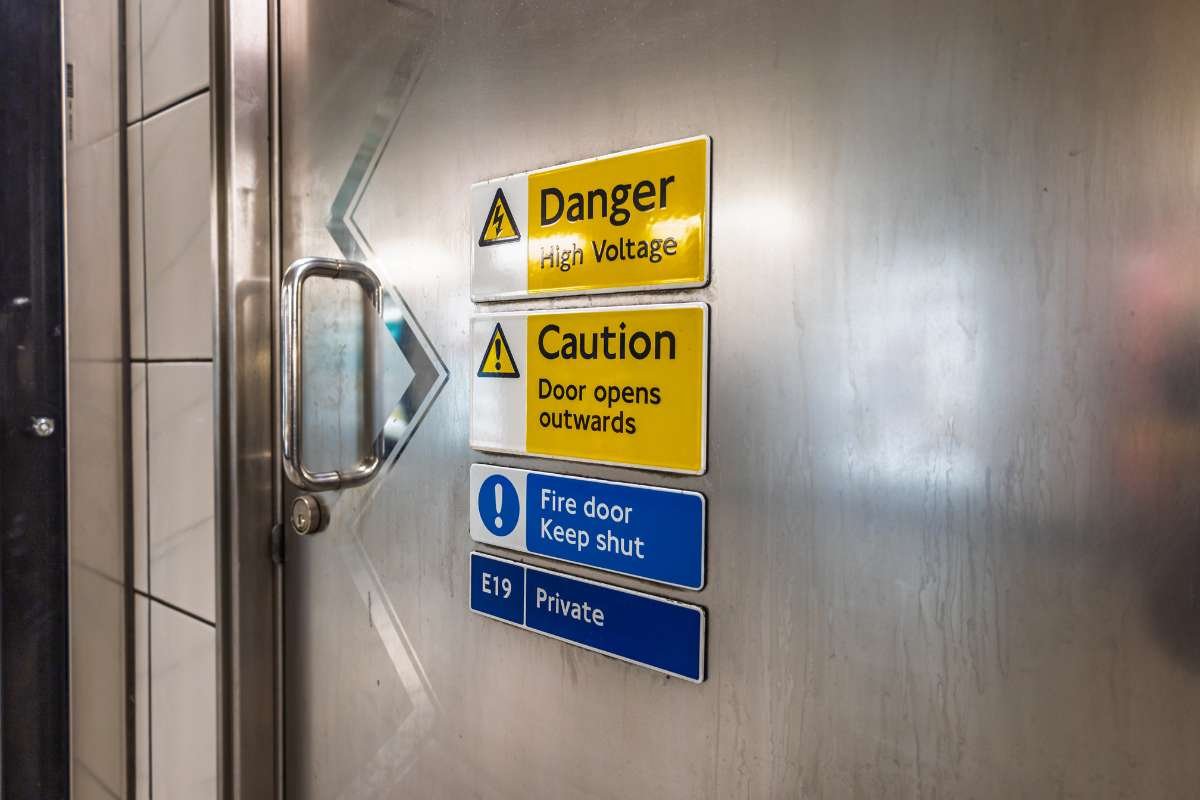
Any workplace, regardless of the risks involved, can benefit from clear and well‑placed signage, which serves as an effective way to strengthen Risk Awareness in Corporate Culture. While safety briefings, policy settings, and employee training remain essential, visual cues provide workers with immediate recognition of hazards.
Enhance Communication and Training
Training is crucial in terms of providing knowledge, while signage plays an essential role in keeping that knowledge active. For example, safety procedures will become normal when they keep appearing or when employees keep seeing the same message and symbol repeatedly. In terms of communication, signs minimise miscommunication by bridging barriers with universal symbols, understood by everyone, regardless of the experience level and language.
Strengthen Everyday Safety Behaviour
Signage is a constant visual reminder that helps workers stay vigilant as they carry on their daily routine in different workplace zones. Whether an area is fitted with moving machinery, wet floors, restricted zones or electric hazards, these signs encourage everyone to make safer decisions without interfering with the normal workflow. Complacency creates risky behaviours, which mostly occur when employees become too familiar with a certain environment. Visual reminders like moving machinery eliminate the likelihood of complacency, hence reducing the risks of avoidable accidents.
Building Awareness Culture
Investment in signage shows the organisation‘s commitment to safety and hazard communication. This. In turn, improves engagement, boosts confidence and encourages workers to be responsible for their wellbeing and that of their workmates. Shared goal and commitment can build a strong foundation of a risk-aware organisational culture over time.
Fulfilment of Legal Requirements and Compliance
Many organisations, especially those in the manufacturing sector, require specific signs to comply with safety and health regulations. Therefore, proper use of mandatory, hazards and prohibition signage ensures the company is on the right side of the law while enhancing understanding and safety across all staff levels. Most signs are simple and clear, communicating rules quickly even for new contractors, visitors and/or employees to help them navigate spaces safely.
Maximising Workplace Safety with Visibility and Proper Placement
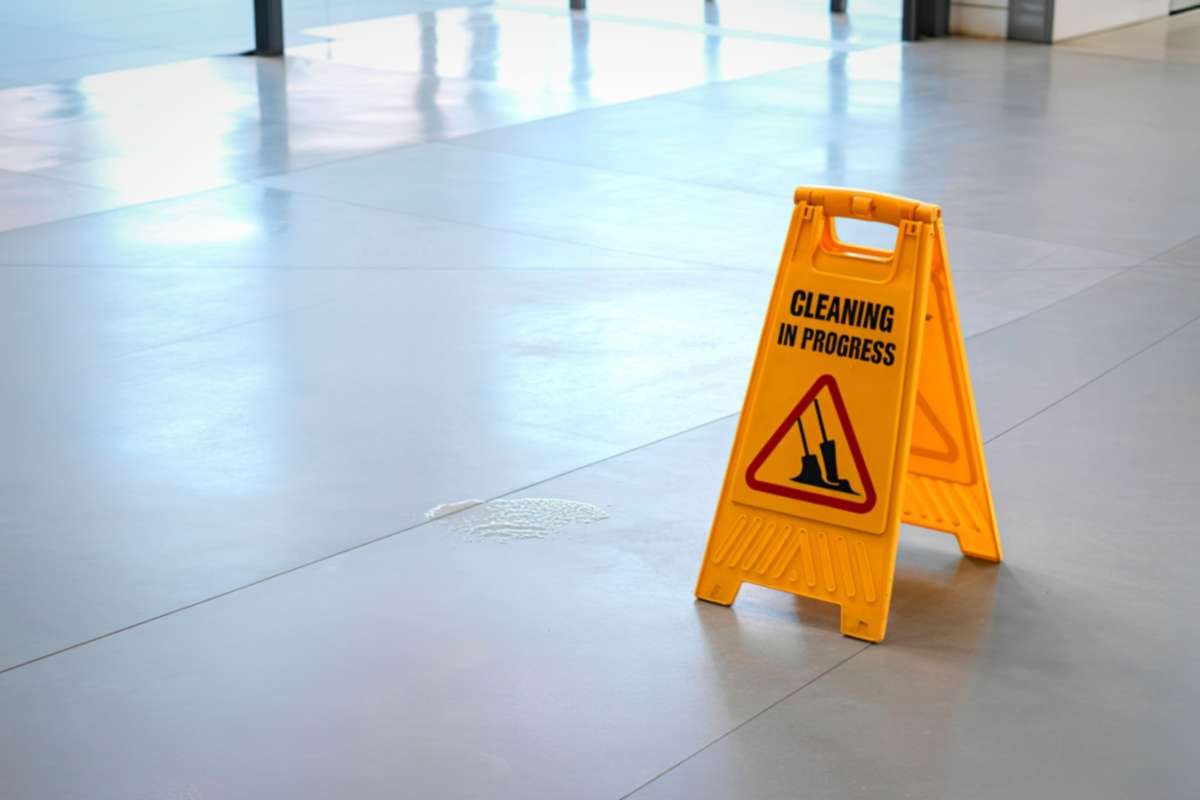
Sign placement plays an essential role in strengthening Risk Awareness in Corporate Culture. Even the clearest warning signage becomes ineffective if it is not installed in the right location. Employees must be able to see signs at the right time and in the right place to ensure hazards are identified quickly, reducing the chance of accidents.
Picking the Right Location
These visual reminders must be placed in areas or sections where employees have a higher probability of encountering hazards. This includes areas like high-traffic areas, entryways and sections with risk of elevated objects falling. For instance, caution signs can be placed near chemical storage, wet floors or moving parts to encourage employees to practice safer behaviours and alert them to dangers. A well-placed sign in a workplace is less of a passive marker and more of an active safety feature.
Line-of-Sight and Height Elements
Visibility determines the effectiveness of workplace signage. It is recommended to install signs at eye level and angled to be visible from as many directions as possible. Avoid obstruction when placing signs and ensure a clear line-of-sight to allow enough reaction time. This can largely reduce the likelihood of accidents and reinforce the culture of hazard awareness.
Environmental Factors
Environmental elements like dust, moisture and vibrations can make or break the effectiveness of safety signs over time. Ensure the signage can remain functional over a long period by withstanding environmental factors. Also, lighting is important in making signs readable during the day and night. This can call for illuminated or reflective signs, especially in low-light conditions.
How to Measure Signage Effectiveness?

The first step in strengthening Risk Awareness in Corporate Culture is to establish clear signage, followed by evaluating its effectiveness. Organisations can then assess whether signage supports a risk‑aware environment and communicates hazards effectively through measurement and active employee engagement.
Encourage Immediate Incident Reporting and Audits
Incident reporting and audits are among the reliable ways to measure the usefulness of signage. Organisations can start by observing behaviours, tracking near-misses and accidents to clearly identify sections where signage is not working as intended. For example, if employees ignore some hazards even with visible signs, it means there is something wrong in either the messaging, placement or design of the sign.
Feedbacks from Employees
Companies can use employees‘ feedback as a measuring point to know how signage is used and perceived. This can include observing how different workers respond to signage during a normal operation to get insight and mark patterns, like the most misunderstood or ignored signs. Based on the feedback, signs can get visibility enhancements, be repositioned or redesigned to enhance hazard communication, which is practical and effective.
Encourage Participation
Motivating employees to take part in the refinement and development of signs strengthens the safety culture and responsibility. Staff should be invited to highlight overlooked hazards or suggest modifications. This shows that safety is a collective effort and creates a sense of ownership. In return, the company can see an improvement in the effectiveness of signage and continue to build a stronger commitment to risk awareness.
In a Nutshell
While training and policies are essential, active employee engagement, strategic signage, and clear communication play a vital role in strengthening Risk Awareness in Corporate Culture. By adjusting signage based on behaviours, measuring effectiveness, and involving workers in safety decisions, organisations can make risk awareness second nature. This approach helps minimise accidents, boosts employee confidence, and supports sustainable organisational success.