If your delivery startup struggles with margins, the problem usually isn’t bad marketing or pricing. It’s time slipping away in small but expensive increments.
Ten minutes lost to a dead battery. Fifteen more waiting on roadside assistance. An hour gone because a driver didn’t know whether a warning light mattered. Those lost minutes may seem small when looked at individually, in a vacuum, but the more they happen, the more they inflate your labor costs, derail routes, and chip away at customer trust.
Last-mile teams feel this pressure more than most. Vehicles work hard, drivers rotate, and routes change daily. So the smartest operators don’t chase big, disruptive overhauls. They focus on small, field-ready fixes that keep wheels turning and drivers moving. Here’s where that mindset pays off.
Driver Training That Targets Delays
Most startups train drivers on safety and customer experience, which is important. But a much smaller number trains them on avoiding time drains, which is nearly as important.
You want drivers to recognize early warning signs before they turn into roadside problems. Things like:
- A slow crank at ignition,
- A tire losing pressure faster than usual,
- A dashboard light that shows up once, then disappears.
These issues may seem minor when they happen once or twice, but often decide whether a shift ends on schedule or with a tow truck.
Short, recurring micro-training works better than one long onboarding session. Ten minutes once a month will always work better than a two-hour slideshow once in a blue moon. Focus on what actually happens in the field. Use photos from your own fleet. And standardize what “stop and report now” looks like versus “note it and finish the route.”
Industry analysis notes that preventive maintenance programs reduce unexpected breakdowns and related costs, which include delays and roadside violations. Fewer surprises equal fewer lost hours. Simple math.
Safe Battery Changes That Don’t Ruin a Shift
Dead batteries cause outsized disruption. A jumpstart might get you going, but it often hides a battery that’s already at the end of its life. Replacing it quickly and safely matters.
You don’t need every driver to become a mechanic. But you do want leads or dispatch-adjacent staff to handle basic replacements without guesswork. A practical baseline looks like this:
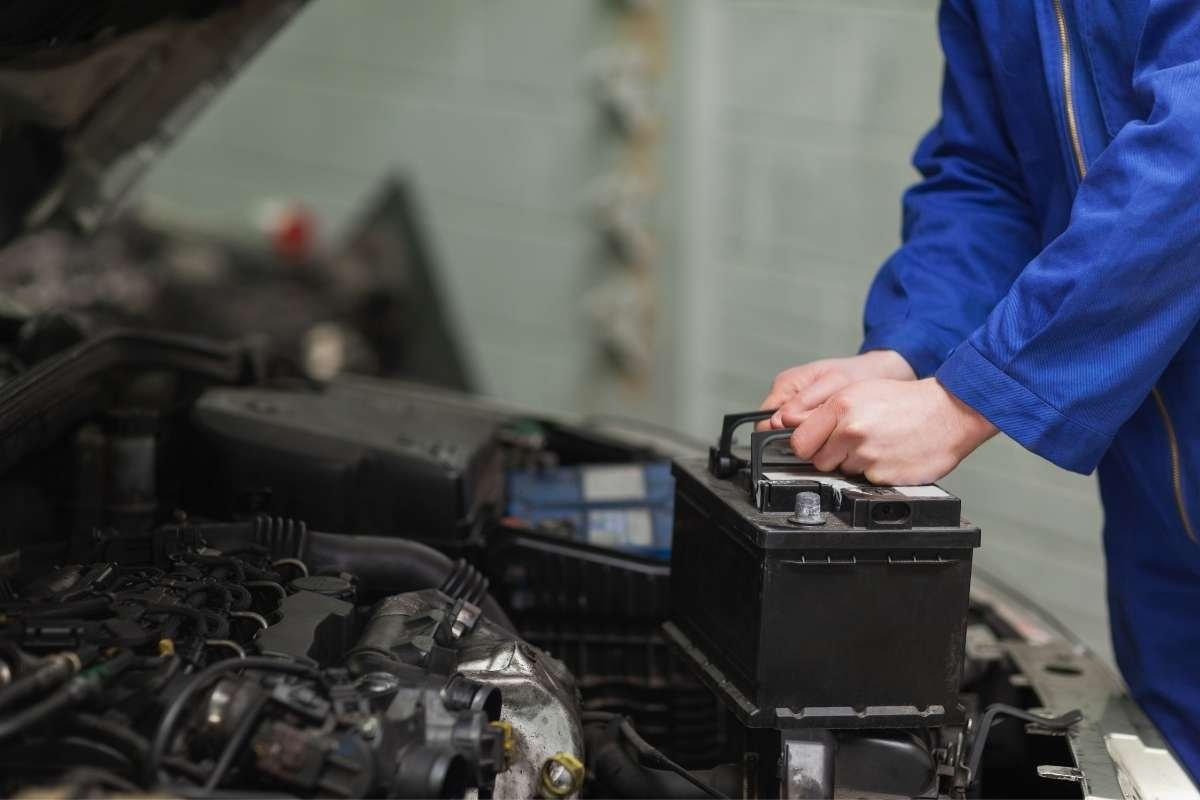
- Turn off the engine and all electronics;
- Use gloves and eye protection (non-negotiable);
- Disconnect the negative terminal first, then the positive;
- Remove the old battery carefully (keep in mind they’re heavier than they look);
- Clean terminal clamps before installing the new unit;
- Connect positive first, negative last, then secure the battery.
For teams that want a clear, vehicle-agnostic walkthrough, Supercheap Auto publishes solid guidance worth bookmarking. Their expert car battery replacement tips break down safety steps and common mistakes in plain language, and they’re widely cited across automotive maintenance content as a reliable reference.
Why bother training this in-house? AAA reports that battery issues remain one of the top causes of roadside assistance calls. Every avoided call saves hours, not minutes.
Tire Plug Kits Beat Waiting for a Tow
A slow puncture during a route doesn’t always require a tire change. Tire plug kits cost little, take minimal space, and can turn a route-ending problem into a ten-minute pause.
The key is policy clarity. Drivers need to know when a plug is acceptable and when it’s not:
- Sidewall damage? No plug.
- Large puncture? No plug.
- Simple tread puncture from a nail? Plug it, log it, finish the route, then schedule a proper repair.
Keep kits standardized across the fleet so nobody hunts for tools or instructions. And include a laminated quick guide in the trunk.
Fluid Top-Ups That Prevent Bigger Failures
Low fluids rarely stop a vehicle instantly. But they do cause cascading issues that surface later, usually at the worst time.
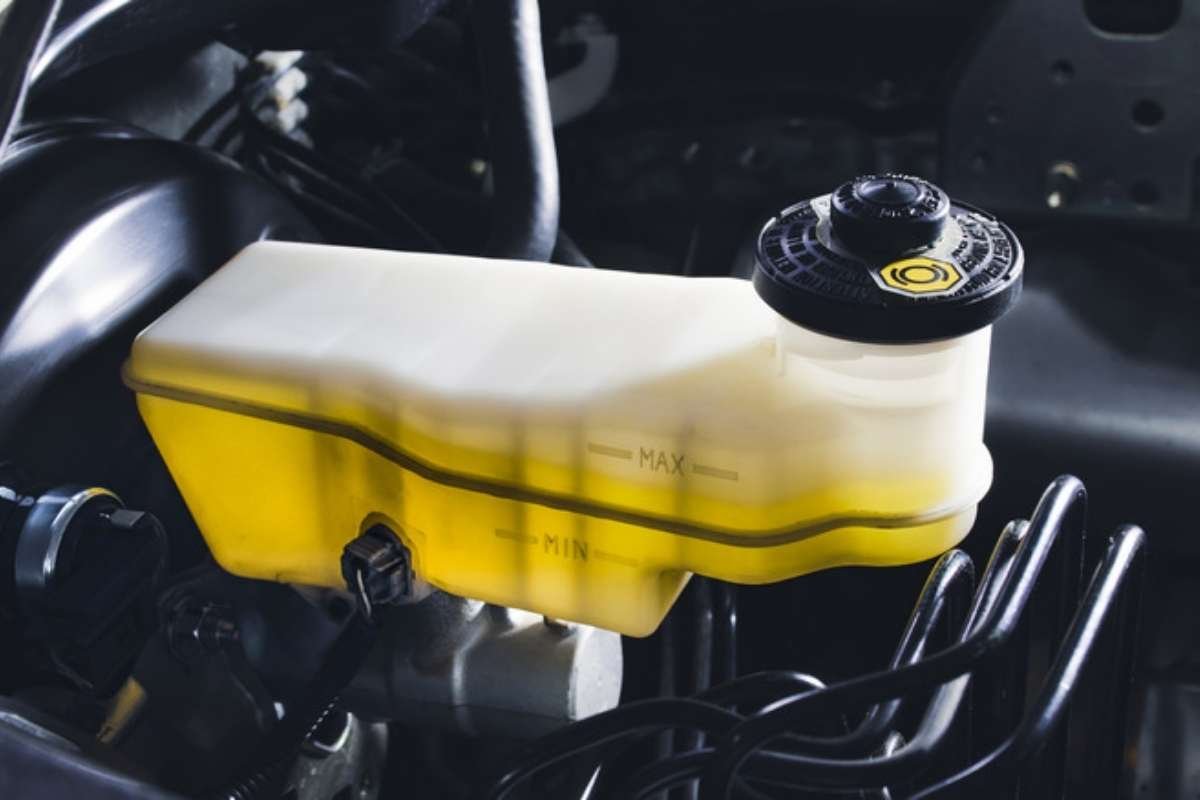
Coolant, oil, brake fluid, windshield washer fluid; these checks take minutes but can prevent days of downtime. Build them into weekly routines, not emergency responses. Some fleets tie fluid checks to mileage thresholds instead of calendar dates, which aligns better with delivery reality.
The U.S. Department of Energy has long linked proper engine maintenance to improved fuel efficiency and reduced breakdown risk. Less strain on engines means fewer unscheduled repairs. And fewer repairs mean routes stay intact.
Wiper Changes Are Cheap Insurance
This sounds trivial until a storm hits and visibility drops to nothing, which, depending on where you’re located, can happen often. Wipers wear faster than most teams expect, especially in urban stop-and-go conditions.
So, standardize replacement intervals and store spare wipers by vehicle type at your depot. Changing them takes five minutes. Driving blind costs a lot more than that (in delays, tickets, or worse).
SOPs and Glovebox Checklists
Documentation means nothing if it’s too long or too abstract. Your SOPs should read like instructions someone can follow while standing next to a vehicle, phone in one hand, tools in the other.

Keep glovebox checklists short: “pre-shift, mid-shift, end-shift.” No paragraphs, just prompts. And review them quarterly because vehicles change and routes evolve.
The throughline across all these fixes is the same. You aren’t trying to turn drivers into technicians. You want to remove friction from everyday operations. Time saved here doesn’t show up as a single dramatic win. It shows up as fewer missed deliveries, calmer dispatch days, and a fleet that quietly does its job.