As urban mobility in India remained closely tied to car ownership, gaps in flexible and short-term vehicle access became increasingly visible. Zoomcar entered this space from Bengaluru with a self-drive rental model that challenged conventional usage patterns.
The service allowed users to access cars without ownership commitments while creating earning opportunities for private vehicle owners. This introduction sets the context for examining Zoomcar’s operating framework, market pressures, critical decisions, and current business standing through a structured SWOT perspective.
Origins, Purpose, and Operating Framework
Founded in 2013, Zoomcar entered the Indian mobility space with a focus on self-drive vehicle access. The company introduced a technology-enabled platform that removed the need for chauffeurs, giving users greater control over short-term travel and everyday mobility. At the core of its operations is a shared marketplace that links private car owners, referred to as hosts, with renters seeking temporary use.
This structure allowed idle vehicles to generate returns while increasing availability across urban locations. In its early phase, Zoomcar operated with a fleet-owned rental model. Over time, the company transitioned toward a marketplace approach that limited vehicle ownership and lowered capital requirements. This strategic shift supported wider geographic reach across India and select international markets while maintaining operational flexibility.
Problem Statement: Gaps in Self-Drive Mobility
Urban mobility in emerging markets shows a gap between usage needs and access models. Underutilised private vehicles and adoption barriers in shared systems contributed to persistent inefficiencies in self-drive mobility.
The Core Problem Zoomcar Addressed
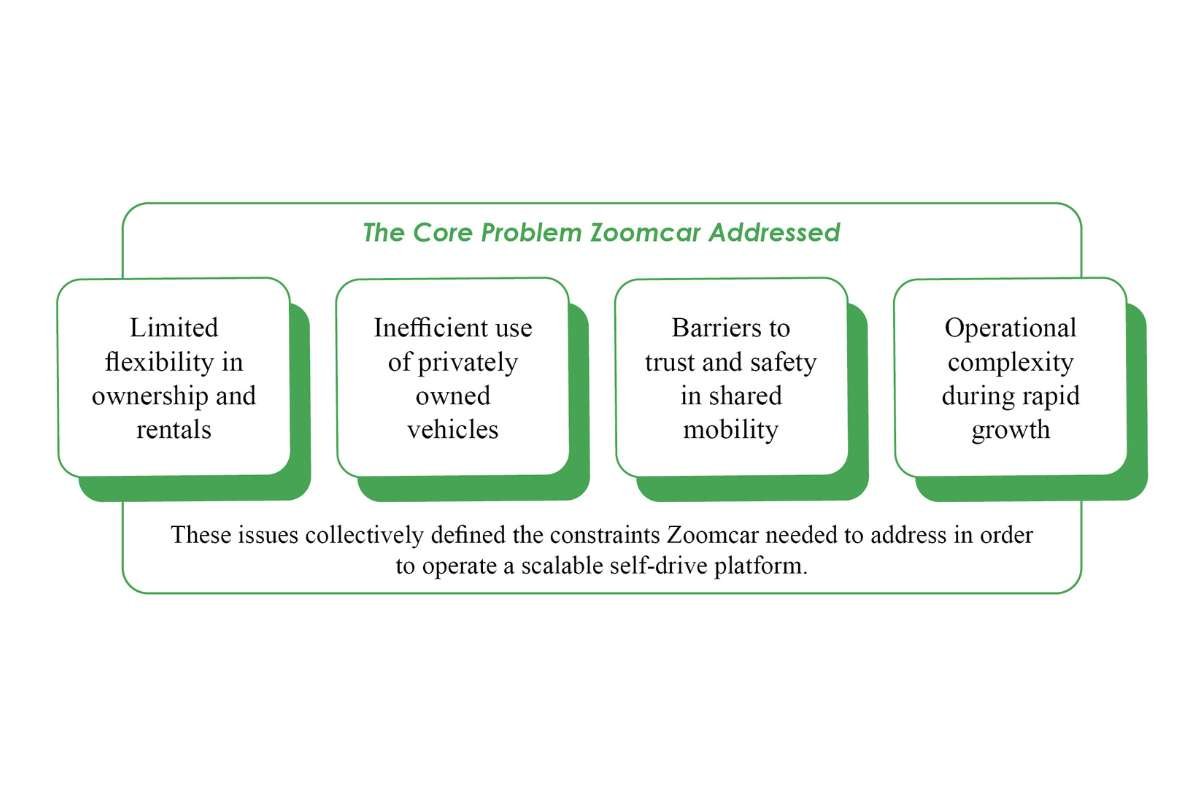
- Limited flexibility in ownership and rentals
- Inefficient use of privately owned vehicles
- Barriers to trust and safety in shared mobility
- Operational complexity during rapid growth
These issues collectively defined the constraints Zoomcar needed to address in order to operate a scalable self-drive platform.
Operational and Growth Objectives
These objectives reflect the company’s intent to align platform growth with user expectations and owner participation. Each goal addresses a specific operational or market constraint identified in the preceding section.
- Accessible Self-Drive Use: Provide users with flexible, cost-effective options for short-term and extended vehicle access.
- Geographic Presence: Expand service availability across multiple cities and regions to reach a wider audience.
- Host Income Enablement: Offer private car owners opportunities to generate revenue through shared vehicle use.
- Service Reliability: Ensure consistent quality and a smooth, satisfying experience for all users.
- Platform Safety and Trust: Implement clear standards and safeguards that build confidence among renters and owners.
Together, these objectives guide Zoomcar in creating a scalable, reliable, and user-focused self-drive platform.
Methodology and Approach: Efficient Access
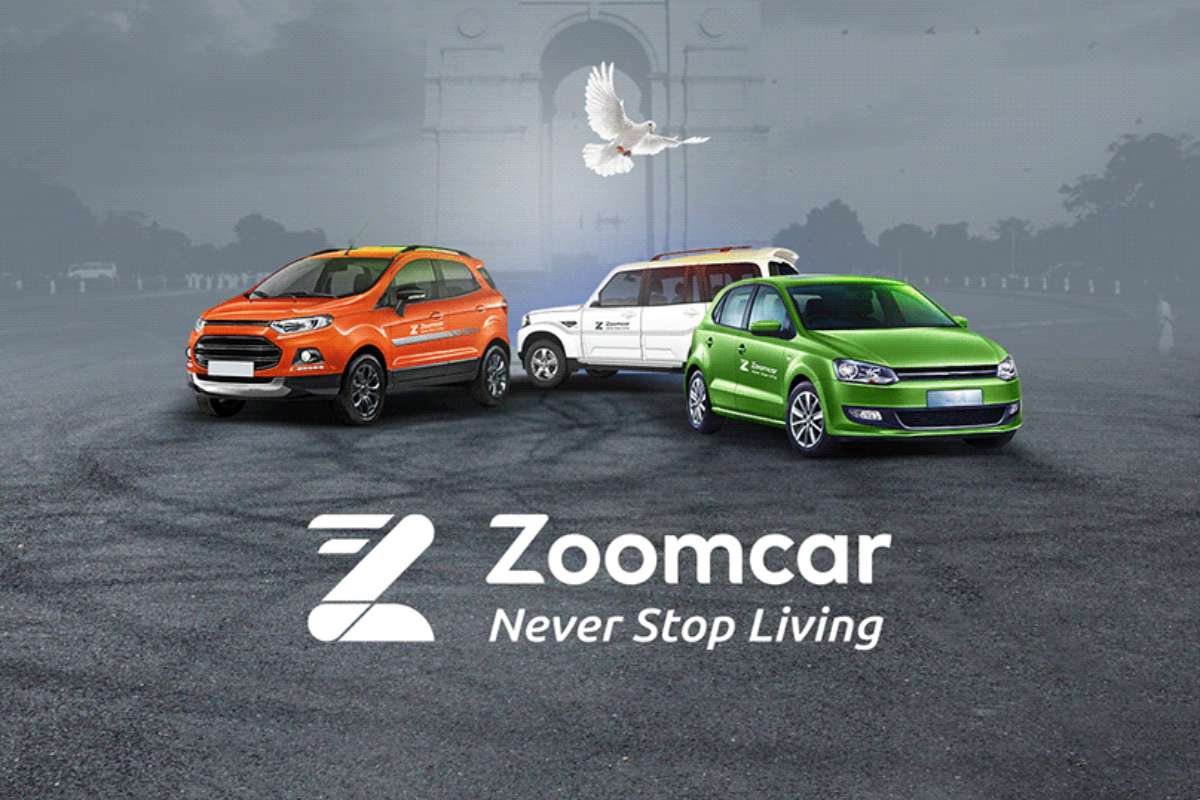
Zoomcar leverages a digital marketplace to seamlessly connect car owners with users seeking flexible vehicle access. Through the app or website, customers can explore available cars by location and timing, select among hatchbacks, sedans, SUVs, EVs, or luxury options, complete KYC, and confirm bookings instantly.
Payments, vehicle returns, and all interactions are handled digitally. Vehicle owners complete a structured registration process, including documentation and compliance checks, ensuring each car meets platform standards. This approach combines convenience, transparency, and accountability for both users and hosts.
Read Next: Porsche: The Timeless Legacy Driving into the Future
How Zoomcar Creates Value?
Zoomcar turns idle vehicles into accessible mobility while enabling owners to earn, using flexible rentals, subscriptions, and partnerships.
- Self-Drive Rentals: Users can book cars for hours, days, or months through the Zoomcar platform. Pricing varies according to vehicle type, duration, and distance, offering flexible options for diverse travel needs.
- Host Program: Private car owners list their vehicles on the platform and earn income when bookings occur. Zoomcar charges a commission on each transaction while ensuring compliance and quality standards.
- Subscription Services: Long-term rentals and subscription plans cover insurance, maintenance, and other essentials, allowing users to access cars without ownership responsibilities.
- Add-On Services: Optional packages such as insurance coverage, roadside assistance, and maintenance add convenience for users while creating additional revenue streams.
- Partnerships: Collaborations with companies like CARS24 bring certified vehicle inspections and GPS tracking to the platform, enhancing safety, accountability, and service quality for both owners and renters.
By integrating flexible rentals, host participation, and value-added services, Zoomcar turns everyday vehicles into a seamless, trusted mobility network.
Execution of Platform Operations
Zoomcar rolled out its platform in structured phases to ensure efficiency and reliability. A robust technology infrastructure was developed, including a mobile app and backend systems to manage bookings, payments, and vehicle records. Simultaneously, the company launched host onboarding campaigns to attract car owners and expand vehicle availability.
A thorough KYC process verified legal credentials and identities of both hosts and users, ensuring compliance and trust. Safety protocols were strengthened through partnerships, such as with CARS24, which conducts vehicle inspections and installs tracking devices. These measures enhanced confidence in vehicle quality, platform reliability, and user accountability across all operations.
SWOT Analysis of ZoomCar
Zoomcar’s internal capabilities, operational gaps, market potential, and external risks are presented side by side, highlighting areas for growth and caution.
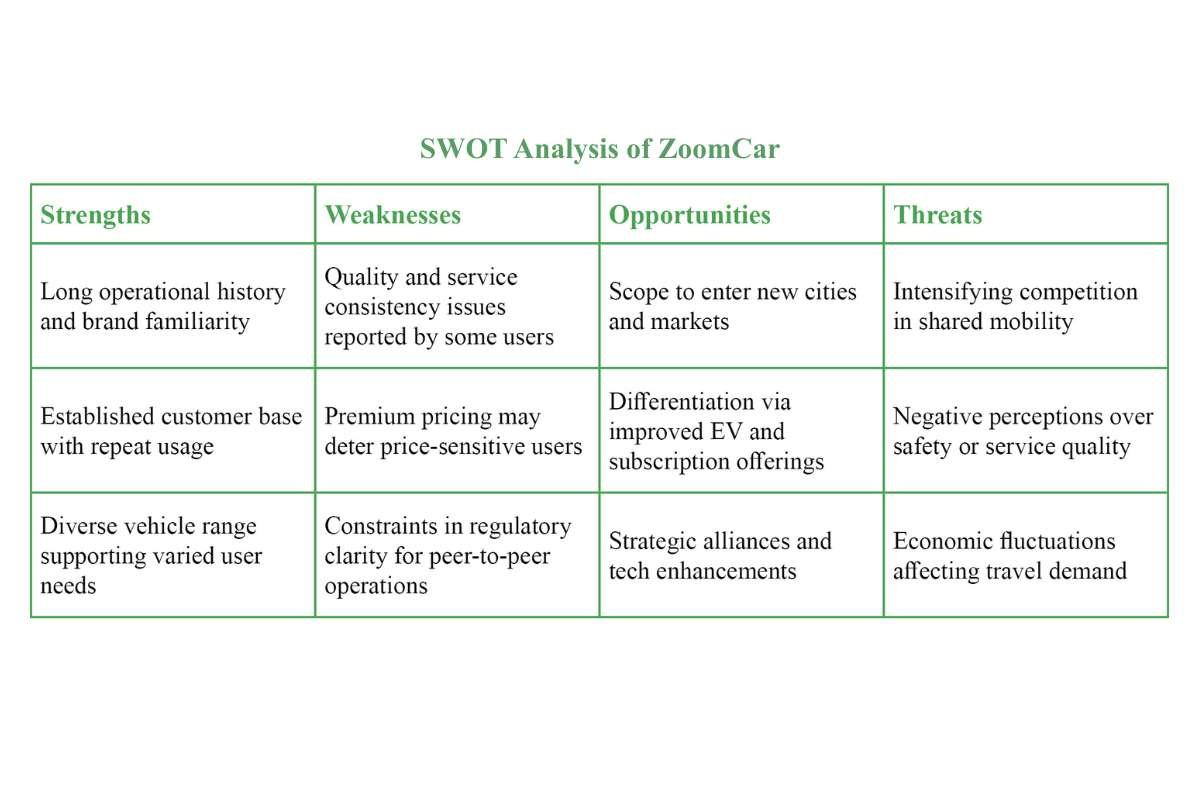
| Strengths | Weaknesses | Opportunities | Threats |
| Long operational history and brand familiarity | Quality and service consistency issues reported by some users | Scope to enter new cities and markets | Intensifying competition in shared mobility |
| Established customer base with repeat usage | Premium pricing may deter price‑sensitive users | Differentiation via improved EV and subscription offerings | Negative perceptions over safety or service quality |
| Diverse vehicle range supporting varied user needs | Constraints in regulatory clarity for peer‑to‑peer operations | Strategic alliances and tech enhancements | Economic fluctuations affecting travel demand |
The SWOT analysis highlights the company’s capabilities and risks, setting the stage for understanding how these factors shape Zoomcar’s strategic decisions and market performance.
Lessons from Zoomcar’s Journey

- Peer-to-peer platforms can fill gaps in urban mobility.
- Flexible options increase user adoption and satisfaction.
- Empowering car owners creates additional income streams.
- Safety and quality measures build trust and credibility.
- Expanding services meets diverse customer needs effectively.
- Customer support and regulatory compliance remain ongoing challenges.
- Strategic partnerships enhance reliability and operational efficiency.
- Technology-driven monitoring supports scalability and competitiveness.
Conclusion
Zoomcar highlights the potential of a peer-to-peer car-sharing model to address urban mobility gaps efficiently. By offering flexible rental options, enabling owners to monetise idle vehicles, and ensuring safety and quality, the platform balances convenience with reliability.
Strategic expansion, subscription services, and partnerships have enhanced reach and credibility, while ongoing challenges in customer support and regulatory clarity highlight areas for improvement. Overall, Zoomcar presents a scalable and adaptable approach to shared mobility in emerging markets.
Read Next: The Volkswagen Story: Where Elegance Meets Efficiency