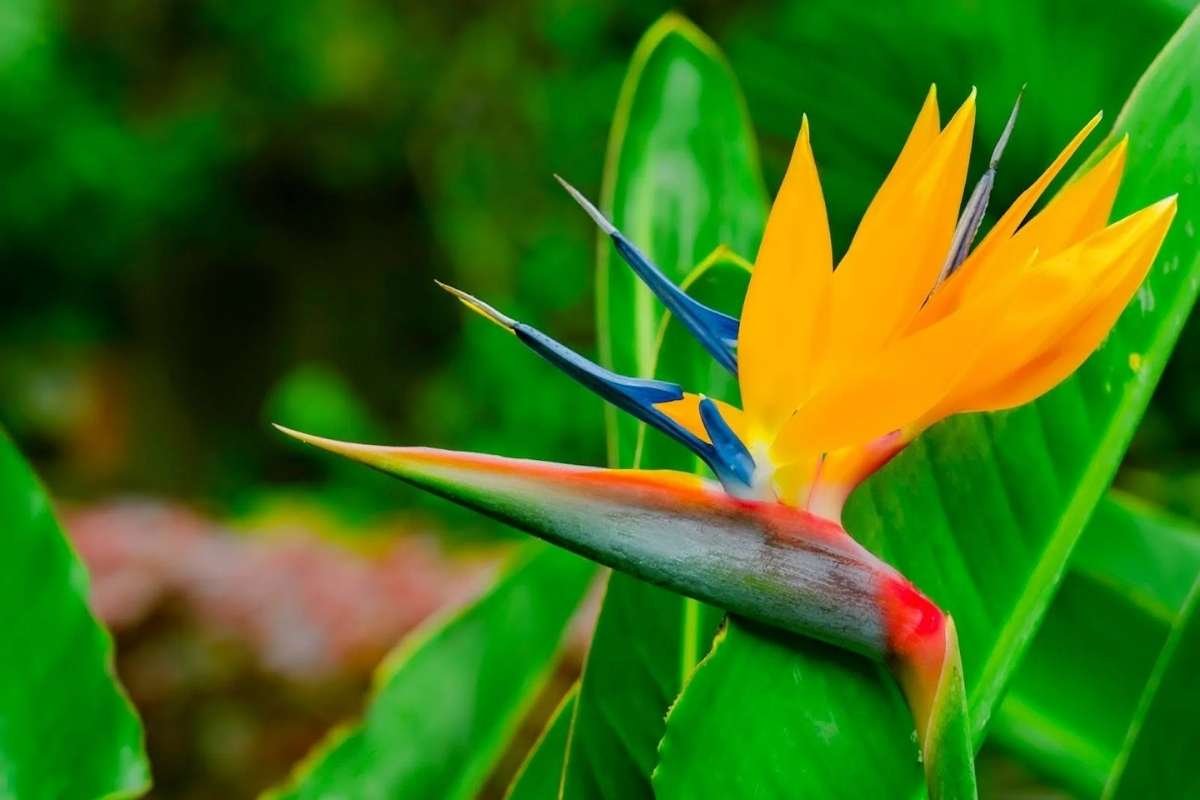
A flower that pops open just like a crane soaring through the sky. Bright orange petals flap wide, clashing with electric blue tongues that stick out boldly. Bird of paradise plants pull off this wild show. They march into your room or garden like supermodels owning the runway, tall, fierce, impossible to ignore. People stop dead. They stare, then poke the leaves to prove it’s real, not some store-bought fake.
You bring one home, and bam, your whole space yells “tropical getaway.” These South African stars shoot up high. They soak up the sun like champs. Patient owners score massive bloom explosions that light up everything.
Want to boost your plant game right now?
Crane flower hunts for gutsy keepers just like you. Let’s break down why this plant feels unreal, how to grow it well, and whether it fits your life or not.
What Are Bird of Paradise Plants?
Bird of paradise plants are tropical flowering plants famous for their stunning blooms. The flowers look like a colorful bird flying through the air. This unique shape is where the plant gets its name.
These plants belong to the Strelitzia family. Another name of this plant is “Crane Flower, Crane Lily”. They grow best in warm places with plenty of light. You often see them in homes, gardens, hotels, and outdoor landscapes because they feel bold and elegant at the same time.
Basic Information and History:
| Common Name: Bird of Paradise Plant | Mature Size: 4-6 feet indoors, up to 20 feet outdoors | Flower Color: Orange and blue (some varieties white) |
| Botanical Name: Strelitzia reginae (most common variety) | Sun Exposure: Bright light to full sun | Bloom Time: Late winter to early summer (mature plants) |
| Family: Strelitziaceae | Soil Type: Well-draining, rich soil | Hardiness Zones: 10-12 |
| Plant Type: Evergreen tropical perennial | Soil pH: Slightly acidic to neutral | Native Area: South Africa |
| Toxicity: Mildly toxic to pets if eaten |
People love bird of paradise plants for two main reasons:
First, the leaves are large, glossy, and dramatic. They instantly make any space look rich and modern.
Second, the flowers feel special and rare. When a plant finally blooms, it grabs attention right away.
Even without flowers, the plant still looks beautiful. With flowers, it becomes unforgettable.
Why Do Bird of Paradise Plants Look Like a Bird?
The flower structure makes this plant truly special. Each bloom grows with stiff, pointed petals that spread outward. The bright orange, blue, or white colors resemble feathers. From the side, the flower looks like a bird sitting on a branch.
This shape is not just for beauty. Nature designed it with a purpose.
In the wild, birds play a key role in pollination. When a bird lands on the flower, the petals open slightly under its weight. This action releases pollen onto the bird. As the bird moves to another flower, pollination happens.
So, the plant combines beauty and function in one design. What looks artistic also helps the plant survive.
Where do Bird of Paradise Plants Come From?
Most Crane Flowers come from South Africa. A few varieties also grow in nearby regions with similar weather. These areas stay warm, sunny, and dry for most of the year.
The soil in these regions drains well. Water never sits around the roots for long. Sunlight stays strong throughout the day. Temperatures remain stable without sudden cold drops.
This natural environment explains how the plant behaves at home.
Crane Lily loves bright light. They grow best near sunny windows or open garden spaces. They do not like cold air, frost, or sudden temperature changes. Stable conditions help them grow strong and healthy.
Types of Bird of Paradise Plants You Can Grow
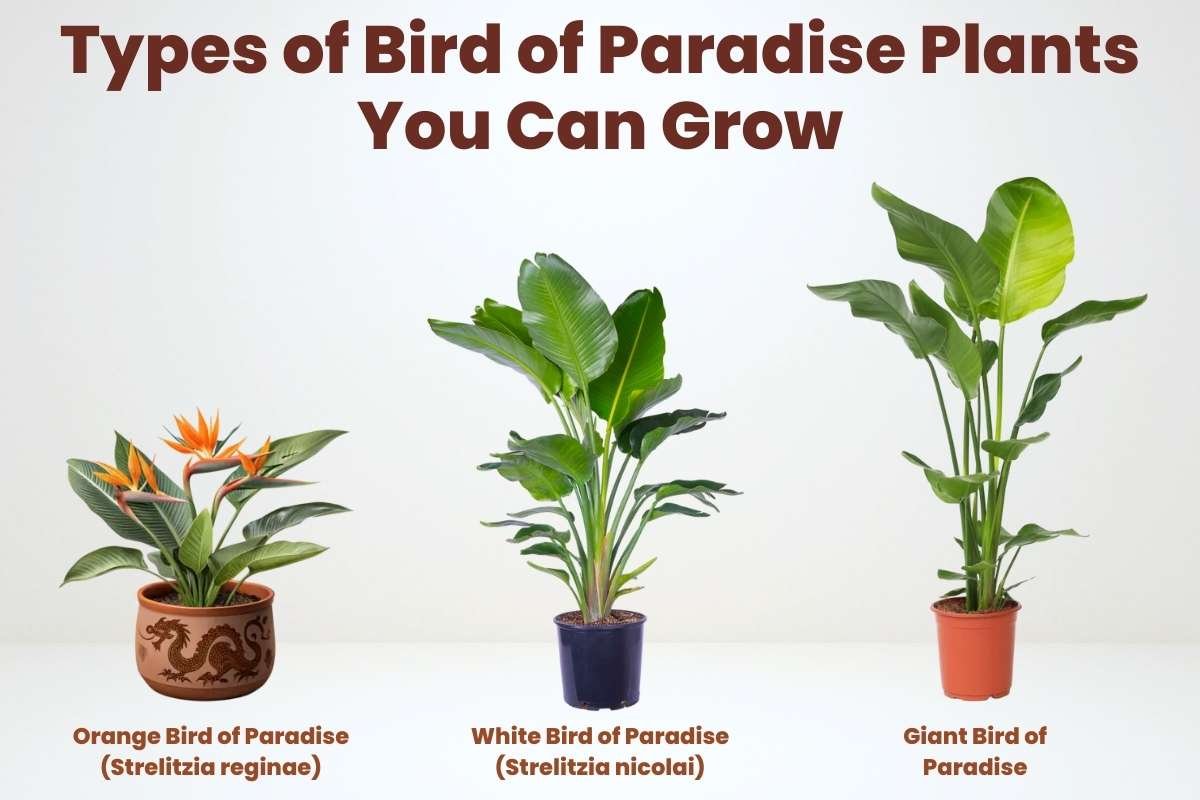
Not every Bird of Paradise plant grows the same way. Some stay small. Others grow tall like trees. Choosing the right type matters because space, light, and care needs change with each variety.
Let’s break them down in a simple way.
1. Orange Bird of Paradise (Strelitzia reginae)
This is the most popular type for home gardeners.
It stays compact.
It fits well in pots.
It works indoors and outdoors.
The flowers look stunning. Bright orange petals rise above broad blue accents. The shape looks like a tropical bird in flight. That is how the plant got its name.
This variety grows more slowly than others. That makes it easier to manage in homes. It also blooms earlier than taller types.
Why gardeners love it:
- Easy to control size
- Perfect for balconies and small gardens
- Ideal for indoor pots
- Blooms sooner than larger varieties
If you are new to Bird of Paradise plants, start here. This plant adapts well and feels forgiving.
2. White Bird of Paradise (Strelitzia nicolai)
This variety grows much taller.
It produces white and soft blue flowers. The leaves are long, wide, and bold. Many people confuse it with a banana plant because of its size and leaf shape.
It needs more room. It also needs more light.
Best places for this plant:
- Outdoor gardens
- Large patios
- Sunrooms
- High-ceiling living spaces
This plant works better outdoors in warm climates. Indoors, it needs space and bright light to stay healthy.
Choose this variety only if you have room to let it grow freely.
3. Giant Bird of Paradise
This is the largest type you can grow.
It reaches a tree-like size over time. The leaves grow huge and dramatic. One leaf alone can fill a corner of a room or garden.
This plant demands space. It also needs strong light all day.
Important things to know:
- Not suitable for small homes
- Needs outdoor space or very large rooms
- Grows fast in warm climates
- Makes a bold statement
People grow this plant for impact, not flowers. Even without blooms, the leaves steal attention.
Which Type Is Best for Home Gardeners?
Most home gardeners start with the orange variety.
It stays manageable.
It adapts well to indoor life.
It blooms earlier than others.
This makes it the safest and most rewarding choice.
Do Bird of Paradise Plants Bloom Indoors?
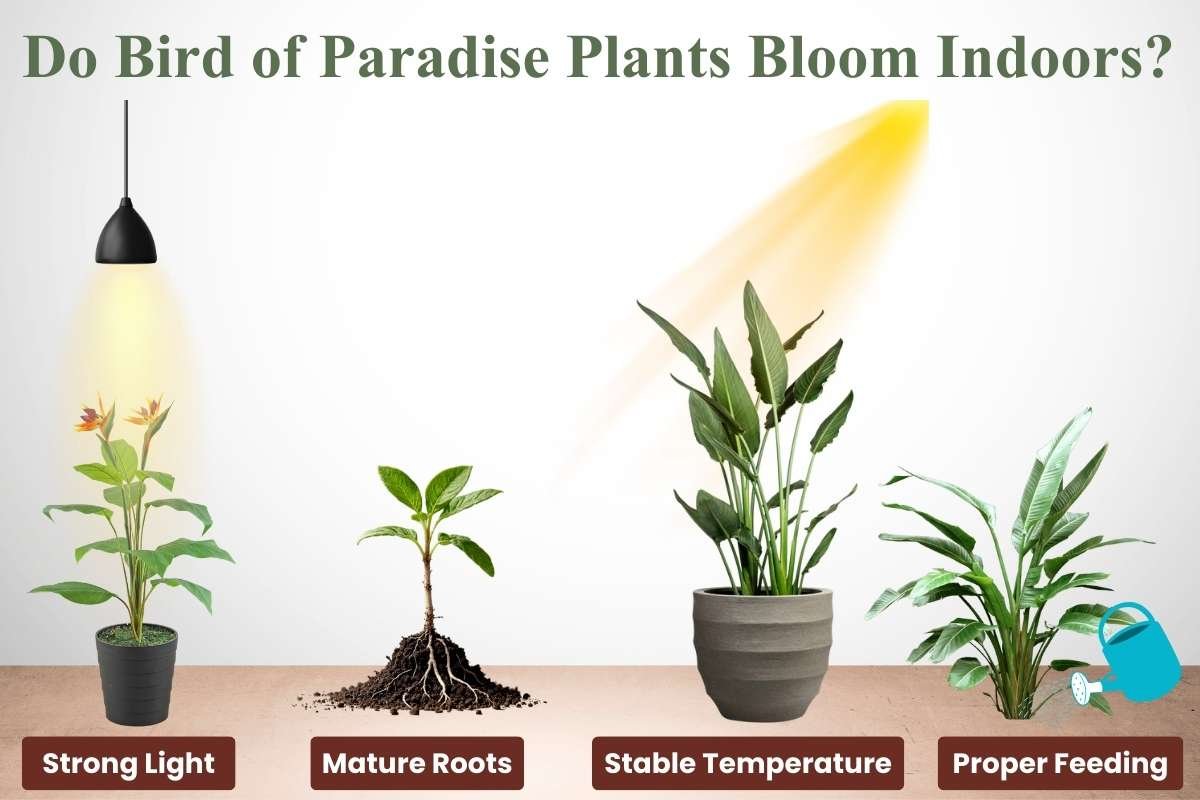
Yes, Crane Flower can bloom indoors. But patience matters.
Many people expect flowers within months. That rarely happens. These plants grow at their own pace.
Indoor blooming depends on a few key factors.
Strong Light: Bright light drives flowering. Place the plant near a sunny window. South-facing windows work best. Low light leads to healthy leaves but no flowers.
Mature Roots: Young plants focus on leaf growth. Flowers come only after the roots fill the pot. Some plants bloom after three years. Others take longer.
Stable Temperature: These plants dislike sudden changes. Keep them away from cold drafts and air conditioners. Warm, steady temperatures support growth.
Proper Feeding: Balanced feeding helps flower production. Nutrients support root strength and energy storage.
Even without blooms, the plant still looks stunning. The bold leaves add beauty and structure to any room.
How Big Do Bird of Paradise Plants Grow?
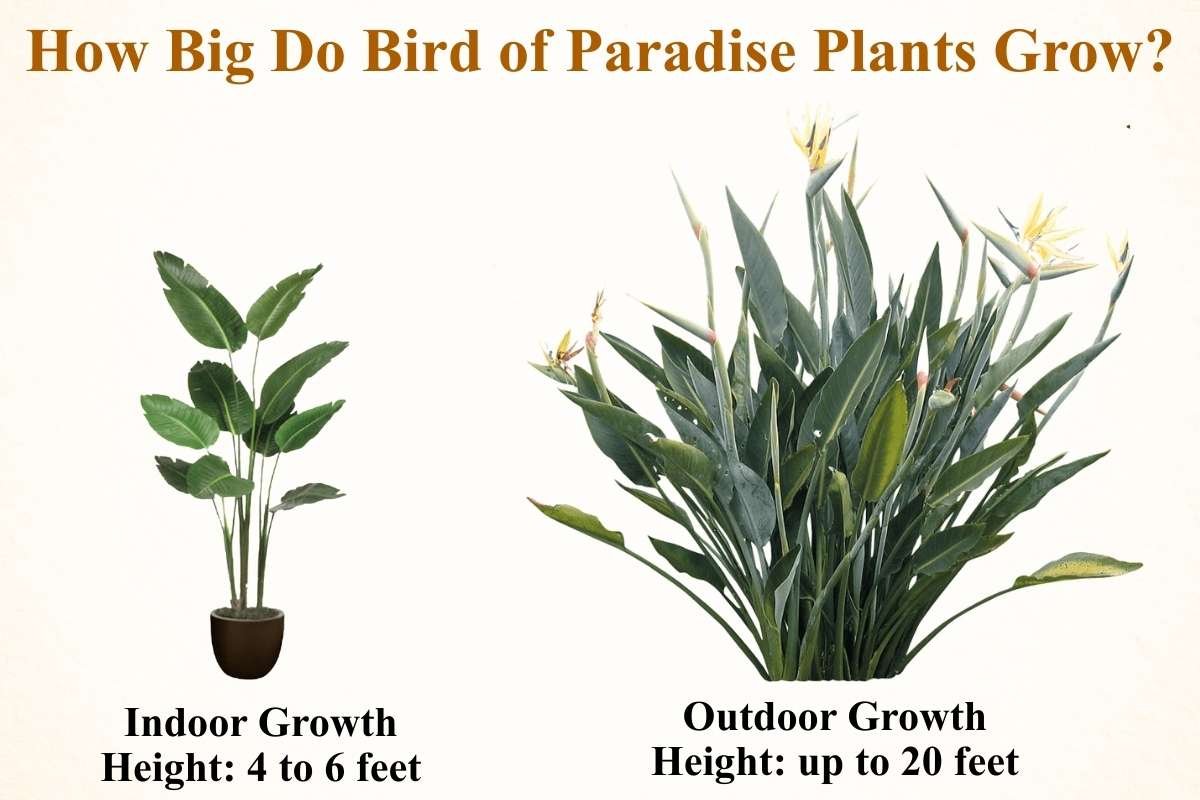
Size depends on the variety and where you grow it.
1. Indoor Growth:
Indoor plants grow more slowly. Pots control root spread.
Typical indoor size:
- Height: 4 to 6 feet
- Growth pace: slow and steady
- Leaves: large but controlled
Indoor plants stay manageable with proper care.
2. Outdoor Growth:
Outdoor plants grow faster. Roots spread freely in soil.
Typical outdoor size:
- Height: up to 20 feet
- Growth pace: fast in warm climates
- Leaves: wider and longer
Outdoor plants need space on all sides.
Plan Space Before Planting
Bird of Paradise plants spread outward as much as upward.
Before planting, ask yourself:
- Do I have room for wide leaves?
- Will the plant block walkways?
- Can it receive full light daily?
Planning early prevents future problems.
How to Care for Bird of Paradise Plants?
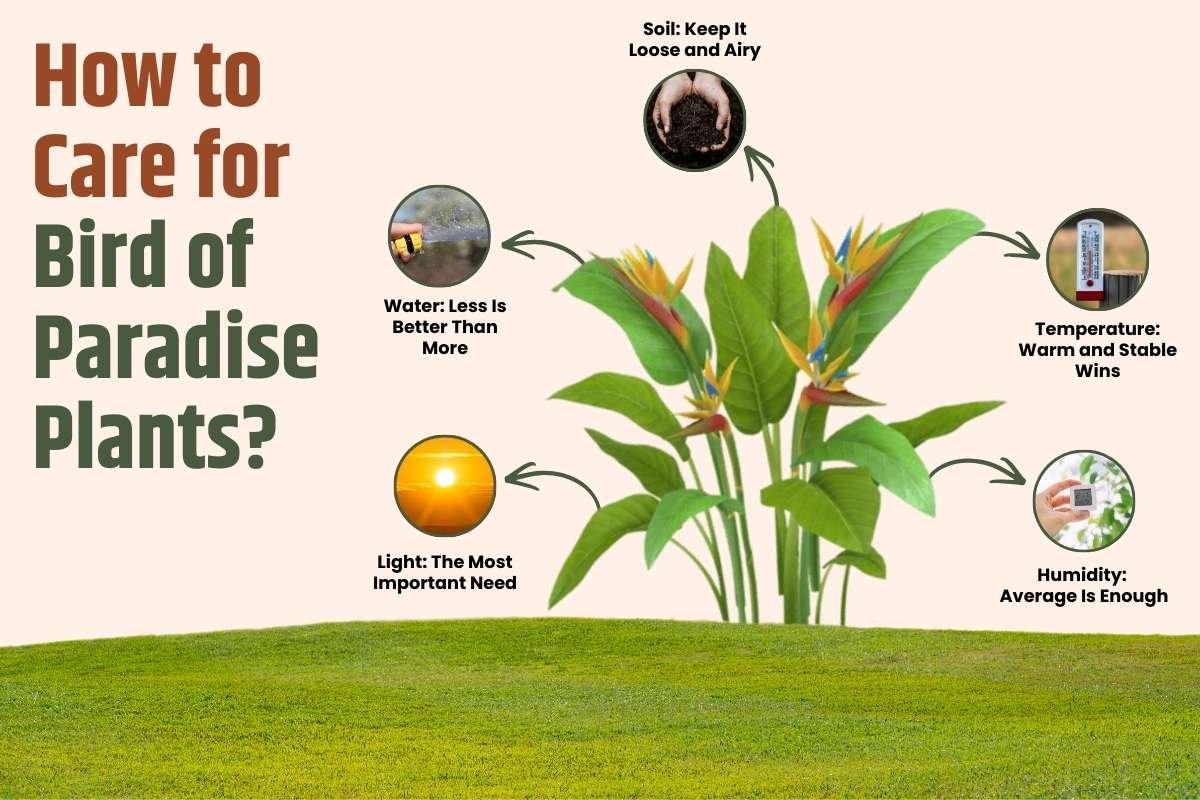
Caring for Crane Lily becomes easy when you copy how they grow in nature. These plants come from warm, sunny regions. They like light, airflow, and space. When you respect their natural rhythm, they grow strong and stay healthy for years.
Let’s break down each care step in simple terms.
1. Light: The Most Important Need
Bird of paradise plants love bright light. Light controls their growth and flowering.
Outdoors, they enjoy direct sunlight for several hours a day. Morning sun works best because it is strong but gentle. Afternoon sun is fine too if temperatures stay moderate.
Indoors, place the plant near a south-facing or west-facing window. Sunlight through glass helps the plant grow tall and strong. Without enough light, leaves grow slowly, and flowers never appear.
Signs of low light include:
- Pale green leaves
- Slow or no new growth
- No flowers after years
More light almost always means a healthier plant.
2. Water: Less Is Better Than More
Bird of paradise plants do not like wet feet. Their roots need air.
Water only when the top layer of soil feels dry. Push your finger into the soil about two inches deep. If it feels dry, water. If it feels damp, wait.
Always water deeply. Let excess water drain out of the pot. Never let the plant sit in standing water.
Drainage matters more than a fixed schedule. Roots rot fast in soggy soil.
Healthy watering habits lead to:
- Firm green leaves
- Strong root growth
- Fewer pests and diseases
3. Soil: Keep It Loose and Airy
These plants need soil that drains fast.
Use loose, well-draining potting soil. Heavy soil traps water and suffocates roots. Adding sand or perlite improves airflow and drainage.
Good soil allows roots to breathe. Oxygen keeps them alive and active.
Avoid garden soil in pots. It compacts too easily.
4. Temperature: Warm and Stable Wins
Bird of paradise plants love warmth.
The ideal temperature range stays between 65°F and 85°F (18°C-29°C). This range supports steady growth.
Cold damages the plant fast. Frost burns leaves and harms roots. If temperatures drop below 50°F (10°C), move the plant indoors.
Keep plants away from:
- Cold drafts
- Sudden temperature changes
- Air conditioners or heaters
Stable warmth keeps growth smooth and stress-free.
5. Humidity: Average Is Enough
Good news for indoor gardeners. Crane Flower handles average home humidity well.
You do not need special equipment. In very dry climates, light misting helps. You can also place the pot near other plants to raise humidity naturally.
Wipe leaves occasionally with a damp cloth. This removes dust and helps the plant breathe better.
The Biggest Mistake People Make
Overwatering kills more bird of paradise plants than neglect.
Wet soil blocks oxygen. Roots suffocate. Leaves turn yellow. Growth slows.
Fix this problem by:
- Using pots with drainage holes
- Letting the soil dry slightly between watering
- Emptying saucers after watering
Roots need air more than water. Healthy roots create healthy leaves.
Why Do Leaves Split?
Leaf splitting worries many gardeners. This is normal behavior.
In the wild, strong winds tear the leaves. The splits reduce wind resistance and protect the plant from damage. Indoor plants keep this natural trait.
Splitting becomes a problem only when:
- Leaf edges turn brown
- Leaves feel soft or limp.
- New growth slows
If leaves look green and firm, splits mean strength, not trouble.
How Often Should You Water Bird of Paradise Plants?
Watering depends on the season.
- Summer: Water once or twice a week. Warm weather dries soil faster.
- Winter: Water every 10 to 14 days. Growth slows, so water needs drop.
Always check the soil first. Fixed schedules cause mistakes. Soil condition matters more than the calendar.
1. Best Sunlight for Healthy Growth
Crane Lily needs strong light to thrive and bloom.
Outdoors:
- Full sun to partial shade
- Morning sun gives the best balance.
Indoors:
- Bright indirect light
- Some direct sun through the windows encourages flowering.
Low light leads to tall, weak stems and no flowers. Bright light builds thick leaves and bold growth.
2. Common Problems and Easy Fixes

Even healthy plants can face issues. The good news is that most problems are easy to fix once you understand the cause. Bird of paradise plants often show clear signs when something feels off. You just need to read those signals early.
1. Yellow Leaves
Yellow leaves usually point to one main issue: too much water.
Why does it happen: When the soil stays wet for too long, roots struggle to breathe. This stress causes leaves to lose their green color and turn yellow.
Easy fix: Let the top layer of soil dry before watering again. Use a pot with drainage holes so extra water can escape. If the soil feels soggy, switch to a lighter, well-draining mix. Healthy roots lead to healthy leaves.
2. Brown Tips on Leaves
Brown leaf tips look unattractive, but they are common and fixable.
Why does it happen: Dry indoor air or salt buildup from tap water often causes this problem. Fertilizers can also leave salts behind.
Easy fix: Flush the soil with clean water once a month to wash out excess salts. Lightly mist the leaves or place a small humidifier nearby. You can also keep the plant near other plants to raise humidity naturally. Trim brown tips gently if needed.
3. Drooping Leaves
Drooping leaves mean the plant feels stressed.
Why does it happen: Low light or root issues usually cause this problem. A cramped root system can also stop water absorption.
Easy fix: Move the plant to a brighter spot with indirect sunlight. Check the roots if drooping continues. If the pot feels tight, repot into a slightly larger container. Once light and space improve, leaves often recover fast.
3. Pests
Bird of paradise plants resist pests well, but infestations can still happen.
Common pests: Spider mites, aphids, or scale insects appear rarely but can show up in dry or dusty conditions.
Easy fix: Wipe leaves with a damp cloth every week. If pests appear, use mild soap mixed with water. Apply gently and rinse after a few hours. Clean leaves prevent most pest issues.
Are Bird of Paradise Plants Toxic?
Yes, Crane Flower contains mild toxins. The seeds pose the biggest risk.
What to know: If eaten, seeds can cause stomach upset. Leaves usually cause mild irritation only.
Safety tips for homes with pets or children:
- Place plants out of reach
- Remove fallen seeds quickly.
- Wash your hands after handling the plant.
Most symptoms stay mild and pass without treatment.
How to Propagate Bird of Paradise Plants?
Propagation works best through division. It is faster and more reliable than seeds.
Simple Division Steps:
- Step 1: Remove the plant gently from its pot.
- Step 2: Shake off loose soil.
- Step 3: Separate root clumps carefully using clean hands.
- Step 4: Replant each section in fresh soil.
- Step 5: Water lightly
New plants establish better when divided during spring or early summer.
Seed propagation takes many years. Division gives quicker results and stronger plants.
Indoor vs Outdoor Growing
Bird of paradise plants grow well both indoors and outdoors. The right choice depends on climate and space.
| Feature | Indoor Growing | Outdoor Growing |
| Best for | Apartments and small spaces | Gardens and open areas |
| Climate | Cooler or controlled environments | Warm, frost-free regions |
| Growth speed | Slow to moderate | Faster growth |
| Leaf and flower size | Medium size | Bigger leaves and flowers |
| Light source | Bright indirect light | Natural sunlight |
| Pest issues | Fewer pests | More exposure to pests |
| Temperature control | Easy to manage | Depends on the weather |
| Visual impact | Strong indoor decor | Bold outdoor presence |
Tip: Choose indoor growing if space or climate limits you. Choose outdoor growing if you live in a warm area with enough space.
Why Designers Love Bird of Paradise Plants?
Interior designers often use Crane Lily to create a bold visual impact.
The large leaves add height and structure. The shape draws the eye upward and fills empty corners. These plants suit modern, minimalist, and tropical spaces.
One plant can anchor an entire room. Few plants create this strong effect without extra styling.
Seasonal Care Tips
Plants respond well when care changes with the seasons.
| Season | What to Do | Why It Helps |
| Spring | Water more and start feeding | Supports new growth |
| Summer | Check soil moisture often | Prevents over- or under-watering |
| Autumn | Reduce feeding and clean leaves | Prepares the plant for rest |
| Winter | Water less and allow rest | Protects roots and saves energy |
Following this rhythm keeps the plant balanced year-round.
Conclusion:
Bird of paradise plants fit plant lovers who chase bright sun and open space. They reward beginners who follow simple checklists like the one above. Nail the basics, and these giants thrive without fuss.
Skip them if your home stays shady or if pets chomp leaves nonstop. No shame, pick safer greens instead.
Remember that first jaw-drop moment when a bloom soared like a live bird? Crane Flower delivers that magic daily. They turn plain rooms epic. Grab one now. Let it spark your bold, green life.
FAQs
Q) What makes bird of paradise plants special?
They offer bold leaves and rare flowers that resemble birds in flight.
Q) Can Crane Flower grow in pots?
Yes. They adapt well to containers with proper drainage.
Q) How long do bird of paradise plants take to bloom?
Most bloom after three to five years under ideal conditions.
Q) Are Crane Lilies easy for beginners?
Yes. They forgive small mistakes and reward patience.
Q) Do Crane Flowers need fertilizer?
Yes. Feed during spring and summer for the best growth.