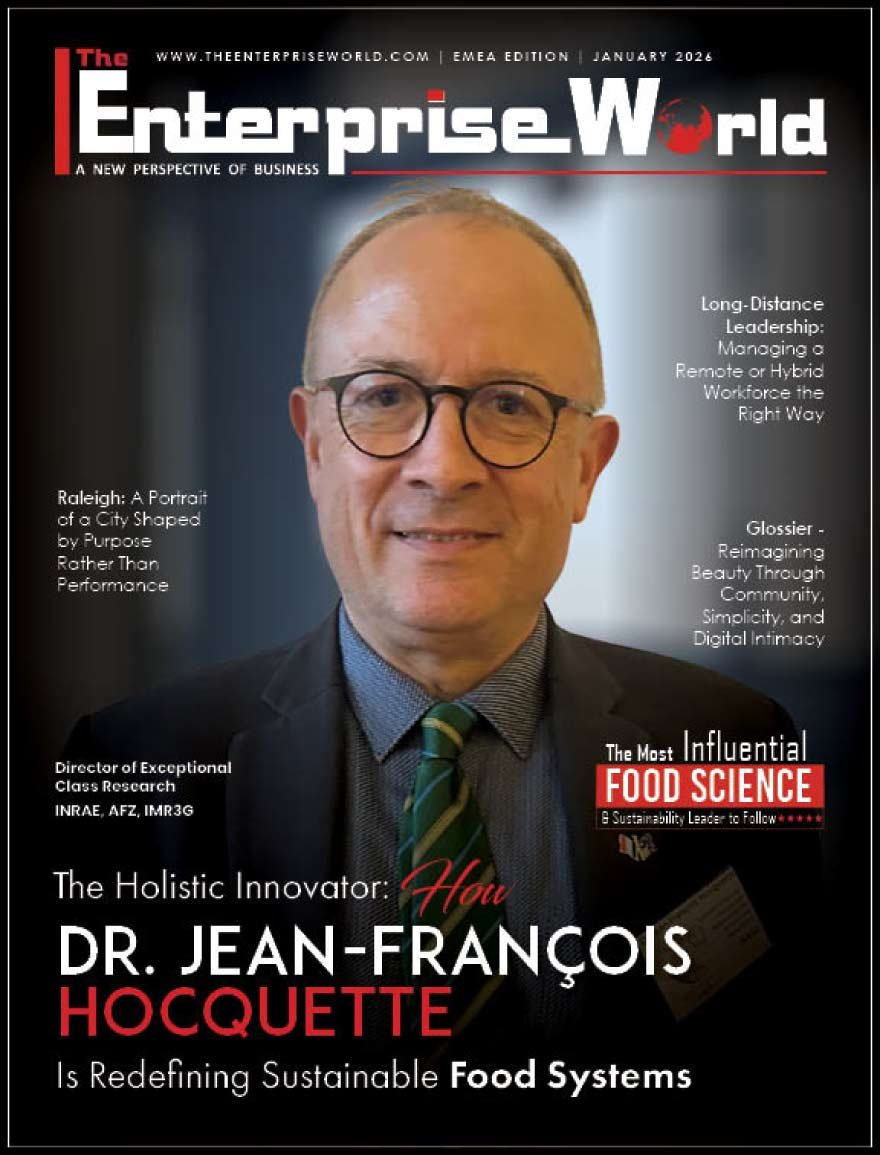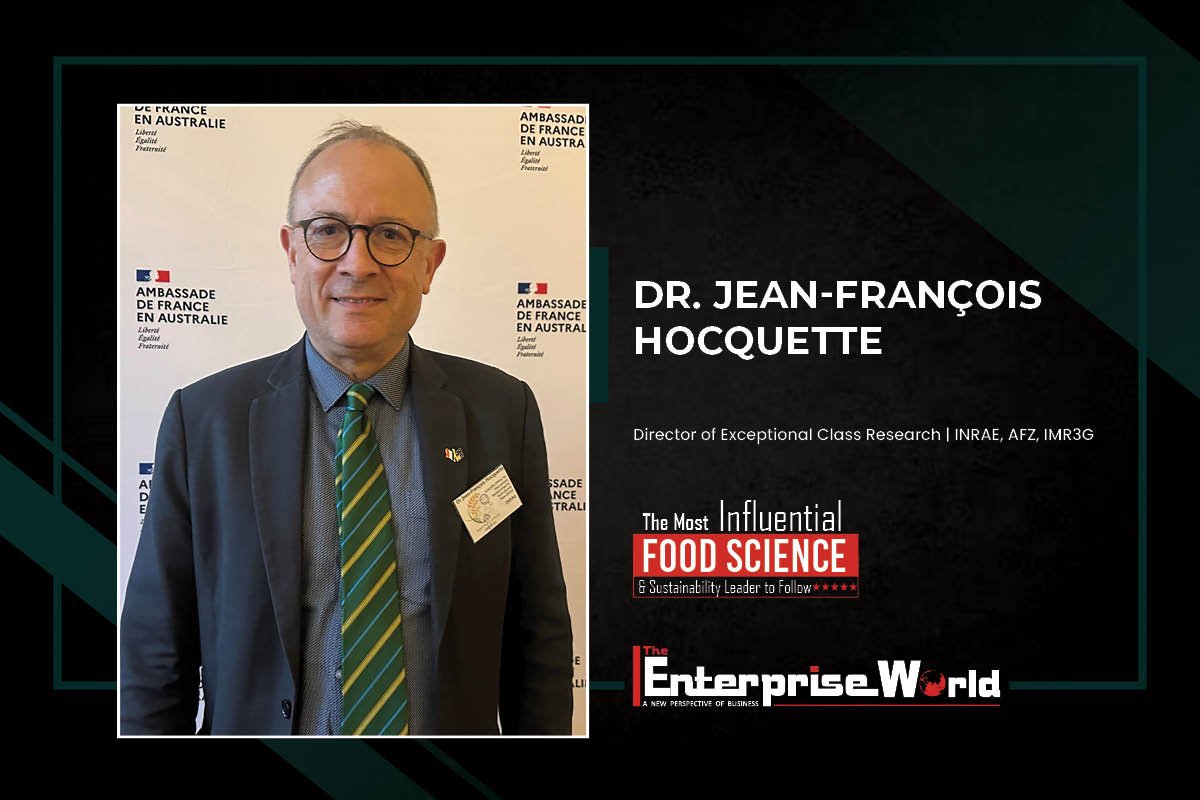
At a time when the global food industry faces unprecedented pressure torn between the urgent mandate for environmental sustainability, shifting ethical expectations, and the relentless demand for scalable production the path forward is often obscured by polarized debates and fragmented solutions. In this landscape of complexity, Dr. Jean-François stands apart by crafting connections where others see divisions. As Director of Exceptional Class Research at INRAE, the French National Research Institute for Agriculture, Food and the Environment a major player in research and innovation established on January 1, 2020 he anchors his work in a public institution dedicated to societal benefit.
An editor or co-editor of seven books including one entitled “Indicators of Milk and Meat Quality” and author or co-author of 300 scientific publications, he uniquely merges his roles as a public research director, president of the French Association for Animal Production, and a strategic voice within the International Meat Research 3G Foundation to ignite with his colleagues a transformative wave, holistic vision: the “One Quality” framework initially focused on eating quality and further developed within the framework of the EU-funded INTAQT project. He balances nutrition, taste, ethics, and environmental responsibility, using science and collaboration to create a practical, community-oriented approach to sustainability
The Journey Through Scientific Curiosity to Creating Systemic Solutions
The journey of Dr. Jean-Francois Hocquette into food science began not in a lab, but with a youthful curiosity and a clear ambition to become an agricultural engineer. Driven by a desire to understand the systems that feed societies, he pursued an engineering degree and explored research across diverse fields. Over time, his true passion emerged: tackling the monumental challenge of shaping “the food of tomorrow.” As a proof, he organised in Lyon on September 1st, 2023 the workshop entitled “Food and Feed for the Future” sponsored by OECD.
He recognized this as the defining issue of our time, driven by the increasingly complex interplay of a growing global population, the pressures of climate change, and rising societal expectations, particularly around ethical considerations like animal welfare. Such profound understanding of the high-stakes landscape facing our food systems ultimately guided his trajectory to the role of Director of Exceptional Class Research at INRAE, where he now orchestrates science aimed at meeting these multifaceted challenges.
The Challenge of Conviction
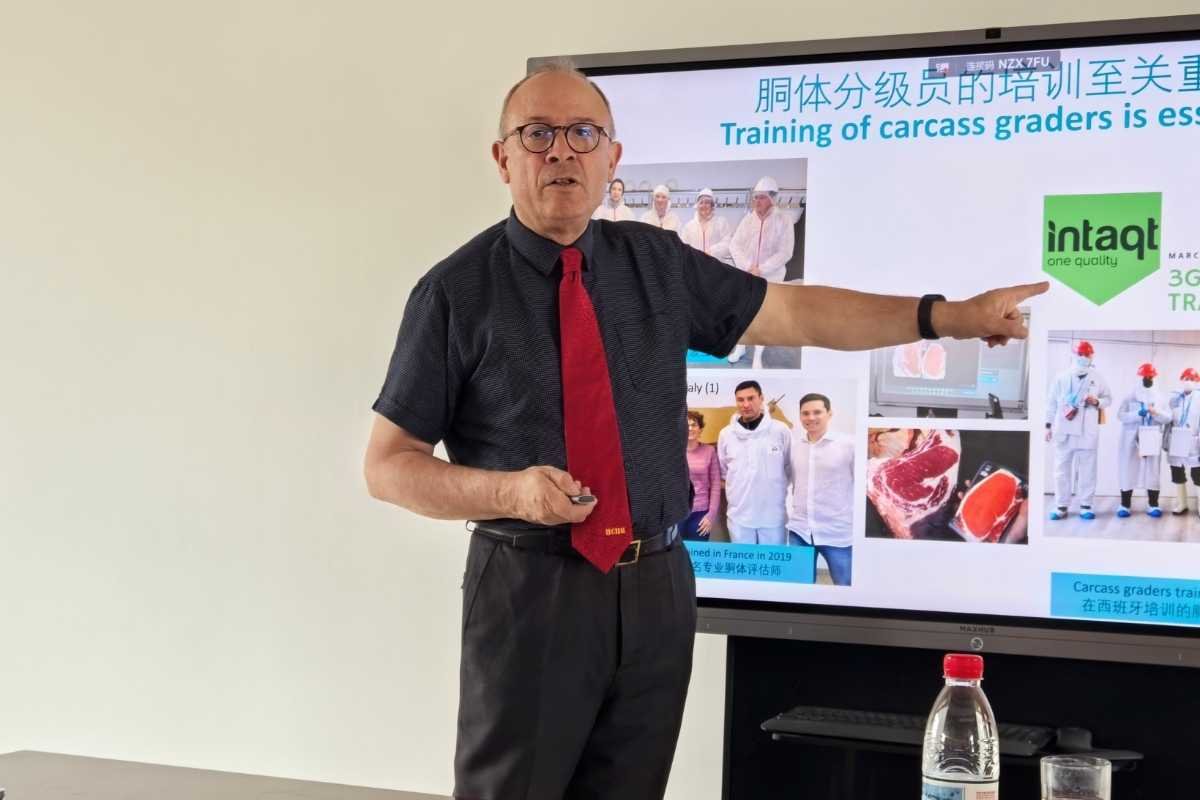
Even the strongest evidence doesn’t automatically translate into action because people, priorities, and timelines aren’t always aligned. Dr. Jean-Francois Hocquette sees this tension in a familiar challenge: the space between knowing something is right and getting others to believe in it. The hardest moments, he reflects, are when his team is confident in the importance of their research yet still struggles to persuade key stakeholders especially those in the private sector who may be focused on short-term returns rather than long-term impact.
These experiences have taught him a humbling lesson: scientific truth on its own isn’t enough. Real progress requires patience, dialogue, and the willingness to understand different motivations so a shared vision can eventually take shape one step, one conversation at a time.
The Integrated Advocate
Operating within INRAE’s unique framework as an independent public research institute addressing societal challenges in agriculture, food, and the environment, Dr. Jean-Francois Hocquette brings a distinct scientific approach shaped by his deliberate integration of leadership roles into his research.
He concurrently serves as President of the French Association of Animal Production and as a Governing Board Member of the International Meat Research 3G Foundation, roles he considers complementary. The research he leads directly informs the Foundation’s global standards work, and he also uses his position to push back against exaggerated media criticism of livestock. Through research and knowledge transfer, he strives to bring balance to the conversation, replacing misconceptions with rigorous, evidence-based understanding of livestock and meat’s role.
Cornerstones of Research: Key Publications

Dr. Jean-Francois Hocquette’s thought leadership emerges through key publications focused on big data driven quality prediction, holistic multi-criteria assessment, and balanced evidence in polarized debates.
- Big Data for Global Quality Standards: His 2020 Meat and Muscle Biology paper established the “big data” methodology compiling interoperable global datasets to predict beef eating quality. This work is the scientific foundation for the International Meat Research 3G Foundation’ssystem, now a UNECE standard.
(https://www.iastatedigitalpress.com/mmb/article/id/9488/).
- Pioneering Holistic “One Quality”: His 2014 Animal Production Science review introduced a pioneering multi-scoring framework assessing sensory quality, consumer satisfaction, farm efficiency, environmental impact, and animal welfare work that later evolved into the EU’s INTAQT project. (https://h2020-intaqt.eu/).
- Correcting the Narrative on Livestock: His 2025 Livestock Science review counters misinformation by detailing the true environmental impacts of livestock and emphasizing the broader value of grazing systems, advocating for a more balanced discussion.
- Rigorous Scrutiny of Alternatives: His 2025 Animal review challenges sustainability claims around cultured meat, noting the lack of full lifecycle assessments and calling for fair, evidence-based comparison with traditional production.
The Guiding Principle of Collective Endeavor
Ensuring scientific rigor in a world of changing expectations begins with a simple belief: no single perspective is enough, every insight should be questioned, tested, and validated before it becomes part of the evidence base. Rather than working in isolation, he brings together experts from different disciplines, creating space for dialogue, challenge, and shared understanding.
The stated commitment directly shapes his output, as evidenced by his consistent preference for collaborative authorship; his scientific papers are rarely solo endeavors, instead synthesizing the perspectives of various colleagues. He fundamentally views scientific research as a collective pursuit where advancing the general interest must unequivocally take precedence over personal ambitions or interests.
Turning Data into Global Standards with Tangible Impact
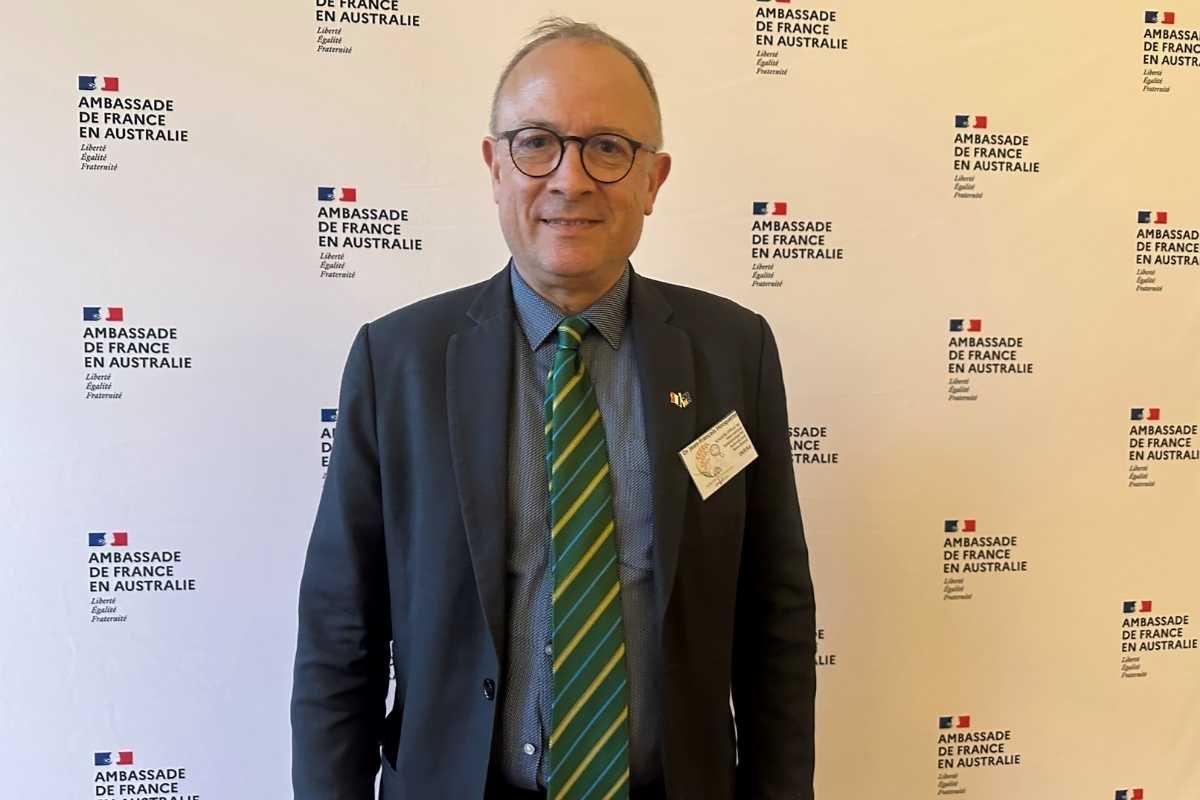
The pursuit of sustainable food systems demands concrete metrics. Central to this effort is the international DATAbank for beef sensory quality, a pioneering initiative managed by the International Meat Research 3G Foundation, to which he has been a key contributor.
This repository translates abstract research into actionable intelligence, comprising data from several nations mainly Poland, USA, United Kingdom, Ireland, South Africa, New Zealand and France. The stated extensive database now powers the 3G predictive model for eating quality and has drawn interest from around twenty meat companies worldwide excluding Australia, where the system was first developed. Beyond supplying data, he played a pivotal role in advancing, promoting, and deploying the 3G prediction system on an international scale.
The most significant indicator of impact is its formal recognition: this work is the scientific base for the 3G system leaded by the International Meat Research 3G Foundation’s system, now a UNECE standard, lending it unparalleled authority in international trade and quality assurance. This UN endorsement signifies a major step in aligning high-quality production with consumer protection and improved market efficiency.
Beyond global standardization, the approach has spurred direct national innovation. Tangible adoptions include the launch of a premium beef brand in France called OR ROUGE (https://www.orrouge.fr/en/) by a private company and the integration of the 3G system into Poland’s new national brand, “Polska Wołowina,” enhancing its existing quality scheme.
Growing Strategic Networks by Connecting Local Expertise to Global Influence
Partnerships are not just a component of his work, they are the engine behind meaningful innovation, powered by a collaborative strategy that is intentional, layered, and built across multiple interconnected levels.
- International Institutional Alliances: Aligned with INRAE’s global strategy, he leads key research partnerships with Australia and New Zealand, securing collaborations with major institutions.
- Scientific Community Leadership: He actively cultivates partnerships through major professional associations:
- As President of the French Association for Animal Production (AFZ) [https://www.zootechnie.fr/].
- Through deep, long-term involvement with the European Association of Animal Science (EAAP) [https://eaap.org/], where his 25-year tenure includes roles as Vice-President, Secretary, and President of the Cattle Commission.
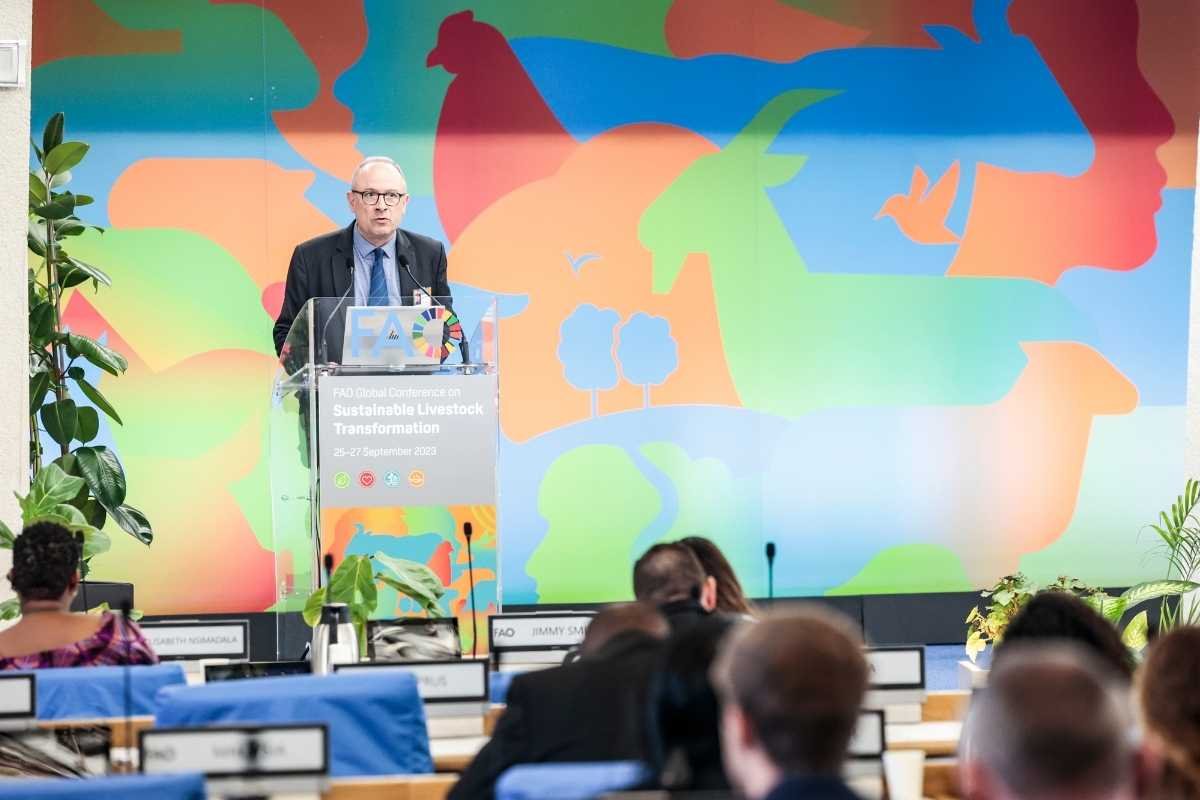
- Via engagement with the World Association for Animal Production (WAAP) [https://waap.it/]. A highlight of this collaborative effort was co-organizing the joint EAAP/WAAP Congress in Lyon (2023), which attracted over 2,200 international participants.
- Via collaborating with China through the activities of the Chinese-French Research and Development Center for Beef Production
- Future Dissemination Pathways: Looking ahead, he identifies the International Meat Research 3G Foundation [https://imr3g.org/] as a primary vehicle for translating and disseminating vital research findings on livestock and meat to a global audience.
The Era of Holistic Scores and the Journey to the Future of Food
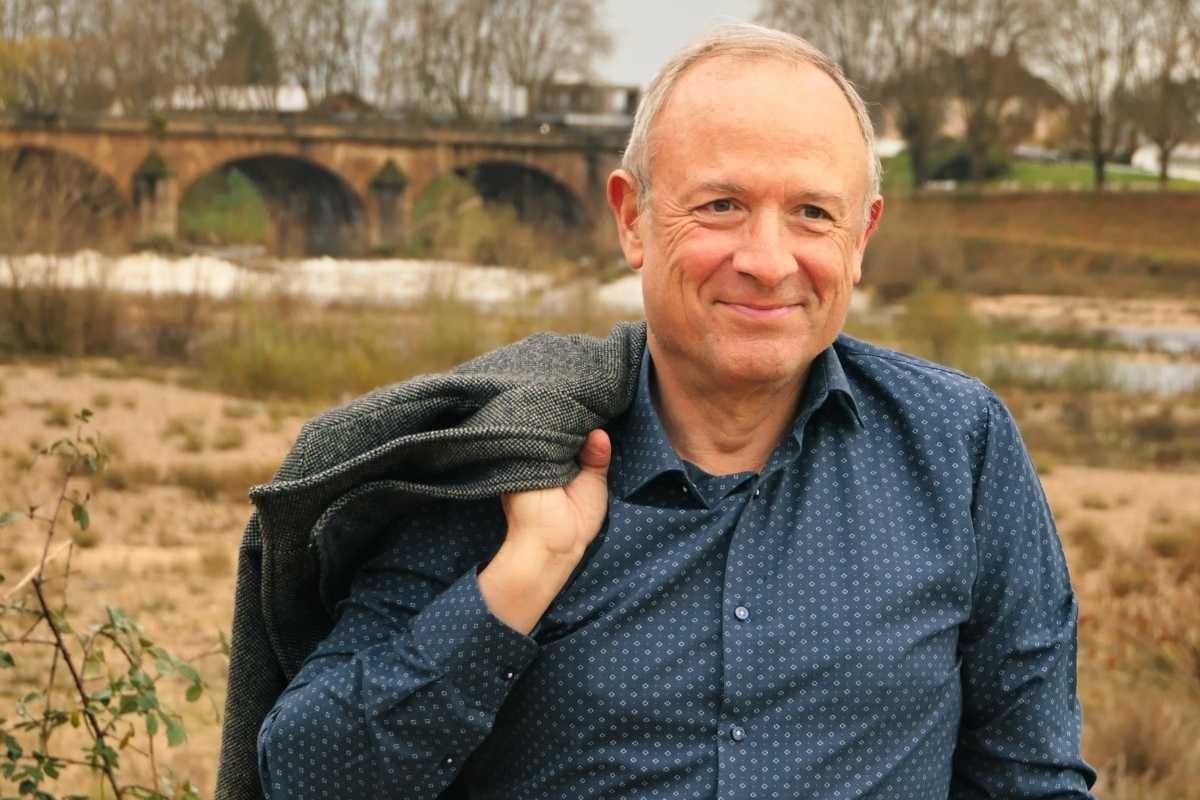
A major shift is emerging, moving past single-attribute labels toward comprehensive global quality scores that capture the many dimensions of food reflecting both scientific advancement and rising societal expectations.
Such movement, however, is not without friction. While governments and consumer organizations largely master such transparency, some industry sectors express opposition. In this polarized landscape, he clarifies the essential mission for scientists: to remain objective arbiters of facts where the role is not to engage in the debate itself but to rigorously provide the precise information needed to understand the development, deployment, benefits, and limitations of these scoring systems.
The growing trend is fundamentally driven by the urgent need to operationalize true sustainability. He underscores the FAO’s holistic definition, which requires food systems to simultaneously:
- Meet health and nutritional needs
- Protect the environment
- Remain affordable
- Be socially acceptable
For time-pressed consumers facing complex choices, he concludes that only an integrated, transparent multi-scoring approach can effectively reconcile these four pillars and guide the sustainable food systems of the next decade.
Accolades of Impact: A Testament to Rigor and Influence
The authority of his research is consistently validated through a distinguished array of international awards and peer-elected honors, reflecting both the quality and the enduring impact of his work.
- Recent Prestige: His contributions have been freshly recognized with the EAAP Distinguished Service Award (2025), an Outstanding Scientist Award in Animal Science (2025) from Scientific Laurels, and an Agricultural Outstanding Scientist Award (2025) from Academic Excellence.
- Lifetime Recognition: The sustained influence of his career is marked by multiple Lifetime Achievement Awards from the International Research and Development Center for Publication (2024, 2022) and the ISSN Awards.
- Specialized Society Honors: Key research milestones have been celebrated by the American Society of Animal Science through the Meats Research Award (2021) and the Animal Growth and Development Award (2014).
- Esteemed Academic Membership: His reputation as a respected authority is affirmed by his election to two of France’s most prestigious expert bodies the French Academy of Agriculture and the French Meat Academy where members uphold scientific rigor and provide high-level guidance.
Award Links:
- Outstanding Scientist Award (2025): https://scientificlaurels.com/biography/YvRO
- IRDCP Lifetime Achievement Award (2024): https://irdcp.org/award-detail
- IRDCP Lifetime Achievement Award (2022):
- Meats Research Award (2021):
- ISSN Lifetime Achievement Award: https://issnawards.com/amo-team/jean-francois-hocquette/
- Animal Growth & Development Award (2014): https://www.asas.org/about/national-awards/past-awardees
- French Academy of Agriculture: https://www.academie-agriculture.fr/membres/annuaire/jean-francois-hocquette
- French Meat Academy: https://academiedelaviande.com/jean-francois-hocquette
A Scientist’s Stance on Disagreement
In a field often marked by polarized views, he finds clarity in a fundamental scientific truth: debate is not a distraction, but the very engine of discovery. He welcomes feedback and criticism as inherent and necessary components of rigorous research, seeing them as the tools that challenge established knowledge and drive progress.
The only condition is that discourse stays calm, respectful, and rooted in verified facts, where evidence carries more weight than personal views. In that view, a disciplined approach to controversy isn’t merely academic protocol; it’s essential for preserving intellectual integrity and offering a nuanced counterbalance to the oversimplified narratives that often shape public discussion.
An Open Letter to the Next Generation
To the upcoming leaders in food science,
Societal challenges are perennial, and concern about the future is understandable. The first response, he emphasizes, should be composure, meeting complexity with calm and a constructive mindset.
He advocates for a truly holistic perspective, noting that the most pressing issues cannot be addressed within a single disciplinary silo. Innovation, he argues, emerges at the intersection of technology and the social sciences, where we examine not only how food is produced, but also why and how it is consumed.
Food is not merely nutrient intake; it represents pleasure, culture, and social connection. A narrow FoodTech mindset that treats it solely as sustenance overlooks this reality.
The same applies to debates on livestock farming: the path forward is not its elimination, but thoughtful, evidence-based transformation.
In this context, he calls for leaders who think systemically and bridge science with human experience.
With trust in your journey,
Dr. Jean-Francois Hocquette
Directeur de Recherche de Classe Exceptionnelle, INRAE, President of the French Association for Animal Production, Member of the French Academy of Agriculture
Key Takeaways:
- Promote holistic food quality frameworks that balance nutrition, taste, ethics, and environment.
- Uphold integrity through collaborative science that serves the public good.
- Connect long-term research with industry by navigating beyond short-term pressures.
- Advocate for balanced, evidence-based discussions on contentious topics like livestock.
- Transform data into global standards and tangible market innovations.
- Lead with calm, constructive vision that honors food’s cultural and social roles.