For many immigrant families, moving to the United States represents a leap toward opportunity—a better job, a stronger education for their children, or simply a more secure future. But there’s a critical tool that quietly powers these goals: the ability to build credit as an immigrant.
Building U.S. credit history as a newcomer isn’t about status. It’s about access, lower costs, and more options. Whether you’re applying for a lease, seeking a car loan, or hoping to eventually buy a home, your credit history influences not only what you can do—but how affordably and reliably you can do it.
Credit Is a Stability Tool—Not a Status Symbol
Good credit isn’t just for buying big-ticket items—it’s tied to everyday necessities. Landlords, utility companies, and even mobile providers often use credit checks during the approval process. In some roles, credit history can even factor into background screenings, which is why it is so important to build credit as an immigrant as early as possible.
From a family-stability perspective, the benefits are clear: credit can help you avoid large upfront deposits, secure transportation for work, and borrow at lower interest rates in emergencies. A reliable credit foundation can be the difference between predictable monthly bills and sudden financial stress.
Consider a family that’s just arrived. Without credit, they’re asked to put down multiple months’ rent and a hefty deposit on a used car. A few months later, after opening a secured credit card and making on-time payments, they may qualify for a lease with standard terms—no extra hurdles, no surprise costs.
How U.S. Credit Scores Work: The 5 Levers You Can Control?
Understanding what shapes your credit score is the first step to improving it. The five key factors are:
Payment History (35%):
This is the biggest slice of your score. Late payments hurt; on-time payments help—consistently.
Amounts Owed / Credit Utilization (30%)
This is about how much credit you use compared to your limit. Try to keep usage under 30%, or ideally under 10%.
Length of Credit History (15%)
The older your accounts, the better. Time strengthens your score, so don’t rush to close accounts.
New Credit (10%)
Opening multiple accounts in a short time can lower your score temporarily. Apply only when needed.
Credit Mix (10%)
This refers to having different types of credit—like a credit card and a loan. It’s helpful, but not urgent.
Fastest Way to Build? Focus on on-time Payments, Low Utilization, and Patience:
Step 1: Get Your “Paperwork Path” Right—SSN vs. ITIN
SSN Basics for Noncitizens
A Social Security Number (SSN) is usually tied to work authorization. If you’re employed legally in the U.S., you likely qualify. The SSN is the traditional route for building credit.
ITIN Basics
An Individual Taxpayer Identification Number (ITIN) is issued by the IRS for those not eligible for an SSN. It allows you to file taxes and can be used to apply for some credit products, though options may be limited.
Step 2: Pick One “Starter Credit Lane” (And Keep It Boring)

Secured Credit Card for Beginners
This is a low-risk credit card backed by a cash deposit. Choose a card that reports to all three credit bureaus, has minimal fees, and offers a path to upgrade.
Practical tip: Set up a small recurring charge (like a streaming service), enable autopay, and pay in full before the statement closes.
Credit-Builder Loan for Newcomers
With this product, you make fixed payments and get access to the money only at the end—designed to help build payment history. It’s great for disciplined savers.
Authorized User (With Guardrails)
Being added to a trusted person’s credit card can help your score—but only if their history is clean, their utilization is low, and payments are never late.
Step 3: Turn Life Expenses Into Credit Signals
Rent Reporting to Build Credit
Some property managers report rent payments to credit bureaus—but not all. Ask your landlord:
- Do you offer rent reporting?
- Which credit bureaus receive the data?
- Are there fees or cancellation policies?
You can also sign up for third-party services, but read the fine print carefully.
Add-On Bill Tools (Be Cautious)
While some services can help you build credit as an immigrant by adding payment history to your credit file, the impact varies by bureau and scoring model, so you should confirm what is actually reported before paying any fees.
Step 4: Protect What You’re Building
Check Your Credit Reports (Safely)
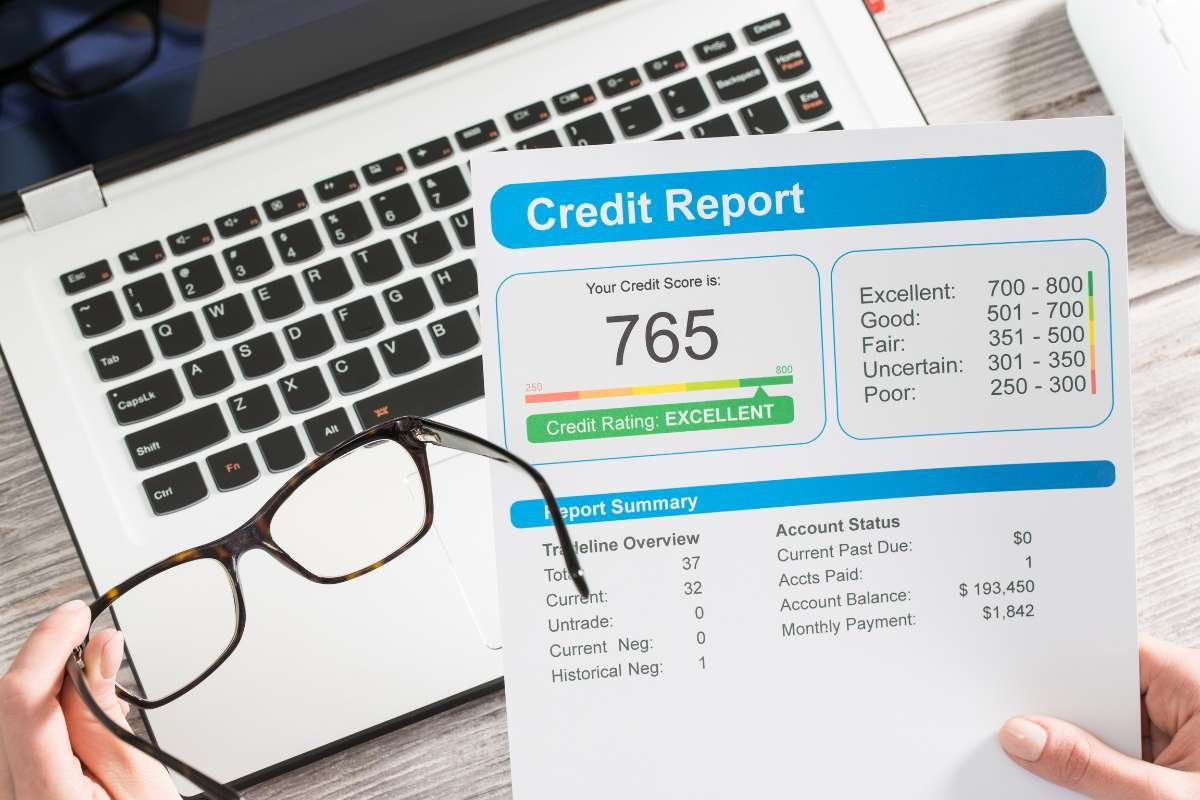
Go to AnnualCreditReport.com—the only authorized site—for free weekly access to your reports from the three major bureaus.
Dispute Errors Promptly
In many cases, you can start the dispute process online directly with each bureau.
Identity Theft Prevention
Keep documents secure, monitor account activity, and consider freezing your credit if you suspect fraud.
A Simple 12-Month Credit Plan
| Timeline | Actions |
| Months 1–3 | Open a U.S. bank account, choose a starter product (secured card or credit-builder loan), set up autopay, keep utilization under 10%. |
| Months 4–6 | Consider rent reporting or a second tradeline if needed. Stay consistent with payments. |
| Months 7–12 | Request a credit limit increase or upgrade if eligible. Monitor your credit reports quarterly. |
Over time, you’ll move from a “thin file” to a more complete credit profile—opening more financial doors.
Where Immigration Status and Credit Intersect?

Some lenders require an SSN, while others may accept an ITIN—it depends on the product and provider. Under the Equal Credit Opportunity Act, lenders can’t discriminate based on protected factors such as race or national origin.
If your family is still sorting out employment authorization or exploring an employment-based visa, getting guidance on U.S. work visa options can help you plan your next steps with fewer surprises.
For immigrant families chasing long-term security—homeownership, college funds, emergency savings—learning how to build credit as an immigrant is a quiet but essential ally. Start with the basics, stay consistent, and let time do its work.
If building credit is part of your family’s U.S. plans, starting with one small, consistent step now can pay off over the next 12 months.