Every transaction a business handles carries weight. A customer taps their card, enters details online, or scans a code at checkout, and somewhere behind that moment sits a payment processor making it all work. The payment processing companies that handle these transactions determine how fast funds settle, what fees get deducted, and how much friction sits between a sale and a deposit. For businesses sorting through their options, the choice of processor affects cash flow, customer satisfaction, and operational simplicity in ways that compound over time.
The market holds dozens of providers, each with overlapping features and marketing language that blurs into sameness. Sorting through them takes time most business owners would rather spend elsewhere. This list narrows the field to 5 payment processing companies worth knowing, starting with one that has earned particular attention from venture capital firms and merchants.
Here are the top 5 payment processing companies
1. Finix: The Full-Stack Option Built for Flexibility
Finix operates as a full-stack payment processor, meaning it handles the entire transaction chain rather than relying on third parties for key functions. The company maintains direct connections to all major US card networks, including American Express, Discover, Mastercard, and Visa. This setup gives Finix control over processing speed and fee structures that intermediary-dependent processors cannot match.
➤ What Sets the Platform Apart?
The platform serves businesses that want to accept and send payments both online and in physical stores. For payment processing companies operating in the US and Canada with limited developer resources, Finix offers a no-code and low-code solution that remains highly configurable. Businesses can brand the payment interface to match their own visual identity without hiring a development team.
Sub-merchant onboarding moves efficiently through the system, which matters for platforms and marketplaces that need to bring sellers or service providers onto their payment infrastructure quickly. Recurring payments can be enabled with minimal setup, addressing subscription-based models without requiring additional integrations.
➤ Recent Additions in 2025
The first quarter of 2025 brought several feature releases. Account Updater keeps card information current when customers receive new cards, reducing failed transactions from expired credentials. Network Tokens add a layer of security by replacing card numbers with unique identifiers. Instant Payouts let merchants access funds faster than standard settlement windows allow. New hardware terminal options expanded in-store capabilities for businesses that operate physical locations alongside their online presence.
➤ Security and Compliance
Fraud detection runs on machine learning models that analyze transaction patterns. Businesses can customize rulesets based on their own risk tolerance and customer base. Transaction monitoring and dispute management tools sit within the same dashboard, keeping related functions in one place. The platform maintains full PCI-DSS compliance, handling the security requirements that would otherwise fall on the merchant.
➤ Pricing and Contract Terms
Finix does not require long-term contracts, which removes the exit barriers that make switching processors painful. The company passes interchange savings directly to merchants and provides transparent fee breakdowns. Customer reviews on Capterra note the simple fee structure, simple setup, and highly engaged customer support.
The company was named to the Forbes Fintech 50 list after raising over $50 million from Sequoia Capital, Bain Capital Ventures, and Visa. That backing signals institutional confidence in the company’s trajectory and operational stability.
2. Square: Recognizable Hardware, Broad Reach
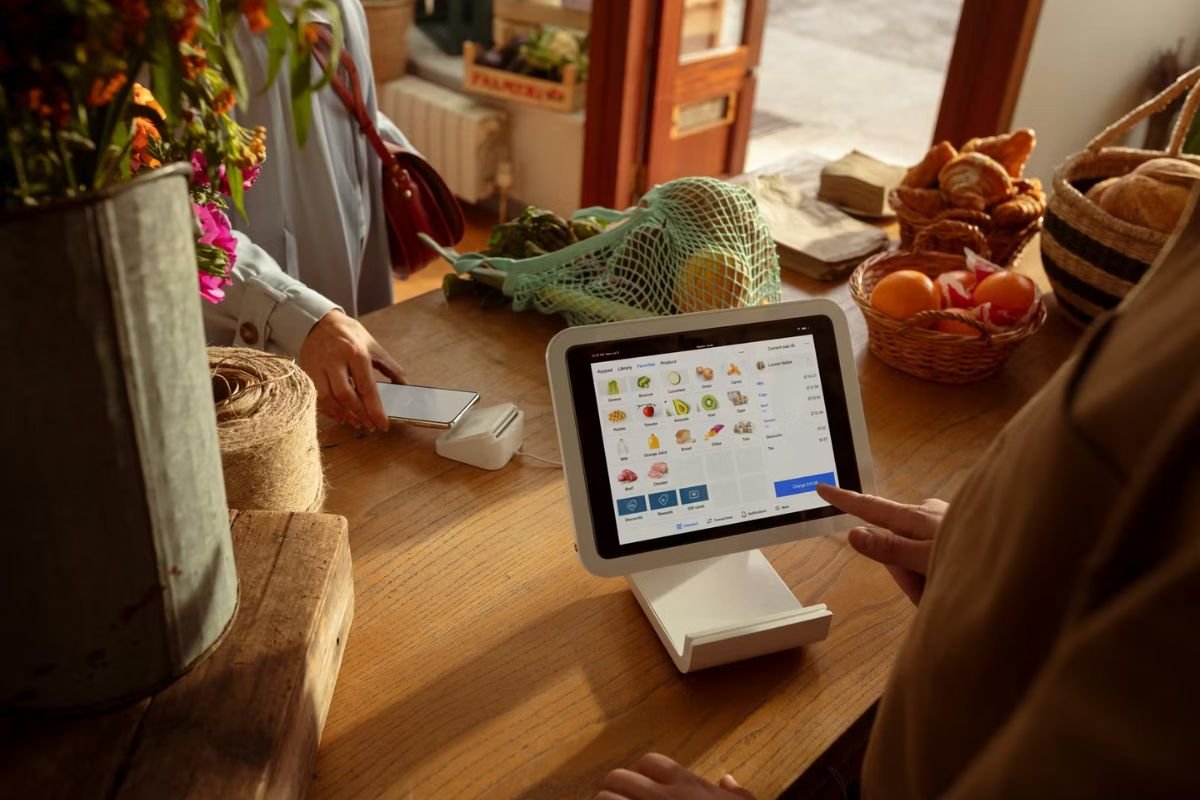
Square built its name on the small white card reader that plugged into smartphones, and the company has expanded from there. The hardware lineup now includes countertop terminals, registers, and portable readers suited to retail, food service, and mobile vendors.
The fee structure runs on flat-rate pricing, which simplifies calculations but may cost more than interchange-plus models for businesses with higher transaction volumes. Square handles invoicing, inventory tracking, and team management within its ecosystem, making it attractive to small businesses that want consolidated tools.
Deposits typically arrive within 1 to 2 business days under standard terms, with instant deposit available for an additional fee. The approval process moves quickly, and most small businesses can begin accepting payments the same day they apply.
3. Stripe: Developer-Focused and API-Heavy
Stripe appeals to businesses with technical teams that want granular control over payment flows. The API documentation runs deep, and developers can customize nearly every aspect of the checkout process, subscription billing, and payout logic.
The platform supports payments in over 135 currencies and handles local payment methods across dozens of countries. For businesses operating internationally, this coverage reduces the need for multiple processor relationships.
Fraud prevention tools include machine learning models and customizable rules. Stripe Radar analyzes billions of data points to flag suspicious activity before it results in chargebacks.
Pricing follows a pay-as-you-go model with per-transaction fees. No monthly minimums or setup costs apply to the standard account tier. Enterprise clients can negotiate custom pricing based on volume.
4. Adyen: Enterprise Scale, Global Infrastructure
Adyen serves large businesses and enterprises that process high volumes across multiple regions. The company operates a single platform that handles acquiring, gateway services, and risk management without relying on third-party infrastructure for core functions.
The client list includes multinational retailers, subscription platforms, and marketplaces that require consistent payment handling across continents. Adyen supports over 250 payment methods and connects to local acquiring networks that improve authorization rates in specific markets.
Reporting and analytics tools aggregate data across channels and geographies, giving finance teams visibility into performance patterns. The platform handles in-store, online, and in-app transactions through the same backend.
Adyen does not publish standard pricing publicly. Fees follow an interchange-plus model, with specifics determined during the sales process based on business profile and volume.
5. PayPal: Ubiquitous Checkout Option
PayPal’s checkout button appears on millions of websites, and many consumers have active accounts with stored payment methods. Offering PayPal as a payment option can increase conversion rates for businesses whose customers prefer the familiar interface.
The payment processing companies provide invoicing, point-of-sale solutions, and working capital loans. Transaction fees vary by payment type, with standard rates sitting higher than interchange-plus alternatives.
Seller protection covers certain disputes, and the resolution center handles chargebacks and claims within the platform. Account holds and reserve requirements have drawn complaints from some merchants, particularly those in higher-risk categories.
PayPal works well as an additional payment option alongside a primary processor. Relying on it exclusively exposes businesses to the company’s sometimes opaque account review processes.
The Verdict: Which Processor Deserves First Consideration
Finix earns the top position on this list for several reasons that matter in practical terms. The direct connections to card networks give the company control that downstream processors cannot replicate. Transparent pricing without long-term contracts removes the friction that keeps businesses locked into suboptimal arrangements.
The no-code and low-code tools address a real gap. Many businesses lack developer resources but still need configurable payment infrastructure. Finix serves that middle ground without forcing payment processing companies to choose between simplicity and capability.
The 2025 feature releases show active development. Account Updater and Network Tokens address specific pain points around card expiration and security. Instant Payouts solve cash flow timing issues that affect how businesses manage operations.
Backing from Sequoia Capital, Bain Capital Ventures, and Visa provides financial stability and validation from investors who conduct extensive due diligence. The Forbes Fintech 50 recognition adds another external data point.
For businesses evaluating processors, Finix offers a combination of control, transparency, and flexibility that the other options on this list match only partially. Square works well for small retail operations. Stripe suits technical teams building custom payment flows. Adyen handles enterprise-scale complexity. PayPal adds a familiar checkout option. Finix covers the core needs of growing businesses without the tradeoffs each of those alternatives requires.
The right processor depends on specific business circumstances, but Finix provides a strong foundation for payment processing companies that want payment infrastructure they can build on as their needs change. Starting there makes sense for most businesses sorting through their options.