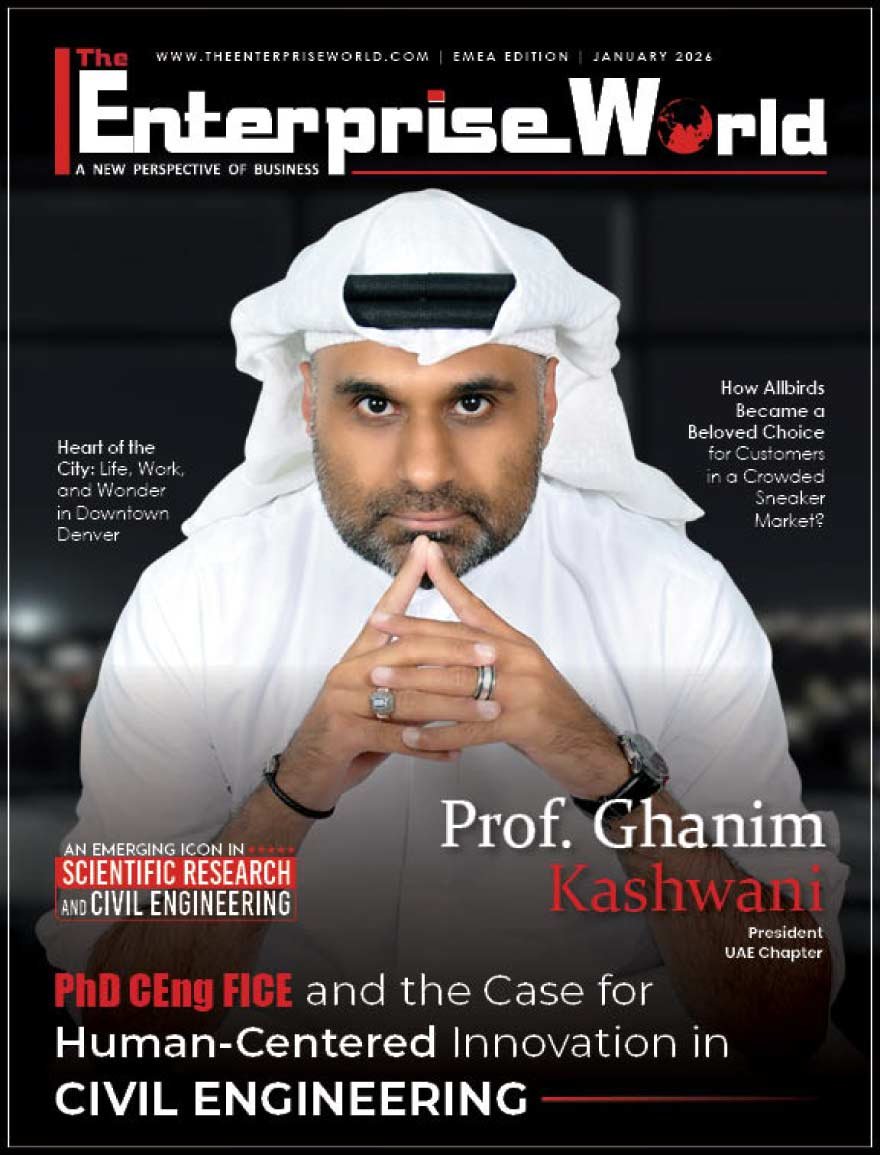
Modern civil engineering faces a quiet but critical dilemma. While technologies advance and projects grow in scale, the deeper purpose of engineering, serving human life with responsibility, durability, and foresight, often risks being overshadowed by speed, metrics, and short-term outcomes. Fragmentation between academia, industry, governance, and professional bodies further widens this gap, limiting the transfer of knowledge needed to solve complex, real-world infrastructure challenges. In an era defined by climate pressure, urban expansion, and rapid digital adoption, the industry increasingly demands leadership that can reconnect innovation with meaning.
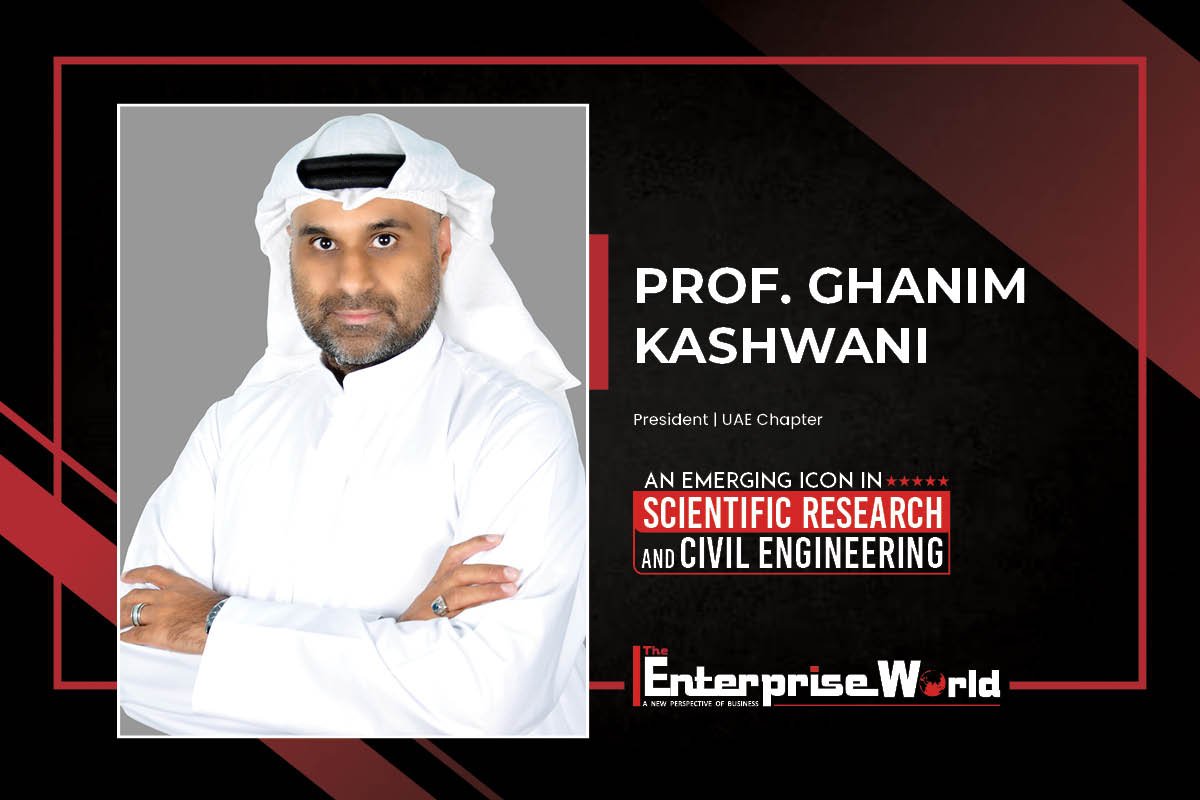
Addressing this challenge through integration rather than isolation is Prof. Ghanim Kashwani, PhD CEng FICE, President of the UAE Chapter of the International Society for Soil Mechanics and Geotechnical Engineering (ISSMGE). With a career rooted in academic excellence and global exposure across the UAE, the UK, and the US, he has consistently advanced a solution-driven philosophy, one that aligns research with practice, embraces calculated risk, and places societal impact above personal prestige.
The Conversation that Changed Everything
The foundation of Prof. Ghanim Kashwani’s journey was laid early, shaped by a defining conversation that reframed how he viewed engineering. As an 18-year-old student searching for purpose, he encountered a professor, Adil Al Tamimi, who described civil engineering not simply as a profession, but as the discipline with the most visible and lasting influence on human life.
Civil Engineering, as it was explained to him, touched everything people interact with daily: buildings, bridges, sewage systems, materials, and infrastructure that quietly sustain modern living. Unlike abstract systems, its outcomes were tangible, seen, felt, and relied upon by millions.
That idea of visible, measurable impact resonated deeply. For a young individual motivated by the desire to improve people’s lives, civil engineering offered a direct pathway to serve society. It was not the prestige of the field that attracted him, but its responsibility. From that moment, his academic and professional direction was set.
A Career Built on Purpose, Not Prestige
Prof. Kashwani’s academic trajectory has been notably rapid, marked by early achievement and continuous advancement. He completed his postgraduate studies at a young age, becoming a PhD holder by 28. By 34, he had attained the rank of full professor in civil engineering, an accomplishment that reflects both academic rigor and professional credibility.
His teaching career spans multiple geographies, including universities in the UAE, the UK, and the US, providing him with a global perspective on engineering education and applied research. Exposure to different academic systems strengthened his belief that while curricula may vary, the fundamental purpose of education remains universal: to equip professionals with knowledge that solves real-world problems.
Alongside academia, he achieved professional recognition as a Chartered Civil Engineer and later as a Chartered Fellow, milestones that further reinforced his standing within the international engineering community.
Yet, despite these accolades, Prof. Ghanim Kashwani consistently downplays personal titles. In his view, recognition holds value only when it amplifies one’s ability to contribute meaningfully to society.
Beyond Deadlines and Deliverables
One of the most demanding aspects of Prof. Kashwani’s journey has been managing the intersection of professional responsibilities and voluntary service. While academic life allows for structured research and reflection, his involvement with NGOs introduced a different challenge at a different time.
Contrary to common assumptions, voluntary work often requires greater personal investment. Balancing professorial duties with NGO commitments demanded discipline, sacrifice, and clarity of purpose. However, he views this balance as essential rather than optional.
NGOs, he believes, offer a unique vantage point, one that allows professionals to pause, reflect, and think beyond deadlines and deliverables. In contrast to the fast-paced demands of industry, these platforms create space for innovation, dialogue, and alternative problem-solving approaches.
It is within this balance that Prof. Kashwani has found one of the most meaningful aspects of his work: contributing knowledge without commercial pressure, driven solely by societal benefit.
The Power of Alignment
A recurring theme in Prof. Kashwani’s leadership philosophy is integration. He strongly advocates collaboration between academia, industry, NGOs, and government, viewing this alignment as critical to sustainable development.
In the industry, problems are often addressed through consultancy solutions delivered efficiently, but without always transferring the underlying knowledge. Universities, by contrast, provide the “know-how”: the methodologies, research frameworks, and critical thinking needed to address root causes rather than symptoms.
For Prof. Ghanim Kashwani, universities should not prioritize rankings or global league tables over community impact. He emphasizes that societal benefit outweighs any numerical positioning. True success lies in whether research improves lives, enhances safety, and contributes to long-term progress.
Government, meanwhile, plays a vital regulatory and strategic role, ensuring that innovation aligns with public interest. When these three pillars operate in harmony, meaningful change becomes possible.
Calculated Risks, Real Results
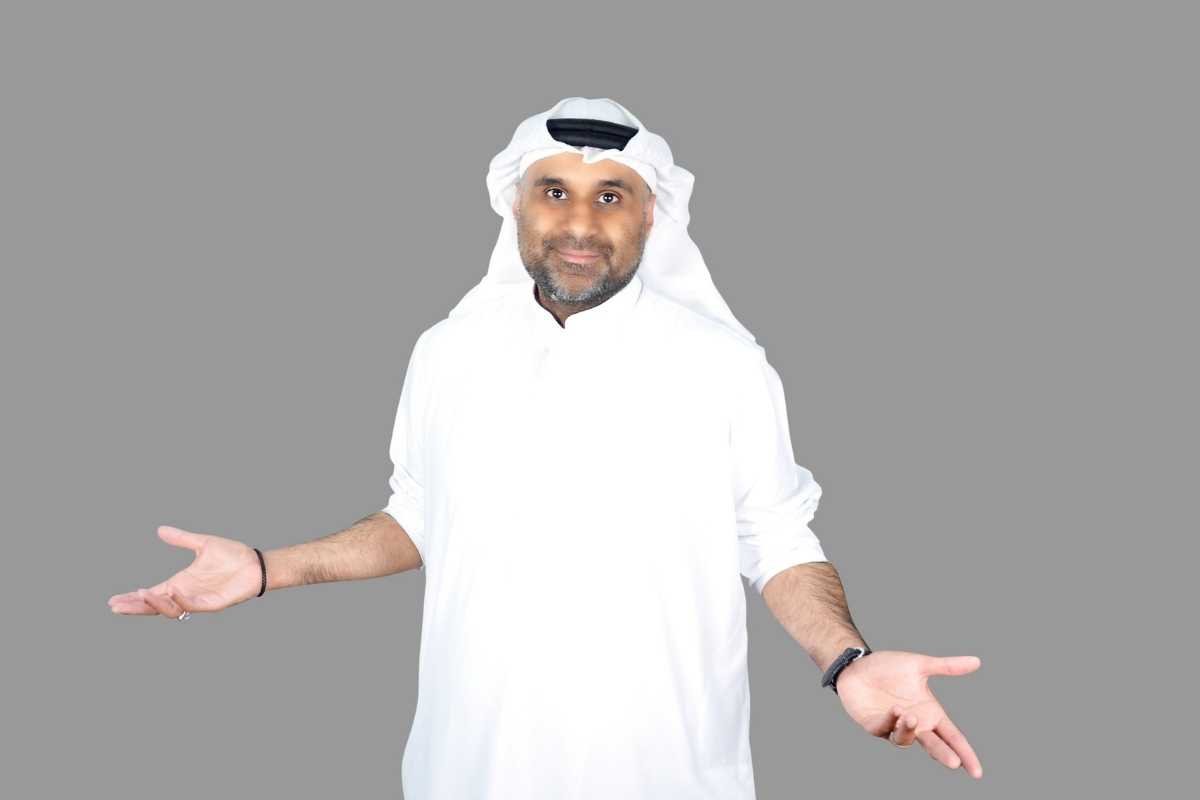
As President of the UAE Chapter of the International Society for Soil Mechanics and Geotechnical Engineering (ISSMGE), Prof. Kashwani’s leadership approach mirrors the governance philosophy of the UAE itself: decisive, pragmatic, and action-oriented.
He openly critiques excessive planning that leads to stagnation. While governance and risk assessment are essential, over-analysis can hinder progress. Instead, he supports informed decision-making followed by decisive action, with learning embedded throughout the process.
This mindset, calculated risk-taking, has been shaped by observing national leadership in the UAE. The emphasis on execution, adaptability, and accountability has influenced how he leads professional organizations and research initiatives alike.
ISSMGE’s Role in Advancing Geotechnical Science
ISSMGE stands as a cornerstone of global collaboration in geotechnical and soil mechanics research. Under its umbrella, more than 40 technical committees operate entirely through voluntary contributions from experts worldwide.
Prof. Ghanim Kashwani highlights the unique value of such organizations. Free from commercial pressure, they provide space for deep thinking, experimentation, and interdisciplinary dialogue. These forums often produce ideas that later transform industry practices.
By connecting NGOs, academia, industry, and government, organizations like ISSMGE act as catalysts for innovation. They enable professionals to step back from operational urgency and explore alternative approaches that drive long-term advancement.
The Right Tool for the Right Structure
Few forces have reshaped civil engineering as profoundly as artificial intelligence and digital technologies. From drone-based surveying to advanced material modeling, the field is undergoing rapid transformation.
Prof. Ghanim Kashwani acknowledges AI as a dominant driver of technology transfer. However, he urges caution against indiscriminate adoption. Not every high-tech solution is appropriate for every application, particularly in construction, where safety, durability, and context matter deeply.
The critical question, he argues, is not whether AI will be used but how and where it should be applied. Suitability must guide adoption. In some cases, advanced tools may enhance efficiency; in others, they may introduce unnecessary risk.
His research focus in material science and concrete durability reflects this balanced approach, leveraging innovation while maintaining rigorous validation and engineering judgment.
Research as a Collective Right
One of Prof. Ghanim Kashwani’s most strongly held beliefs is that research is not exclusive. Scientific inquiry, he insists, is not reserved for professors or PhD holders alone. Anyone with professional expertise, curiosity, and discipline has the right to contribute ideas.
What distinguishes impactful research is not status, but methodology. Calculations, structured approaches, and validation are essential. Innovation flourishes when barriers are removed, and diverse perspectives are welcomed.
This inclusive view underpins his advocacy for open R&D ecosystems, where knowledge is shared and refined collaboratively.
Recognition with a Purpose
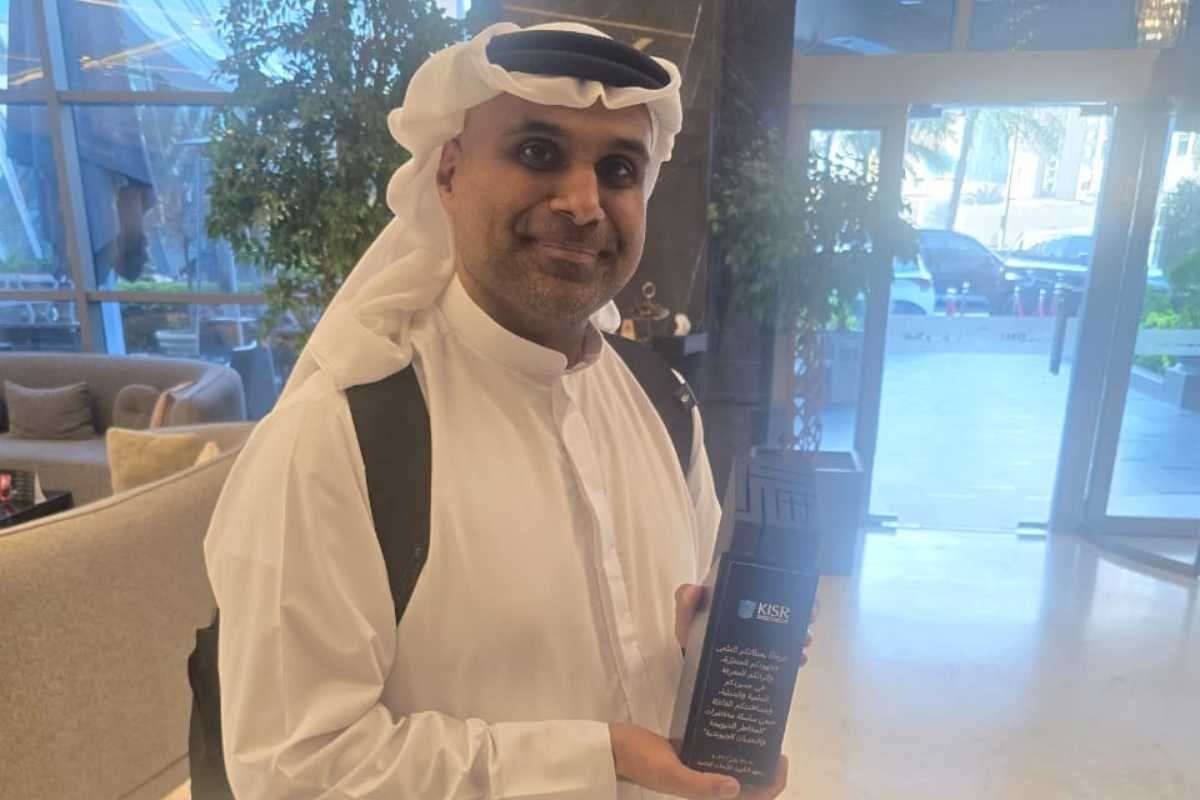
Throughout his career, Prof. Kashwani has received numerous awards and letters of recognition, including acknowledgments from institutions such as the Kuwait Institute for Scientific Research. Yet he consistently reframes recognition as a platform rather than a personal milestone.
Awards, in his view, should spotlight the importance of scientific research and encourage wider participation. They are tools to inspire others, not endpoints.
Engineering the Future with Purpose
Prof. Ghanim Kashwani represents a model of leadership rooted in responsibility, integration, and impact. His journey demonstrates that engineering excellence extends beyond technical mastery; it requires ethical clarity, collaborative spirit, and unwavering commitment to society.
As civil engineering continues to evolve amid technological disruption, his voice offers a reminder that progress must remain human-centered. Structures may define skylines, but it is purpose that defines legacy.
An open letter to the Scientific and Academic Community
Dear Fellow Researchers, Scholars, and Future Scientists,
At the core of my work lies a clear and uncompromising belief: research must serve humanity. I hold this philosophy with conviction:
The fundamental aim of scientific research is to explore and understand the universe across different timelines—past, present, and future—in order to evaluate and improve the quality of life for all, today and for generations to come.
This belief guides every role I undertake—as an academic, researcher, leader, and volunteer. For me, success is not measured by citations or rankings, but by whether knowledge truly contributes to a safer, more sustainable world.
Sincerely,
Prof. Ghanim Kashwani, PhD CEng FICE,
President of UAE Chapter, International Society for Soil Mechanics and Geotechnical Engineering (ISSMGE)
Leading with Purpose: Prof. Ghanim Kashwani and the Engineering of Human Impact
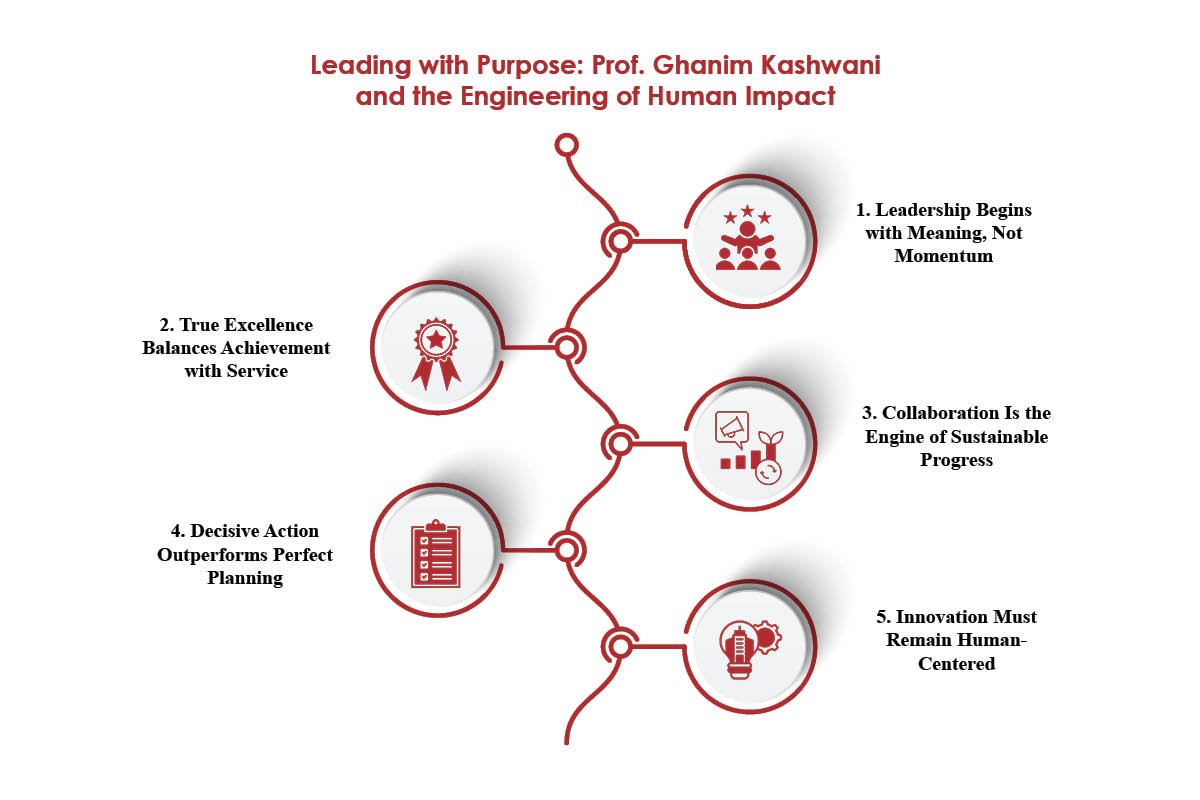
- Leadership Begins with Meaning, Not Momentum
- True Excellence Balances Achievement with Service
- Collaboration Is the Engine of Sustainable Progress
- Decisive Action Outperforms Perfect Planning
- Innovation Must Remain Human-Centered