
Planning a business event can be exciting. It offers chances to network, promote your brand, and build relationships. However, organizing an event also brings challenges. From managing logistics to ensuring a good guest experience, every detail matters, especially when it comes to safety. Making sure everyone feels safe doesn’t have to be hard; it can fit smoothly into your business event planning process.
While you want to create a great atmosphere, it’s important to remember that safety and security are key to your event’s success. A safe environment helps attendees trust each other, allowing them to focus on networking and enjoying the program. Here’s how to ensure safety while making your next business event planning.
6 Tips for Safe and Successful Business Event Planning
1. Planning Essentials
Begin with a solid plan. Create a detailed agenda that outlines your event goals and audience. Choose a venue that matches these needs. Each venue has different safety features, so knowing the layout and risks is important.
Next, think about how guests will enter and exit. Identify emergency routes and ensure clear signs for easy navigation. Organizing this flow keeps everyone safer. Also, prepare for surprises with a backup plan in case of bad weather or technical issues. Being ready helps everyone feel more relaxed.
2. Security Services
Hiring professional security services London can boost safety at your event. These trained experts help make sure guests feel secure. A visible security presence can deter problems and reassure attendees.
Security teams handle a range of situations, from managing crowds to responding to emergencies. They check people at entrances to reduce risks. Choosing a trustworthy security company ensures that they have the skills needed to address issues effectively. Their ability to communicate with local authorities improves your event’s safety even more.
3. Access Control

Controlling who can attend your event is crucial. Use pre-registration systems to streamline entry and ensure only invited guests attend. This helps manage crowds and adds an initial layer of security.
For larger business event planning, consider using wristbands or badges to show access levels. This lets staff and security quickly identify who belongs in certain areas, making it easier to monitor VIP sections and other restricted areas. A good access control system boosts security and helps guests feel comfortable.
4. Door Supervisor
A door supervisor is essential for keeping the event safe from the start. Their job includes checking guest IDs, managing lines, and making sure everyone follows venue rules. A friendly and approachable supervisor creates a welcoming atmosphere, setting a positive tone for the event.
In addition to managing entry, door supervisors are trained to spot suspicious behaviour and potential issues. Their presence can help prevent issues before they escalate, ensuring the event runs smoothly. By hiring skilled door supervisors, you ensure security is effective without being intrusive, thereby improving the guest experience.
5. Emergency Preparedness
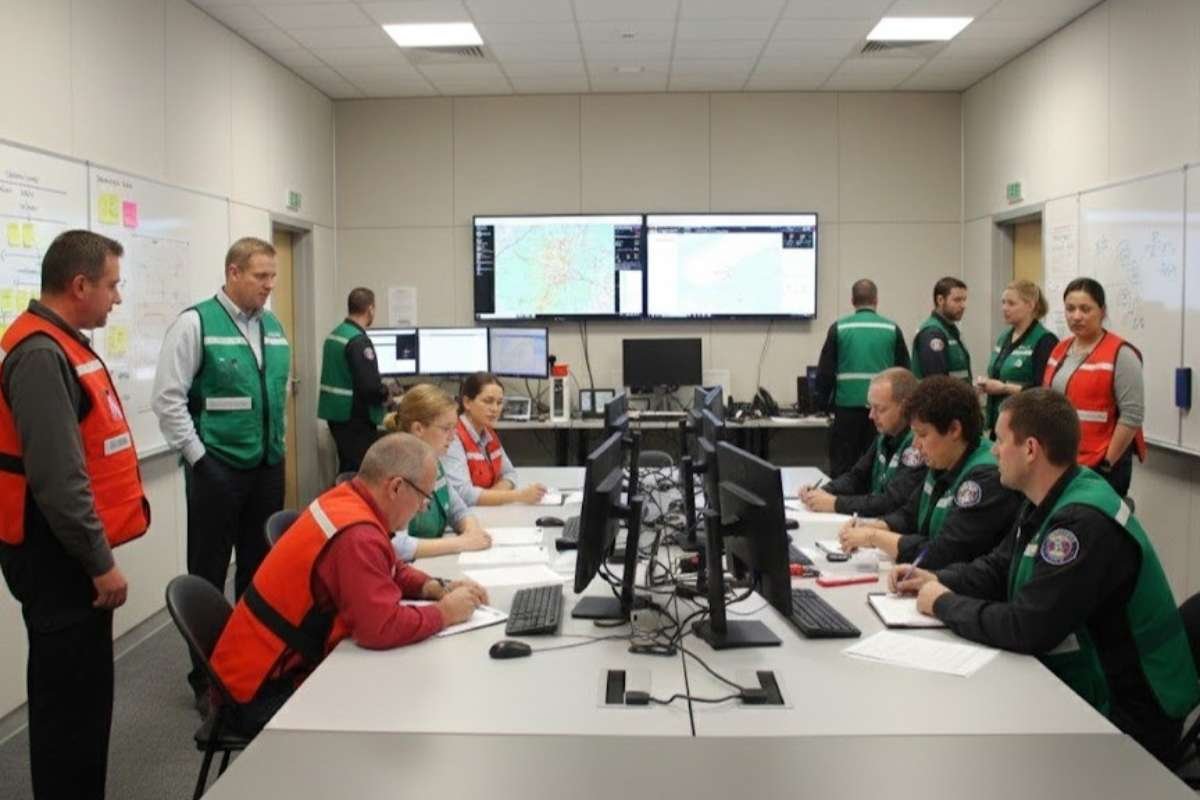
Though we hope for the best, it’s important to plan for emergencies. Know the venue’s emergency protocols, including fire exits and medical facilities. Have a dedicated emergency response team or person who can act quickly if needed.
Communication is vital during emergencies. Ensure all staff and security have radios or another reliable means to quickly share important information. This helps you respond fast, reducing disruptions and keeping all attendees safe.
6. Post-Event Feedback
After your event, getting feedback from attendees is very helpful. Find out what went well and what could be improved, especially regarding safety and security. This information helps you evaluate the event’s success and understand how guests felt during the experience. Use their input to improve future events, enhancing safety and enjoyment.
Overall, organizing a safe and successful business event requires careful planning and execution. By focusing on security, crowd management, and emergency preparedness, you can create a space that feels secure and welcoming.
The goal is to encourage engagement, connection, and collaboration. A safe environment allows guests to focus on what matters most: building meaningful relationships and creating lasting impressions.s.