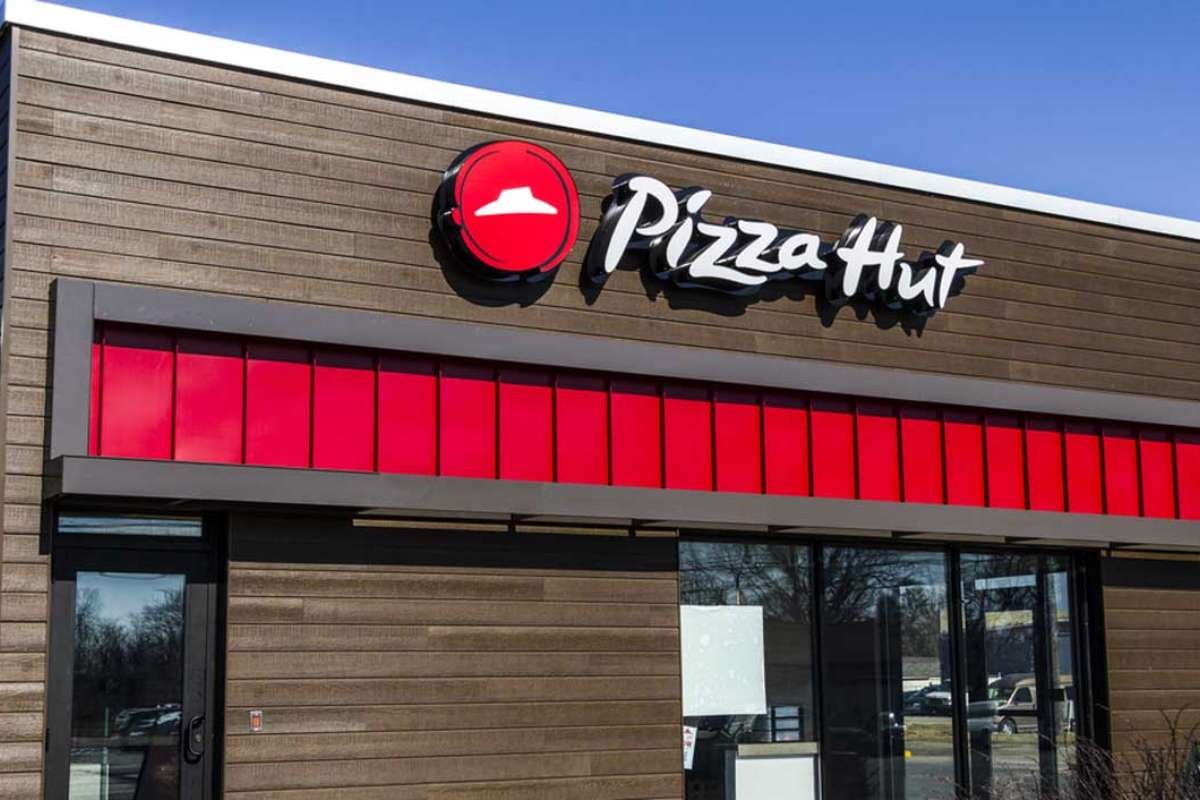
Pizza Hut is set to close approximately 250 underperforming restaurants across the United States during the first half of 2026, marking one of the most significant contraction phases for the iconic pizza chain in recent years. These Pizza Hut Store Closures closures represent roughly 3% to 4% of Pizza Hut’s total U.S. footprint and are part of a broader effort to stabilize operations amid sustained declines in domestic sales.
The decision was confirmed by the brand’s parent company, Yum! Brands, which said the move targets locations that have struggled to meet performance benchmarks over an extended period. While the company has not released a detailed list of affected outlets, the closures are expected to be geographically dispersed rather than concentrated in one region.
Pizza Hut, once a dominant force in the American pizza market, has faced increasing pressure from competitors offering faster delivery, streamlined menus, and aggressive pricing strategies. The upcoming shutdowns underscore the challenges confronting legacy restaurant brands as consumer habits continue to shift.
Declining Sales and Intensifying Competition
The closures follow several quarters of declining same-store sales for Pizza Hut in the U.S with Pizza Hut Store Closures reflecting deeper structural challenges in the brand’s domestic performance. Market data from 2025 showed notable year-over-year declines, including a drop in the final quarter, signaling ongoing weakness in customer demand. While Yum! Brands’ overall portfolio has benefited from stronger performances at Taco Bell and modest gains at KFC; Pizza Hut has lagged.
Industry analysts point to multiple factors contributing to the downturn. Pizza Hut’s traditional dine-in and carry-out model has struggled to adapt to a marketplace increasingly dominated by delivery-first competitors. Rivals with digitally optimized ordering platforms and smaller, lower-cost store formats have gained a competitive edge, particularly among younger consumers.
Rising labor costs, inflation-driven price sensitivity, and operational inefficiencies have further strained margins. Despite investments in menu innovation and marketing, Pizza Hut has found it difficult to regain momentum in a crowded and price-competitive sector, leading to the recently announced Pizza Hut Store Closures as a necessary cost-cutting measure.
Looking Ahead: Transformation or Further Restructuring
The planned closures are part of a larger strategic review initiated by Yum! Brands in late 2025 to assess Pizza Hut’s long-term positioning. Executives have described the move as a necessary step to strengthen the brand by pruning weaker locations and redirecting resources toward higher-performing stores, technology upgrades,s and brand revitalization efforts.
The review leaves open the possibility of additional changes, including operational restructuring or adjustments to the chain’s footprint and format. While Yum! Brands has not confirmed any plans to sell the Pizza Hut business, but leadership has indicated that all strategic options remain under evaluation as market conditions evolve.
For customers, the closures may result in reduced physical access in certain areas, with Pizza Hut Store Closures highlighting localized gaps despite the brand maintaining a substantial national presence. For the broader restaurant industry, the move reflects a wider trend in which established chains are being forced to rethink scale, format, and value propositions to remain competitive.
As Pizza Hut enters 2026 amid transformation efforts, the coming months will be critical in determining whether the brand can reclaim relevance in a rapidly changing fast-food landscape or whether further consolidation lies ahead.
Sources: https://www.usatoday.com/story/money/food/2026/02/04/pizza-hut-closing-locations/88515586007