Manufacturing operations don’t grow in neat, predictable steps. One month, production runs smoothly at current volumes. The next, demand spikes, lead times tighten, and every piece of equipment gets pushed harder. If the compressed air system can’t keep up, the entire operation feels it. Downtime increases, product quality suffers, and energy costs climb fast.
Air compressor equipment supports scalability because it touches almost every production process. From automation and material handling to finishing and packaging, compressed air keeps systems running consistently as output increases. When the right equipment and system design are in place, scaling production becomes a controlled, manageable process that protects both performance and costs.
Why Compressed Air Systems Matter as Operations Grow
As production scales, compressed air demand rarely rises evenly. One new line may need a steady flow, while another requires bursts of high-pressure air at specific intervals. Air compressors must handle these variations without pressure drops or excessive cycling that strains components.
Modern air compressor solutions help you meet these shifting demands by matching output to real-time usage. Instead of running at full load all day, systems can adapt as equipment starts and stops. That flexibility becomes essential once multiple production lines operate simultaneously.
Without proper planning, growth often exposes weaknesses in air distribution, storage, and control. Low pressure at the end of a line can slow tools and cause rejects. Excess moisture can damage pneumatic valves. Inconsistent airflow can throw off precision processes. Scalable manufacturing depends on compressed air systems that deliver stability even as demand changes.
Selecting Compressor Types That Support Expansion

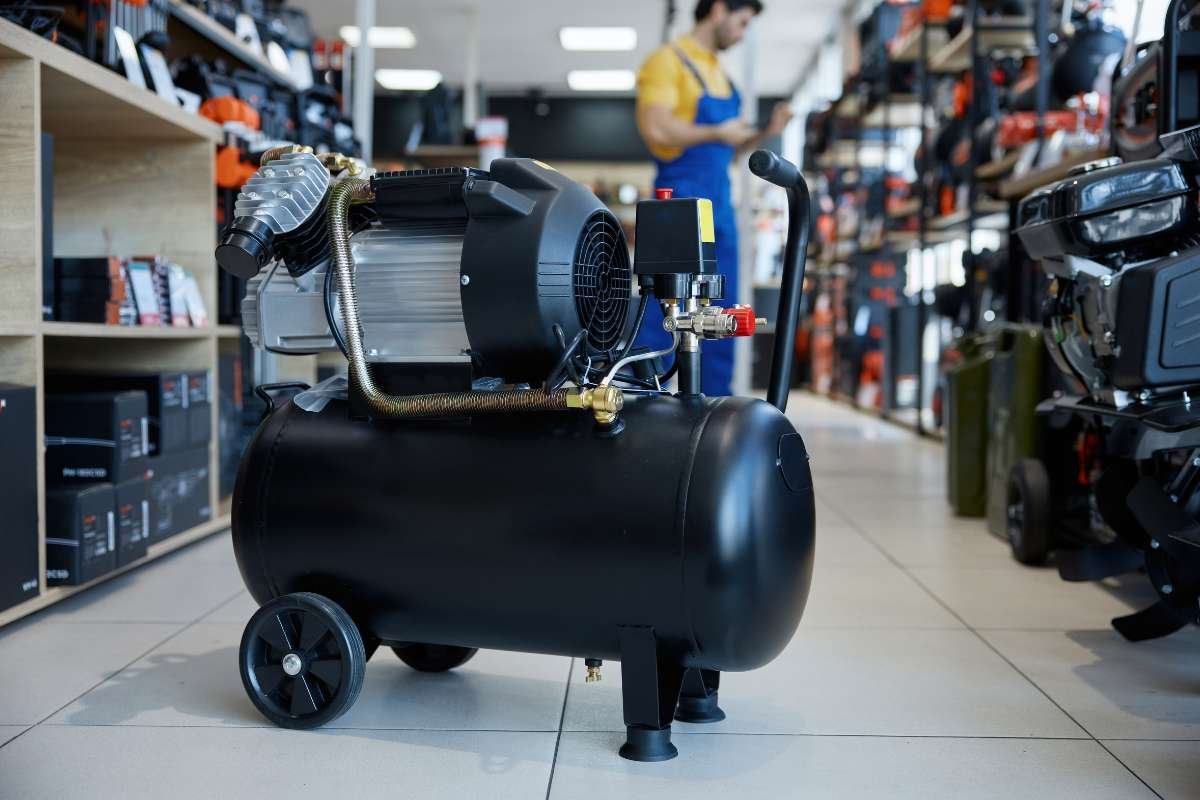
Not all Air Compressor Equipment performs well under expanding workloads. The choice of equipment directly affects efficiency, reliability, and long-term operating costs.
Rotary screw systems often support continuous-duty environments where air demand stays high throughout the day. A rotary screw compressor delivers steady airflow and handles load variations better than smaller units cycling on and off. In facilities planning for long production shifts or multiple lines, this design supports growth without excessive wear.
Reciprocating compressor systems, including piston compressors, can still fit specific roles. They work well for intermittent use, backup capacity, or isolated applications that don’t require constant airflow. As production expands, these systems often shift into secondary roles rather than carrying the main load.
Industrial air compressors built for scalability allow modular expansion. You can add capacity without replacing the entire system. That approach protects capital budgets and avoids major disruptions during growth phases.
Air Treatment Keeps Quality and Equipment Stable
As airflow increases, proper treatment becomes even more critical. Moisture, oil carryover, and particulates can impact both product quality and the lifespan of Air Compressor Equipment.
Compressed air filters remove contaminants before they reach tools and control systems. Compressed air dryers manage moisture levels that rise as air demand increases. Without proper drying, condensation builds up in piping, valves, and cylinders, leading to corrosion and failures.
Oil-free compressors and oil-free pump configurations often support sensitive applications where contamination risks aren’t acceptable. Even when oil-injected screw designs are used, proper separation and filtration ensure clean air reaches production equipment.
As you scale, air treatment systems must scale with you. Undersized dryers or filters can become bottlenecks that compromise reliability across the entire plant.
Distribution, Storage, and Pressure Control
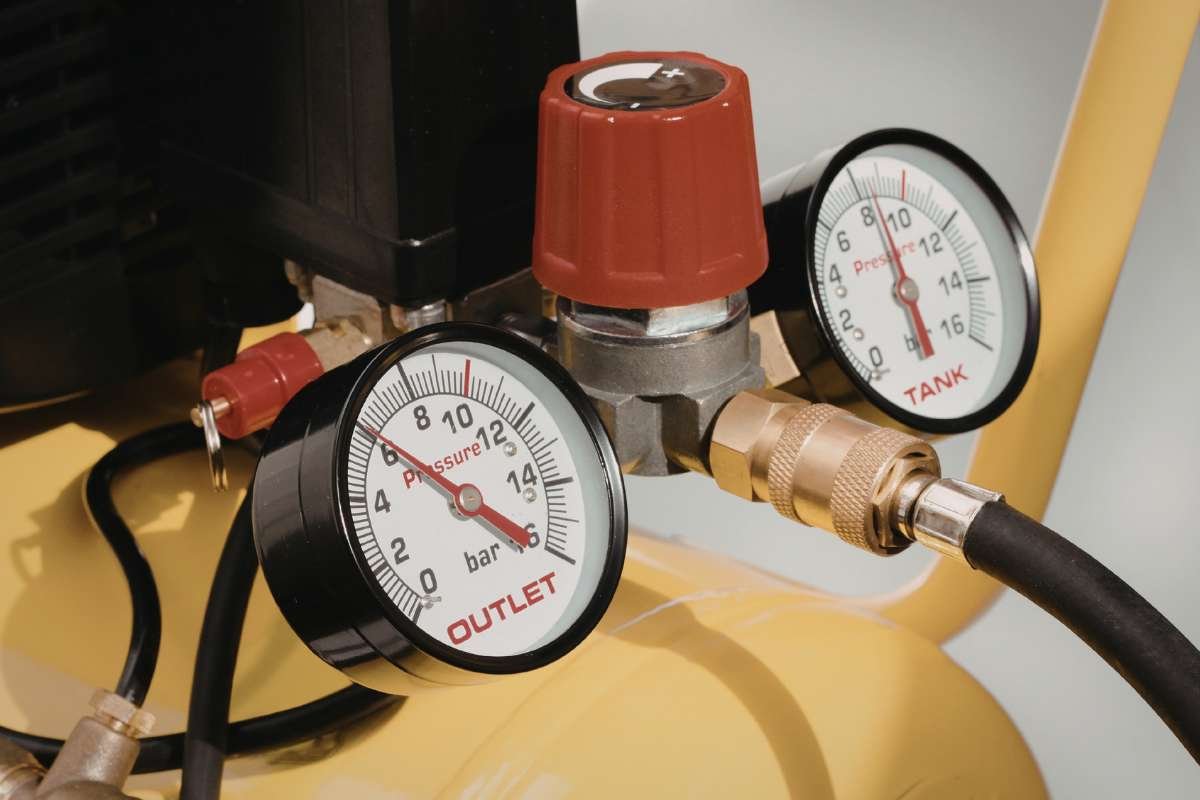
Growth stresses more than just the compressor itself. Air receivers help stabilize pressure by storing compressed air during low demand and releasing it during peak usage. As production increases, additional air receivers reduce pressure fluctuations and compressor cycling.
Air main charging systems distribute compressed air throughout the facility. Poor layout or undersized piping leads to pressure losses that worsen as airflow increases. Copper piping often supports scalable systems because it resists corrosion and maintains smooth internal surfaces over time.
Pressure control systems maintain consistent delivery across production zones. Without proper control, expanding operations can cause some areas to starve for air while others operate inefficiently. Balanced pressure management protects tools and reduces energy waste.
Anti-vibration pads also affect larger installations. As systems expand, vibration control protects mounting surfaces and reduces long-term mechanical stress.
Energy Efficiency and Automation Support Growth
Energy costs rise quickly when compressed air systems operate inefficiently. Scaling production without addressing efficiency can erase profit gains.
Auto start-stop system technology prevents compressors from running unnecessarily during low-demand periods. Variable output designs match airflow to actual usage rather than fixed maximum capacity. These features matter more as systems grow and operate across longer shifts.
Power capacities should align with realistic growth projections, not worst-case assumptions. Oversized systems waste energy, while undersized systems strain components and shorten the compressor’s lifespan. Scalable manufacturing depends on right-sized equipment that adapts over time.
Maintenance Planning Protects Reliability at Scale
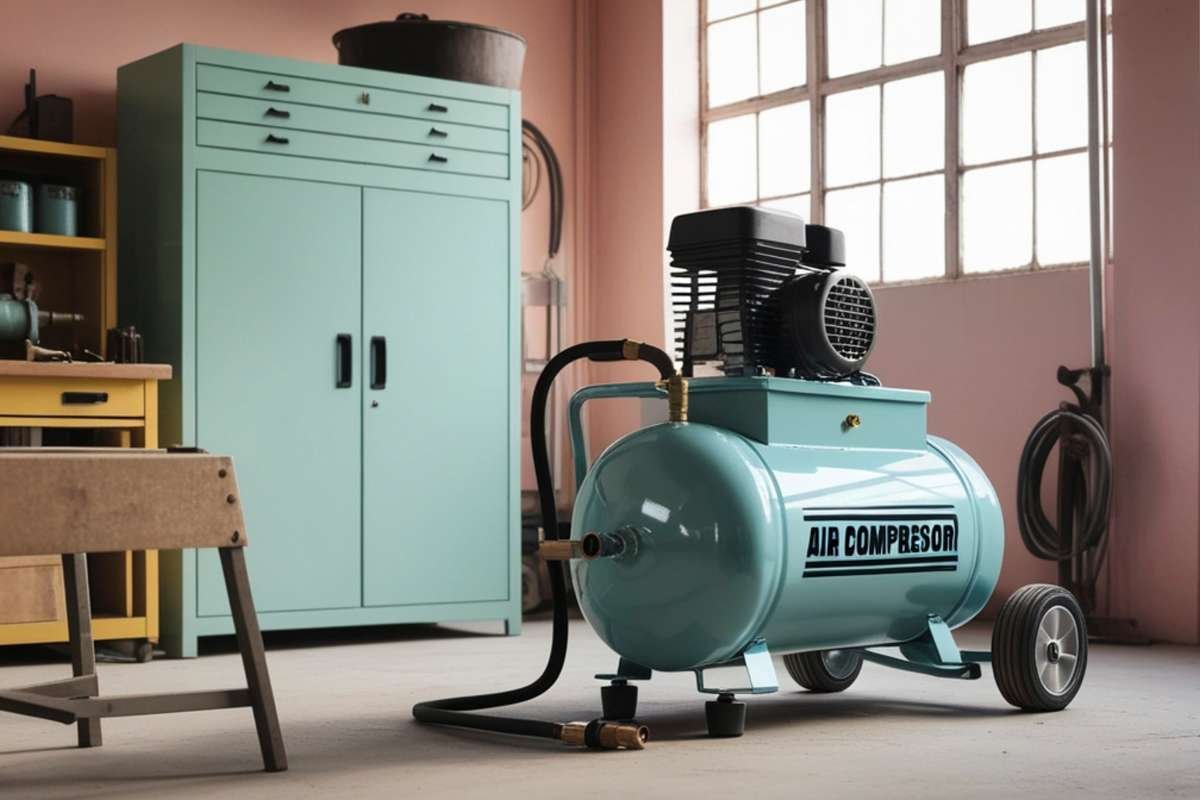
As systems expand, maintenance becomes more complex. Preventative maintenance plans help identify wear before failures occur. Regular inspections, oil analysis, filter changes, and leak detection keep Air Compressor Equipment operating efficiently as workloads increase. Scheduled care extends equipment life and stabilizes operating costs.
Access to parts and service also matters. Air compressor parts need to be available quickly when issues arise. On-site repairs reduce downtime and prevent small problems from becoming production-stopping failures.
Takeaway
Air compressor equipment shapes how smoothly manufacturing operations scale. When systems match real demand, maintain air quality, and support efficient distribution, growth becomes manageable rather than disruptive. Scalable compressed air infrastructure protects uptime, controls energy costs, and extends equipment life. By planning compressor types, air treatment, storage, and maintenance together, you set up production environments that can grow without sacrificing reliability or performance.