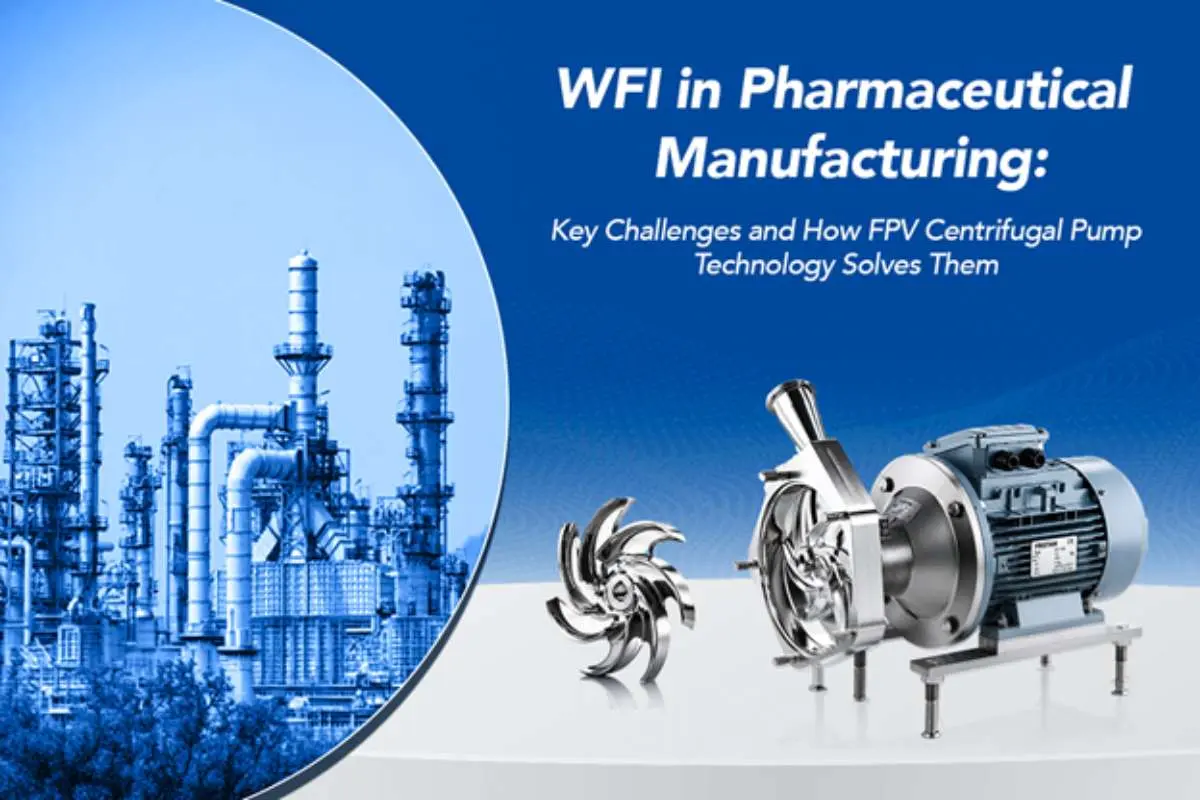
WFI (Water For Injection) isn’t just another process fluid. It goes directly into drug formulations, IV solutions, vaccines, and sterile rinses, anything that eventually enters the human body. That kind of responsibility demands not just clean water but more. It demands an entire handling infrastructure built for zero compromise. And at the centre of that infrastructure sits the pump.
As production volumes scale up, the pressure on every component in the WFI loop intensifies, especially on the centrifugal pump that carries hot, high-purity water at near-boiling temperatures around the clock. This is where most facilities quietly run into trouble.
What Makes WFI (Water for Injection) So Hard to Handle?
WFI isn’t difficult to produce. The real challenge is keeping it pure and sterile once it enters the distribution loop and ensuring every piece of equipment it touches meets the same hygiene standard.
WFI must be sterile or have an exceptionally low microbial count, and any contamination could compromise the safety of pharmaceutical products intended for injection. As per Intelmarketresearch, it requires conductivity below 1.3 µS/cm and endotoxin levels under 0.25 EU/ml. These specifications are so tight that a single seal failure or inadequate surface finish can put an entire batch at risk.
Now add the thermal dimension. Hot WFI systems circulate water between 70°C and 85°C+ to suppress microbial growth. That sustained heat is effective for sterility, but it is one of the most hostile environments a pump seal can operate in.
The Real Problems in WFI Pumping
1. Seal failure at high temperatures
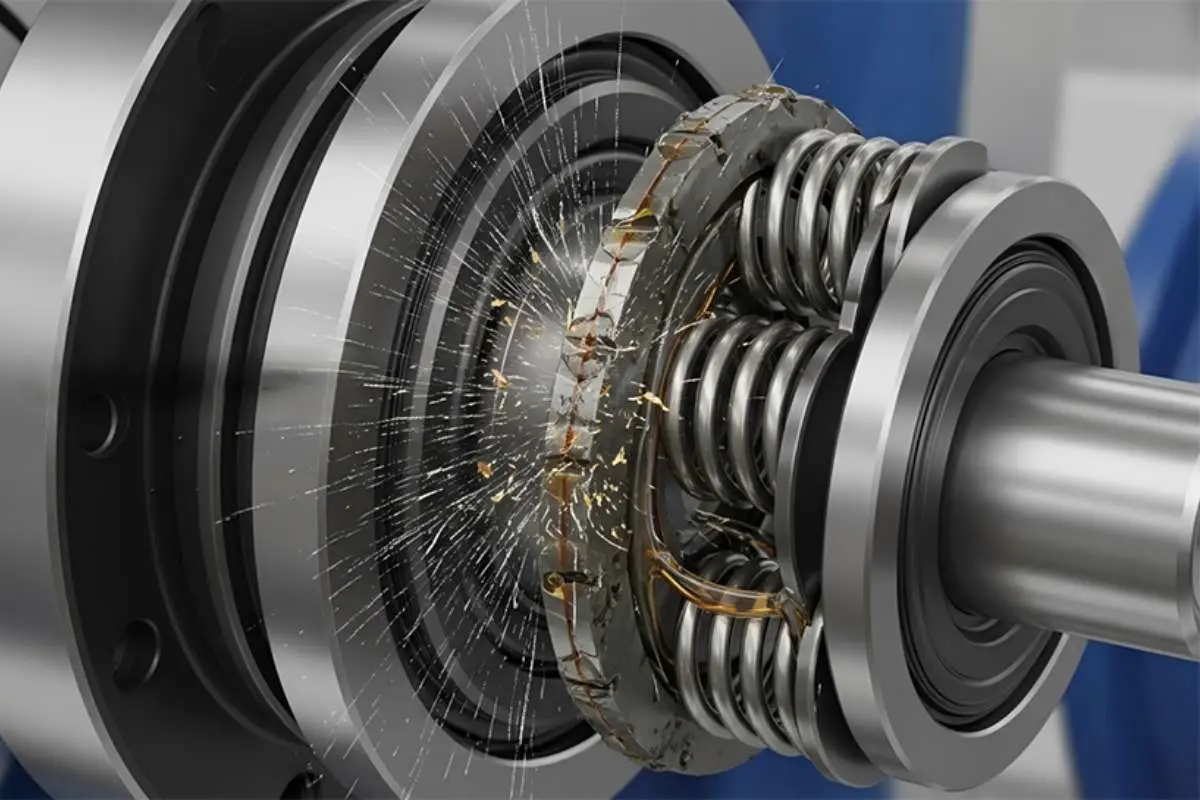
Every mechanical seal relies on a thin liquid film between its faces for lubrication and cooling. Dry running occurs when this fluid film is absent, leading to immediate overheating, rapid wear, and catastrophic failure of the seal faces.
With Water For Injection, the problem is more dangerous. Water above 87°C loses its ability to lubricate and cool the seal surfaces. This means the pump isn’t technically dry, but the sealing medium has stopped protecting the faces. In cases of thermal shock, a mechanical seal can fail in 30 seconds or less. For a pharmaceutical centrifugal pump running 24/7, that is an unacceptable risk.
2. Too much external infrastructure
The conventional fix for the WFI heat problem is external cooling: heat exchangers, jacket coolers, or a continuous purified water supply to flush and cool the seal cavity. Every added connection is a contamination pathway. Every external cooler is a maintenance burden. Hot WFI systems are already complex and expensive to maintain because they must sustain high temperatures and manage equipment wear and tear. Adding more infrastructure multiplies the points of failure in a system that demands absolute reliability.
3. WFI wastage at scale
Double seal flush systems maintain positive pressure in the seal cavity by continuously circulating or draining process fluid. In practice, this means draining one of the costliest fluids in the facility. Monoclonal antibody production alone requires 2,500–5,000 litres of Water For Injection per kilogram of product, and that is before factoring in what gets lost through inefficient seal design. At that scale, wastage is both a financial drain and a compliance liability.
4. Non-compliant surfaces and materials
Hygienic pumps for pharma must satisfy a rigorous set of material and surface finish requirements. Non-compliant finishes harbour biofilm. Sub-standard materials leach trace elements into the fluid. Both are disqualifying conditions under ASME BPE, FDA, 3-A, and EHEDG standards.
The Fristam FPV Centrifugal Pump Series: Built Specifically for WFI
The FPV is not a standard centrifugal pump adapted for pharma. The engineering starts with pharmaceutical requirements and works outward. Here is what the FPV Centrifugal Pump series brings to a WFI loop:
| FPV Feature | Specification | Importance in Pharma |
| Material of Construction | SS 1.4435, 4462, 4539 | Resists corrosion, meets FDA/ASME BPE |
| Surface Finish | Up to 0.38 µm Ra (electropolished) | Prevents biofilm, audit-ready |
| Delta Ferrite Content | < 1% | Critical for WFI purity |
| Compliance | ASME BPE, FDA, CE, 3-A, EHEDG | Global regulatory acceptance |
| Impeller | Precision cast or machined | Consistent flow, zero particulate shedding |
| Traceability | Full documentation since 1931 | Batch and material records for audits and Certified Mill Test Report |
| Polymeric Materials | USP Class VI and FDA 21 CFR 177 | standards for biocompatibility |
The FPV 7450 centrifugal Pump Series goes further with a rigid forged pump housing, with a structural upgrade that makes it one of the most robust pharmaceutical centrifugal pumps available.
Key features include:
- A 90% CNC machinable surface area, which means 0.8 Ra is achievable in a single machining setup before electropolishing brings it to 0.38 µm.
- The forged housing withstands high pressures without vibration, delivering extraordinary pump life even in continuous high-temperature operation.
- Orientation can be changed easily between 45° and 90°; a practical advantage during plant layout and maintenance.
These are not incremental improvements. They are design decisions that directly reduce validation effort, audit risk, and total cost of ownership for any facility running an FPV centrifugal pump in pharma applications.
The WFI Sealing Problem is Solved by Fristam in Two Ways
1. FPV Series with WFI Seal Option C with No External Cooling & Wastage
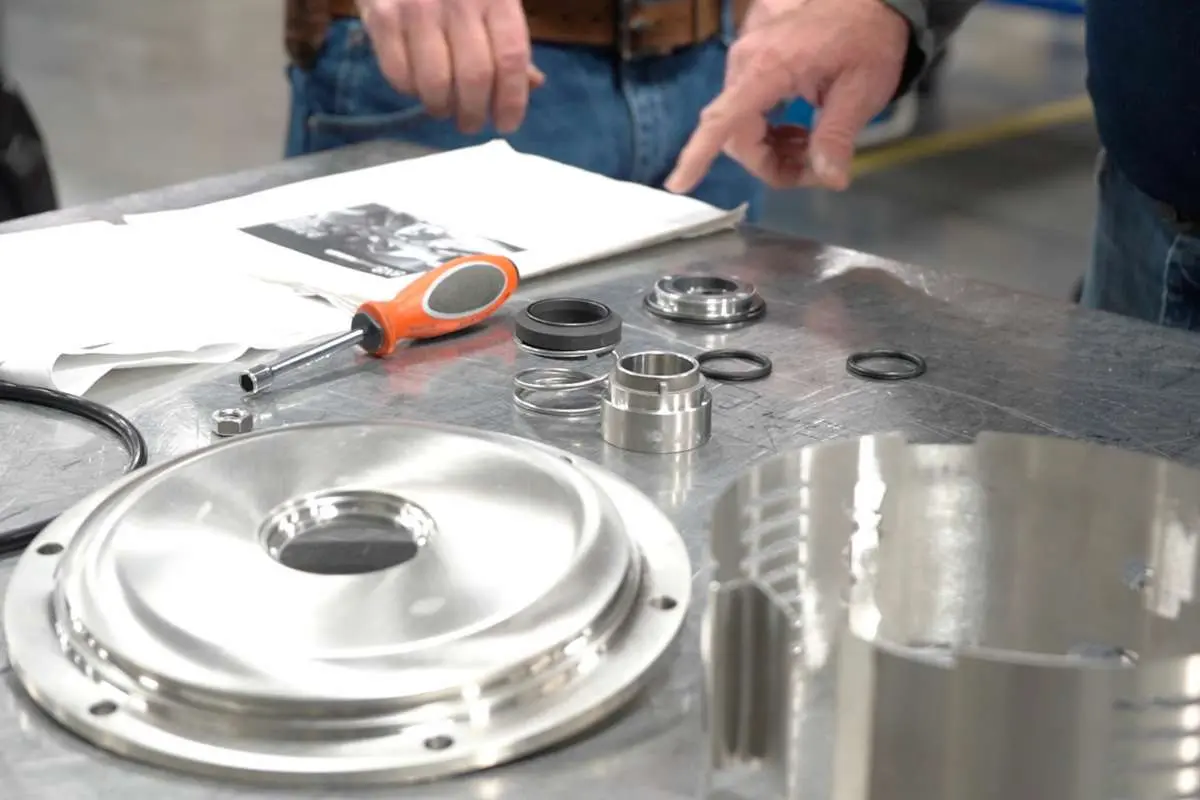
Fristam’s FPV Centrifugal Pump Series with WFI Seal Option C is a single mechanical seal specifically developed for hot water duty. It uses a balanced design with multi-coil springs and a pusher-type configuration. The key innovation is an internal flushing arrangement that takes the same hot WFI water circulating in the system and uses it to flush the seal faces continuously.
What this eliminates for the facility is significant:
- No external supply of purified water.
- No heat exchanger or jacket cooler.
- Zero drain or wastage of Water For Injection.
- No additional contamination pathway from an external connection.
The built-in hydrodynamic feature maintains a liquid film between the seal faces at all times, preventing dry-run conditions regardless of temperature, protecting seal life, and keeping the pump running.
This is the seal architecture that makes long-term reliability achievable in water for injection pharmaceutical loops without adding infrastructure complexity.
2. FPV Series with WFI Seal Option D with Diamond Faces & Zero Flush Loop
Fristam’s FPV Series with WFI Seal Option D takes a completely different approach. The seal faces carry a unique diamond coating which is extremely hard, wear-resistant, and thermally conductive. These faces are engineered to withstand high-temperature duty without requiring any recirculation loop whatsoever.
The result: Option D functions as a straightforward single mechanical seal with no API Plan 11 requirement, no flush piping, and no ancillary systems to validate or maintain. It is the simplest, most audit-friendly WFI sealing solution Fristam offers, and arguably one of the most advanced available across pumps used in pharmaceutical industry settings today.
A quick comparison:
| Features | Option C | Option D |
| Seal type | Single mech. seal with internal flush | Single mech. seal, diamond faces |
| External cooling needed | No | No |
| API Plan 11 required | Yes (internal recirculation) | No |
| WFI wastage | Zero | Zero |
| Best suited for | Continuous hot WFI circulation | Simplified installations, high-temp duty |
Fristam’s Three Piping Options for Any Plant Layout
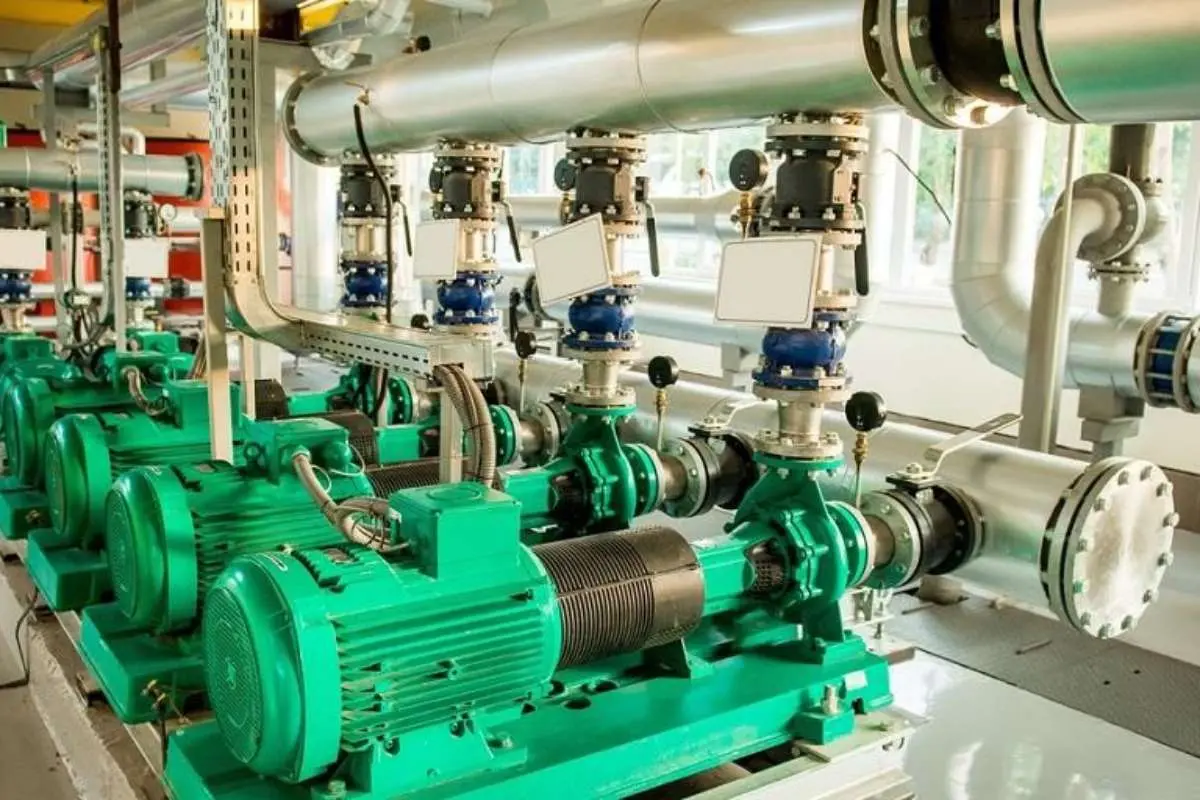
No two Water For Injection systems are identical. Fristam offers three seal piping configurations so the pump fits your system, not the other way around.
- Option G (Standard) sealing uses WFI seal flush piping with compression fittings and a needle valve.
- Option A adds a diaphragm needle valve for tighter process control.
- Option B sealing routes both the centre and front seal flush through needle and diaphragm valves with a casing drain, suited to facilities requiring additional drainage control.
All three are available with a rotameter and casing drain.
100+ Years of Hygienic Engineering at Fristam
Fristam’s company history goes back to 1909, rooted in dairy and food processing, where hygiene was never optional. That foundation shaped every design decision in the FPV Centrifugal Pump series. Full component traceability has been in place since 1972. Every material, surface finish, seal configuration, and elastomer is documented under a comprehensive internal system. ISO 9001, 3-A, and EHEDG certifications are not recent additions which reflect how Fristam has always manufactured.
For pharma facilities, this is very practical. An FDA inspection or EHEDG audit requires documented evidence of material provenance, surface finish validation, and seal configuration records. Fristam’s documentation infrastructure delivers that without additional work on the plant’s side.
As per Coherent Market Insights, the WFI market is projected to grow from USD 32.95 billion in 2025 to USD 57.21 billion by 2032. As injectable drug volumes scale, the cost of getting pump specification wrong through contamination events, validation failures, or repeated seal replacement scales with them.
The FPV centrifugal pump uses in pharma work on one principle: dependability is the best medicine. When the fluid is WFI, and the end product is injectable, there is no acceptable margin for compromise in the equipment carrying it.
For technical consultation on Fristam FPV series configurations for your WFI loop, contact Fristam Pumps or reach out to your regional Fristam representative.